Award-Winning Essay Editing Tutors
serving Louisville, KY
Essay Editing
Tutors in Louisville
Private 1-on-1 tutoring, weekly live classes for academic support, test prep & enrichment, practice tests and diagnostics, and more to elevate grades and test scores.
Based on 3.4M Learner Ratings
UniversitiesSchools & Universities
DeliveredHours Delivered
ProficiencyGrowth in Proficiency
Who needs tutoring?
No obligation. Takes ~1 minute.
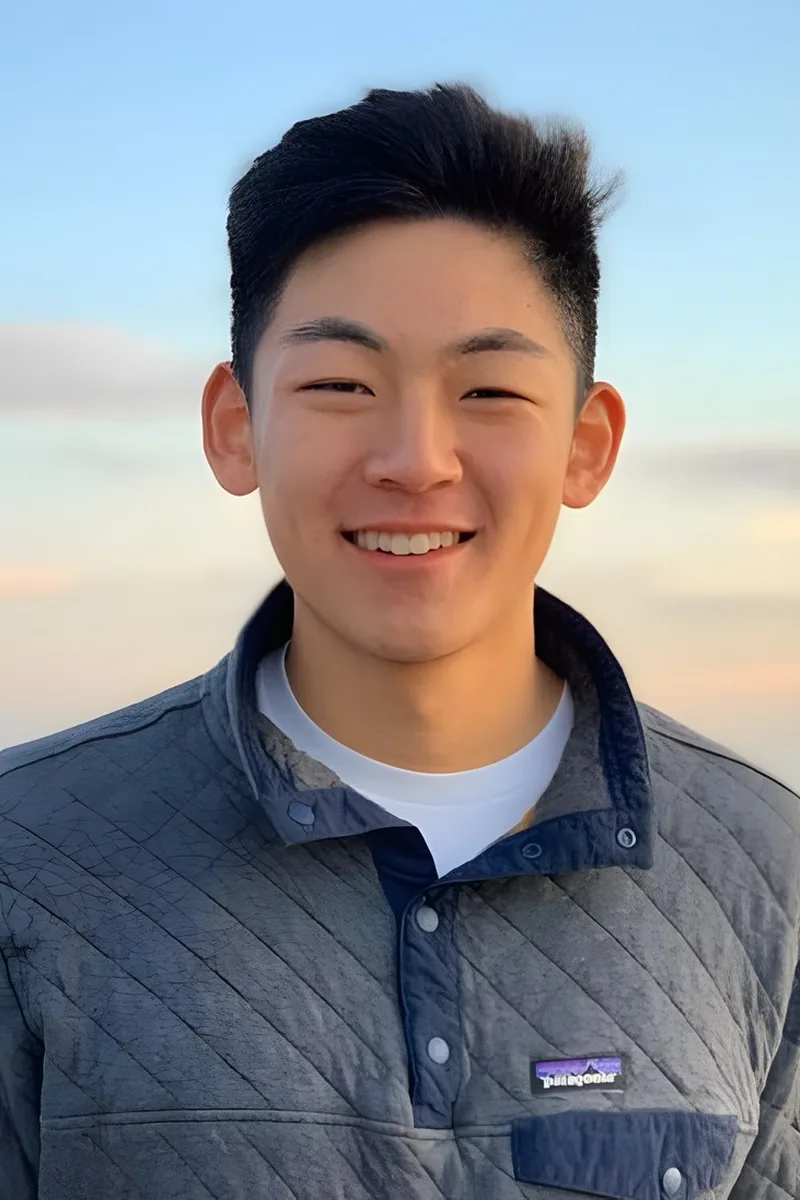
Strong essay editing goes beyond fixing commas — it means restructuring arguments, tightening transitions, and cutting the filler that dilutes a paper's thesis. Kevin approaches each draft with the precision of a programmer debugging code, identifying where logic breaks down and where evidence doesn't support the claim. He walks students through revision as a repeatable process they can apply to every future paper.
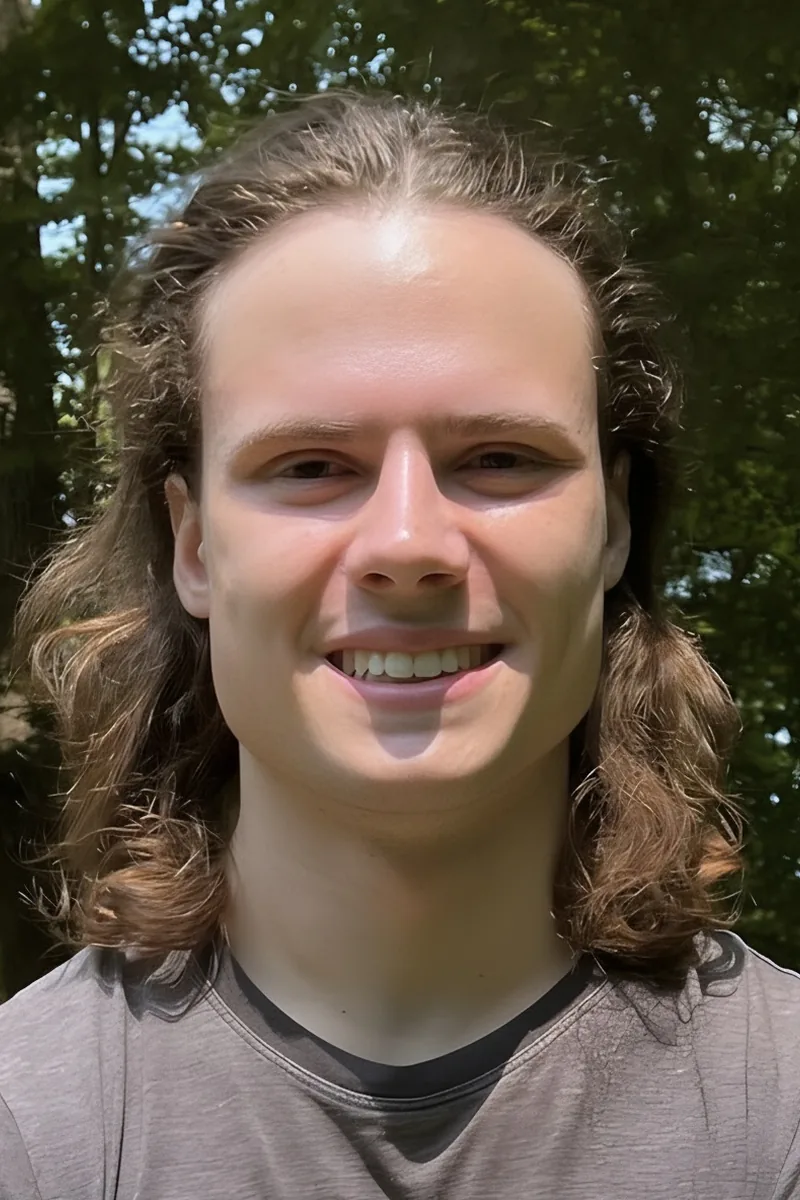
Good editing is more than catching comma splices — it's restructuring an argument so each paragraph does real work. Evan breaks the revision process into layers: first tightening the thesis and logical flow, then sharpening sentence-level clarity, and finally polishing grammar and tone. His writing background spans academic essays, personal statements, and creative projects.
Good editing isn't just fixing commas — it's asking whether every paragraph earns its place. Logan treats essay editing as a structural exercise first, teaching students to evaluate their own thesis clarity, argument flow, and evidence integration before polishing at the sentence level. His 5.0 rating speaks to how quickly students start catching their own weak spots.
Kelsey's MFA training at Notre Dame was essentially a masterclass in revision — workshopping drafts until every sentence earns its place. She applies that same precision to essay editing, tackling everything from thesis clarity and paragraph transitions to eliminating passive voice and tightening wordy phrasing.
Good essay editing goes beyond fixing commas — it means tightening arguments, cutting filler, and making sure every paragraph earns its place. Addison's dual background in Film Studies and Kinesiology at Rice required constant academic writing across very different disciplines, so she knows how to adapt tone and structure to fit any assignment. She walks students through revision as a skill they can replicate on their own, not just a one-time cleanup.
Good editing isn't just catching comma splices — it's rethinking whether a paragraph earns its place in the argument. Matthew breaks the revision process into layers: first structure and logic, then clarity at the sentence level, then mechanics. His background in both STEM writing and creative reading means he can tighten a lab report or sharpen a personal narrative with equal confidence.
Editing isn't just about catching comma splices — it's about seeing whether each paragraph earns its place and whether the argument actually builds. Benjamin reads drafts the way a thoughtful professor would, flagging structural weaknesses and unclear claims before getting into sentence-level polish. His training across literature, philosophy, and writing gives him a versatile eye for academic, personal, and creative work alike.
A master's in English means Anthony has lived through the revision process hundreds of times — restructuring thesis statements, tightening paragraph transitions, cutting filler, and sharpening tone. He treats essay editing as a teachable skill, walking students through how to read their own drafts critically so they can spot weak arguments and unclear phrasing on their own.
Good editing goes beyond fixing commas — it means evaluating whether an argument actually holds together, whether evidence supports each claim, and whether the writing sounds like the person who wrote it. Diana's training in English and Political Science at the University of Louisville sharpened her ability to restructure paragraphs, tighten thesis statements, and cut the filler that weakens otherwise strong drafts.
I am no longer needed.
A math major might seem like an unlikely essay editor, but Jesse's training in logical structure translates directly to spotting weak thesis statements, disorganized paragraphs, and arguments that don't hold together. He zeroes in on clarity and flow — tightening transitions, cutting redundancy, and making sure every paragraph earns its place in the draft.
Editing an essay is more than fixing commas — it's learning to hear where your argument loses momentum or where a paragraph drifts from its point. Kaylee reads drafts with a communication specialist's ear, pinpointing unclear transitions, weak thesis statements, and structural issues while teaching students to spot those problems on their own next time.
Editing an essay is more than catching comma splices — it's about tightening arguments, cutting filler, and making sure every paragraph earns its place. Grace identifies structural weaknesses first, then moves to sentence-level clarity, so students learn to self-edit rather than depend on someone else's red pen.
Most students know their essay "needs work" but can't pinpoint what's wrong — whether it's a buried thesis, weak transitions, or paragraphs that drift off-topic. Sowmya approaches editing as a structured revision process, teaching students to diagnose their own writing rather than just accepting corrections. Her experience with legal writing and academic papers means she's sharp on clarity, argument flow, and concision.
Good essay editing goes beyond fixing commas — it means tightening an argument, cutting filler, and making sure every paragraph earns its place. Patty reads drafts with an ESL teacher's precision for grammar and a Humanities scholar's instinct for structure, giving feedback that's specific enough for students to actually act on in the next revision.
Good editing is about more than catching comma splices. Alexander reads drafts the way a historian reads sources — questioning every claim, tightening every transition, and making sure the argument's structure holds from thesis to conclusion. Students leave sessions with concrete, marked-up revisions they can learn from.
Good editing goes beyond catching typos — it means tightening argument structure, cutting redundancy, and making sure every paragraph earns its place. Andrew reads student drafts with a scientist's eye for logical flow, flagging where claims need stronger evidence or where transitions lose the reader.
Most students know their draft needs work but can't pinpoint where the argument loses focus or where transitions fall apart. Haileigh reads for clarity, coherence, and sentence-level precision, then walks writers through revisions so they learn to self-edit — not just accept corrections.
Editing an essay isn't just fixing commas — it's asking whether each paragraph actually earns its place. Jenna approaches revision in layers: first the argument's logic and structure, then transitions and clarity, and finally sentence-level polish like syntax and word choice. Her background writing across disciplines, from biochemistry lab reports to French literary analysis, gives her a sharp eye for what different audiences expect.
Good editing goes beyond catching comma splices — it means tightening an argument, cutting filler sentences, and making sure every paragraph earns its place. Dharani walks students through their drafts paragraph by paragraph, asking what each section is doing and whether the evidence actually supports the claim. Rated 4.9 by students, she turns revision from a chore into the step where writing gets noticeably stronger.
Good editing goes beyond catching comma splices — it means tightening arguments, cutting filler, and making sure every paragraph earns its place. Janki breaks the revision process into clear stages: structural logic first, then paragraph flow, then sentence-level polish, so students learn to self-edit long after the session ends.
Having written and revised countless lab reports, research papers, and his own medical school personal statement, Troy treats essay editing as a structural exercise first — checking whether each paragraph earns its place — before moving to sentence-level clarity and grammar. He's particularly good at cutting unnecessary filler and tightening arguments so the writing says more in fewer words.
Good editing isn't just catching comma splices — it's figuring out whether each paragraph earns its place in the argument. Jason's experience writing and revising scientific papers and medical school applications gave him a sharp eye for structural problems, unclear thesis statements, and sentences that bury their own point.
Good essay editing goes beyond fixing commas; it means tightening arguments, cutting filler sentences, and making sure each paragraph earns its place. Wilson zeroes in on structural issues first — unclear thesis statements, weak transitions, paragraphs that drift off-topic — before polishing grammar and word choice at the sentence level.
Editing is more than fixing commas — it's about tightening an argument so every sentence earns its place. Nicole's background in communication and her MA training make her adept at spotting structural weaknesses, unclear thesis statements, and passages where evidence doesn't quite match the claim. She walks writers through revisions that sharpen both clarity and voice.
Good writing is really rewriting, and Amy approaches essay editing by walking students through their drafts at multiple levels: argument structure first, then paragraph transitions, then sentence-level clarity. Her background in scientific and analytical writing from her dietetics coursework means she's sharp at tightening claims, cutting filler, and making sure every paragraph earns its place.
Strong essay editing goes beyond catching comma splices and passive voice; it means evaluating whether each paragraph actually earns its place in the argument. Isabella reads drafts at the structural level first — thesis clarity, evidence integration, transitions — then tightens sentence-level mechanics on a second pass.
Jacob treats essay editing like debugging code: he teaches students to trace the logic of their argument paragraph by paragraph, identifying where claims lack evidence or transitions break down. His background spans both technical and humanities writing, and he's particularly effective at tightening thesis statements and restructuring body paragraphs so each one earns its place.
I am a graduate of a liberal arts university, with majors in both Spanish and Studio Arts. As a Teach for America alumni I have worked as a Spanish and Art teacher in elementary, middle, and high school settings in both public and private schools. Additionally I have worked with nonprofit organizations to provide arts education. I primarily tutor Spanish, English, Reading and ACT prep. I believe everyone deserves access to a quality education, and I look forward to working with you to meet and exceed your goals!
Good editing isn't just fixing typos — it's figuring out where an argument loses the reader, where a paragraph buries its point, and where the tone shifts without reason. Faith approaches each draft by reading it aloud with the student, catching awkward phrasing and structural gaps that spell-check will never flag. Her BFA in English trained her to give the kind of specific, actionable feedback that turns a rough draft into a polished one.
Good essay editing goes beyond fixing commas — it means tightening arguments, cutting filler, and making sure every paragraph earns its place. Carter approaches a draft the way a scientist approaches a proof: does each claim follow logically, and is the evidence actually supporting it? He marks up structure and clarity issues alongside grammar so students walk away with a stronger piece and sharper instincts for self-revision.
Most students know their draft needs work but can't pinpoint why a paragraph feels off. Nick zeroes in on argument structure first — whether each paragraph earns its place and whether transitions actually move the reader forward — before addressing sentence-level clarity. The result is writing that sounds like the student, only sharper.
Philosophy training at the University of Chicago meant writing argument-driven papers every week — and tearing apart drafts until every paragraph earned its place. Justin applies that same rigor to essay editing, zeroing in on thesis clarity, logical flow between sections, and whether evidence actually supports the claim being made. Rated 5.0 by students.
Good editing goes beyond catching comma splices — it means tightening argument structure, cutting filler, and making sure every paragraph earns its place. Aaron approaches essay revision methodically: first the thesis and overall logic, then paragraph transitions, then sentence-level clarity and grammar. His 5.0 rating speaks to how effectively he sharpens student writing without overwriting their voice.
Law school at the University of Chicago has made Elena a relentless editor — she knows how to tighten a thesis, restructure a muddled argument, and cut the filler sentences that dilute a paper's impact. Rather than rewriting a student's draft, she reads it aloud with them, asking targeted questions that reveal where the logic gaps and unclear transitions are so the student learns to self-edit.
Editing an essay is more than fixing commas — it's asking whether each paragraph earns its place in the argument. Matt reads drafts at two levels: first for structural logic (does the thesis actually thread through every body paragraph?), then for sentence-level clarity, trimming passive voice and tightening transitions until the writing sounds like the student at their sharpest.
Getting into medical school required Perry to write and rewrite dozens of personal statements, secondary essays, and research abstracts — each with different audiences and tight word limits. That experience sharpened his eye for argument structure, clarity, and cutting filler without losing voice. He breaks editing into layers: first the logic of the argument, then paragraph flow, then sentence-level polish.
Most essay editing goes wrong when it stays at the surface — fixing commas but ignoring a thesis that doesn't actually argue anything. Frances reads drafts the way a professional editor would, flagging structural problems like buried arguments or paragraphs that drift from their topic sentences before touching grammar. Her own professional writing experience means she can show students exactly how to tighten a wordy sentence or sharpen a vague claim.
Good editing is more than catching typos — it's about seeing where an argument loses its thread or where a paragraph buries its strongest point. Victoria's academic writing background across the humanities trained her to revise ruthlessly for clarity, and she brings that same eye to student essays, walking through each draft with specific, actionable feedback on structure, tone, and evidence.
Editing an essay isn't just fixing commas — it's figuring out whether each paragraph earns its place and whether the argument actually holds together. Isabella approaches revision structurally first, tightening thesis statements and paragraph transitions before moving to sentence-level clarity and grammar. Her 5.0 rating speaks to how much students value that layered process.
Testimonials
Because the right Essay Editing tutor makes all the difference.
Average Session Rating – Based on 3.4M Learner Ratings
Nearby Essay Editing Tutors
Other Louisville Tutors
Related English Tutors in Louisville
Frequently Asked Questions
Essay editing tutoring goes beyond basic proofreading. Tutors work with you to strengthen your thesis, improve argument structure, enhance clarity and flow, and develop your unique voice. Whether you're working on a five-paragraph essay, literary analysis, or college application essay, personalized 1-on-1 instruction focuses on the specific areas where your writing needs the most support.
Your first session typically involves reviewing your essay and identifying your biggest challenges—whether that's organization, thesis development, grammar, or argumentation. From there, tutors create a personalized plan that might include revising specific sections, practicing thesis statements, working through the writing process from brainstorm to final draft, or focusing on citation format like MLA or APA. Each session builds on the last to help you develop stronger writing skills overall.
Students in Louisville schools often struggle with organizing ideas into a clear structure, developing a strong thesis statement, and moving beyond surface-level analysis in literary essays. Writer's block, managing citations correctly, and balancing formal academic voice with personal style are also frequent pain points. Personalized tutoring addresses your specific challenges rather than generic writing rules, helping you understand the 'why' behind effective writing.
Not quite. Proofreading catches spelling and grammar errors at the final stage, while essay editing is a deeper process that improves overall quality—including structure, argument strength, evidence support, and clarity. Tutors help you revise and strengthen your ideas before you even get to proofreading, which means you'll catch more errors yourself and develop better writing habits long-term.
Yes. Literary analysis requires moving beyond plot summary to interpret meaning, support claims with textual evidence, and develop sophisticated arguments about theme, symbolism, and author's purpose. Tutors help you craft compelling thesis statements, integrate quotes effectively, and build the analytical skills needed for high school and college literature courses. This personalized approach ensures you understand how to analyze texts, not just what to write about them.
Bring an essay you're currently working on or one you'd like to improve—rough draft, work-in-progress, or finished piece. If you have assignment guidelines or rubrics, those are helpful too. Even if you're not sure where to start, tutors can help you brainstorm ideas, outline, or revise existing work. The goal of that first session is to understand your writing goals and create a personalized plan to help you improve.
Absolutely. Many students find citation formatting confusing, whether it's in-text citations, works cited pages, or integrating sources smoothly into their writing. Tutors can teach you the specific format your teacher requires and help you understand why proper citations matter. You'll learn the rules well enough to apply them independently in future essays.
Many students notice stronger organization and clearer thesis statements after just a few sessions. However, developing a more sophisticated writing voice and deeper analytical skills typically takes consistent practice over several weeks. The personalized feedback from tutors helps you understand what works and why, so you'll apply those lessons to future essays independently. Your growth depends on your starting point and how actively you engage with the revision process.
Let’s find your perfect tutor
Answer a few quick questions. We’ll recommend the right plan and match you with a top 5% tutor.