Award-Winning DAT
Tutors
DAT
Tutors
Private 1-on-1 tutoring, weekly live classes for academic support, test prep & enrichment, practice tests and diagnostics, and more to elevate grades and test scores.
Based on 3.4M Learner Ratings
UniversitiesSchools & Universities
DeliveredHours Delivered
ProficiencyGrowth in Proficiency
Who needs tutoring?
No obligation. Takes ~1 minute.
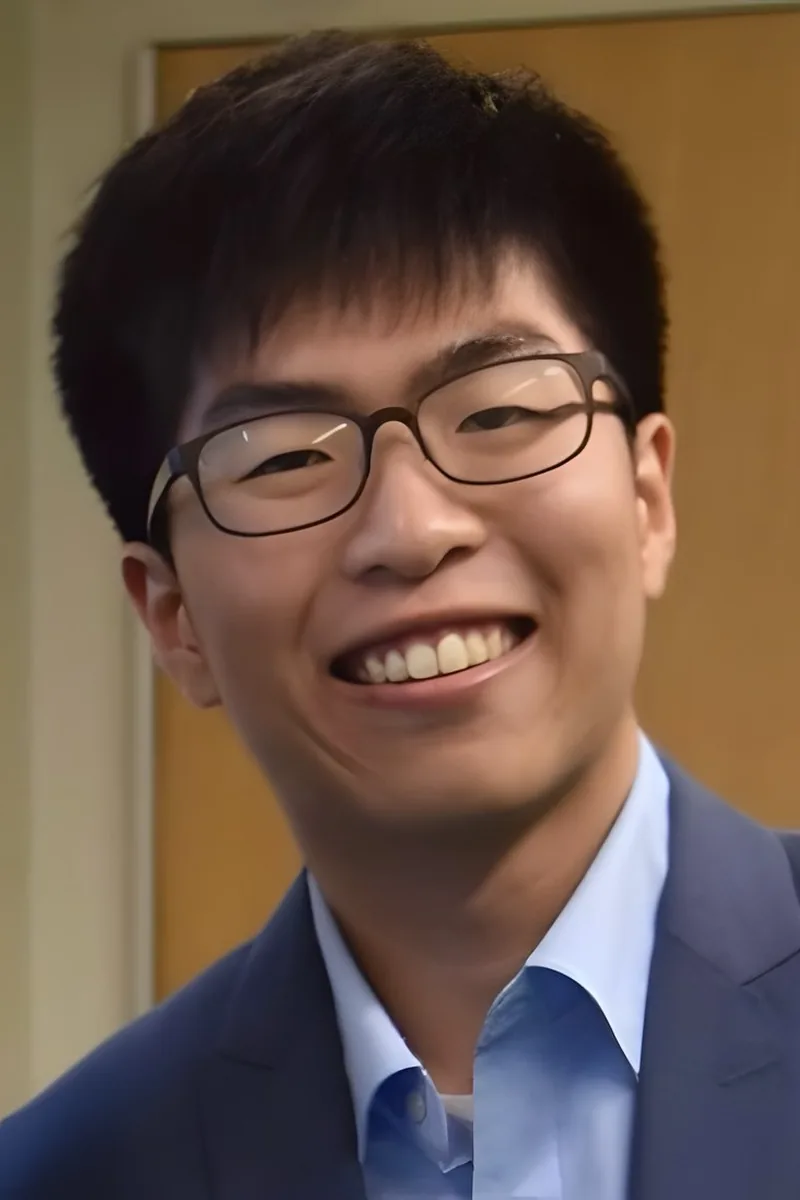
I am a recent chemistry graduate from Cornell University. I have always loved teaching and believe that one-on-one guidance can be a strong aid not just for school, but really for any life activity. I have experience tutoring elementary, middle, and high school students but am willing to teach at any level. My specialties lie in the sciences and with my strong research background I am not a stranger to navigating and explaining what seems like daunting concepts.
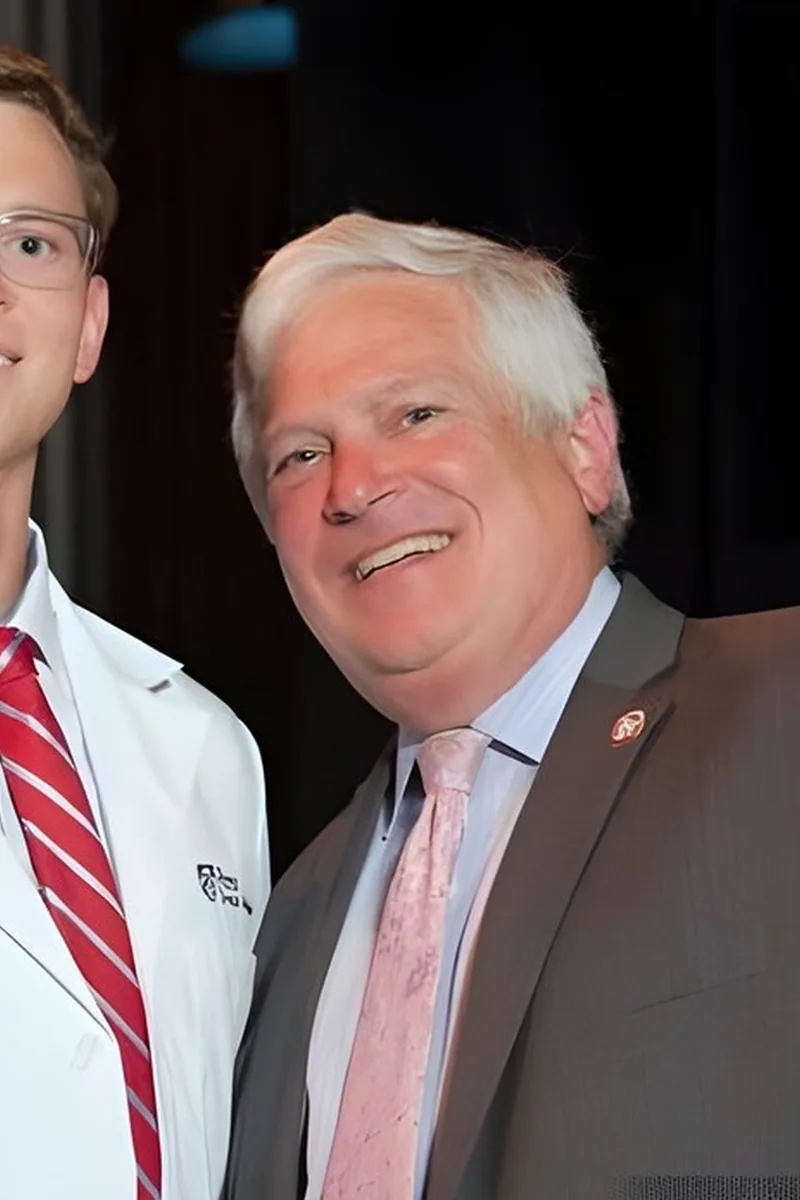
I am a first year dental student at The University of Pennsylvania. In a few years, I will be living my dream of improving the lives of others via practicing medicine. In the meantime, I will dedicate my attention towards helping you fulfill your dream.
I am pursuing a career in dentistry/oral surgery and will be beginning dental school at Boston University this fall. For this reason I recently took the DAT, which I am capable of assisting you with as well. During my undergraduate education, which I completed this past December, I worked in my school's tutoring center, helping my peers succeed in mathematics and science courses. Outside of my academic life, I am a big sports fan and I mostly follow the New York sports teams. For fun, I like to play basketball and golf with my friends. I am looking forward towards getting to know you and helping you with your academic needs.
Having sat for the DAT and earned his Doctor of Dental Science degree, Daniel knows the exam from both sides — as a test-taker and as someone who applied the underlying science professionally. He breaks the prep process into targeted blocks across Perceptual Ability, Quantitative Reasoning, Reading Comprehension, and Survey of Natural Sciences, prioritizing whichever section needs the most attention. His microbiology and chemistry background gives him particular depth on the science-heavy portions.
I am a recent Bachelor of Science from Cornell University, where my studies revolved around applying life science research to health and social studies. I have served as an undergraduate teaching assistant for several courses, and specializes in 1-on-1 tutoring for introductory biochemistry. Biochemistry is my favorite because of how many other disciplines it synthesizes. After achieving a 38 on the MCAT (99.1%), I began mentoring students on test preparation strategies.
Preparing for the DAT alongside a full course load is a balancing act Taylor recently managed herself on the way to dental school. She builds study plans around each section's specific demands — timed drills for Perceptual Ability, content review cycles for Natural Sciences, and pacing strategies for Quantitative Reasoning — so nothing gets neglected in the final weeks before test day.
I am a professionally trained tutor with over five years of tutoring experience. I am currently a medical student at Columbia University. I graduated with high distinction from Duke University, receiving the honors of Summa Cum Laude and Phi Beta Kappa. I majored in Biology with a concentration in Cell and Molecular Biology and a minor in Chemistry.
I graduated from Northwestern University with a Bachelor's of Arts in Neuroscience and have a Post-baccalaureate Certificate in Biomedical Sciences and Health Equity. As a tutor I focus on problem solving and analytical skills. I am able to break down problems and difficult concepts in a way that every student can understand. I have numerous years of experience helping students excel in coursework, prepare for standardized tests, and compose comprehensive academic applications. I truly believe every student is capable of high levels of academic achievement and given the right framework students will propel themselves to new heights. I am proficient in many subjects but have a true passion for math, science and language arts.
I am a recent graduate of Yale University and incoming first year medical student at Columbia University. Originally from the DC area, I have always had a passion for science and medicine and pursued a degree in Biology while at Yale. During the 2008-2009 academic year, I tutored science, math, English, history, and Mandarin Chinese part-time with a DC-based tutoring company. At Yale, I worked as a freshman counselor to provide academic and career advice to incoming freshmen. I have taken both SAT and MCAT test prep classes and am familiar with both tests as well as the preparation necessary to score well. My personal career goals include attending medical school to pursue either immunology/infectious diseases or psych/neurology, teaching biology at the university level, and working in public/global health with either the CDC or the WHO.
I am a current senior at the University of Pennsylvania studying the Biological Basis of Behavior. I am taking a gap year next year before applying to medical school so will be fresh in the process/MCATs to help you succeed. I am from the suburbs of Philadelphia so if you're around I'd be happy to meet up for tutoring or just advice!
I am currently a senior at Harvard College where I study chemistry, and I'll be attending Columbia Medical School next year. I have years of experience tutoring college students in math (mostly calculus) and chemistry including both general and organic chemistry. In addition, I am very familiar with all sections of the SAT and ACT having prepared several high school students for these tests. I believe that every student is capable of boosting his or her baseline score on these tests, so long as he or she works hard to get to know the format of the tests and the most popular types of questions. I tutor because I love seeing students develop a genuine passion for the subjects they once disliked (such as math and science), once they understand the power of these subjects and their applications to the real world.
I'm currently a third-year dental student pursuing a DMD degree at Rutgers School of Dental Medicine.
As a recent graduate and experienced tutor with a summa cum laude Bachelor's degree in Molecular Biology from Colorado College, I bring over five years of tutoring experience across a variety of subjects, including high school biology and chemistry (regular, honors, and AP), as well as physics, writing, math, and general study skills. My strong foundation in the sciences, built through extensive coursework and research in molecular biology, biochemistry, and genetics, allows me to explain complex topics with clarity and enthusiasm. Further, my long-standing passion for reading and literature has helped me develop strong writing skills, which I enjoy sharing with students. My teaching philosophy centers on patience, empathy, and personalized support. I strive to create a calm, encouraging, and collaborative environment where students feel comfortable asking questions and exploring ideas deeply together. Each lesson is tailored to the student's learning style and goals, with a focus on developing true understanding rather than rote memorization. I believe that when students feel supported and confident, they're able to reach their full potential. Ultimately, my goal as a tutor is to help students build both knowledge and confidence, empowering them to succeed academically and develop a lasting curiosity for learning.
I am recent graduate of Yale University. After an intensive application cycle and four years of college, I hope to be able to impart to others the wisdom I have learned. I have four years of freelance tutoring experience in college admissions and the MCAT. Overall, tutoring is a way that I can support the students who will be in my shoes. Everyone deserves to unlock their full potential, and I can't wait to be a part of that! I love getting to know new people and personalizing education to each specific situation. My teaching style is all about tailoring and individualizing.
As a third-year dental student at Penn, Josh took the DAT and now breaks down each section — from Perceptual Ability spatial folding and angle ranking to the biology-heavy Survey of Natural Sciences — with the insider perspective of someone who recently conquered it. He builds targeted practice plans that address the unique pacing challenges of a test where you're jumping between organic chemistry mechanisms and reading comprehension in a single sitting.
The DAT rewards students who can move fluidly between biology, general chemistry, and organic chemistry — not just recall isolated facts. Vivek's biology degree from UVa and his experience teaching undergraduate-level science courses give him a cross-disciplinary command of the material that maps directly onto the Survey of Natural Sciences, Perceptual Ability, and Quantitative Reasoning sections. He breaks each section into targeted strategies so students know exactly how to allocate their study time.
I am currently attending dental schools as a D3. Since middle school, I have been volunteering at different programs to assist disadvantaged students on catching up on their studies, building strong study habits, gaining confidence in their abilities, and acting as a mentor. I am most passionate about Chemistry, Grammar, and Math. I am a strong advocate for education. Everyone should have access to high quality education and could be a pathway to a higher quality of life for people.
The DAT's science sections cover general chemistry, organic chemistry, and biology in a compressed format that rewards efficient recall and sharp problem-solving. Having completed the full pre-med science sequence with a chemistry major at Pitt, Vaibhav tackles DAT prep by connecting concepts across disciplines — like linking acid-base chemistry to amino acid behavior to enzyme function in a single thread. He also brings practical strategies for the Perceptual Ability section that many science-focused tutors overlook.
Preparing for the DAT means juggling organic chemistry, biology, perceptual ability, and reading comprehension all at once, which makes a structured study plan essential. Gabriele approaches DAT prep by identifying each student's weakest sections first and building targeted practice around those gaps. Her pre-med coursework and 5.0 tutoring rating reflect the kind of disciplined, results-oriented preparation she brings to test day readiness.
Ashley's biochemistry degree means she's already mastered the science content that dominates the DAT — from amino acid structures and enzyme kinetics in the Survey of Natural Sciences to organic reaction mechanisms. She breaks the exam into manageable sections, teaching targeted strategies for Perceptual Ability spatial reasoning and Quantitative Reasoning shortcuts that save critical minutes on test day. Rated 4.9 by students.
As a current NYU dental student with a biochemistry degree, James has been through every section of the DAT — from Perceptual Ability spatial reasoning to the organic chemistry and biology-heavy Survey of Natural Sciences. He breaks down each section's unique demands and builds targeted strategies so students know exactly what to prioritize during prep. His 5.0 rating speaks to how well that approach works.
Helping students in their education is my passion. I understand how frustrating it is to keep trying on understanding a concept or master a skill without getting a satisfying result. I aim to help students enjoy learning and acquiring knowledge. Always remember that knowledge is power, and nobody can take it from you. I have sufficient tutoring and teaching experience in secondary and post-secondary settings. I worked as a tutor at the University of Wisconsin Oshkosh. I tutored college students different courses in mathematics, physics, biology, chemistry, and psychology. Also, l worked as a graduate teaching assistant at Marquette University. I taught the laboratory part of general chemistry, analytical chemistry, and organic chemistry. Furthermore, l worked as a science teacher at different secondary schools. I taught science for grades 4,5,6, and 8. Also, l taught chemistry for grade 9. When it comes to my education, l have a bachelor degree in biology healthcare science and chemistry biomolecular science (double major). In addition, l have a master's degree in chemistry. I received my undergraduate education at the University of Wisconsin Oshkosh and my graduate education at Marquette University. I tutor for numerous subjects such as algebra, trigonometry, calculus, physics, organic chemistry, analytical chemistry, human anatomy, developmental biology, ecology, and biochemistry. Also, l tutor for the GRE, DAT, TOEFL, and IELTS. My favorite subjects are the math, physics, biology, and chemistry subjects because l, simply, enjoy these fields. My teaching philosophy and tutoring style are based on practicing with various examples. When you are confronted with numerous problems to solve, you become more confident in that subject area. As a result, better performance in quizzes and exams. Outside of academia, learning about other cultures and countries around the world is my interest.
Preparing for the DAT means juggling biology, chemistry, organic chemistry, perceptual ability, reading comprehension, and quantitative reasoning all at once. Alec's biochemistry background covers the science-heavy sections naturally, and he builds study plans that allocate time based on each student's diagnostic weaknesses rather than treating every section equally. His approach turns a sprawling exam into a manageable set of targeted goals.
Admitted to an Ivy League dental school after earning a perfect score on the DAT's Organic Chemistry section, Madeline knows what it takes to perform across every part of this exam — from Perceptual Ability to Quantitative Reasoning to Reading Comprehension. Her 4.0 post-baccalaureate coursework in anatomy, biochemistry, physics, and microbiology keeps the science content sharp and current. She builds targeted study plans that address each section's unique demands rather than treating the DAT as one monolithic test.
Covering biology, chemistry, organic chemistry, reading comprehension, quantitative reasoning, and perceptual ability, the DAT rewards students who prepare strategically rather than cramming every topic equally. Paul tutors across all six sections and uses his biology background to anchor the science-heavy portions while building targeted strategies for the skills-based sections like PAT and QR. His 5.0 rating speaks to how well that cross-section approach works.
I am a rising fourth-year medical student at Perelman SOM at the University of Pennsylvania currently taking time off from school. I am a Yale 2014 graduate (B.S. in Molecular Biophysics & Biochemistry). I spent my gap year doing wet lab research in a biochemistry lab at the main NIH campus in Bethesda, Maryland, My parents are both university math professors with a natural gift for teaching that I believe they passed on to me. I hope to apply for residency in Internal Medicine or Psychiatry and down the line in my career to teach medical students while practicing in and academic or private-practice setting. I specialize in MCAT testing but am hoping to tutor for the SAT as well, and possibly AP exams. In my free time I enjoy rock climbing, running, working out, playing video games, and dabbling in random hobbies (most recently crochet!).
I am confident I will be able to use my experience and current knowledge to raise your grades and scores.
I am currently a 4th year medical student at Baylor College of Medicine and previously graduated from Rice University, Summa Cum Laude with a Bachelor's degree in Cognitive Science and Biochemistry & Cell Biology. I have served on admissions interview committees for Rice and Baylor College of Medicine, have mentored and edited essays for numerous college and graduate school applicants, and served as a private tutor and classroom instructor for Advanced Biology and Chemistry courses for 3+ years.
I'm a recent graduate of the California Institute of Technology in Economics and Computer Science. I was also accepted at Harvard, Princeton, MIT, and Stanford. I have a broad range of interests spanning science, math, engineering, social science, the humanities, the arts, and athletics (I also played on the Caltech basketball team). My background allows me to tutor general college prep, especially the SAT, ACT and the GRE. I love to teach analytical thinking, ranging from advanced Math and Physics to strategies for understanding literature and developing arguments.
I am a high school science teacher with certifications in secondary Biology and Chemistry. I teach 10th grade Biochemistry and 12th grade Chemistry at a high performing magnet school in the School District of Philadelphia. I hold a M.S.Ed in Secondary Science Education from the University of Pennsylvania. I believe all students have the ability to be self-motivated towards success, and I look forward to helping you achieve your goals.
I am passionate about helping students achieve their goals because I am a firm believer that everybody is capable of success and excellence given the proper support. I approach tutoring from a comprehensive viewpoint, taking into account all of the unique needs and strengths of each student. I have experience with many subjects, including Chemistry, Biology, French, and Spanish, and with admissions tests such as ACT, SAT, and MCAT.
I am a recent Cornell University graduate (Dec '23) majoring in Biological Sciences with a focus on Genetics, Genomics, and Development. My passion lies in healthcare, as I am currently preparing to attend medical school this upcoming fall. However, I have always had an interest in teaching. I started as a general chemistry TA, supporting students during problem solving sessions. Then, I helped teach our genetics lecture course, coordinating individual and group tutoring sessions that guided students in content application. This position transformed into a leadership role, organizing our teaching team while spearheading an initiative to train fellow teaching assistants in pedagogical techniques that I learned in a course I took on the art of teaching. Lastly, in an ethics of medicine course of non-STEM majors, I prepared and facilitated discussion sections on current topics in personalized medicine. These experiences, combined with my time as a teaching assistant in correctional facilities, helped me grow as a varsity tutor now going into my 4th year on this platform. Given this breadth of experience teaching diverse and unique students, I am eager and excited to support young scientists in any subject related to this field.
I am passionate about teaching and tutoring and I thoroughly enjoy helping students gain an understanding and a drive for their studies. I have a long history of working with students of all grade levels and abilities (elementary school through college), and I have a good understanding of strategies to excel in both general academics and standardized tests.
I am currently applying to medical school and enjoy powerlifting, grand strategy games, historical fiction, and chocolate.
I am a 2nd year medical student at Northeast Ohio Medical University and have tutored K-12 and college students over the past 10 years in various subjects ranging from math and science to SAT prep and language arts. My educational background includes an MPA in Development Practice from Columbia University's School of International and Public Affairs, a B.S. in Molecular, Cell, & Developmental Biology, and a B.S. in Mathematics-Economics (both from UCLA). In addition, I have scored in the 99th percentile on the SAT, ACT, and GMAT exams and scored in the 95th percentile on the MCAT. I really enjoy working with students of all ages and backgrounds and believe all students are capable of learning and being successful with the right approach to education. I would love the chance to discuss in more detail what kind of tutoring you or your student is interested in and thank you for your consideration!
I am currently a Master's student at Cornell University. I graduated with my Bachelor's of Science from Cornell in 2016 and I plan to attend medical school in the fall of 2017. I am really excited to be tutoring for Varsity tutors because I really enjoy helping students with subjects that gave me trouble in school. I hope that my time spent developing strategies to learn and absorb the tough material can help you succeed.
I'm a first-year medical student and recent graduate from Duke University, where I studied Global Health Determinants, Behaviors, and Interventions. From running a piano program at a nonprofit children's theatre to private tutoring in math, science, and standardized test prep, I enjoy helping my students become confident and self-sufficient learners!
I am a graduate of the University of California, Los Angeles (UCLA). I received my Bachelor of Arts in Asian American Studies with a pre-med track. I am currently a grad student at the Yale School of Public Health.
I am passionate about teaching because I understand greatly a lot of the academic struggles and problems students may face through education, especially as a first generation college student. Currently I am studying for my medical doctorate degree (M.D.) at the Medical College of Wisconsin. I graduated UCLA with a Biology degree with Asian Languages minor in 2019, cum laude honors. Both during my undergrad and days since, I had a chance to tutor private clients in Southern California and work for a few exam prep companies. I enjoy tutoring math, sciences (chemistry, biology mainly), social sciences (history, politics), essay writing, and Japanese. I also help assist in studying for standardized exams (SAT, ACT, SAT Subject, AP, MCAT, PCAT, OAT)! My tutoring style will be very direct in trying to identify gaps in knowledge and working/practicing on those gaps. I like to be interactive and answer the students' questions directly. I strongly believe education is one path in which students may be able to reach their dreams and I will be your supporter along the way. In my free time, I enjoy playing the piano, practicing martial arts, and watching anime/playing games.
Testimonials
Because the right DAT tutor makes all the difference.
Average Session Rating – Based on 3.4M Learner Ratings
Top 20 Graduate Test Prep Subjects


Top 20 Subjects
Frequently Asked Questions
The PAT is notoriously difficult because it requires spatial reasoning skills that can't be easily taught through traditional study methods—you need to visualize 3D objects, mentally rotate them, and identify patterns under time pressure. A tutor experienced with DAT can break down each PAT subsection (keyholes, top-front-end, angle ranking, hole punches, cube counting, and pattern folding), teach you systematic approaches to each question type, and provide targeted practice that builds your spatial intuition over time rather than relying on memorization.
The DAT has strict time limits—you get 60 minutes for 40 questions in Reading Comprehension, 45 minutes for 30 questions in Biology, and 45 minutes for 30 questions in Organic Chemistry, among others. Most students struggle with pacing in PAT (60 minutes for 90 questions) and Reading Comprehension. A tutor can help you develop section-specific strategies: for example, learning to skip difficult PAT questions strategically rather than getting stuck, or identifying high-yield reading passages in comprehension. With guided practice, you'll learn realistic timing benchmarks for each section so you're not rushing on test day.
Organic Chemistry on the DAT emphasizes reaction mechanisms, synthesis pathways, and functional group transformations—concepts that require both conceptual understanding and pattern recognition. Many students memorize reactions without understanding the underlying principles, which backfires when the DAT asks about unfamiliar compounds or multi-step syntheses. A tutor can help you build a mechanistic framework so you can predict reactions logically, teach you how to organize reactions by type (substitution, elimination, addition, oxidation-reduction), and use spaced repetition to cement the most commonly tested mechanisms into long-term memory.
DAT Reading Comprehension is unique because passages are dense, technical, and often from unfamiliar fields (biology, chemistry, history, philosophy), and you have limited time to extract key information. The test rewards active reading—identifying main ideas, author tone, and logical structure—rather than detailed memorization. A tutor can teach you how to annotate passages efficiently, distinguish between main ideas and supporting details, and recognize common question traps (like answers that are technically true but don't answer the question asked). Practice with real DAT passages under timed conditions helps you develop the rhythm and confidence needed to score well.
The best way to identify weak areas is to take full-length practice tests under timed conditions and analyze your results by section and question type—not just your overall score. You might discover, for example, that you're strong in Biology content but weak in PAT cube counting, or that you miss inference questions in Reading Comprehension. A tutor can help you interpret practice test data, create a prioritized study plan that focuses on your biggest gaps first, and use diagnostic quizzes to track improvement over time. This targeted approach is far more efficient than reviewing everything equally.
Test anxiety on the DAT often stems from unfamiliarity with the question formats, uncertainty about pacing, or past experiences with timed exams. Building confidence comes from repeated, successful practice under realistic test conditions—taking full-length practice tests, reviewing mistakes thoroughly, and seeing measurable score improvement. A tutor can help you develop pre-test routines, teach you how to manage panic when you encounter a difficult question (skip it strategically, move on, return if time permits), and provide honest feedback about your readiness level so you know whether you're truly prepared or need more time. Many students find that having a structured study plan and a tutor who believes in their ability significantly reduces anxiety.
DAT Biology spans general biology, organic chemistry, biochemistry, and microbiology, and the test emphasizes understanding concepts and applying them to new scenarios rather than memorizing isolated facts. Students often waste time memorizing details that won't be tested while missing high-yield concepts like cellular respiration, photosynthesis, enzyme kinetics, and immune system function. A tutor can help you prioritize what to study, teach you how to connect concepts (for example, how photosynthesis and cellular respiration are mirror processes), and use active recall and spaced repetition to retain information long-term. Practice questions that ask you to apply concepts to unfamiliar organisms or scenarios are especially valuable for DAT prep.
Most students benefit from taking 4-6 full-length practice tests spread throughout their study period—early tests help identify weak areas, middle tests let you practice new strategies, and final tests simulate test-day conditions. The real value comes from analyzing each test thoroughly: reviewing every question you missed (and every question you guessed on correctly), understanding why you made mistakes, and adjusting your approach. A tutor can help you interpret your practice test results, identify patterns in your mistakes (for example, timing issues vs. content gaps), and create a study plan between tests that targets your specific weaknesses. This deliberate practice approach leads to meaningful score improvement.
Let’s find your perfect tutor
Answer a few quick questions. We’ll recommend the right plan and match you with a top 5% tutor.