Award-Winning Arabic
Tutors
Arabic
Tutors
Private 1-on-1 tutoring, weekly live classes for academic support, test prep & enrichment, practice tests and diagnostics, and more to elevate grades and test scores.
Based on 3.4M Learner Ratings
UniversitiesSchools & Universities
DeliveredHours Delivered
ProficiencyGrowth in Proficiency
Who needs tutoring?
No obligation. Takes ~1 minute.
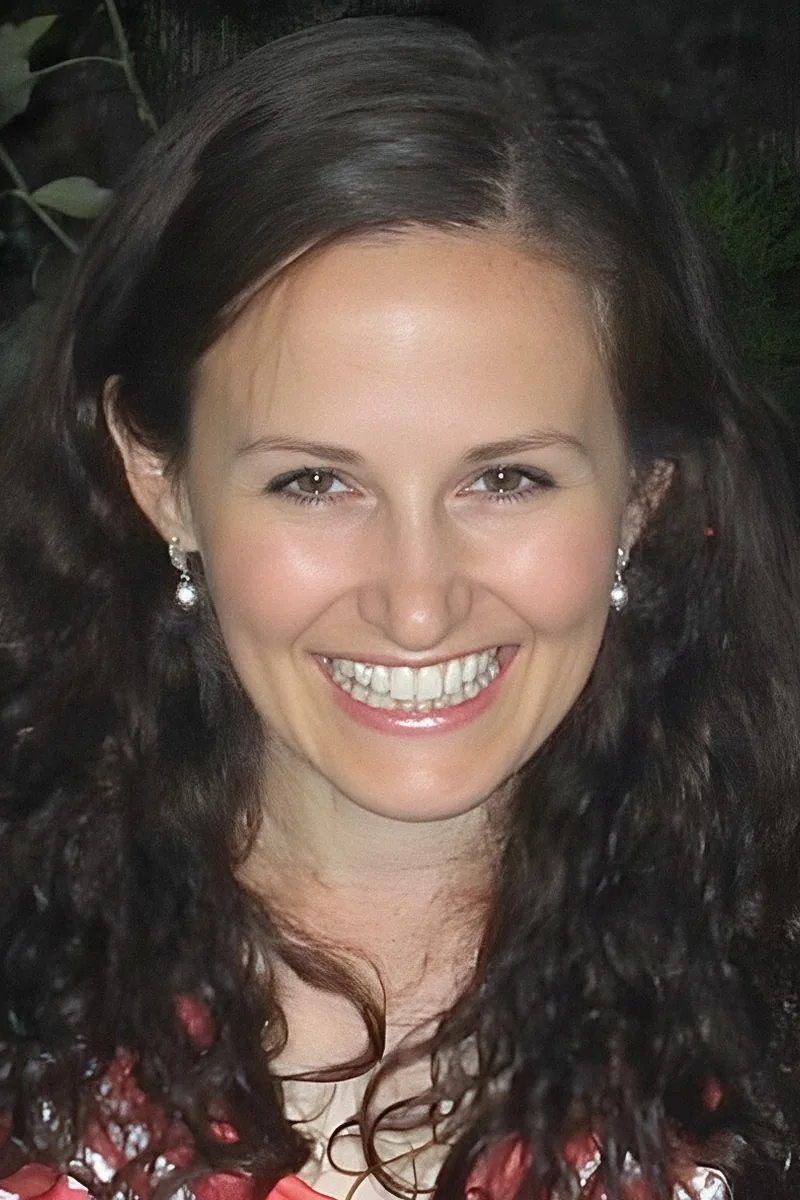
Winnie's Master's in Middle East Studies included serious engagement with Arabic, and she understands the specific hurdles English speakers face — root-pattern morphology, right-to-left script, and a grammar system that works nothing like Romance languages. She approaches vocabulary and verb conjugation through patterns that make the language's internal logic click.
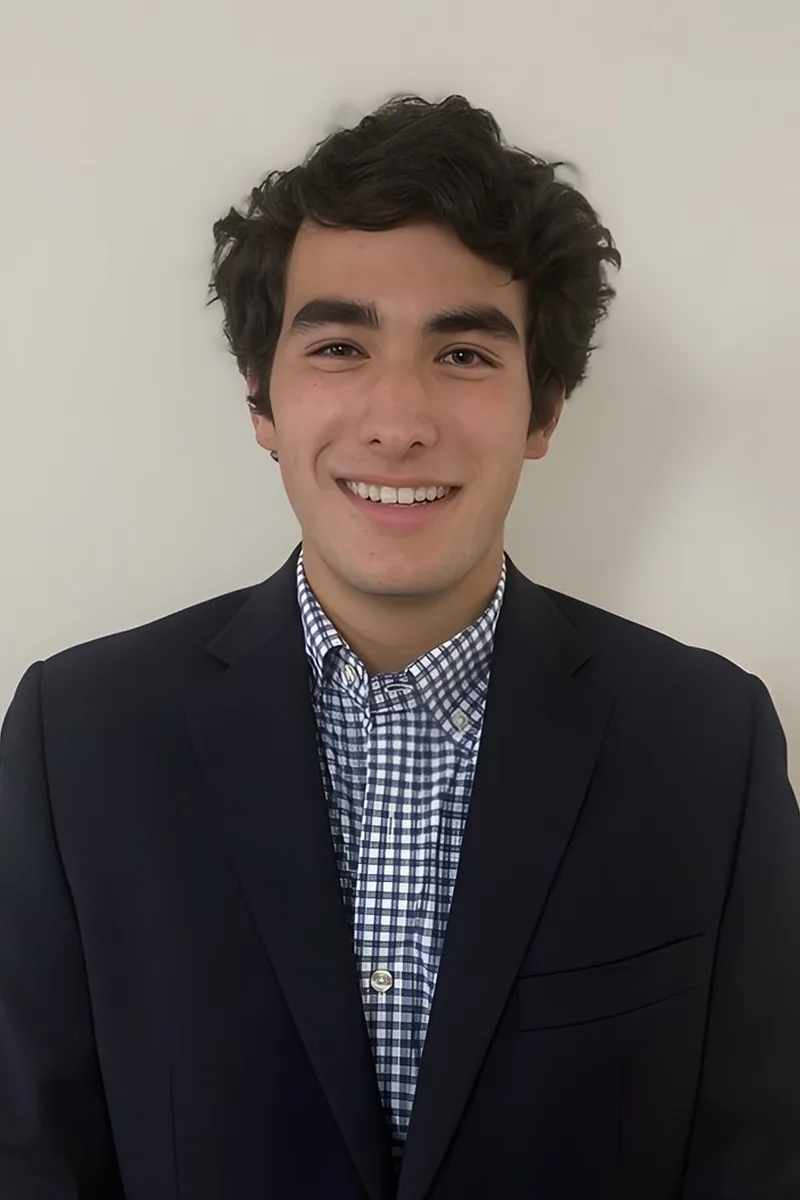
Learning Arabic from scratch himself, Max knows firsthand where English speakers stumble — root-pattern morphology, the emphatic consonants, and the leap from Modern Standard Arabic to colloquial forms. He earned a certificate in Arabic at Williams College and brings a language-learner's empathy to teaching script, grammar, and conversation from the ground up.
Having lived and worked in Cairo — where he managed SAT curricula at a university admissions consulting company — Noah developed real fluency in Arabic beyond what a classroom provides. He teaches vocabulary acquisition, script reading, and conversational patterns grounded in everyday usage rather than textbook drills.
Learning Arabic means navigating a root-based word system, right-to-left script, and grammar structures that have no direct English equivalent. Rhamy teaches the language with attention to these foundational mechanics — verb conjugation patterns, noun cases, and how three-letter roots generate entire families of related vocabulary. He adapts lessons for both heritage speakers refining formal Arabic and beginners starting from the alphabet.
Fluency in four languages — French, Arabic, Hebrew, and English — gives Michael an unusual ability to explain Arabic's trickier features by drawing parallels to structures learners may already know, whether it's Hebrew's shared root system or French's gendered nouns. His Columbia computer science background also means he treats grammar patterns like logical systems, building up from core rules rather than asking students to memorize isolated phrases. Rated 5.0 by students.
Arabic's root-based morphology can feel overwhelming at first, but a linguistics degree gives Netta the tools to break down how triliteral roots generate entire families of related words. She walks students through script, pronunciation, and sentence structure by showing the internal logic that makes the language click.
Arabic's root-based morphology can feel overwhelming at first, but it actually makes vocabulary acquisition more systematic once a student learns to recognize three-letter root patterns. Julien, who speaks Arabic, walks students through reading, writing, and conversational skills with an emphasis on building that root-pattern intuition early so new words become easier to decode over time.
Through personalized, engaging instruction tailored to each student's unique journey, I am committed to inspiring learners reach their full potential.
Adel's PhD work in mechanical engineering was conducted alongside fluency in Arabic and Italian, giving him a multilingual technical vocabulary that few language tutors can match. He brings an engineer's systematic approach to teaching Arabic script, root-letter patterns, and grammar — treating conjugation tables and case endings as logical systems to decode rather than lists to memorize. Rated 4.8 by students across his subjects.
As a native Arabic speaker, Sidra teaches everything from alphabet recognition and basic vocabulary to more advanced reading comprehension and conversational fluency. She breaks down Arabic's root-based word system so students can start recognizing patterns across vocabulary instead of memorizing each word in isolation.
Having earned a bachelor's degree in Arabic, Mosab brings academic depth to a language many tutors know only conversationally. He digs into root-pattern morphology, verb forms (I through X), and the grammatical case system that trips up intermediate learners, making the jump from Modern Standard Arabic reading to confident composition far less intimidating.
Herve earned his bachelor's degree in Arabic at Ohio State and then put the language to work in the field — living and operating in Arabic-speaking regions including Iraq. That immersion means he teaches not just Modern Standard Arabic grammar and vocabulary but also the cultural context and conversational instincts that textbooks rarely capture.
As a native Arabic speaker with years of ESL teaching experience, Mahmoud understands both sides of the language barrier — the logic of Arabic grammar and the specific stumbling blocks English speakers face with root patterns, verb conjugations, and script. He breaks down Modern Standard Arabic systematically while weaving in conversational practice so students can actually use what they learn. Rated 5.0 by students.
Three years of formal Arabic study at Brigham Young plus a semester living in Amman, Jordan, give Gary a rare combination of classroom grammar and real-world conversational fluency. He breaks down Modern Standard Arabic script, verb conjugations, and sentence structure while weaving in the colloquial Levantine patterns students need to actually communicate.
Noah studied Arabic as a core part of his International Relations degree, building proficiency in both Modern Standard Arabic and the reading skills needed for political and cultural texts. He tackles the pieces that trip up most learners — root-pattern morphology, verb conjugation across forms, and the case system — by connecting grammar rules to real sentences rather than abstract charts.
Firas's Ph.D. in Computer Science at Princeton isn't the typical Arabic tutor background — but as a native Arabic speaker, he brings the same analytical rigor to teaching script, grammar, and vocabulary that he applies to his machine learning research. His 5.0 rating suggests that structured, logical thinking translates well to unpacking Arabic's root-based word system and case endings for learners at any level.
A native Arabic speaker who earned her bachelor's and master's degrees at the University of Jordan, Alia teaches the language from the inside out — script, pronunciation, grammar, and the cultural context that makes vocabulary stick. Whether a student is starting with the alphabet or working on Modern Standard Arabic reading passages, she adjusts the pace and complexity to match.
As a native Arabic speaker with a pharmacy degree earned in an Arabic-language program, Mona teaches the language from the inside out — proper letter formation, connected script, and the root-based word patterns that unlock vocabulary quickly. She covers both Modern Standard Arabic and conversational skills, adjusting for students who are beginning from scratch or strengthening heritage-language literacy.
Connor's deep interest in Middle Eastern history and culture led him to study Arabic, and he brings that contextual richness into language sessions. He tackles script recognition, root-pattern morphology, and basic conversational structures in a way that connects the language to the region's literature and current events.
Anna's undergraduate degree in Near Eastern Studies included intensive Arabic coursework, giving her a grounding in Modern Standard Arabic script, morphology, and root-pattern vocabulary systems. She breaks down the triliteral root structure so learners can start recognizing word families early, which accelerates both reading and conversation.
As a native-level Arabic speaker fluent in both conversational and written registers, Jad teaches everything from alphabet fundamentals and verb conjugation patterns to the nuances of formal versus colloquial dialect. His trilingual fluency means he can pinpoint exactly where English or French speakers stumble with Arabic grammar and address those gaps directly. Rated 5.0 by students.
Growing up speaking Arabic at home while pursuing his engineering degrees gave Ziad native-level fluency paired with the kind of structured thinking that makes grammar explanations click — especially when breaking down verb forms, case endings, and the root system that ties Arabic vocabulary together. His 4.8 rating across 35 subjects speaks to clear communication skills that translate well to language teaching.
Danny teaches Arabic with attention to both Modern Standard Arabic and the script fundamentals that trip up new learners — letter connections, short vowel markings, and right-to-left reading flow. His academic background in social sciences means he also contextualizes the language within its cultural and regional landscape, which makes vocabulary and idioms easier to retain.
Omar grew up speaking Arabic and brings a native speaker's intuition to teaching the language's trickier elements — like how a single three-letter root branches into dozens of related words across verb forms. His engineering mindset at Rice means he approaches grammar systematically, breaking down case endings and conjugation patterns into logical rules rather than endless memorization lists. Rated 5.0 by students.
Magdi's medical training was conducted partly in French and Arabic, giving him professional-level fluency that extends well beyond casual conversation — he can walk students through formal written Arabic, vocabulary building, and the grammatical structures that underpin both Modern Standard and everyday usage. His trilingual background (English, French, and Arabic) means he naturally draws comparisons across languages to make unfamiliar sounds, script patterns, and sentence constructions more intuitive for learners.
Catrina's double major in Chemical Engineering and French at NC State means she's already wired to learn languages with analytical precision — and she applies that same structured approach to Arabic, breaking down script patterns, pronunciation, and grammar into manageable systems. Her French background is a genuine asset here, since experience with gendered nouns, conjugation tables, and formal versus colloquial registers transfers directly to tackling Arabic's own grammatical complexities.
Fluent in Farsi and familiar with Arabic script and grammatical structures through her multilingual background, Youkavet brings a linguist's perspective to teaching Arabic. Her psycholinguistics degree means she understands how learners internalize new phonological systems and verb morphology, so she can tailor explanations of root patterns and case endings to how the brain actually acquires language.
Eight years of studying Modern Standard Arabic — including study abroad in Morocco and travel across five Middle Eastern countries — means Benjamin can teach the language with cultural context that most classroom instruction misses. He breaks down Arabic's root-based morphology and verb conjugation patterns in ways that make the grammar feel logical rather than overwhelming. Rated 5.0 by students.
Arabic's right-to-left script, root-based morphology, and unfamiliar sounds can overwhelm beginners if they're thrown at everything at once. Solange breaks the language into manageable pieces — mastering the alphabet and connecting letters before tackling verb conjugation patterns — drawing on her own experience as a multilingual educator who understands what it takes to internalize a new writing system from scratch.
I am a dedicated educator with over 35 years of teaching experience and a Doctor of Business Administration (DBA). Teaching is my natural calling, and I excel at making learning accessible, engaging, and tailored to each student's unique learning style and personal goals. My students frequently tell me that teaching is my natural calling, and I pride myself on being a supportive facilitator who makes learning both engaging and accessible for all ages and across all subjects of expertise. I treat every student as a unique individual, exploring their personal aspirations and learning styles. I tailor my approach to build both academic skills and independent confidence. My expertise includes: College Business: Guiding students through complex theories and foundational principles. Reading Comprehension & Writing: Structuring engaging, thinking-based lessons for both English and Arabic languages. Academic Mentorship & Study Skills. Life is school.......let's learn together!
Hussein's health science coursework at Northeastern doesn't scream Arabic tutor — but as a native Arabic speaker, he brings the kind of intuitive grasp of pronunciation, idiomatic phrasing, and conversational flow that textbook-trained instructors often lack. His science background also means he explains grammatical rules with precision, treating verb forms and sentence structure as systems to understand rather than lists to memorize.
Learning Arabic means tackling a new script, right-to-left reading, and a root-based vocabulary system all at once, which can overwhelm beginners fast. Nora breaks the alphabet into manageable clusters and introduces common root patterns early so students start recognizing word families instead of memorizing each term in isolation.
Samuel studied Arabic as a core part of his Near and Middle Eastern Studies degree at Columbia and then put it to practical use while living and teaching in southern Lebanon. That combination of formal university training and real-world immersion means he can address Modern Standard Arabic grammar and vocabulary while also preparing students for how the language actually sounds and functions in conversation.
Najla taught Arabic as a foreign language instructor at the University of Washington, running her own classes for both undergraduate and graduate students over two years. That classroom experience means she can adjust between teaching script fundamentals and conversational grammar for beginners, or tackling Modern Standard Arabic syntax and reading comprehension for more advanced learners.
Allison earned her bachelor's degree in Arabic, which means she doesn't just teach vocabulary lists — she understands the root system, verb forms, and grammatical logic that make the language click. From mastering the alphabet and basic conversation to navigating more complex structures like broken plurals and case endings, she breaks down Arabic in a way that builds real fluency over time.
As a native Arabic speaker and University of Houston student, Rabia teaches both the Modern Standard Arabic script and conversational vocabulary that textbooks often gloss over. She breaks down letter connections, pronunciation of emphatic consonants like ط and ض, and basic sentence structure so learners build real reading and speaking ability from the start.
Helping students in their education is my passion. I understand how frustrating it is to keep trying on understanding a concept or master a skill without getting a satisfying result. I aim to help students enjoy learning and acquiring knowledge. Always remember that knowledge is power, and nobody can take it from you. I have sufficient tutoring and teaching experience in secondary and post-secondary settings. I worked as a tutor at the University of Wisconsin Oshkosh. I tutored college students different courses in mathematics, physics, biology, chemistry, and psychology. Also, l worked as a graduate teaching assistant at Marquette University. I taught the laboratory part of general chemistry, analytical chemistry, and organic chemistry. Furthermore, l worked as a science teacher at different secondary schools. I taught science for grades 4,5,6, and 8. Also, l taught chemistry for grade 9. When it comes to my education, l have a bachelor degree in biology healthcare science and chemistry biomolecular science (double major). In addition, l have a master's degree in chemistry. I received my undergraduate education at the University of Wisconsin Oshkosh and my graduate education at Marquette University. I tutor for numerous subjects such as algebra, trigonometry, calculus, physics, organic chemistry, analytical chemistry, human anatomy, developmental biology, ecology, and biochemistry. Also, l tutor for the GRE, DAT, TOEFL, and IELTS. My favorite subjects are the math, physics, biology, and chemistry subjects because l, simply, enjoy these fields. My teaching philosophy and tutoring style are based on practicing with various examples. When you are confronted with numerous problems to solve, you become more confident in that subject area. As a result, better performance in quizzes and exams. Outside of academia, learning about other cultures and countries around the world is my interest.
As a dedicated educator with a Bachelor's degree in English Language and Literature from the University of Jordan, I am eager to contribute to Varsity Tutors and inspire students in elementary and middle school English, reading, and writing. With over 3 years of tutoring experience and a solid background as a certified teacher in New Jersey, I have the ability to connect with students and foster their love of learning. My hands-on, interactive teaching approach emphasizes critical thinking and creativity, allowing students to engage with material in meaningful ways. I am particularly passionate about helping English language learners thrive, utilizing my bilingual skills to create a welcoming environment for all. Adding to that my second language which is Arabic (my native language) that will help those students who needs to learn English. Ultimately, I find immense joy in guiding students to achieve their personal best and explore their potential.
I'm currently a third-year dental student pursuing a DMD degree at Rutgers School of Dental Medicine.
Andrea majored in Arabic at James Madison University, which means she can walk students through the language from alphabet and pronunciation basics all the way to complex grammar like verb forms, case endings, and idafa constructions. Her experience teaching Arabic grammar one-on-one and working with Arabic-speaking immigrant families gives her a practical fluency that goes well beyond textbook drills. Rated 4.7 by students.
Testimonials
Because the right Arabic tutor makes all the difference.
Average Session Rating – Based on 3.4M Learner Ratings
Top 20 Languages Subjects


Top 20 Subjects
Frequently Asked Questions
Arabic verb conjugation is notoriously complex because verbs change based on subject, gender, tense, and mood—often with root letter changes that don't follow predictable patterns. A tutor breaks this down systematically, teaching you to recognize root patterns (like the three-letter triliteral system) and practice conjugations in context rather than memorizing isolated tables. This approach builds intuition for how verbs work across different situations, making conjugation feel logical instead of arbitrary.
MSA is the formal written standard used in media, literature, and official communication, while dialects (Egyptian, Levantine, Gulf, etc.) are what native speakers use daily. A tutor helps you choose based on your goals—MSA if you need formal proficiency or plan to study Arabic literature, or a specific dialect if you're learning for travel or connecting with a particular community. Many students benefit from learning MSA as a foundation, then adding conversational dialect skills with a tutor who understands both systems.
In a classroom, you might speak for just a few minutes per class; with a tutor, you get sustained conversation practice tailored to your level and interests. A tutor can correct your pronunciation, grammar, and word choice in real-time, model natural speech patterns, and adjust difficulty on the fly—creating a safe space to make mistakes and build confidence. This consistent, personalized speaking practice is essential for developing fluency and accent awareness, especially since Arabic pronunciation includes sounds unfamiliar to English speakers.
Arabic vocabulary is challenging because words often have multiple related forms (noun, verb, adjective) derived from the same root, plus formal vs. colloquial versions. A tutor teaches you to learn words in context and by root family rather than isolated lists, so you understand how forms connect. They also use spaced repetition and retrieval practice—reviewing vocabulary across multiple lessons and in conversation—which research shows dramatically improves long-term retention compared to cramming.
Arabic script connects letters differently depending on position in a word, and vowel marks (diacritics) are often omitted in everyday writing, making reading and writing both tricky. A tutor teaches you to recognize letter forms in context, builds muscle memory through guided writing practice, and helps you understand when diacritics matter (like in formal texts or when ambiguity could arise). They also explain grammar rules like agreement and word order as they apply to written Arabic, bridging the gap between reading comprehension and actual writing.
Arabic is deeply tied to Islamic history, literature, poetry, and diverse regional cultures—understanding these contexts makes language learning richer and more meaningful. A tutor can weave cultural elements into lessons: discussing classical poetry to illustrate grammar, explaining idioms rooted in Arab traditions, or exploring media and current events in Arabic. This immersion-style approach not only makes learning more engaging but also helps you understand why native speakers express ideas certain ways, accelerating both comprehension and natural speech patterns.
Arabic listening is hard because native speech is fast, pronunciation varies by dialect, and formal Arabic sounds quite different from spoken versions. A tutor exposes you to authentic audio at controlled speeds, teaches you to recognize common patterns and contractions, and explains regional pronunciation differences. They also practice active listening strategies with you—like identifying key words before full comprehension—building your ear gradually so you can eventually follow natural conversations and media without translation.
Arabic grammar has formal rules (especially in MSA) that don't always match how natives actually speak, which can confuse learners. A skilled tutor teaches you the rules as a foundation, then shows you how native speakers bend or simplify them in real conversation—explaining the difference between textbook Arabic and living Arabic. This dual approach prevents you from sounding overly formal or robotic, while still giving you the grammatical framework to understand written texts and construct your own sentences correctly.
Let’s find your perfect tutor
Answer a few quick questions. We’ll recommend the right plan and match you with a top 5% tutor.