Award-Winning Study Skills
Tutors
Study Skills
Tutors
Private 1-on-1 tutoring, weekly live classes for academic support, test prep & enrichment, practice tests and diagnostics, and more to elevate grades and test scores.
Based on 3.4M Learner Ratings
UniversitiesSchools & Universities
DeliveredHours Delivered
ProficiencyGrowth in Proficiency
Who needs tutoring?
No obligation. Takes ~1 minute.
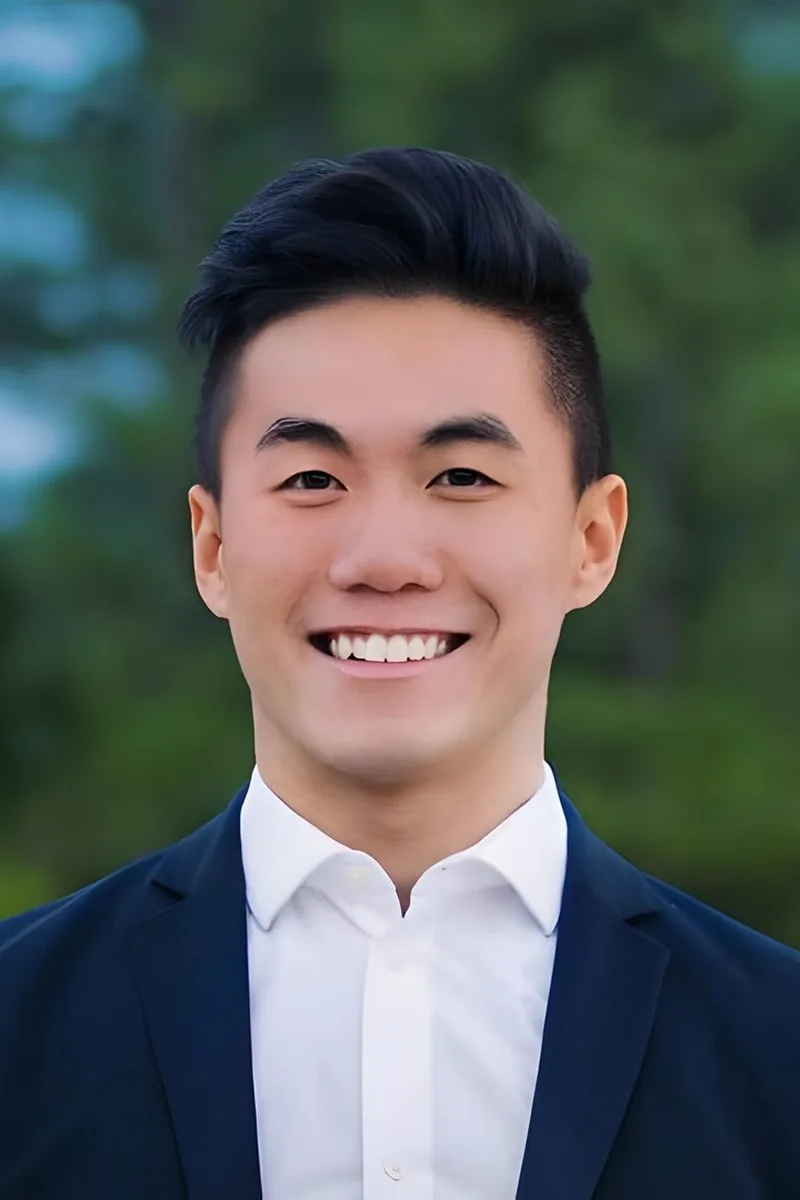
Balancing a mechanical engineering graduate program with tutoring across 20+ subjects means Aaron has pressure-tested his own study systems — from spaced repetition for dense technical material to active recall techniques for reading-heavy courses. He teaches students how to build weekly review schedules, prioritize high-yield material before exams, and actually retain what they study instead of re-reading the same notes.
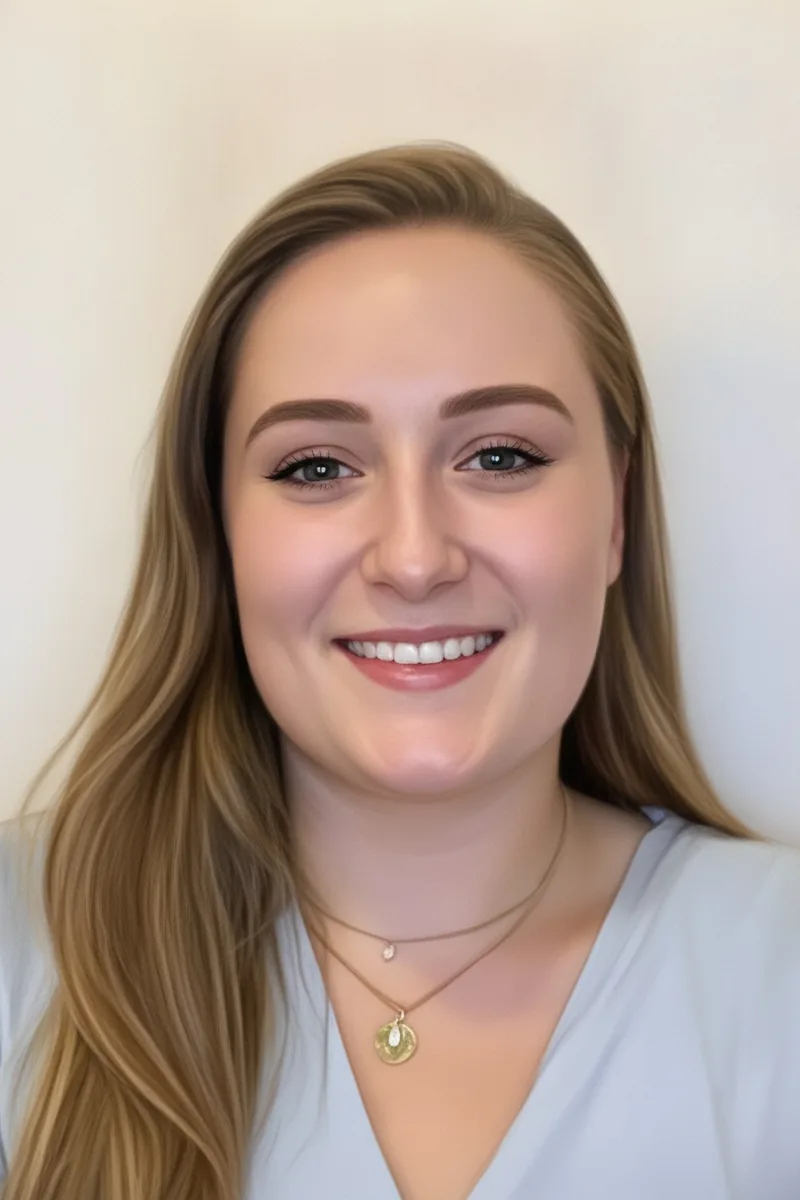
Mimi's Ed.M. from Harvard's Graduate School of Education trained her in inquiry-based learning design — which, applied to study skills, means she doesn't hand students a one-size-fits-all planner but teaches them to identify how they actually learn and build routines around that. Her background in museum education, where learners engage with material through observation and questioning rather than passive review, gives her a distinctive angle on active study techniques. She's especially effective at teaching students how to organize ideas visually and connect new information to what they already know.
Juggling a master's at Columbia and now a doctoral program at NYU has forced Nina to develop real systems for managing dense reading loads, prioritizing assignments, and retaining technical material over time. She teaches concrete techniques — spaced repetition, active recall, structured note-taking — rather than vague advice about "studying harder." Her 5.0 rating speaks to how well those strategies translate for other students.
A PhD in Education from Harvard gives Reid more than teaching credentials — it gives him a research-backed understanding of how learning actually works, from spaced repetition and active recall to metacognitive strategies that let students monitor their own comprehension. He breaks down the mechanics of note-taking, time management, and exam preparation into concrete systems students can customize for any class.
Medical school at Baylor College of Medicine means absorbing massive volumes of material under tight deadlines — and Michelle has built concrete systems for doing exactly that. She teaches techniques like spaced repetition, active recall, and strategic prioritization that translate directly to any student juggling multiple classes or preparing for high-stakes exams.
Getting organized isn't really about buying a planner — it's about learning how your own brain processes and retains information. Solange developed her study systems across eight years of tutoring students at every level, and she teaches concrete techniques like spaced retrieval, active note-taking, and priority mapping that students actually stick with beyond their next exam.
After years directing tutors at a charter middle school in Boston and earning a master's in special education, Liz has seen firsthand what separates students who struggle from students who thrive — and it's almost always systems, not intelligence. She teaches concrete organizational techniques: how to break assignments into steps, manage a weekly planner, take notes that are actually useful for review, and self-monitor progress. Rated 4.7 by students, she builds routines that stick long after tutoring ends.
Balancing a mechanical engineering course load at Harvard forced Christopher to develop concrete study systems — active recall schedules, strategic note-taking, and methods for prioritizing high-impact material before exams. He teaches students how to diagnose where their study habits break down, whether that's poor time management, passive re-reading, or not knowing how to self-test effectively. His 4.8 rating speaks to how well those strategies transfer across subjects.
Balancing varsity sailing, a mechanical engineering course load, and a social life at Yale has forced Charles to get very specific about how he manages time and retains information. He teaches concrete techniques — like spaced repetition for memorization-heavy classes and active problem sets for conceptual subjects — rather than vague advice about "trying harder." Students walk away with a system they can actually use during a packed week.
Completing a PhD in Computational Mathematics at the University of Chicago required Justin to manage problem sets, research deadlines, and teaching responsibilities simultaneously — skills he now passes on to students struggling with their own workloads. He tackles time management, active reading techniques, and how to break intimidating assignments into concrete daily tasks.
Years of coaching high school speech and debate taught Justin that most students don't lack ability — they lack a system for organizing information and managing their time across competing deadlines. He teaches concrete techniques like active reading annotation, spaced repetition for retention, and weekly planning frameworks that turn chaotic study habits into something sustainable.
Juggling multiple subjects requires more than willpower — it takes concrete systems. Daniel teaches students how to use active recall, spaced repetition, and prioritized task lists so that study sessions actually produce results instead of just filling time. His own triple-major background means he's tested these strategies under real academic pressure.
Surviving a PhD in Biomedical Engineering required Andrew to master time management, active reading strategies, and the ability to break enormous projects into daily tasks. He applies those same techniques to students struggling with organization, procrastination, or ineffective study habits. The goal is a personalized system — not generic advice — built around how each student actually learns and where their time disappears.
Balancing a chemistry major at Harvard with pre-med coursework taught James how to build study systems that actually hold up under pressure — spaced repetition schedules, active recall techniques, and strategies for prioritizing high-yield material before exams. He breaks down the mechanics of learning itself so students walk away with a repeatable process, not just a one-time cram session. Rated 4.9 by students.
Completing a senior thesis at Harvard on John Dewey's philosophy of education gave Henry a research-tested understanding of how people actually learn. He applies that knowledge practically — teaching techniques like spaced retrieval, active note-taking, and structured planning that turn scattered study habits into a reliable system. Students walk away with strategies they can use independently across every class.
Juggling a dual degree in computer science and applied math at Johns Hopkins means Sabira has tested every study strategy out there — spaced repetition, active recall, time-blocking, and structured note-taking. She teaches students how to plan a study schedule, break large assignments into manageable tasks, and figure out which review methods actually work for the way they learn. Rated 5.0 by her students.
As a curriculum developer who designs middle and high school courses for a living, Elena knows exactly how material needs to be organized to stick — and she teaches those same structuring techniques to her students. She breaks study sessions into concrete strategies: how to take notes that actually work for review, how to prioritize before exams, and how to self-test instead of just re-reading. Named Scotland's International Young Thinker of the Year, she brings an inventive, slightly offbeat energy that makes the process of learning how to learn genuinely fun.
Balancing a biomedical engineering degree with a double major in Asian Languages and Cultures — plus leadership roles, research, and a work-study position — forced Ingrid to develop sharp organizational systems. She teaches concrete techniques like time-blocking, active recall, and prioritization frameworks that students can adapt to their own schedules and workloads.
During her time as an admissions consultant and academic tutor in Hong Kong, Asta coached students transitioning into rigorous U.S. college environments — which meant teaching time management, active reading strategies, and note-taking systems before any subject content. She unpacks how to build a weekly study schedule, prioritize assignments, and actually retain material from lectures instead of re-reading notes passively.
Surviving MIT's math program and now a PhD at Georgia Tech taught Isabella something most study-skills advice ignores: different subjects demand different strategies. She teaches students concrete techniques — spaced retrieval for memorization-heavy courses, active problem sets for quantitative work, and structured planning for long-term projects — rather than generic tips about highlighters and flashcards.
Most study skills advice is generic — "make flashcards, review your notes" — but Keith digs into what's actually going wrong: unclear note-taking structures, passive re-reading instead of active recall, or poor prioritization before exams. His own path through Williams and Cornell Law required constant refinement of how he organized and retained information, and he passes those concrete systems along.
Earning a PhD while teaching across 30+ subjects forced Sam to build real systems for managing time, prioritizing tasks, and retaining dense material under pressure. He teaches concrete techniques — active recall schedules, strategic note-taking, and goal-setting frameworks — rather than vague advice about "trying harder."
Most students don't lack intelligence — they lack a system for organizing information, managing deadlines, and reviewing material before it fades. Sherry, who is pursuing a master's at Columbia's Teachers College, teaches concrete techniques like spaced retrieval, active note-taking frameworks, and priority-based planning that students can apply across every class on their schedule.
Telling a student to "study more" is useless without showing them how. Matt teaches concrete techniques — spaced repetition for retention, active recall over passive re-reading, and structured weekly planning that prevents the night-before cram. His own experience juggling three undergraduate majors forced him to develop systems that actually hold up under heavy course loads.
Years of navigating Princeton's demanding reading loads and completing a graduate thesis taught Brittney how to manage complex, long-term academic work — skills she now breaks down for students struggling with time management, annotation strategies, and active reading. She treats study skills not as generic advice but as subject-specific techniques, like how to outline before writing or how to retain dense material across multiple texts.
As a doctoral candidate in clinical psychology at Duke, Shelley specializes in attention management and executive functioning — the exact skills that underpin effective studying. She teaches concrete techniques like spaced retrieval, task prioritization, and realistic time-blocking, then tailors each strategy to how a particular student's attention and motivation actually work. Her 5.0 student rating speaks to the results.
Earning a 36 ACT and completing two demanding majors at Yale simultaneously required Emily to develop concrete systems for managing time, prioritizing tasks, and retaining dense material. She breaks those strategies down into specific, repeatable habits — things like active recall techniques, weekly planning structures, and how to take notes that are actually useful during review.
Getting into a competitive pre-health track at Penn required Shayan to build study systems that actually hold up under heavy course loads — active recall, spaced repetition, and strategic prioritization over marathon cramming sessions. He diagnoses where a student's current routine breaks down, whether that's note-taking, time management, or test review, and redesigns it around techniques backed by learning science.
Earning a master's degree in social sciences required Lauren to juggle dense reading loads, research deadlines, and essay-heavy exams — so she teaches time-blocking, active recall, and note-organization techniques drawn from real academic pressure. She tailors each strategy to how a student actually works, whether that means restructuring a planner or rethinking how they review before a test. Rated 5.0 by students.
Earning a 34 ACT and a chemistry degree simultaneously required Sung to develop disciplined systems for organizing material, prioritizing tasks, and retaining dense information under pressure. He teaches those same strategies — from spaced repetition scheduling to active recall techniques — so students can manage heavy course loads without burning out. Rated 5.0 by students.
Juggling a math degree at Penn while tutoring across dozens of subjects forced Ben to develop precise study systems — spaced repetition schedules, active recall techniques, and methods for breaking large problem sets into manageable daily chunks. He teaches students how to build those same organizational habits so studying becomes a repeatable process rather than last-minute panic.
Strong study skills look different for a student prepping for the SAT than for one managing a college course load, and Renee has coached both — she spent four years as a volunteer SAT tutor and worked as a Writing Consultant in college. She teaches specific techniques like active recall, spaced repetition, and how to break large assignments into daily action steps. The goal is building a system that actually sticks beyond the next exam.
Struggling in school often has less to do with intelligence than with how a student organizes their time, takes notes, and prepares for exams. Phillip breaks down study skills into concrete, repeatable systems — things like spaced repetition for memorization, active recall techniques, and prioritization strategies for managing multiple classes at once. He's maintained a demanding biomedical engineering courseload at Brown using exactly these methods.
Juggling multiple bachelor's degrees taught Victoria how to build systems — color-coded annotation methods, spaced repetition schedules, and prioritization frameworks that keep heavy reading loads manageable. She tailors these techniques to each student's actual coursework rather than offering generic advice. Students walk away with a concrete weekly workflow they can maintain on their own.
Most students don't lack intelligence — they lack a system. Sam teaches concrete organizational techniques like spaced repetition scheduling, active recall methods, and how to break a semester-long syllabus into weekly action plans. His own experience juggling multiple science-heavy bachelor's degrees gave him firsthand practice building study systems that actually hold up under pressure.
Balancing a philosophy major with a certificate in Statistics and Machine Learning at Princeton forced Julie to develop sharp organizational systems — from spaced repetition for dense material to time-blocking strategies during exam season. She teaches students how to audit their own study habits, identify what's actually wasting their time, and build routines that stick. Rated 4.9 by students.
Earning both a history degree and a medical doctorate required Jessica to master very different kinds of studying — analytical reading and essay writing on one hand, high-volume memorization and clinical reasoning on the other. She teaches students concrete techniques like active recall, spaced repetition, and structured note-taking tailored to whatever subject is giving them trouble.
Three years as a teaching assistant at Notre Dame showed Connor that the students who struggled most often had the ability but lacked a system — they didn't know how to prioritize material, space out review sessions, or actively test themselves instead of passively rereading. He builds personalized study routines around techniques like retrieval practice and spaced repetition that translate across every subject. Rated 5.0 by students.
Getting into Caltech — and succeeding there in a dual economics and computer science program — required Brian to develop study systems that actually work under extreme academic pressure. He teaches concrete techniques: how to break a semester-long syllabus into weekly targets, how to use active recall instead of passive re-reading, and how to identify which material deserves deep focus versus a quick review. These aren't generic tips — they're the strategies he refined while managing problem sets, exams, and basketball practice simultaneously.
Earning a master's in molecular biology while juggling dense coursework in biochemistry, genetics, and lab research forced Akarsh to develop concrete study systems — spaced repetition schedules, active recall techniques, and methods for prioritizing high-yield material. He teaches students to build these habits around their own courses rather than defaulting to passive re-reading and highlighting.
Testimonials
Because the right Study Skills tutor makes all the difference.
Average Session Rating – Based on 3.4M Learner Ratings
Top 20 Other Subjects


Top 20 Subjects
Frequently Asked Questions
Study Skills builds critical thinking and problem-solving skills that apply across academics and careers. A strong foundation in Study Skills opens doors to advanced coursework and prepares students for standardized tests.
Many students find that success in Study Skills boosts their confidence in related subjects too.
Common challenges include gaps from earlier material, difficulty with specific concepts, and trouble applying what's learned to new problems. These issues compound quickly in Study Skills because topics build on each other.
A tutor identifies exactly where you're stuck, fills in gaps, and gives you targeted practice until the concepts click. That 1-on-1 attention makes a big difference.
Look for someone with strong Study Skills knowledge who can explain concepts in multiple ways until you understand. Patience and the ability to adapt to your learning style matter as much as expertise.
Varsity Tutors vets all tutors through background checks, credential review, and teaching evaluation—so you can focus on finding the right personality and teaching approach fit.
For students who are struggling, stuck, or want to excel, tutoring often pays off in better grades, stronger test scores, and reduced stress. The 1-on-1 format lets you move at your own pace and focus on what you actually need.
Many students also develop better study habits that serve them in other subjects.
Most students benefit from 1-2 sessions per week. If you're significantly behind or have a major exam coming up, more frequent sessions can help you catch up faster.
Your tutor can recommend a schedule based on your goals and timeline.
Yes—both are core parts of tutoring. Tutors help you work through challenging homework problems while teaching the underlying concepts, so you're not just getting answers but actually learning.
For exams, tutors provide targeted review, practice problems, and test-taking strategies specific to Study Skills.
Tutoring is typically purchased in hour packages, with rates varying by tutor experience and subject complexity. Varsity Tutors offers several package options.
You can discuss pricing during your consultation to find an option that fits your budget and goals.
Your tutor will assess where you are, discuss your goals, and start working on areas where you need the most help. Many students bring current homework or upcoming test material to focus on.
By the end of the session, you'll have a plan for moving forward and a sense of how your tutor approaches teaching Study Skills.
Let’s find your perfect tutor
Answer a few quick questions. We’ll recommend the right plan and match you with a top 5% tutor.