Award-Winning Math Tutors
serving Los Angeles, CA
Award-Winning
Math
Tutors in Los Angeles
Private 1-on-1 tutoring, weekly live classes for academic support, test prep & enrichment, practice tests and diagnostics, and more to elevate grades and test scores.
Based on 3.4M Learner Ratings
UniversitiesSchools & Universities
DeliveredHours Delivered
ProficiencyGrowth in Proficiency
Who needs tutoring?
No obligation. Takes ~1 minute.

Algebra is Ema's favorite corner of math — specifically the moment a student realizes they can translate a messy real-world scenario into a clean equation and actually solve it. Her Harvard English degree might seem unrelated, but five years of tutoring students ages 3-17 across everything from basic arithmetic to pre-calculus proved that her instinct for structure and pattern works just as well with numbers as with sentences. She scored a 1540 on the SAT and is rated 5.0 by students.
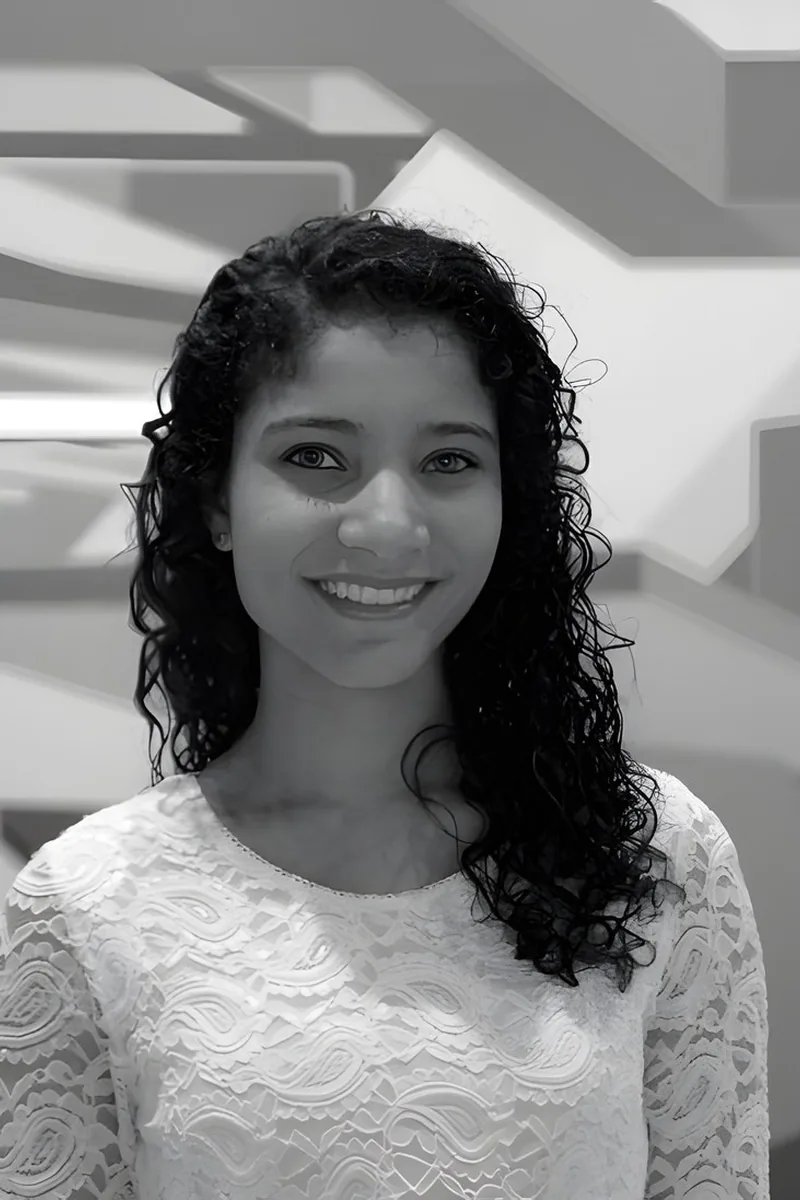
Katrina scored a 1490 SAT and 32 ACT, which required solid command of algebra, data analysis, and problem-solving under timed pressure. While math isn't her primary academic focus, she's comfortable breaking down word problems and walking through the logical steps that make concepts like linear equations or proportional reasoning click. She's a good fit for students who need a patient, organized tutor to build confidence in foundational math.
Kiersten scored a 1550 on the SAT, and her strength in quantitative reasoning carries into the way she breaks down math concepts — from simplifying expressions to tackling word problems that require translating English into equations. She approaches each topic by identifying exactly where a student's understanding drops off, then rebuilding from that specific gap.
While math isn't Carla's primary area, she covers foundational and general math concepts and brings the same structured, step-by-step clarity she applies to literary analysis. She's a good fit for students who need someone patient and organized to walk them through problem-solving logic rather than just racing to the answer.
John's literary manager work — budgeting productions, analyzing box office data, managing contracts across two theater companies — means he does more practical math in a week than most people realize a drama degree requires. That real-world fluency with numbers makes him especially effective at showing students how algebra, geometry, and proportional reasoning actually function outside a textbook. He holds a 5.0 rating and scored 1580 on the SAT.
From a summer at Kumon drilling arithmetic fundamentals to tutoring adults through GED math, Raquel has taught the same core concepts — fractions, proportions, integer operations — to learners at very different starting points. That range means she can quickly identify where a gap in understanding actually lives and address it directly, whether a student is working on pre-algebra or building toward geometry proofs.
A pre-med track at UCLA meant Nicole spent years working through algebra, calculus, and applied statistics — subjects where one shaky concept can snowball into months of confusion. She pinpoints exactly where a student's understanding breaks down, whether that's fraction operations, setting up equations from word problems, or interpreting graphs, and rebuilds from that specific gap forward.
From pre-algebra through calculus, Krista covers the full K-12 math sequence and knows where students typically lose the thread — often at fractions, negative numbers, or the jump to variable thinking. She breaks each concept into concrete steps and connects new material back to skills a student already has, so gaps get filled instead of papered over.
Scoring a 1560 on the SAT required Tom to be fluent in everything from algebraic manipulation to data interpretation, and he brings that same structured problem-solving approach to general math tutoring. He's especially effective at diagnosing where a student's understanding breaks down — whether it's fractions, proportional reasoning, or translating word problems into equations — and rebuilding from that exact point.
Covering everything from arithmetic fundamentals to competition-level problem solving, Naama's math teaching connects procedures to the reasoning behind them. She's particularly good at identifying the specific step where a concept stops making sense — whether that's fraction operations, order of operations, or early work with variables — and rebuilding understanding from that point forward.
From fraction operations in middle school to derivatives in calculus, Gerardo has taught math across nearly every level — and his physics background means he constantly ties abstract concepts to real-world applications. He's the kind of tutor who can show a student why the quadratic formula works, not just how to use it, which tends to make the math stick long after the lesson ends.
Zoe's journalism and editing background trained her to be methodical about structure — outlining an argument, sequencing evidence, checking every detail — and she applies that same systematic approach to organizing multi-step math problems so students can see exactly where they are and what comes next. Her English major at UCLA means math isn't her flagship subject, but she's comfortable tutoring it through the elementary and middle school levels where clear communication and patience matter more than advanced theory.
Helen's neuroscience and pharmacology training required heavy quantitative coursework — from calculus to statistical modeling — so she's comfortable across a wide range of math topics. She's particularly effective at breaking down word problems and applied math scenarios, translating abstract equations into concrete, real-world terms that click. Her 5.0 rating speaks to how well that approach lands with students.
While theatre is Nina's primary field, she tutors math from pre-algebra through calculus and brings a patient, step-by-step approach to a subject that intimidates many students. She's especially good at translating word problems into equations — a skill that comes naturally from years of interpreting text for meaning. Her 33 ACT composite speaks to her across-the-board academic strength.
Neuroscience requires serious quantitative chops, and Whitney's coursework at Pomona covered everything from algebraic modeling to calculus-based data analysis. She's comfortable across a wide range of math levels and particularly good at connecting abstract procedures — like solving systems of equations or graphing functions — back to intuitive, real-world reasoning.
Chemistry majors live and breathe applied math — unit conversions, logarithmic equations, proportional reasoning — so Chandler brings a practical edge to topics that can otherwise feel abstract. He's especially effective at connecting arithmetic and pre-algebra concepts to real scenarios, giving students a reason to care about the numbers on the page.
Scoring a 1590 on the SAT required serious math fluency, and Ari's subject range extends from elementary arithmetic through AP Calculus BC. He breaks down word problems and abstract concepts by connecting them to concrete reasoning — particularly useful for students who think of themselves as "English people" and need someone who speaks both languages.
Scoring a 35 ACT and teaching subjects from pre-algebra through AP Calculus BC, Michael covers an unusually wide math range. He's especially skilled at translating abstract procedures into intuitive reasoning — showing a student why cross-multiplication works, for instance, rather than just drilling the steps — which builds the kind of understanding that transfers across topics.
Zach is upfront that math was once his hardest subject, and that honesty is exactly what makes him effective with students who feel the same way. He knows what it's like to stare at an equation and see nothing, so he walks through problems step by step, connecting abstract procedures to concrete reasoning until the logic clicks.
Claire approaches math by connecting abstract procedures to concrete, visual models — turning fractions into something a student can see and manipulate before moving to the algorithm. Her multiple-subject teaching credential and elementary classroom experience mean she knows exactly where foundational gaps in place value, multiplication, or proportional reasoning tend to hide. She's especially effective at rebuilding confidence for students who've decided they're "not a math person."
An accounting major doesn't survive without being fluent in math, and Jacob leans on that quantitative background when tackling everything from fractions and ratios to basic algebraic reasoning. He connects abstract math concepts to real-world scenarios — budgets, percentages, unit conversions — which tends to click for students who wonder why any of it matters.
Whether a student is struggling with fraction operations in middle school or hitting a wall with quadratic equations, Drew pinpoints the specific concept that's causing confusion rather than re-teaching an entire chapter. His physics and mathematics coursework at Occidental means he's constantly using math as a tool, so he can show students why a technique matters — not just how to execute it on a worksheet.
Emily's SAT score of 1370 and her experience tutoring across disciplines give her a practical, pattern-oriented approach to math — she breaks problems into smaller logical steps and teaches students to identify what a question is actually asking before jumping into calculations. She's particularly effective with students who consider themselves "not math people" and need someone who can translate abstract procedures into plain language.
From arithmetic fundamentals through calculus, Travis covers an unusually wide range of math and knows where the common stumbling blocks sit at each level. He's particularly sharp at bridging the gap between middle school computation and the more abstract reasoning that algebra demands — the transition where many students first start to struggle.
For students who've convinced themselves they're "not math people," Gregory brings a different energy — breaking problems into logical steps and connecting abstract procedures to concrete reasoning. He tackles foundational skills like fractions, proportions, and basic equation solving with patience and clear language, making sure each concept actually makes sense before moving on. His structured, individualized approach keeps students from falling through the cracks on topics that compound over time.
Sarah's background spans English and the humanities, but she's been teaching math at the elementary and middle school level long enough to know exactly where students tend to stumble — fractions, word problems, and the leap from arithmetic to pre-algebraic thinking. She connects math concepts to real-world scenarios and walks through each problem step by step until the logic, not just the answer, makes sense.
While math isn't Enrico's primary academic background, his language training sharpened the pattern recognition and logical reasoning that make algebra and arithmetic click. He breaks down word problems and multi-step equations by treating them like sentences to decode — identifying what's being asked, isolating the key information, and working through operations methodically.
Improv comedy and math don't seem related until you realize both reward quick pattern recognition and comfort with being wrong. Sean leans on that crossover to keep sessions loose while tackling everything from fraction operations to quadratic equations. His marketing degree required heavy quantitative coursework, so the math chops run deeper than most expect.
Alanna's American Studies program at Occidental isn't math-heavy, so she approaches tutoring math the way she learned it herself — by building clear, repeatable strategies for problems that don't come intuitively. That deliberate process actually makes her effective with students who need someone to slow down and explain the reasoning behind each step in an equation or word problem, rather than skipping ahead to the answer.
A Clark University physics and mathematics graduate, Sarah covers the full arc from elementary arithmetic through differential equations and multivariable calculus. She's particularly sharp at identifying the exact conceptual gap — whether it's fraction sense in a fifth grader or epsilon-delta definitions in a college student — and closing it before moving forward.
Testimonials
Because the right Math tutor makes all the difference.
Average Session Rating – Based on 3.4M Learner Ratings
Practice Math
Free practice tests, flashcards, and AI tutoring for Math
Nearby Math Tutors
Other Los Angeles Tutors
Related Math Tutors in Los Angeles
Frequently Asked Questions
Varsity Tutors connects students with tutors who understand the specific math programs used across Los Angeles's 169 school districts—whether that's traditional textbook approaches, Singapore Math, or other curricula. During the matching process, we consider your student's school, grade level, and current math program to find a tutor who can bridge any gaps between classroom instruction and personalized learning.
Procedural understanding means knowing how to follow steps to solve a problem, while conceptual understanding means grasping why those steps work and when to use them. Many students can memorize formulas but struggle with word problems or new problem types because they haven't built that deeper foundation. Personalized math tutoring helps students move beyond "plug and chug" to see the patterns and connections that make math click—which builds both confidence and long-term retention.
Word problems require students to translate real-world language into mathematical equations—a skill that's separate from computation. Many students can solve equations but freeze when they have to identify what operation to use or set up the problem themselves. Tutors help by teaching problem-solving strategies like breaking problems into steps, identifying key information, and checking whether answers make sense in context.
Absolutely. Math anxiety often stems from past struggles, negative experiences, or feeling rushed in a classroom of 30+ students—a challenge with Los Angeles's average 19.1:1 student-teacher ratio. Personalized 1-on-1 instruction creates a low-pressure environment where students can ask questions without judgment, work at their own pace, and rebuild confidence through small wins and clear explanations.
Showing work reveals a student's thinking process, making it easier to identify where misunderstandings happen—whether it's a careless arithmetic error or a conceptual gap. For teachers, it's the difference between knowing a student got the right answer by luck versus genuine understanding. Tutors use this same approach to diagnose exactly where a student is stuck and address the root cause rather than just the final answer.
The first session is typically a diagnostic and rapport-building meeting. The tutor will assess your student's current level, identify specific challenges (whether that's multi-step equations, graphing, proofs, or something else), and understand their learning style. From there, the tutor creates a personalized plan focused on the areas that need the most support while building on your student's strengths.
Many students show noticeable improvement within 4-6 weeks of consistent tutoring, especially if they're addressing a specific skill like solving equations or understanding fractions. Deeper conceptual shifts—like moving from procedural to conceptual understanding—often take longer and benefit from ongoing support. The timeline depends on the student's starting point, the complexity of the material, and how frequently they meet with their tutor.
Look for tutors with strong subject-matter expertise (ideally a background in mathematics or a related field), experience teaching or tutoring at your student's grade level, and the ability to explain concepts clearly rather than just provide answers. Varsity Tutors connects you with tutors who are vetted for both expertise and teaching ability, so you can focus on finding someone who's the right fit for your student's needs and learning style.
Let’s find your perfect tutor
Answer a few quick questions. We’ll recommend the right plan and match you with a top 5% tutor.