Award-Winning Organic Chemistry Tutors
serving Louisville, KY
Organic Chemistry
Tutors in Louisville
Private 1-on-1 tutoring, weekly live classes for academic support, test prep & enrichment, practice tests and diagnostics, and more to elevate grades and test scores.
Based on 3.4M Learner Ratings
UniversitiesSchools & Universities
DeliveredHours Delivered
ProficiencyGrowth in Proficiency
Who needs tutoring?
No obligation. Takes ~1 minute.
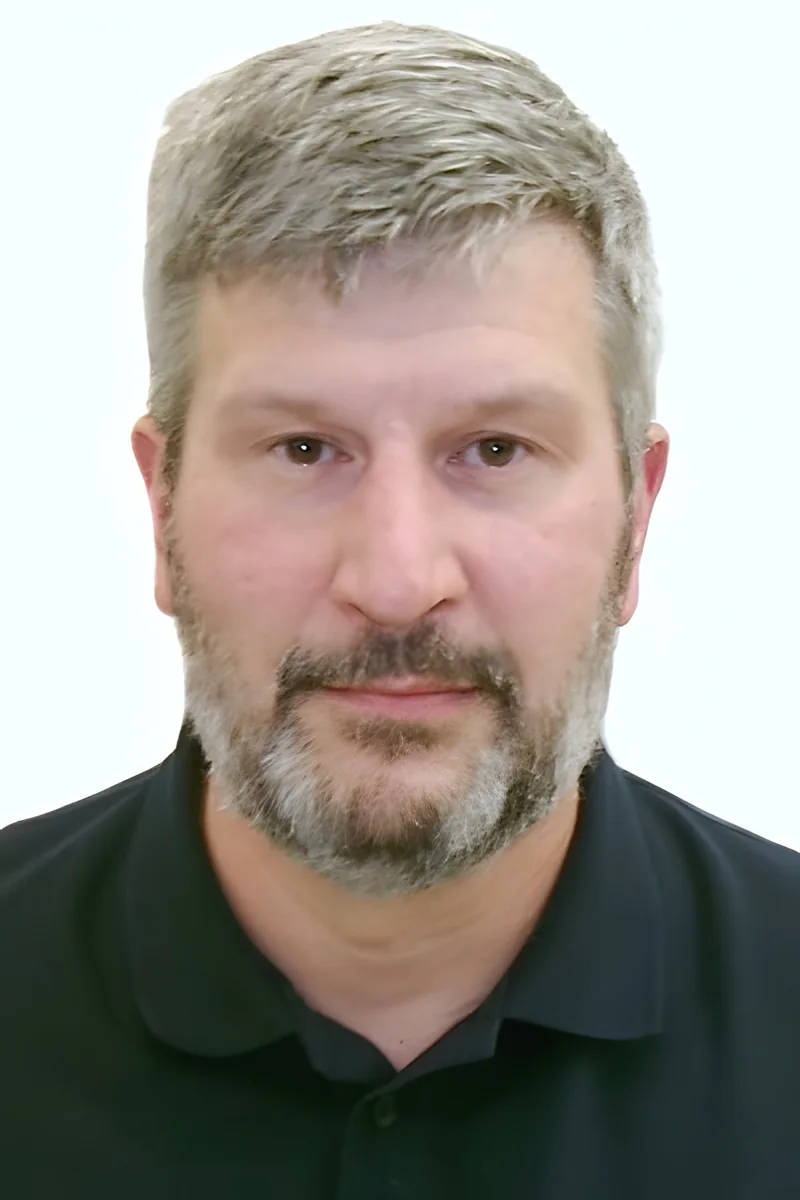
Carbon-carbon bond formation is something Chris calls "molecular Legos" — and he's been building with them professionally since his undergraduate research synthesizing novel organic molecules for pharmaceutical applications. His PhD from the University of Chicago centered on palladium-catalyzed reactions and heterocyclic ligand design, giving him a mechanistic fluency that makes arrow-pushing, stereochemistry, and multi-step synthesis feel intuitive rather than abstract. He walks through each reaction the way he'd solve it at the bench, connecting textbook mechanisms to how real molecules actually behave.
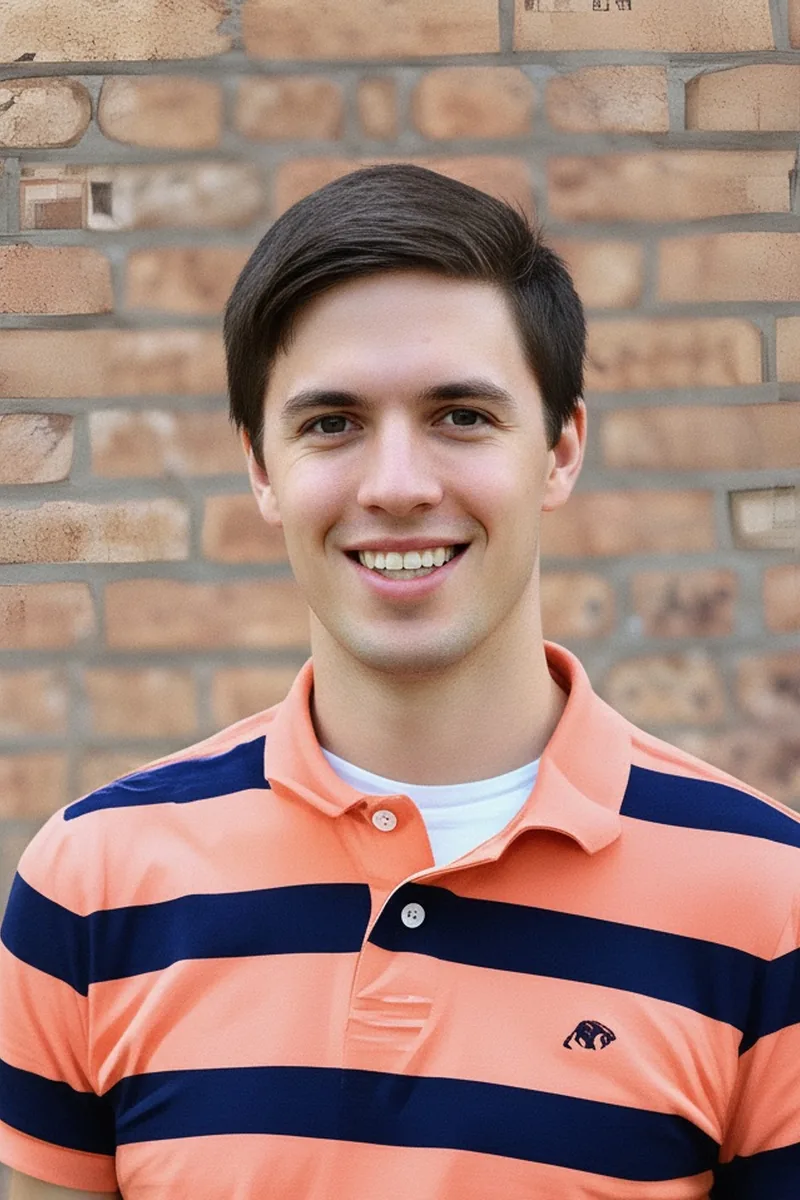
Reaction mechanisms are the language of organic chemistry, and Troy spent two semesters teaching that language as an organic chemistry TA. He walks students through arrow-pushing, stereochemical outcomes, and retrosynthetic analysis by emphasizing the handful of recurring electronic patterns that make hundreds of reactions predictable rather than random.
As an MD/PhD student at Northwestern doing doctoral research in organic synthesis, Austin lives in the world of reaction design — figuring out which bonds to form, which protecting groups to use, and why one retrosynthetic route beats another. That daily immersion means he teaches mechanisms and stereochemistry with the fluency of someone who actually builds molecules, not just someone who once passed the course.
Studying chemistry at Harvard while preparing for Columbia Medical School means James has worked through organic chemistry from both the academic and pre-med sides — understanding mechanisms deeply enough to satisfy a chemistry major, and efficiently enough to apply them in biochemistry and pharmacology contexts. He's particularly strong at teaching students how to predict reaction outcomes by analyzing charge stability and leaving group trends rather than treating each transformation as a new thing to memorize. Rated 4.9 by students.
Reaction mechanisms are the language of organic chemistry, and most students struggle because they try to memorize arrows instead of understanding electron flow. Abrahim unpacks each mechanism — SN1 vs. SN2, E1 vs. E2, electrophilic aromatic substitution — by starting with nucleophilicity, sterics, and leaving-group ability so the logic drives the arrow-pushing rather than the other way around. His 5.0 rating speaks to how well that approach clicks.
David is earning his PhD in organic chemistry at Northwestern, where he teaches undergraduate orgo labs and recitations and has co-written exam questions for the department. That means he knows exactly which reaction mechanisms, stereochemistry problems, and retrosynthesis challenges professors test — and how to break them down so the logic clicks. Rated 5.0 by students, he ties each mechanism to real-world applications that make the material stick.
Currently majoring in chemistry at MIT, Nicholas is immersed in the reaction logic and electron-pushing that organic chemistry demands — and he's learning it at a program known for its rigorous mechanistic approach. He breaks down topics like nucleophilic additions and stereochemical outcomes by connecting them to the underlying thermodynamic and kinetic reasoning, making unfamiliar transformations feel predictable rather than random. Rated 5.0 by students.
Reaction mechanisms are the language of organic chemistry, and David treats them that way — once a student can read electron flow through curved arrows, predicting products for substitution, elimination, and addition reactions becomes systematic rather than overwhelming. His Yale neuroscience training required two semesters of organic chemistry, and he still uses those fundamentals daily in his bioethics graduate work.
Most students dread organic chemistry because it feels like a new language, but the logic underneath reaction mechanisms is surprisingly consistent once someone lays it out clearly. Ade approaches each reaction type — substitution, elimination, addition — by teaching students to read electron movement and predict products rather than memorize hundreds of individual reactions.
Reaction mechanisms in organic chemistry are less about memorizing hundreds of arrows and more about recognizing a handful of recurring patterns — nucleophilic attacks, leaving group stability, and electron density shifts. Aidan studied organic chemistry as part of Notre Dame's premed track and teaches students to predict products by understanding why electrons move, not just where.
Reaction mechanisms in organic chemistry demand the same kind of pattern recognition Seong uses in her neuroscience coursework at Northwestern — tracking electron movement, predicting intermediates, and understanding why one pathway dominates over another. She unpacks arrow-pushing notation by tying each step to underlying principles of nucleophilicity and sterics, so students can reason through unfamiliar reactions on exams instead of relying on rote memorization.
Working in a cancer biology research lab means Yasheen encounters the organic chemistry behind drug design and molecular signaling every day — not as textbook problems, but as real questions about how functional groups determine a molecule's behavior in living systems. She connects that bench-level intuition to the arrow-pushing, stereochemistry, and carbonyl reactivity students need to master in their orgo courses. Rated 5.0 by students.
Being on the pre-med track at Northwestern while studying both biology and chemistry means Kade is taking organic chemistry alongside the same students he tutors — he knows which professors emphasize what, which problem sets are brutal, and where the common mistakes hide in topics like stereochemistry and acyl substitution. That proximity to the material gives him a practical, recently-tested understanding of how to break down multi-step synthesis problems into manageable pieces.
Most organic chemistry struggles come down to not recognizing patterns — why a nucleophile attacks here and not there, or how electron-pushing arrows predict a product. Eric's graduate training in chemistry means he teaches reaction mechanisms as a connected framework of electronic and steric principles rather than a list of isolated reactions. Students rated him 5.0.
Testimonials
Because the right Organic Chemistry tutor makes all the difference.
Average Session Rating – Based on 3.4M Learner Ratings
Practice Organic Chemistry
Free practice tests, flashcards, and AI tutoring for Organic Chemistry
Nearby Organic Chemistry Tutors
Other Louisville Tutors
Related Science Tutors in Louisville
Frequently Asked Questions
Organic Chemistry is notoriously challenging because it requires both memorizing reaction mechanisms and understanding the underlying logic of why reactions occur. Many students struggle with visualizing 3D molecular structures, tracking electron movement through complex mechanisms, and applying concepts to new problems they haven't seen before. A tutor can help you move beyond memorization to develop the conceptual understanding that makes organic chemistry click—transforming it from a subject of endless reactions to memorize into a logical system you can actually reason through.
During your first session, a tutor will assess your current understanding of foundational concepts like molecular structure, bonding, and acid-base chemistry to identify knowledge gaps. They'll ask about your specific challenges—whether it's reaction mechanisms, synthesis problems, or exam preparation—and learn about your learning style and goals. From there, they'll create a personalized plan to address your weaknesses and build confidence, often starting with visual models and real-world examples to make abstract concepts more concrete.
Reaction mechanisms are the heart of organic chemistry, and understanding them requires visualizing electron movement and predicting outcomes based on molecular properties. Tutors use interactive tools, 3D models, and step-by-step walkthroughs to help you see how electrons move, why certain bonds break, and how products form. Rather than memorizing each mechanism, you'll learn to recognize patterns—nucleophiles, electrophiles, stability—so you can predict and explain reactions you've never encountered before.
Synthesis problems require working backwards from a target molecule to identify the best reaction sequence—a skill that takes practice and strategic thinking. Tutors help you develop a systematic approach: breaking down target molecules into simpler pieces, recognizing functional groups, and selecting appropriate reactions based on their conditions and selectivity. With personalized practice and feedback on your reasoning, you'll build the problem-solving skills to tackle increasingly complex synthesis challenges on exams and in the lab.
Organic chemistry lab is where theory becomes reality—you see reactions happen, observe product formation, and troubleshoot when things don't go as planned. Tutors can help you understand the 'why' behind lab procedures: why you use specific solvents, how reaction conditions affect outcomes, and how to interpret results. This connection deepens your conceptual understanding and makes you a more effective lab student, able to predict results and adapt techniques when needed.
Ideally, starting 4-6 weeks before a major exam gives you time to build understanding of core concepts and practice problem-solving without cramming. However, even a few weeks of focused tutoring can significantly boost your performance by targeting your specific weak areas and teaching you effective exam strategies. The key is consistent, strategic preparation—tutors help you identify which topics need the most attention and create a study plan that maximizes your improvement.
Look for tutors with strong chemistry backgrounds—ideally a degree in chemistry, biochemistry, or a related field, plus demonstrated teaching experience. Many excellent organic chemistry tutors have completed advanced coursework or research in organic chemistry, and some have lab experience that helps them connect concepts to real-world applications. Varsity Tutors connects you with tutors who have both the expertise and the ability to explain complex concepts clearly, so you can learn from someone who truly understands the subject.
Group study and lecture review are helpful, but they can't adapt to your specific learning style or address your individual gaps. With personalized 1-on-1 instruction, a tutor focuses entirely on you—pacing lessons to your speed, using explanations that match how you learn best, and targeting the exact concepts holding you back. This individualized approach is especially powerful in organic chemistry, where understanding often requires seeing concepts explained multiple ways until they click.
Let’s find your perfect tutor
Answer a few quick questions. We’ll recommend the right plan and match you with a top 5% tutor.