Award-Winning Cell Biology
Tutors
Cell Biology
Tutors
Private 1-on-1 tutoring, weekly live classes for academic support, test prep & enrichment, practice tests and diagnostics, and more to elevate grades and test scores.
Based on 3.4M Learner Ratings
UniversitiesSchools & Universities
DeliveredHours Delivered
ProficiencyGrowth in Proficiency
Who needs tutoring?
No obligation. Takes ~1 minute.
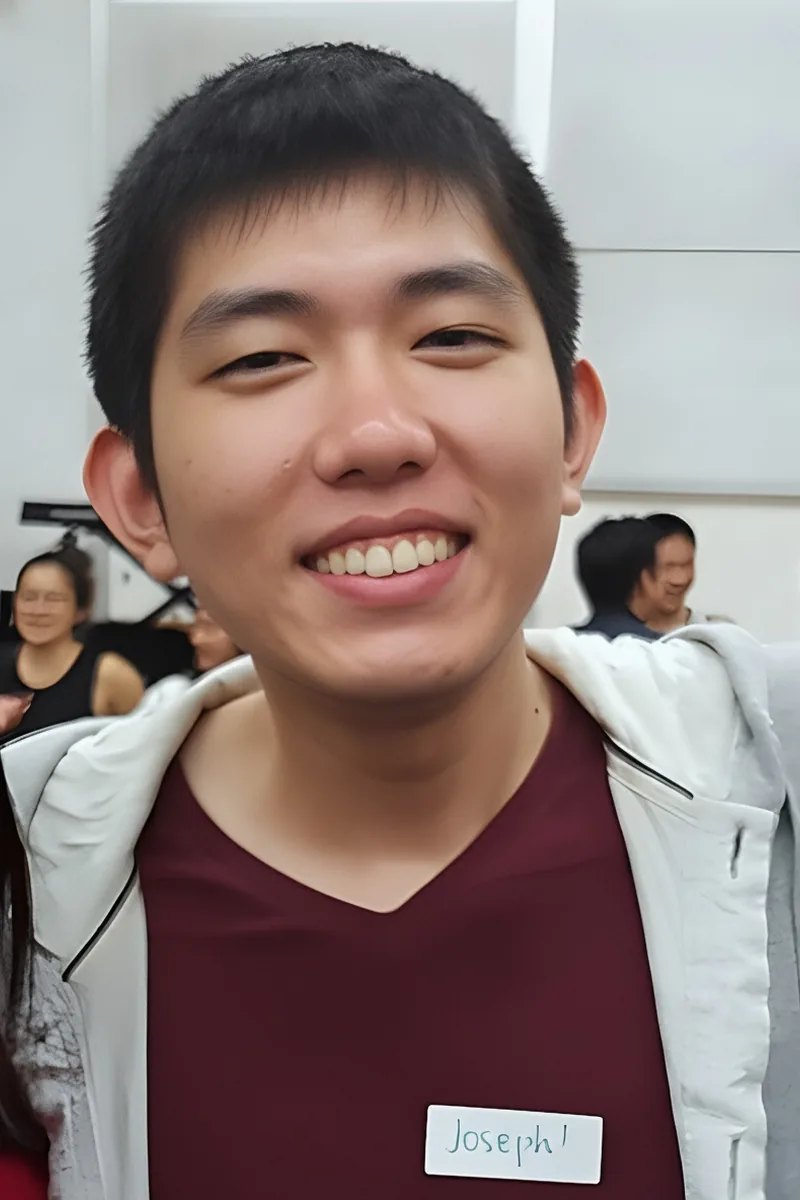
Studying cell biology at UCLA and then diving into public health at Yale gave Joseph a layered understanding of how cellular processes — membrane transport, mitotic checkpoints, signal transduction — connect to human disease. He unpacks dense topics like the endomembrane system or ATP synthesis by walking through each pathway visually, so students can reconstruct the logic on an exam rather than relying on rote recall.
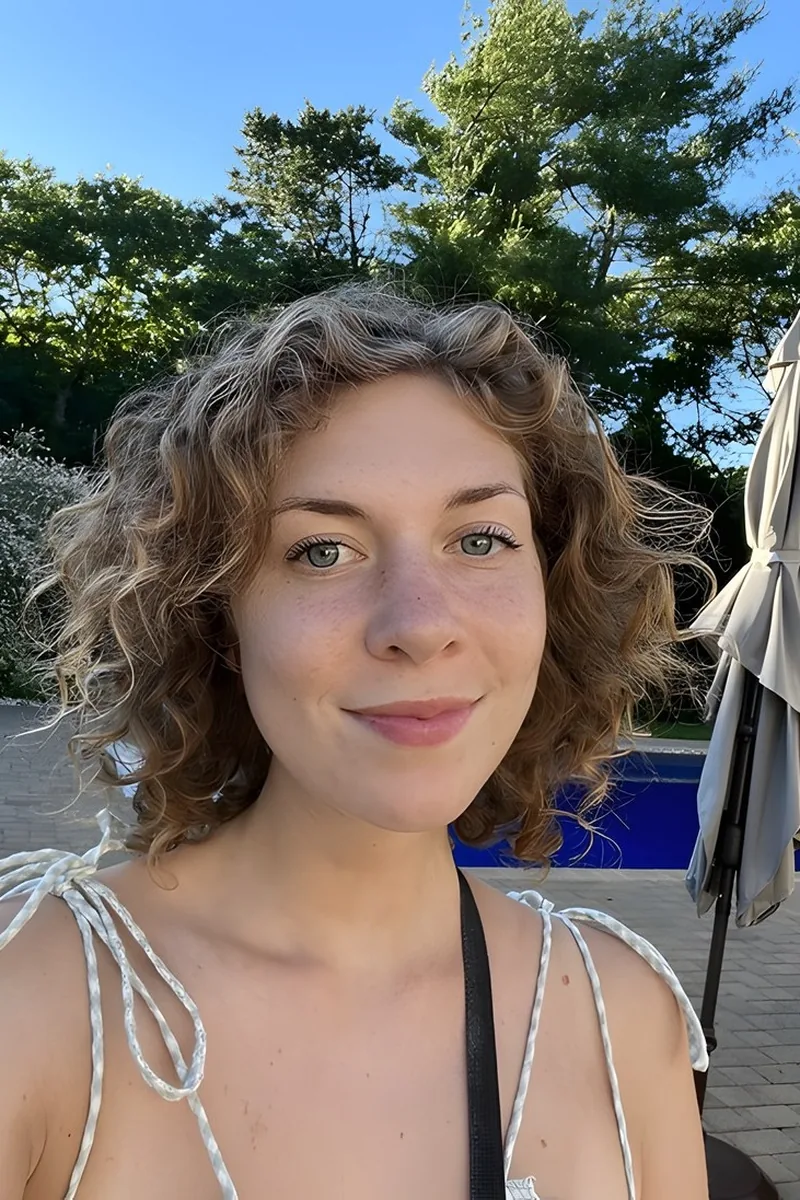
From the mechanics of mitosis to the signaling cascades that control apoptosis, cell biology demands that students hold dozens of interconnected processes in their heads at once. Zosia studied biology and chemistry at Yale, where she built the kind of deep molecular-level understanding that makes organelle function and membrane transport intuitive rather than overwhelming.
From the mechanics of mitosis to the signaling cascades that regulate apoptosis, cell biology is dense with interconnected processes that reward visual, systematic thinking. Sam's biomedical sciences certificate gave him deep exposure to cellular physiology, membrane transport, and gene expression pathways — the exact material that dominates most undergraduate cell bio exams. He connects each organelle and pathway to a bigger physiological story, which makes the details far easier to retain.
After studying biochemistry and cell biology at Rice and continuing into medical school at Baylor, Sugi has spent years immersed in the mechanics of cellular processes — membrane transport, signal transduction, the cell cycle, and organelle function. She unpacks dense diagrams and pathway maps into clear cause-and-effect chains that make exam prep far more efficient. Rated 5.0 by students.
Duke's Cell and Molecular Biology concentration meant Emily spent semesters dissecting processes like intracellular signaling, gene regulation, and protein sorting at a level most undergrad bio majors never reach — and her current Columbia medical training keeps reinforcing those details in clinical contexts. She teaches the "why" behind each cellular mechanism, connecting how a lysosome's acidic environment or the rough ER's ribosome-studded surface directly explains what that organelle accomplishes. Rated 5.0 by students.
Matthew's Human Biology degree from Stanford, with its concentration in Bioinformatics and Stem Cell Science, means he spent years studying cells not just as textbook diagrams but as data — analyzing gene expression patterns, modeling differentiation pathways, and understanding how stem cells decide their fate at the molecular level. That computational angle gives him a distinctive way of explaining processes like transcription regulation or cell signaling: he breaks them into logical, step-by-step sequences that mirror how bioinformatics pipelines actually process cellular data. Rated 4.9 by students.
Studying neurobiology at Penn means Emily lives inside cell biology — membrane transport, signal transduction, organelle function, and the molecular machinery that keeps cells alive. She unpacks dense topics like the endomembrane system and mitochondrial ATP synthesis by walking through each step visually rather than expecting students to memorize flowcharts. That hands-on familiarity with the material makes a real difference.
Understanding the cell means juggling dozens of interconnected processes — membrane transport, signal transduction, the cell cycle, gene expression — and knowing how disrupting one pathway cascades through the rest. Abrahim earned his biology degree from UCLA and is currently completing his M.D., so he teaches cell biology with the depth of someone who uses these concepts clinically. He unpacks mechanisms like mitotic checkpoints and receptor-mediated endocytosis with clear diagrams and real pathology examples that make the material stick.
Todd earned his biology degree at UIUC, where cell biology was central to his coursework — membrane transport, the endomembrane system, mitosis, and cellular respiration. He teaches these topics by walking through each process as a story with cause and effect, which makes dense material like signal transduction pathways far easier to retain.
Maxwell literally studies cells for a living — his research at Yale examines stem cell behavior and gene expression in planarian organisms. That hands-on lab experience means he can unpack topics like membrane transport, the cell cycle, and signal transduction pathways with real experimental examples rather than textbook diagrams alone.
Studying the biological basis of behavior means understanding cells from the inside out — membrane transport, signal transduction, how ion channels drive neural impulses. Ruthie digs into these molecular mechanisms with students who need to move beyond labeling diagrams and actually grasp how organelles, proteins, and pathways interact at the cellular level.
A PhD and a molecular biology degree mean Andrew has spent years thinking about what happens inside cells at the level of gene regulation, protein synthesis, and intracellular signaling — not as abstract diagrams but as interconnected molecular events. He unpacks topics like the endomembrane system or DNA replication by grounding each step in the underlying chemistry, which makes exam questions feel like puzzles rather than memory tests. Rated 4.8 by students.
Heather's quantitative methods minor at Vanderbilt isn't the obvious cell biology credential — but it trained her to read data tables, interpret experimental results, and think systematically about biological processes like cellular respiration or membrane transport. That analytical mindset is surprisingly useful when students need to move past memorizing diagrams and start reasoning through how and why a cell behaves the way it does.
From the cell cycle to membrane transport to organelle function, cell biology demands that students hold dozens of interconnected processes in their heads at once. Kruti's genetics and genomics concentration at Northwestern meant she spent years tracing how signals move through and between cells — and her medical training layered on the clinical relevance of when those processes go wrong. She unpacks each pathway visually so students can reconstruct it on an exam without rote memorization.
From the citric acid cycle to mitotic spindle assembly, cell biology demands that students hold dozens of interconnected pathways in their heads at once. Amanda dissects these systems using the clinical and molecular lens she developed across her biology degree and four years of medical school. She's particularly sharp on membrane transport, cell signaling cascades, and the molecular genetics underlying cell division — topics that show up heavily on both college exams and the MCAT.
Membrane transport, the cell cycle, and signal transduction cascades are the backbone of cell biology — and they're exactly what Rithi studied in depth during her neuroscience and biotechnology training. Now a medical student at Robert Wood Johnson, she teaches these processes by linking molecular details to bigger physiological outcomes, which makes dense pathway diagrams far easier to retain.
Michelle's doctoral research on bacterial infections required deep knowledge of cell signaling pathways, membrane transport, and the mechanics of how cells interact with foreign nanoparticles. That bench-level familiarity means she can unpack topics like the endomembrane system or mitotic checkpoints with real experimental context behind them. Rated 5.0 by students.
Membrane transport, the cell cycle, signal transduction — cell biology is dense with interconnected processes that reward understanding over rote memorization. Daniel studied these pathways extensively during his biology degree at Wheaton College and again at a deeper level in medical school at Penn. He unpacks each mechanism by tracing molecules step by step, so students can reconstruct pathways from logic rather than flashcards.
Earning a biology degree with distinction from Duke meant Lenique spent serious time inside the cell — membrane transport, mitotic checkpoints, signal transduction, organelle function. She unpacks these molecular-level processes by connecting structure to function, so students understand not just what a ribosome does but why its architecture makes that job possible.
Membrane transport, mitosis, signal transduction — cell biology is the foundation Janet built on throughout medical school, and she still thinks in terms of cellular mechanisms when studying disease. She unpacks each process visually, walking through what's happening at the organelle level so students can reason through exam questions instead of relying on rote recall.
From the mechanics of mitosis to the signaling cascades that govern apoptosis, cell biology demands that students think in layers — molecular, structural, and systemic all at once. Emmanuel spent time in a genome editing lab at Rice where cellular processes weren't just textbook diagrams but daily experimental realities, and that hands-on context shapes how he teaches organelle function, membrane transport, and the cell cycle.
Rashida earned her PhD in Cellular and Molecular Biology, which means topics like signal transduction, membrane transport, and the cell cycle aren't textbook abstractions for her — they're the material she researched and taught for years. She builds each session around the specific pathways and mechanisms students are struggling with, connecting molecular details to the bigger picture of how cells function.
From mitosis and meiosis to membrane transport and signal transduction, Saloni digs into cellular processes with the depth her own biology degree and dental training demanded. She teaches students to trace a pathway step by step — understanding why each protein or organelle matters — so exam questions feel like logical puzzles instead of memorization marathons.
Respiratory therapy training gave Emmanuel a working knowledge of how cells behave under stress — oxygen deprivation, acid-base imbalance, inflammatory cascades — which grounds his cell biology teaching in real clinical scenarios rather than abstract diagrams. His PA studies at Duke deepened that foundation into areas like cellular signaling and tissue-level responses, so he can trace a process like oxidative phosphorylation from the mitochondrial membrane all the way to a patient's bedside. Rated 5.0 by students.
A master's degree in chemistry gives Madhura an unusual edge in cell biology: she explains processes like the electron transport chain, enzyme kinetics, and membrane transport at the molecular level, not just as labeled diagrams to memorize. Students come away understanding why a proton gradient drives ATP synthesis or how signal transduction actually propagates through a cell.
Understanding cell biology means keeping dozens of interconnected processes straight — membrane transport, the cell cycle, signal transduction, organelle function. Mona's pharmaceutical sciences background required deep fluency in how cells behave at the molecular level, especially how drugs interact with receptors and cross membranes. She breaks those pathways into logical sequences that are far easier to retain.
Kelsey earned her B.S. in Cellular and Molecular Biology, which means topics like mitosis regulation, membrane transport, and signal transduction pathways aren't textbook abstractions for her — they're the core of her training. She unpacks cell biology by connecting each organelle and process to a bigger functional picture, so students retain mechanisms instead of just vocabulary.
From mitosis checkpoints to membrane transport mechanisms, cell biology demands that students hold dozens of interconnected processes in their heads at once. Marilyn's dual biology degrees and hands-on lab background mean she can walk through something like the endomembrane system or signal transduction and explain how each piece feeds into the next. She's rated 5.0 by her students.
Studying malaria parasite phenotypes during her master's work at Notre Dame meant Haley spent years thinking at the cellular level — signal transduction, membrane transport, organelle function, the cell cycle. She unpacks these processes by tying molecular details to the bigger picture of what a cell is actually trying to accomplish, which makes dense material far easier to retain.
Leah earned her degree in molecular and cellular biology from Johns Hopkins and went on to physician assistant training, which means she's studied cell biology from both the research bench and the clinical side. She digs into topics like the cell cycle, membrane transport, and organelle function by connecting structure to purpose — why a mitochondrion looks the way it does matters for understanding what it actually does. That dual perspective makes dense material click faster.
As a medical student at the University of Michigan, Ruth deals with cellular processes daily — membrane transport, mitosis, signal transduction, and organelle function are concepts she doesn't just teach but actively uses. She connects cell biology topics to real clinical scenarios, which makes abstract diagrams of the endomembrane system or the cell cycle feel concrete and memorable.
Studying chemical-biological engineering meant Kristen spent serious time with membrane transport, signal transduction pathways, and the molecular machinery inside cells — not as abstract diagrams but as systems she had to model quantitatively. She teaches Cell Biology by linking structure to function at every level, from organelle roles to the mechanics of mitosis and protein trafficking.
Robin's biology degree and medical training mean she's studied cell biology from both the research bench and the clinical side — membrane transport, mitotic regulation, signal transduction, all of it. She unpacks dense topics like the endomembrane system and cell cycle checkpoints by linking molecular details to what actually happens in living tissue. Students walk away understanding the cell as a dynamic system, not a labeled diagram.
Studying neuroscience at the University of Chicago means Gabriela lives in cell biology daily — membrane transport, signal transduction, mitosis, and the molecular machinery that drives it all. She unpacks dense topics like the endomembrane system and cellular respiration pathways by linking each organelle's function to a bigger story about how cells survive and communicate.
Understanding cell biology means keeping dozens of organelles, pathways, and membrane dynamics straight while also seeing how they interact as a system. Katelyn's molecular biology and genetics background lets her connect topics like the endomembrane system, mitosis, and signal transduction into a coherent story rather than a list of disconnected facts. She's particularly effective at teaching students to interpret diagrams and experimental results, not just label structures.
Chemical engineering coursework at the graduate level means Madeline has worked through cellular processes like membrane transport and metabolic pathway regulation with a quantitative rigor that most biology-only students never encounter. She teaches cell biology by connecting the engineering principles — mass balance, thermodynamics, reaction kinetics — to what's actually happening inside a cell, which gives students a framework for reasoning through unfamiliar exam questions instead of relying on memorization. Rated 5.0 by students.
Developmental biology coursework at UNC Chapel Hill gave Isabel a working understanding of how cells differentiate, divide, and communicate — processes like the cell cycle and signal transduction that form the backbone of any cell biology course. She teaches these topics by connecting each step to what's actually happening during embryonic development, which gives students a narrative to follow instead of a disconnected list of terms.
Aleksandar's concentration in Molecular and Cell Biology at Penn means cell bio isn't a textbook subject for him — it's the core of his training. He digs into the details that matter most, from membrane transport mechanisms and signal transduction cascades to the cell cycle checkpoints that show up on every exam. Students walk away understanding how organelles function as an integrated system, not just a list of vocabulary terms.
From membrane transport to the stages of mitosis, cell biology demands that students hold dozens of interconnected processes in their heads at once. Marjorie earned her biology degree studying exactly these systems and breaks down cellular respiration pathways and signaling cascades into cause-and-effect chains that are far easier to retain. Rated 5.0 by students.
Understanding the cell means keeping dozens of moving parts straight — membrane transport, organelle function, the cell cycle, signal transduction — and seeing how they interact as a system. Mitchell's neuroscience degree required deep work in cellular mechanisms, from ion channel behavior to synaptic vesicle trafficking, so he teaches cell biology with that level of molecular detail.
Testimonials
Because the right Cell Biology tutor makes all the difference.
Average Session Rating – Based on 3.4M Learner Ratings
Top 20 Science Subjects


Top 20 Subjects
Frequently Asked Questions
Students often find cellular respiration and photosynthesis challenging because they require understanding both the overall process and the intricate details of each stage—glycolysis, the Krebs cycle, the electron transport chain, and the light and dark reactions. Another common struggle is grasping how organelles function as interconnected systems rather than isolated structures, particularly understanding protein synthesis across the ribosome, rough ER, and Golgi apparatus. Additionally, students frequently underestimate the complexity of cell signaling and membrane transport mechanisms, which involve multiple steps and require visualizing molecular interactions at a scale they can't see.
Tutors use multiple strategies to make microscopic processes tangible: breaking down complex pathways into step-by-step diagrams, using analogies (like comparing the Golgi apparatus to a post office), and working through practice problems that require you to trace molecules through different cellular compartments. Many tutors also encourage drawing and labeling diagrams yourself, which forces you to actively engage with the spatial relationships and transformations happening inside the cell. This combination of visual representation, analogy, and hands-on practice helps cement your understanding far better than memorizing facts alone.
A strong Cell Biology tutor helps you understand the 'why' behind experimental procedures—why you're using specific stains, centrifugation techniques, or microscopy methods—rather than just following steps. They can explain how lab observations (like seeing organelles under an electron microscope or measuring enzyme activity) connect to the theoretical concepts you're learning, and help you interpret data by understanding the underlying cellular mechanisms at work. This bridges the gap between classroom learning and hands-on science, making both more meaningful and helping you develop genuine scientific reasoning skills.
Rather than drilling facts, tutors focus on building conceptual frameworks—for example, helping you understand that ATP is the universal energy currency, then showing how that principle applies across photosynthesis, cellular respiration, and active transport. They ask probing questions that force you to explain processes in your own words, predict what would happen if conditions changed, and connect new topics to concepts you've already mastered. This approach means you retain information longer and can apply it to unfamiliar problems on exams, rather than forgetting isolated facts after the test.
Tutors typically break these pathways into manageable chunks rather than trying to memorize the entire cycle at once—starting with the overall purpose (extracting energy from glucose), then understanding the inputs and outputs of each stage, and finally learning the intermediate molecules and enzyme names. They help you recognize patterns (like where carbon atoms go, where energy is captured) rather than treating each step as isolated. Many tutors also recommend creating your own annotated diagrams and practicing tracing specific molecules through the pathway, which builds genuine understanding and makes the details stick naturally.
Cell Biology involves understanding not just individual organelles, but how they communicate and coordinate—for instance, how the nucleus signals the ribosome to make proteins, how the rough ER and Golgi work in sequence, or how mitochondria respond to cellular energy demands. Tutors use systems-thinking approaches, often creating flow diagrams that show information and material flow between compartments, and asking you to predict how disrupting one organelle would affect others. This interconnected view helps you see the cell as a functioning organism rather than a collection of separate parts, which is essential for mastering advanced topics like cell signaling and differentiation.
Effective exam prep goes beyond reviewing notes—tutors help you practice applying concepts to new scenarios, work through past exam questions to identify patterns in what's tested, and pinpoint your specific weak spots (whether that's understanding mitosis versus meiosis, or grasping the details of photosynthesis). They also help you develop strategies for tackling diagram-heavy questions and multi-step problems that require integrating several concepts. Starting prep 2-3 weeks before an exam allows time to build true understanding rather than cramming, and tutors can adjust their focus based on what your instructor emphasizes.
Look for tutors with a strong background in biology (ideally a degree in biology, biochemistry, or a related field) who have experience explaining cellular processes clearly and can work at multiple levels—whether you're in high school AP Biology, college introductory biology, or an advanced Cell Biology course. The best tutors have experience with both the conceptual side and the practical side, including lab techniques and data interpretation. They should also be skilled at diagnosing exactly where your understanding breaks down and adjusting their explanations accordingly, rather than using a one-size-fits-all approach.
Let’s find your perfect tutor
Answer a few quick questions. We’ll recommend the right plan and match you with a top 5% tutor.