Award-Winning Statistics Tutors
serving Madison, WI
Statistics
Tutors in Madison
Private 1-on-1 tutoring, weekly live classes for academic support, test prep & enrichment, practice tests and diagnostics, and more to elevate grades and test scores.
Based on 3.4M Learner Ratings
UniversitiesSchools & Universities
DeliveredHours Delivered
ProficiencyGrowth in Proficiency
Who needs tutoring?
No obligation. Takes ~1 minute.
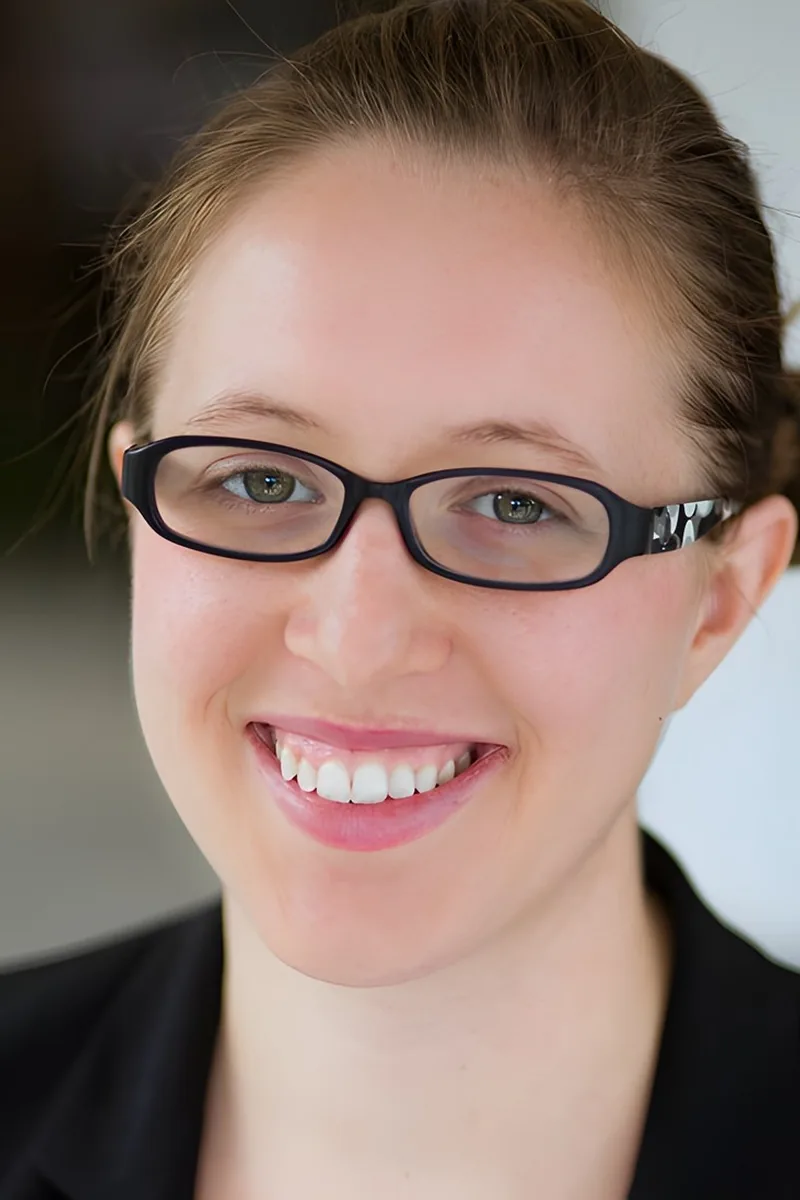
Most students walk into statistics expecting another math class and get blindsided by the emphasis on interpretation — explaining what a confidence interval actually means, or why correlation isn't causation. Amber tackles that interpretive layer head-on, teaching students to read context before crunching numbers. Her theater background gives her a knack for making abstract concepts like probability distributions feel concrete and memorable.
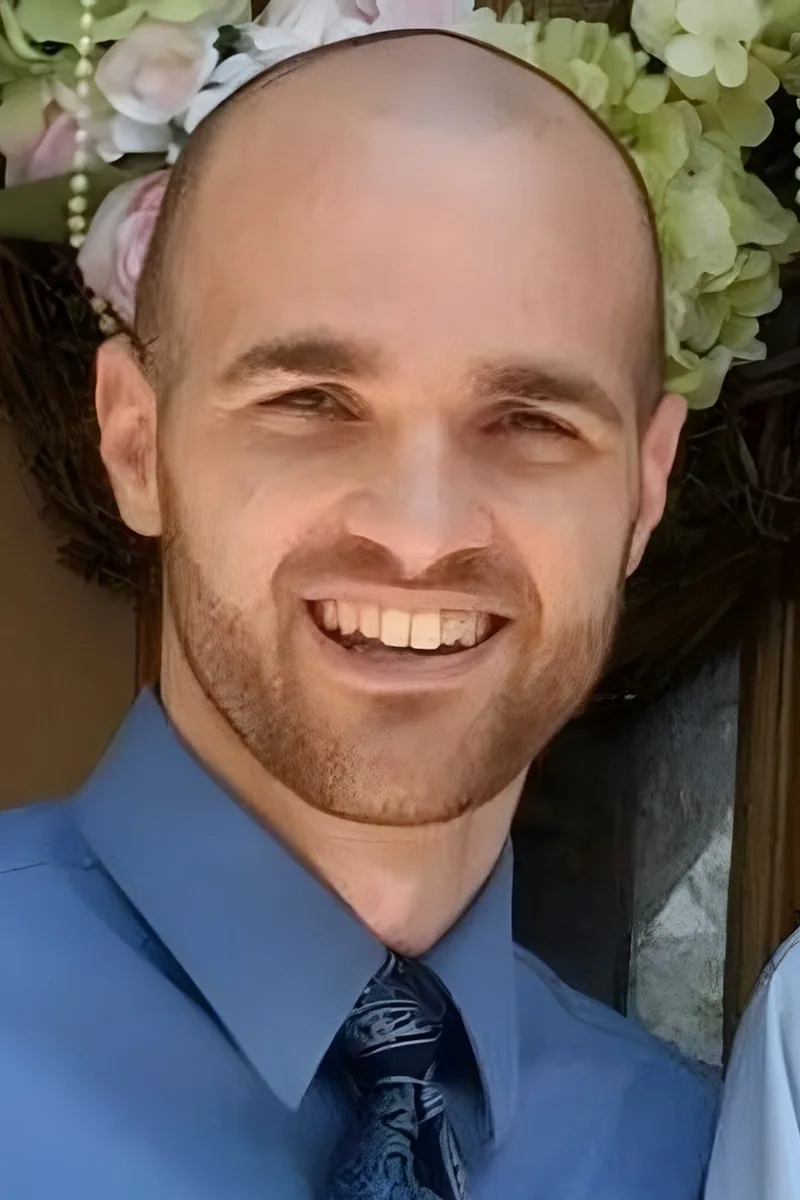
Standard deviation, confidence intervals, and p-values all describe the same underlying question — how much should we trust a pattern in data? — but textbooks rarely make that thread explicit. Aaron, who holds a PhD in mathematics and teaches statistics at the graduate level as well, connects the formulas to the probability theory underneath them so students can interpret results, not just compute them.
Probability distributions, regression analysis, and hypothesis testing all click faster when someone can explain the intuition behind the formulas. Connor is completing a double major in Applied Math and Finance at UW-Madison, so he regularly applies statistical reasoning to real datasets — and brings that practical fluency into every session. He holds a 5.0 rating from students.
Reading a dataset and knowing what story it tells — mean vs. median, standard deviation, probability distributions — requires a different kind of math thinking than most students are used to. Breanna's graduate-level research training gave her hands-on experience with statistical analysis, and she breaks down each concept using real-world examples that make the numbers meaningful.
Biochemistry lab work generates mountains of data — and Zach's coursework at UW-Madison means he's had to design experiments, run analyses, and make sense of variability in results firsthand. He breaks down concepts like standard deviation and sampling distributions by connecting them to the kinds of messy, real datasets students will actually encounter. Rated 5.0 by students.
Every week in her Industrial and Organizational Psychology program, Almira works with standard deviations, z-scores, and probability distributions to interpret real behavioral data. That daily fluency means she can explain statistical concepts through concrete examples — showing students what a p-value actually tells you, not just how to calculate one.
Megan earned her degree in Mathematics with a focus in Statistics from Washington University in St. Louis, then went deeper into data-driven decision-making during her MBA at UVA Darden — so she's used statistical methods on both the theoretical and applied sides. She unpacks concepts like probability models, variational analysis, and inference by connecting them to the economic and behavioral research questions she's studied across her math, econ, and psychology training. Rated 5.0 by students.
Studying Math/Stats at Carleton College means Thomas doesn't just teach statistics formulas — he understands the theory behind hypothesis testing, confidence intervals, and probability distributions at a level that lets him explain *why* a method works. He's especially sharp at translating word-heavy problems into the correct statistical setup, which is often the hardest part for students. Rated 5.0 by his students.
Psychology research runs on statistics — probability distributions, p-values, ANOVA, correlation versus causation — so Nicole didn't just study these topics in a textbook; she applied them to actual experimental data throughout her honors coursework. That applied lens makes her especially effective at teaching students who need to understand not just how to compute a standard deviation but what it actually tells them.
Studying biology at the college level means living inside datasets — running chi-square tests on genetic crosses, interpreting p-values from lab experiments, and building regression models from field data. That daily immersion in applied statistics gives Jeffry a practical fluency with probability distributions, hypothesis testing, and confidence intervals that pure math coursework alone doesn't provide. Rated 4.9 by students.
Economics training is essentially applied statistics, so Ian brings a practical fluency to concepts like probability distributions, hypothesis testing, and regression analysis. He connects abstract formulas — z-scores, confidence intervals, p-values — to the kind of real data interpretation students will actually encounter in research or business contexts.
Engineering labs at Marquette require Brendan to design experiments, interpret distributions, and run hypothesis tests on real data sets, so he teaches statistics as a decision-making tool rather than a formula sheet. He digs into concepts like standard deviation, regression, and probability with an emphasis on understanding what the numbers actually tell you.
I am currently studying at Northwestern University, on the track to a Bachelor of Arts in Statistics with a double major in Mathematical Methods in the Social Sciences, which is just a fancy way of saying math-based economics, and a minor in Legal Studies as well as Marketing. After my undergraduate studies, I plan on working in consulting for a few years before attending law school. Finally, I hope to combine my law studies with my consulting work to become a well-rounded corporate lawyer. At Northwestern, I provide SAT tutoring to Chicago-area juniors and seniors. In high school, I tutored third through fifth graders in basic reading and writing skills and developed their interpersonal skills through group crafts and teamwork activities. While I am open to tutoring a broad range of subjects and tests, I am most passionate about Math, Statistics, Economics, and US History. In my experience helping students prepare for the SAT, I have found that interactive activities and group work really help! I am a firm believer in the work-hard-play-hard mindset and find it to be absolutely necessary for a balanced lifestyle, and I try to impart this appreciation to all of my students. While I encourage my students to keep up with their studies and work hard, I also believe that studying needs to be balanced out with interests and fun.
An economics degree means Maggie didn't just study statistics in a textbook — she applied distributions, hypothesis testing, and regression analysis to real datasets. She teaches students to interpret what a p-value actually tells them and how to choose the right test for a given scenario, building the kind of statistical intuition that carries through exams and research projects alike.
Understanding when to use a t-test versus a z-test, or why a sampling distribution behaves the way it does, requires more than formula sheets — it takes genuine statistical intuition. Brian built that intuition through his economics coursework at Caltech, where statistical analysis was a daily tool, and he walks students through each concept with concrete data examples.
Understanding statistics means learning to think critically about variability, probability, and what data can actually tell you. Tashina applies statistical methods daily in her PhD research in brain sciences — hypothesis testing, confidence intervals, regression — and she unpacks each concept by connecting it to the kind of real analysis questions that make the material stick.
A neurobiology degree from Harvard meant designing experiments, interpreting data sets, and living inside statistical analysis for four years. Katherine teaches statistics with that research lens — connecting probability distributions, hypothesis testing, and confidence intervals to how they're actually used in published studies. Rated 5.0 by students.
As an economics major at Yale, Conor uses statistical methods constantly — regression analysis, probability distributions, hypothesis testing — so he teaches statistics as a practical toolkit rather than an abstract set of formulas. He's especially sharp at walking through the logic behind concepts like p-values and confidence intervals, which tend to confuse students who try to memorize procedures without understanding what the numbers actually mean.
Running regression analyses, interpreting p-values, and choosing between parametric and nonparametric tests are things Martha does routinely in her social psychology research at Michigan. That hands-on fluency means she can explain not just how to compute a standard deviation or set up a hypothesis test, but why each step matters and what the results actually tell you. Rated 5.0 by students.
Yi's graduate training in research and experimental psychology required heavy use of statistical methods — from hypothesis testing and ANOVA to regression modeling and interpreting p-values in published studies. That hands-on experience with real data analysis means she teaches statistics as a tool for answering questions, not just a set of formulas to memorize.
Probability distributions, hypothesis testing, and confidence intervals make a lot more sense when you've actually used them to analyze real data. Emma applied statistical methods throughout her biology research at Duke — including fieldwork on Hawaiian monk seals — so she teaches stats as a practical tool rather than an abstract formula sheet. Rated 4.9 by students.
Studying Comparative Human Development at the doctoral level means Gabriel has spent years designing studies, interpreting data sets, and running statistical analyses firsthand. He teaches statistics by grounding concepts like probability distributions, hypothesis testing, and regression in real research questions rather than abstract formulas. That practical lens makes the subject click for students who struggle with the textbook approach.
Kaylah's graduate work in Computational Social Science at the University of Chicago is built almost entirely on statistical methods — probability distributions, hypothesis testing, regression modeling, and data interpretation. She teaches statistics the way she actually uses it: starting with what question you're trying to answer, then selecting and applying the right tool. Her background in cognitive neuroscience research means every example she pulls from is grounded in real data.
As a Statistics major at Northwestern, Jake lives in this material daily — regression analysis, probability distributions, confidence intervals, and hypothesis testing are part of his coursework, not just something he once studied for a test. That proximity to the subject means he explains concepts with the kind of fluency that comes from constant use. He holds a 5.0 client rating.
Studying Philosophy, Politics, and Economics at Penn means Kevin encounters statistics not as an abstract math course but as a tool for answering real questions — polling reliability, economic trends, policy evaluation. He unpacks topics like probability distributions, hypothesis testing, and regression with that applied lens. Students come away understanding not just how to compute a standard deviation but what it actually tells them.
Testimonials
Because the right Statistics tutor makes all the difference.
Average Session Rating – Based on 3.4M Learner Ratings
Practice Statistics
Free practice tests, flashcards, and AI tutoring for Statistics
Nearby Statistics Tutors
Other Madison Tutors
Related Math Tutors in Madison
Frequently Asked Questions
Statistics requires both conceptual understanding and practical application—students often struggle with interpreting what statistical measures actually mean rather than just calculating them. Common pain points include understanding probability concepts, designing proper experiments, interpreting graphs and data sets, and translating real-world problems into statistical language. Personalized tutoring helps students move beyond memorizing formulas to truly grasping why we use specific statistical methods and when they apply.
Your first session is about understanding where you are and where you want to go. A tutor will assess your current comfort level with foundational concepts like data types, distributions, and basic probability, identify specific topics causing confusion, and learn about your learning style. This helps create a personalized plan that targets your exact needs, whether that's AP Statistics preparation, college-level coursework, or building confidence with hypothesis testing.
Statistics is fundamentally about understanding patterns and drawing meaningful conclusions from data—not just plugging numbers into formulas. Expert tutors help you see the bigger picture by connecting individual concepts (like standard deviation or confidence intervals) to the larger statistical framework. Through guided problem-solving and real-world examples, you'll develop intuition for why certain methods work, which builds lasting understanding and makes new topics easier to learn.
Word problems require translating English into statistical language—identifying what data you have, what you're trying to find, and which statistical method applies. Tutors teach you a systematic approach: breaking down the problem, identifying key information, choosing the right test or method, and interpreting your results in context. With practice and guidance, you'll develop problem-solving strategies that work across different scenarios, building confidence and accuracy.
Yes. Madison's 6 school districts and 87 schools use different textbooks and approaches to teaching Statistics, and Varsity Tutors connects you with tutors experienced in various curricula—whether you're using OpenStax, Pearson, or your district's specific materials. Tutors can align their instruction with your classroom approach, reinforce what you're learning in class, and help bridge any gaps between how your teacher explains concepts and how you understand them best.
Many students feel overwhelmed by Statistics because it combines math skills with interpretation and reasoning—areas where they may lack confidence. One-on-one tutoring creates a judgment-free space to ask questions, work through problems at your own pace, and celebrate small wins. As you understand concepts more deeply and see yourself solving problems successfully, confidence naturally builds, and anxiety decreases.
Absolutely. Whether you're preparing for AP Statistics exams, college placement tests, or introductory college courses, personalized tutoring can help you master the curriculum and develop test-taking strategies. Tutors can focus on high-yield topics, teach you how to interpret exam questions, practice with released exams, and help you manage time during tests—all tailored to your specific goals and timeline.
Getting started is simple: tell us about your Statistics needs, your current level, and your goals. Varsity Tutors will connect you with an expert tutor who matches your learning style and schedule. You can begin with a single session to see if it's a good fit, then continue with regular tutoring that fits your academic calendar—whether that's ongoing support throughout the year or intensive prep before exams.
Let’s find your perfect tutor
Answer a few quick questions. We’ll recommend the right plan and match you with a top 5% tutor.