Award-Winning Elementary Math Tutors
serving Springfield, MA
Elementary Math
Tutors in Springfield
Private 1-on-1 tutoring, weekly live classes for academic support, test prep & enrichment, practice tests and diagnostics, and more to elevate grades and test scores.
Based on 3.4M Learner Ratings
UniversitiesSchools & Universities
DeliveredHours Delivered
ProficiencyGrowth in Proficiency
Who needs tutoring?
No obligation. Takes ~1 minute.

Early math concepts like place value, regrouping, and basic multiplication set the trajectory for everything that comes later. As a certified elementary teacher, Diana builds number sense through hands-on strategies — skip counting patterns, visual models, and mental math shortcuts — that make operations feel intuitive rather than mechanical.
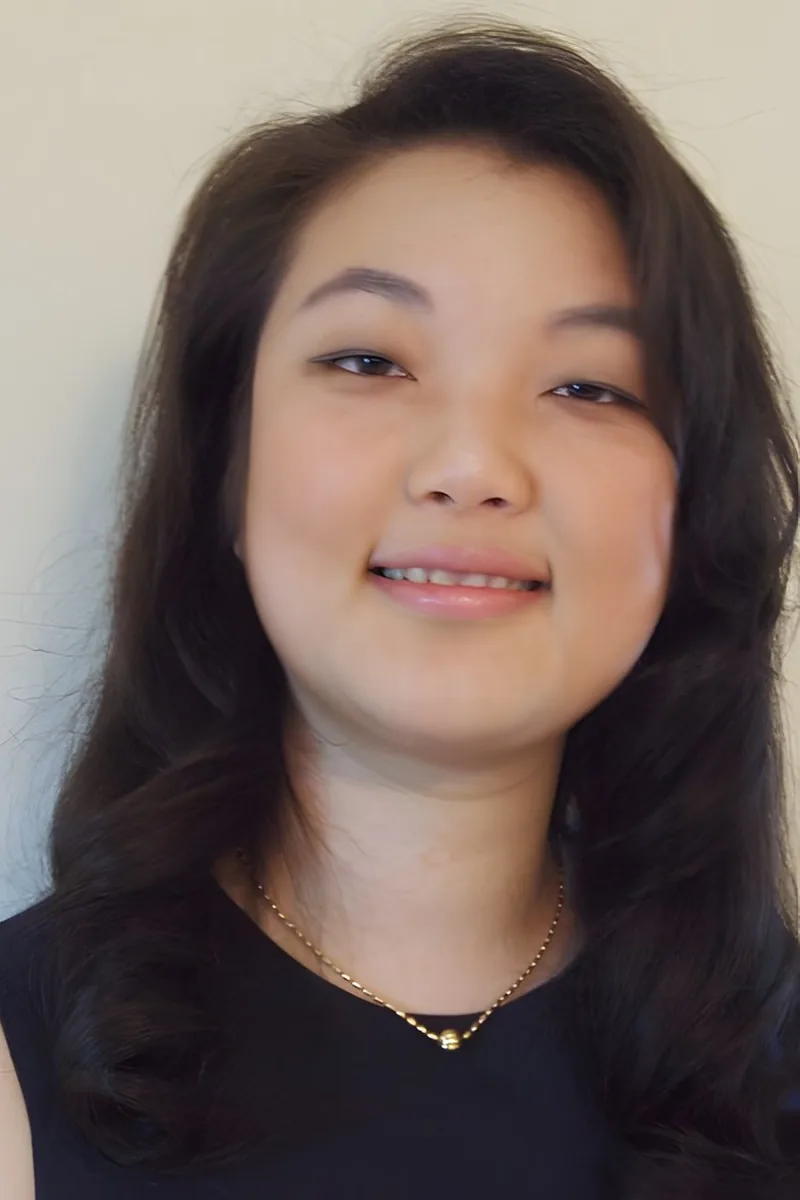
Building number sense early — really understanding place value, basic operations, and how fractions relate to division — changes a student's entire math trajectory. Vania has tutored across every level from elementary through college at MIT, so she knows where young learners' misconceptions tend to hide and how to address them before they compound. She makes math feel like a puzzle worth solving, not a chore.
Teaching young learners multiplication tables or place value requires patience and creativity in equal measure. Jean has taught students as young as toddlers and understands that elementary math sticks best when it's hands-on — using tangible examples, patterns, and games rather than rote drills. Her medical training also means she's attuned to how developing minds learn, which shapes how she paces each session.
Early math confidence matters more than most people realize, and Lena's daily classroom work with young learners shapes how she approaches place value, basic multiplication, and fractions. She uses visual models and hands-on strategies that give kids a real sense of what numbers mean — not just how to get the right answer.
As a former certified middle-school teacher, Meagan knows exactly where young learners stumble on foundational concepts like place value, fractions, and multi-digit operations. She breaks problems into concrete, visual steps that make abstract number relationships click for kids who say they "don't get math."
Getting multiplication facts, place value, and basic fractions right at the elementary level shapes everything a student does in math later on. Olivia pairs structured practice with creative problem-solving so younger learners actually internalize these building blocks. Her years of experience working with elementary-age students — including through the Best Buddies program — give her a knack for meeting different learning styles.
Teaching K-5 students through AmeriCorps, Nicole learned that early math confidence comes from making number sense tangible — using visual models for fractions, building place value understanding with manipulatives, and connecting multiplication to real situations. She's rated 5.0 by students and brings genuine patience to the kind of repetition younger learners need before a concept clicks.
Building number sense early — really grasping what multiplication means, or why borrowing works in subtraction — pays off for years. Alex approaches elementary math with patience and creativity, using visual models and real-world examples to make abstract ideas concrete. His theater background gives him a knack for keeping young learners focused and curious.
Early math concepts like place value, fractions, and basic multiplication aren't just procedures to memorize — they're the building blocks every future math skill depends on. Yiyu's Master's in Education gives her a deep understanding of how young learners develop number sense, so she tailors explanations to how each child actually thinks about quantities.
Getting multiplication tables, place value, and basic fractions to click early makes every future math class easier. Ashlie tutored elementary-aged kids — many of them English language learners — at an afterschool program, so she's practiced at explaining number concepts in multiple ways until something lands. She turns repetitive practice into something students don't dread.
Place value, basic multiplication, and early fraction concepts all click faster when a student feels safe making mistakes and asking questions. Will currently works as an instructor with Seven Hills Foundation, where he's built real skill at adapting explanations to each learner's pace and style. His 5.0 rating speaks to how well that individualized attention translates.
I am a very experienced high school and middle school teacher/tutor, as I have been tutoring or teaching in some capacity since August of 2010. I have always loved making personal connections with students and helping them make daunting studies (such as math or test preparation) more approachable. My favorite part of my job is empowering students to be more independent learners and helping them develop confidence in their abilities.
I am a graduate of Princeton University, where I received my B.A. in Classics with a focus on Roman History and a minor in Environmental Studies. Since graduation, I have worked as a teacher in Lawrence MA, where I help design curriculum for social studies and science and teach reading, math, social studies, and science to kindergarten through first grade students. I have also tutored adults working towards their GED, led ESL conversation classes, and worked with high school age students. I have experience tutoring a broad range of subjects and working with a wide variety of ages. Whether it’s learning how to be a better test-taker or honing an essay on Shakespeare, my favorite thing about tutoring is seeing the great progress my students make. Although my college focus was on history and literature, I also love to tutor math, which was my favorite subject all through middle school and high school. Outside of academics, I love playing field hockey, hiking, traveling, and spending time with my family and two corgis.
A Vassar biology graduate who relied on quantitative reasoning throughout his science training, John understands how foundational number sense carries into every subject a student will encounter. He tackles elementary math topics like fractions, place value, and basic measurement by tying them to real-world situations that make the concepts click.
Place value, regrouping, and early fractions click faster when a child understands the 'why' behind each step. Dani's Master's in Elementary Education means she knows exactly how young learners build number sense — and where common misconceptions hide. Rated 5.0 by families she's worked with.
Building number sense early — through place value, basic fractions, and multi-digit operations — sets up everything that comes later in math. Deirdre uses patient, structured explanations and plenty of hands-on examples to make these foundational concepts stick. Her experience across multiple subjects means she can adapt her teaching style to match how each young learner thinks.
Multiplication strategies, place value, and early fraction concepts can feel like a maze to young learners who haven't yet built number sense. Jennifer takes a patient, visual approach — using diagrams and real-world scenarios to make arithmetic relationships tangible before moving to standard algorithms. Her science and engineering training gives her a knack for explaining ideas step by step without skipping the logic behind them.
Young learners need a tutor who can make place value, basic multiplication, and fraction concepts tangible — not abstract. Ryan's experience teaching elementary-aged students in multiple school settings means he knows how to use visual models, manipulatives, and real-world examples to make arithmetic intuition stick. He plans each session around what a student is covering in class, so the support feels seamless rather than disconnected.
An engineer by training, Anthony brings a structured, logical approach to even the earliest math concepts — breaking down multi-digit addition or basic fraction reasoning into clear, repeatable steps that young learners can follow without feeling overwhelmed. His experience leading tutoring sessions in math and science through two honor societies gave him plenty of practice adjusting explanations for different age groups. That 4.9 rating speaks to his upbeat, encouraging style that keeps kids engaged even when the material feels tough.
Early math confidence shapes everything that comes after — from multiplication tables to basic geometry to understanding place value. Monica's patient, structured approach to elementary math turns confusing steps into repeatable strategies young learners can own.
Early math confidence comes from understanding place value, basic operations, and simple fractions well enough to explain them out loud — not just get the right answer on a worksheet. Andy has tutored students of all ages, including young learners, and he keeps sessions interactive by turning concepts like multiplication and measurement into concrete, relatable scenarios.
Getting a young student excited about multiplication strategies, fractions, or place value takes someone who can make abstract ideas tangible. Peter brings genuine enthusiasm and a talent for breaking problems into small, manageable pieces — skills he's honed as a Biomedical Engineering student at Boston University. His background as a multi-sport athlete also means he understands how encouragement and repetition build real confidence over time.
Amanda spent two years as an AmeriCorps literacy and math tutor, where she learned to break down foundational concepts like place value, basic operations, and simple fractions for learners who needed to build confidence from scratch. That experience translates directly to elementary math, where making numbers feel approachable matters as much as getting the right answer.
Early math concepts like place value, basic fractions, and telling time click faster when a kid feels safe enough to make mistakes. Alyssa's hands-on classroom experience with 6- to 8-year-olds taught her how to turn number sense into something tangible — using manipulatives, drawings, and real-world examples that make abstract ideas concrete.
Multiplication tables, fractions, and place value become far less intimidating when a tutor can explain the "why" behind each step. Priyanka breaks arithmetic concepts into visual, concrete pieces — using number lines, grouping, and real-world examples like measuring ingredients — so young learners build genuine number sense instead of just memorizing procedures.
As someone who used to struggle with math before learning to love it, Leonid knows exactly what it feels like when a young student stares at a subtraction problem and thinks 'I just can't do this.' His mechanical engineering studies at UMass Amherst mean he understands where elementary arithmetic — borrowing, carrying, equal groups — is actually heading, and he uses that perspective to teach concepts in ways that build real understanding. He keeps things playful and patient, meeting the energy level of younger kids while making sure the math actually sticks.
Building number sense early — understanding place value, basic fractions, and why multiplication works the way it does — shapes how a student thinks about math for years. Ryan's patience with younger learners shows in his 5.0 client rating, and his training at a nationally recognized math-focused high school means he understands exactly which foundational skills matter most down the road.
Multiplication facts, place value, and early fractions are skills that need to click deeply — not just get answered correctly once. Allie uses hands-on strategies and real-world examples like money and measurement to make these ideas tangible for younger learners.
Getting multiplication facts and basic division to click early makes everything that comes later in math dramatically easier. David approaches elementary math with the same discipline and organization he developed at the Air Force Academy — short, focused practice with clear explanations of why each step matters. He's especially effective at building number sense through real-world examples kids actually find interesting.
Multiplication strategies, place value, and early fraction concepts all click faster when a student understands *why* the math works, not just the procedure. Cassie brings patience and structure to elementary math, using visual models and real-world scenarios to make concepts like regrouping and area intuitive. She holds a 5.0 rating from families she's worked with.
Getting multiplication tables, place value, and basic fractions right at this stage makes everything easier later on. Stephen uses concrete examples and visual strategies to make abstract number concepts tangible for younger learners, building genuine number sense rather than rote recall.
Daniel breaks down early math concepts like multiplication, division, and place value using concrete, visual strategies that build genuine number sense. His patience with younger learners comes through in the way he turns tricky word problems into step-by-step stories kids can follow.
Building number sense early — understanding place value, basic fractions, and the logic behind multiplication — shapes how a student thinks about math for years. Asta's experience working with younger learners across different educational systems in both Hong Kong and the U.S. gives her a practical sense of where kids get stuck and how to unstick them.
Place value, regrouping, and early fractions click faster when a tutor knows exactly where young learners tend to get stuck. Molly has spent three years teaching math intervention in 2nd through 4th grade classrooms, so she can pinpoint a gap in number sense and address it before it snowballs. Rated 5.0 by families she's worked with.
Multiplication tables, long division, and fractions don't have to feel like a grind. Daniel uses a collaborative, low-pressure approach that turns each problem into a small challenge to solve together, which keeps younger learners engaged and willing to try again when they get stuck.
Multiplication tables and long division aren't just procedures to memorize — they're building blocks that either support or undermine everything a student does in math for years to come. Owen approaches elementary math by making sure students understand place value and number relationships deeply enough to apply them flexibly, not just follow steps on a worksheet.
Getting multiplication tables and place value to click for a younger learner takes more than repetition — it takes someone who genuinely enjoys being in the room. Marc's training as an actor gives him an unusual ability to make a lesson on fractions or basic geometry feel like a conversation rather than a lecture. He matches each student's energy level and finds the examples that make numbers intuitive.
Building number sense early — understanding place value, basic operations, and how to reason through word problems — sets the trajectory for everything that comes after in math. Mary treats elementary math as a chance to make young learners feel confident with numbers rather than anxious about them. Her 5.0 rating speaks to an approach that keeps sessions engaging while making sure core skills stick.
Every elementary math concept, from skip counting to long division to basic fractions, is a building block for what comes next — and gaps at this stage compound quickly. Hasan runs an after-school program at a classical academy in Phoenix, so he spends his days identifying exactly where a young student's understanding breaks down and addressing it with hands-on, visual strategies that make abstract ideas concrete.
Building number sense early — understanding place value, regrouping in subtraction, or why multiplication is repeated addition — shapes how a student thinks about math for years. Katherine uses concrete examples and visual strategies to make these ideas stick before layering on procedures. She's patient with younger learners and skilled at spotting exactly where a concept breaks down.
Testimonials
Because the right Elementary Math tutor makes all the difference.
Average Session Rating – Based on 3.4M Learner Ratings
Nearby Elementary Math Tutors
Other Springfield Tutors
Related Math Tutors in Springfield
Frequently Asked Questions
Many elementary students struggle with the transition from learning math procedures (like memorizing multiplication facts) to understanding why those procedures work. Word problems are another frequent challenge—students may know how to add or subtract but struggle to identify which operation a problem requires. Building strong foundational skills in these areas now prevents gaps that compound in middle school math.
Math anxiety often stems from feeling rushed or not understanding concepts fully. Personalized 1-on-1 instruction allows tutors to slow down, celebrate small wins, and build confidence at your child's pace. When students see patterns and connections rather than isolated rules, math becomes less intimidating and more logical—transforming anxiety into curiosity.
Showing work reveals your child's thinking process, helping teachers (and tutors) identify where misunderstandings happen—not just whether the answer is correct. This approach builds problem-solving strategies and communication skills that are essential for success in later math. Tutors can help students develop clear, organized ways to show their reasoning.
Yes. Springfield's 8 school districts use different textbooks and approaches, and tutors connected through Varsity Tutors understand these variations. Whether your child's school uses traditional methods, Singapore Math, or other approaches, tutors can align their instruction with what's being taught in the classroom while reinforcing conceptual understanding.
The first session focuses on understanding your child's strengths, challenges, and learning style. The tutor will assess where conceptual gaps might exist, discuss specific areas you want to target (like word problems or multi-step thinking), and create a personalized plan. This foundation ensures every future session builds exactly what your child needs.
Many students show increased confidence and understanding within 3-4 weeks of consistent tutoring, especially when focusing on specific skills like problem-solving strategies or building fluency. Deeper conceptual understanding develops over time through spaced practice and retrieval—tutors help reinforce these connections across multiple sessions so learning sticks.
Look for tutors with strong knowledge of elementary math concepts and the ability to explain them in multiple ways. Experience working with students at your child's grade level, familiarity with common learning challenges, and the skill to build confidence are equally important. Varsity Tutors connects you with tutors who understand both the content and how elementary students learn best.
Absolutely. Personalized tutoring builds problem-solving strategies, mathematical reasoning, and confidence that extend far beyond test scores. When students understand the 'why' behind math concepts, they develop critical thinking skills and see patterns in the world around them—foundations that support success in science, coding, and everyday decision-making.
Let’s find your perfect tutor
Answer a few quick questions. We’ll recommend the right plan and match you with a top 5% tutor.