Award-Winning English Tutors
serving Springfield, MA
English
Tutors in Springfield
Private 1-on-1 tutoring, weekly live classes for academic support, test prep & enrichment, practice tests and diagnostics, and more to elevate grades and test scores.
Based on 3.4M Learner Ratings
UniversitiesSchools & Universities
DeliveredHours Delivered
ProficiencyGrowth in Proficiency
Who needs tutoring?
No obligation. Takes ~1 minute.
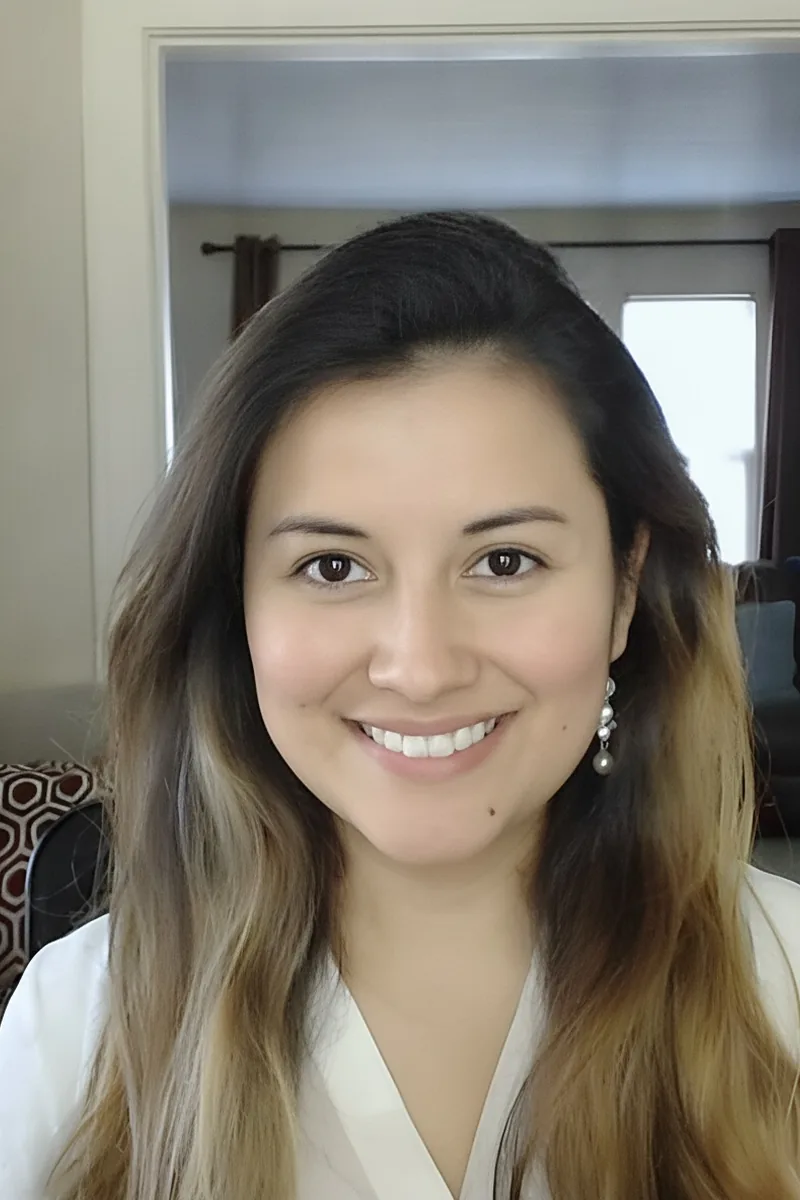
Reading Doris Kearns Goodwin for fun is a hint at how Vanessa approaches English: every text is an argument worth dissecting. She teaches students to pull apart an author's choices — tone, structure, figurative language — and build analytical essays that go beyond plot summary. Her experience mentoring applicants to top universities means she knows how to sharpen both literary analysis and persuasive writing under real deadlines.

Growing up in Malaysia and studying at Penn gave Yu a bilingual perspective on how English actually works — the grammar rules native speakers take for granted often make more sense when someone can explain *why* they exist, not just that they do. Her Master's in Education from Harvard sharpened that instinct into deliberate teaching strategy, particularly around syntax, essay structure, and developing a confident written voice.
An avid reader and writer who's pursued both political science and history at Northeastern, Talia brings a genuine love of language to her English tutoring — from dissecting sentence structure and grammar rules to analyzing how authors build arguments and craft narratives. She's spent three years breaking down these skills with students across grade levels, and her 5.0 rating speaks to how well that translates.
Between his TEFL certification and his linguistics degree at Harvard, Samuel approaches English from both the structural and creative sides — parsing how sentences work mechanically while also teaching students to read for tone, argument, and subtext. He's especially sharp with essay writing, where he walks students through building a thesis and supporting it with textual evidence.
Two master's degrees in TESOL and a linguistics background mean Diana understands English from the inside out — phonology, syntax, semantics, and how all of it shapes what students read and write. She tackles everything from paragraph organization to close reading of literary passages, adjusting her approach based on whether a student needs structural writing support or deeper comprehension skills. Rated highly by students, she's particularly effective with learners who speak English as a second language.
As one of only ten writing majors at MIT, Marisa became the go-to person for classmates tackling everything from analytical essays on race in media to scholarship applications. She teaches close reading, thesis construction, and how to build an argument with textual evidence — the core skills that make English coursework click across grade levels.
Psychology majors at Princeton read constantly — dense journal articles, competing theoretical frameworks, ambiguous case studies — and Margaret carried that same analytical rigor into her writing across both her degrees. She teaches students to slow down with a text, figure out what's actually being argued, and then craft their own responses with grammar and structure tight enough to hold up under scrutiny. Rated 4.9 by students.
Between her Cornell BA, her master's degree, and her current PhD in American Literature at UConn, Meghan has spent over a decade immersed in close reading, analytical writing, and literary interpretation. She digs into everything from thesis construction and textual evidence to the rhetorical moves that separate a B essay from an A — and holds a 5.0 rating doing it.
Between scoring a 1500 on the SAT and completing two degrees that required heavy reading and writing, Kerry has spent years pulling arguments out of dense texts and constructing clear prose under pressure. She applies that experience to English tutoring by walking students through close reading, thesis development, and the revision process — skills that transfer across essays, literature analysis, and standardized test passages.
Between designing a course on critical theory for high schoolers and studying at Harvard, Alyssa has spent years teaching students how to read closely and argue persuasively on the page. She digs into thesis construction, textual evidence, and analytical writing — the skills that turn a mediocre English essay into one that actually says something. She holds a 5.0 rating across her students.
From thesis statements to textual analysis to understanding an author's rhetorical choices, Cassandra treats English as a discipline built on argument. Her comparative literature degree trained her to read across genres and traditions, which means she can connect a student's assigned novel to the bigger questions that make essays more compelling.
Laura treats English as an argument-building discipline — whether students are dissecting a novel's themes or structuring a persuasive essay, she zeroes in on how to organize ideas clearly and support them with textual evidence. Her economics background sharpens that emphasis on logical structure, and her 5.0 rating speaks to how well it clicks with students.
From close-reading a novel to constructing a persuasive essay, English class asks students to do a dozen different things well — and Benjamin addresses each one with specific techniques rather than vague advice. His sociology coursework at Harvard keeps him immersed in analytical writing and textual interpretation daily, skills he brings directly to vocabulary, reading comprehension, and composition work.
Rebecca earned her English degree at Notre Dame and is currently pursuing a Master's in Teaching English, so the subject runs through nearly everything she does. She unpacks literary analysis by teaching students to build arguments from textual evidence — identifying how an author's diction, structure, or imagery creates meaning rather than just summarizing plot. Her Writing Center experience means she's equally comfortable strengthening a student's essay as she is their close-reading skills.
A Harvard degree rooted in close reading of historical and philosophical texts means Erica can teach both the analytical and compositional sides of English — interpreting an author's argument *and* constructing one in response. She digs into thesis development, textual evidence selection, and paragraph-level organization, whether the assignment is a literary analysis or a persuasive essay. Rated 4.9 across her subjects.
Reading comprehension and analytical writing reinforce each other, and Maedeh teaches them that way — pulling apart an author's argument in a passage, then using that same structural awareness to build a student's own essays. Her background spans literature, essay editing, and standardized test reading sections, so she adapts quickly to whatever English skill a student needs most.
Between substitute teaching English to college-prep high schoolers and coordinating admissions seminars for underrepresented students at UChicago, Noel has spent years showing young people how to read critically and write persuasively. He digs into thesis construction, textual evidence, and tone analysis — the building blocks that transfer from a fifth-grade book report to a college literature essay.
A voracious reader of psychological thrillers, Parita brings genuine enthusiasm for close reading — picking apart an author's tone, tracking narrative structure, and identifying how diction shapes meaning. She's equally comfortable coaching students through literary analysis essays and the kind of passage-based comprehension that shows up on the SAT and ACT. Her 5.0 rating speaks to how well that range translates for students.
Between his sociology coursework and his theater and media minor at Harvard, Scott spends most of his time close-reading texts and building written arguments — exactly what English classes demand. He tackles everything from literary analysis essays to understanding figurative language and authorial intent, approaching each text as something to argue with rather than just summarize.
Emma's daily work as an ESL classroom teacher, combined with her Northwestern training in history and French, gives her an unusually broad view of what "English" means — from close reading and thesis development to the mechanics of clear sentences. She's particularly effective with students who need to strengthen analytical writing, whether that's crafting a literary argument or simply organizing ideas into coherent paragraphs.
From close-reading a poem to structuring a five-paragraph essay to understanding how an author builds a theme across chapters, Lesleigh covers the full range of English skills with the depth of someone actively earning a PhD in the field. She spent her MA years working individually with students on papers and test prep — including ESL learners and students with disabilities — so she adapts quickly to different learning styles. Rated 5.0 by her students.
MIT's engineering curriculum demands relentless technical writing — lab reports, design reviews, research proposals — and Vania's dual major in music adds a second layer of close textual work through score analysis and program notes. That combination gives her an unusual grip on both precision and expressiveness in writing, which translates well when tutoring grammar mechanics, essay structure, and SAT-style reading and writing passages. Rated 5.0 by students.
Reading a poem or a novel closely enough to write something original about it is a skill most students haven't been explicitly taught. Cindy, an English major at Harvard, walks through how to identify literary devices, build an argument about a text, and revise a thesis until it actually says something specific. Her 5.0 rating suggests students leave sessions feeling like stronger readers, not just better test-takers.
A perfect SAT score doesn't happen without strong command of reading comprehension, evidence-based reasoning, and analytical writing — all core English skills Brice applies in his tutoring. He's an avid reader and writer outside the classroom, which gives him a genuine feel for how arguments are constructed and how authors use language deliberately. Whether the task is close-reading a passage or revising an essay's thesis, he teaches students to engage with the text critically.
Dartmouth-trained in English and Stanford-educated in secondary ELA pedagogy, Halley currently teaches 9th and 10th grade English at a private school in Cambridge, where she builds lessons around close reading, thesis-driven essays, and rhetorical analysis. She also runs a Creative Writing course that sharpens narrative craft across genres — skills that translate directly to stronger analytical writing. Whether a student is struggling to structure a literary argument or trying to develop a more distinctive voice, Halley knows how to make the feedback specific and actionable.
Between her Carnegie Mellon Creative Writing degree and her background teaching American literature, high school writing, and essay editing, Sydney approaches English as an interconnected discipline — reading comprehension sharpens writing, and writing sharpens critical thinking. She walks students through everything from paragraph structure and thesis development to close reading techniques that pull real arguments out of a text.
Reading and writing have always run alongside Cori's engineering work — she lists books, writing, and art among her core interests, and her college essays earned her a spot at MIT. She approaches English by teaching students to read analytically, identify an author's rhetorical choices, and translate that awareness into stronger writing of their own.
Connie's science-heavy background might seem like an unusual fit for English, but Northwestern's curriculum required rigorous reading and writing across disciplines — analytical essays, close readings, and persuasive arguments were constant demands. She tackles English by connecting reading comprehension to critical thinking: identifying an author's purpose, tracing how tone shifts across a passage, and building written responses that stay grounded in textual evidence.
Jean has spent a decade teaching English skills in various forms — from reading comprehension with adolescents in Boston's Artists for Humanity program to polishing application essays for Harvard scholarship candidates. She's particularly strong at showing students how to build a clear argument, support it with textual evidence, and revise for both structure and style. That range, from foundational literacy to persuasive academic writing, lets her meet a wide spectrum of English needs.
A Harvard PhD candidate with a BA in English, Zachary digs into close reading and analytical writing with the rigor of someone trained in both literary criticism and classical languages. He teaches students to build arguments from textual evidence — pulling apart an author's word choices, structure, and rhetorical moves — so that essays go beyond summary into genuine interpretation.
Strong English skills tie together reading comprehension, clear writing, and the ability to support an argument with evidence — and weakness in any one area drags the others down. Adriana identifies which piece needs the most attention, whether that's parsing complex sentences, organizing a five-paragraph essay, or building vocabulary in context, and targets it directly.
Reading, writing, and painting are how Natasha unwinds from her MIT research, so she brings genuine enthusiasm to English tutoring. She tackles essay structure, thesis development, and close reading of literary texts by encouraging students to wrestle with ideas out loud before committing them to the page.
Tutoring non-native English speakers at the United World College in Bosnia gave Andy an unusually clear sense of how English grammar, syntax, and vocabulary actually click together — because he had to explain rules most native speakers take for granted. That experience, combined with his finance coursework at Boston College, means he's comfortable tackling everything from close reading and thesis construction to analytical writing. Rated 5.0 by students.
Most students don't expect an engineering PhD to teach English, but Michelle's publication record and dissertation work demanded rigorous command of argument structure, paragraph cohesion, and audience awareness. She approaches essay writing and reading comprehension analytically, showing students how to dissect a prompt's requirements and build responses with clear claims supported by specific evidence. Rated 5.0 by students.
I'm excited to work with you or your child either on standardized test preparation or on generally improving performance in history, English, and social studies!
Strong English skills come down to reading critically and writing clearly — two things Kelly's economics training at Duke demanded constantly. She breaks down essay structure, thesis development, and grammar mechanics in ways that click for students who think of themselves as "math people" more than writers. Rated 5.0 by students.
Between her English undergraduate degree and her MFA in Creative Writing, Lena has spent years inside texts — pulling apart arguments, tracing themes, and building interpretations from evidence. She teaches students to move from "I don't know what to say about this" to crafting specific, text-grounded analysis they feel confident turning in.
A Dartmouth Comparative Literature degree with Phi Beta Kappa honors means Elise has read deeply and written constantly across genres, periods, and languages. She teaches students to build arguments from textual evidence — how to move from a close reading of a passage to a thesis that actually says something specific. Her 5.0 rating speaks to how well that analytical approach lands.
Grace approaches English by teaching students to build arguments about what they read — identifying an author's rhetorical choices, tracing a theme through a full text, and translating those observations into clear, structured writing. Her background in political science at Vanderbilt means she's spent years dissecting complex texts and constructing evidence-driven claims, skills she brings directly into English tutoring.
Alison's entire academic background orbits English — an Associate's in English Composition, a Master's in Education, and years spent teaching reading, writing, and literature across every level from elementary through college. She tackles the subject as an interconnected set of skills, showing students how stronger reading makes for stronger writing and how grammar knowledge sharpens both. Whether a student needs to analyze a novel or sharpen a college application essay, she connects the work to their actual goals.
Testimonials
Because the right English tutor makes all the difference.
Average Session Rating – Based on 3.4M Learner Ratings
Nearby English Tutors
Other Springfield Tutors
Related English Tutors in Springfield
Frequently Asked Questions
Your first session is focused on understanding your current skills, learning goals, and challenges. A tutor will assess your reading comprehension, writing ability, and specific areas where you need support—whether that's essay structure, grammar, literature analysis, or test preparation. This helps create a personalized plan tailored to your needs rather than a one-size-fits-all approach.
In a classroom with a 12.6:1 student-teacher ratio, teachers must pace instruction for the whole group, which means some students move too quickly while others fall behind. Personalized 1-on-1 instruction lets a tutor adjust pacing, focus on your specific writing weaknesses, spend extra time on concepts you're struggling with, and provide immediate feedback on your work. This targeted approach typically leads to faster improvement in comprehension and writing skills.
Many students struggle with essay organization and thesis development, grammar and punctuation rules, close reading and textual analysis, and managing time during timed writing assignments. Others find it difficult to transition between different writing styles—from creative writing to academic essays to standardized test formats. A tutor can address these specific gaps with targeted practice and clear explanations.
Tutors work with you on every stage of writing: brainstorming ideas, organizing your thoughts into a clear structure, drafting with strong thesis statements and supporting evidence, and revising for clarity and impact. Rather than just marking errors, a tutor explains why certain changes strengthen your writing and helps you develop habits you can apply to future assignments. Many students see measurable improvement in grades and writing confidence within a few weeks of consistent practice.
Yes. Tutors who work with Springfield students are familiar with Massachusetts curriculum standards and the specific expectations across grade levels—from foundational reading skills in elementary grades to analytical essay writing and literature interpretation in middle and high school. They can align tutoring with what you're learning in class, help you prepare for unit assessments, and ensure you're building skills that meet state standards.
Absolutely. Whether you're preparing for the MCAS, SAT, ACT, or AP English exams, tutors can teach test-specific strategies, help you practice under timed conditions, and target the skills these tests measure—like reading comprehension, grammar, and essay writing. They'll identify your weak areas, provide focused practice, and help you develop confidence for test day.
Close reading and literary analysis can feel overwhelming, but a tutor breaks it down into manageable skills: identifying themes and symbolism, understanding character development, analyzing author's tone and style, and supporting interpretations with textual evidence. Rather than just telling you what a book means, a tutor teaches you how to ask the right questions and find evidence in the text—skills that transfer to any novel, poem, or play you encounter.
Varsity Tutors connects you with qualified English tutors who understand your specific needs and learning style. You'll provide information about your grade level, current challenges, and goals, and we'll match you with a tutor who has expertise in those areas. From there, you'll work together to schedule sessions that fit your schedule and start seeing improvement in your English skills.
Let’s find your perfect tutor
Answer a few quick questions. We’ll recommend the right plan and match you with a top 5% tutor.