Award-Winning Math Tutors
serving Charlotte, NC
Math
Tutors in Charlotte
Private 1-on-1 tutoring, weekly live classes for academic support, test prep & enrichment, practice tests and diagnostics, and more to elevate grades and test scores.
Based on 3.4M Learner Ratings
UniversitiesSchools & Universities
DeliveredHours Delivered
ProficiencyGrowth in Proficiency
Who needs tutoring?
No obligation. Takes ~1 minute.
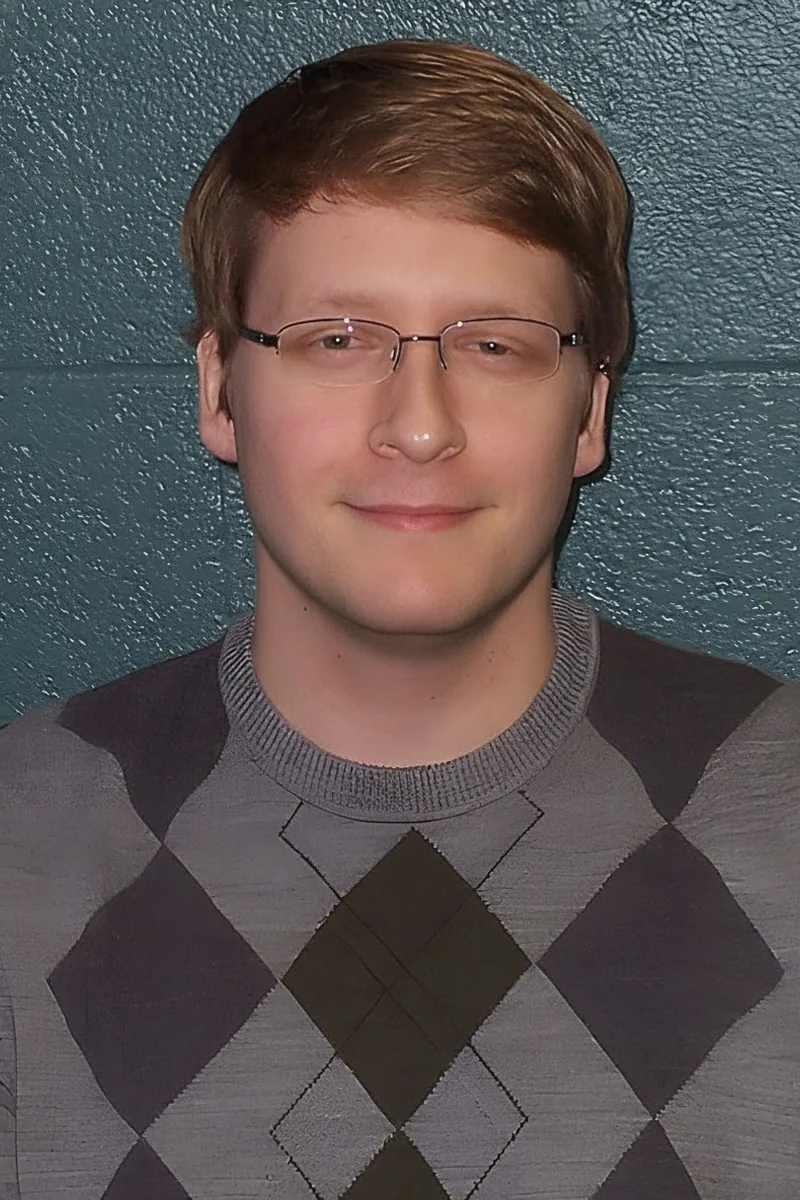
While Alex's primary expertise is in the humanities, he tutors math at the foundational and middle-school level, covering topics like fractions, ratios, basic equations, and word problems. His structured, patient approach — rated 5.0 by students — translates well to breaking down multi-step math problems into manageable pieces.
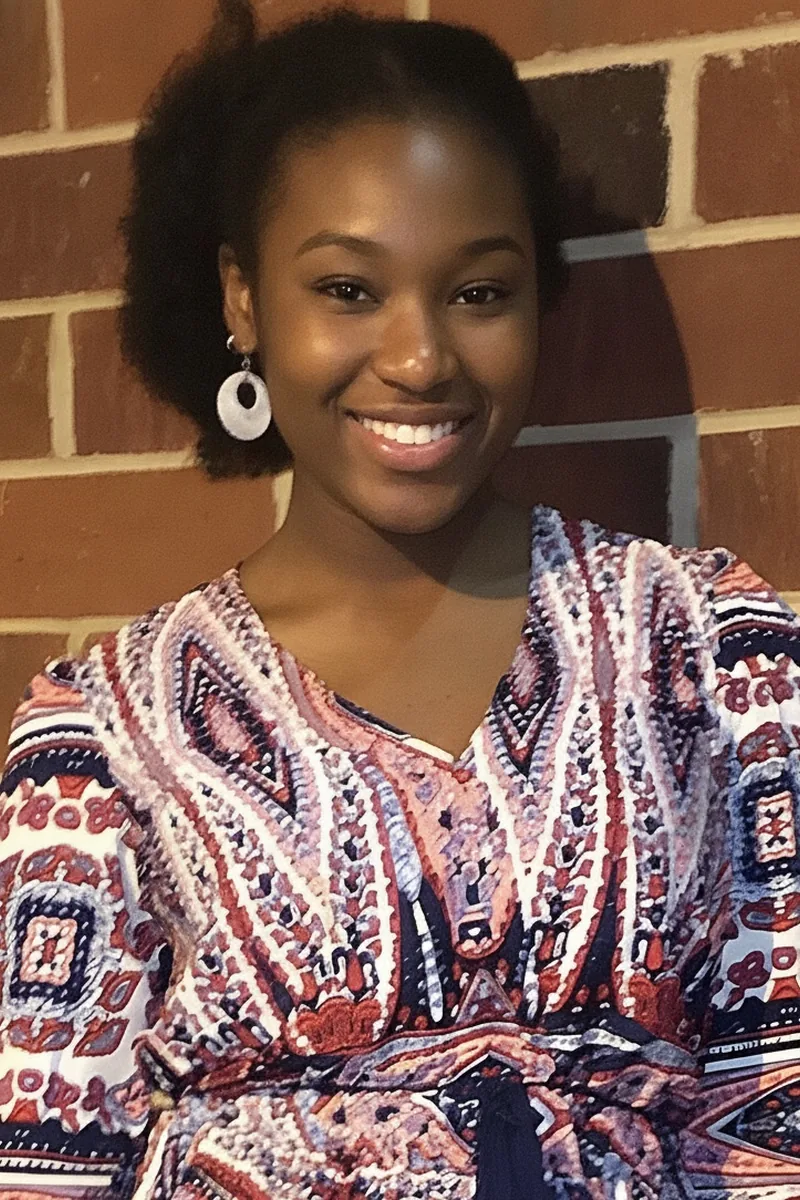
Studying economics means Ify lives in quantitative territory — supply and demand curves, marginal analysis, optimization problems — so the math she tutors from pre-algebra through calculus isn't abstract to her; it's the toolkit she uses daily. A 1550 SAT and 32 ACT back up that fluency, and her 5.0 rating speaks to a low-pressure teaching style where no question feels too basic to ask twice.
From fraction operations in middle school to limits in early calculus, Earnest covers a wide range of math topics and connects each one to the reasoning behind it. His dual engineering degrees mean he's spent years applying math to real problems — and he brings that intuition to every session, making formulas feel less arbitrary.
Isabel covers math from arithmetic fundamentals through calculus, but her real strength is diagnosing exactly where a concept stopped making sense. A student struggling with fractions often has a place-value gap; one stuck on word problems may need help translating English into equations. She traces errors back to their root so the fix actually lasts.
Morgan's science training means she uses math constantly — calculating dosages, interpreting data, modeling physiological processes — so she can show students why algebraic reasoning and arithmetic fluency matter beyond the worksheet. She keeps explanations grounded in real scenarios that make abstract operations click.
From fraction operations in middle school to limits in calculus, Jack covers a wide range of math and genuinely enjoys finding the explanation that makes a concept click for each student. His analytical mindset — sharpened by a computer science program at UNC Chapel Hill and a 1540 SAT — means he treats every math problem as a puzzle with a logical path to the answer.
From pre-algebra fundamentals through calculus, Rebecca covers a wide range of math — her subject list spans everything from middle school arithmetic to statics and AP Calculus BC. A 1520 SAT and 34 ACT back up that breadth with strong quantitative skills. She's especially good at connecting each new concept to what a student already knows so the jump to the next level feels manageable.
From basic arithmetic through calculus, Daiven's math tutoring zeroes in on the reasoning behind each procedure — why you flip and multiply with fractions, what a derivative actually measures, how to set up an equation from a word problem. His science background means he constantly ties abstract math to tangible applications. Rated across subjects from elementary math to AP Calculus AB, he adapts his explanations to whatever level a student needs.
Whether a student is wrestling with fraction operations in pre-algebra or derivatives in calculus, Gatlin connects each new concept back to the reasoning behind it so the next topic doesn't feel like starting over. His physics and math background at NC State means he's used nearly every branch of high school math in applied settings. Rated 4.8 by students, he's comfortable adjusting pace and depth to match wherever the gaps actually are.
A biology major who also tutors calculus and algebra, Madison brings a scientist's problem-solving mindset to math — she's used to translating real-world questions into equations and working through them systematically. She's especially effective at building visual models for concepts like fractions, ratios, and graphing that click for students who struggle with purely abstract explanations. Rated 5.0 by students.
Every student thinks about math differently — some visualize, some reason verbally, some need to build from concrete examples. Shourya's time teaching at Mathnasium across grade levels taught him to identify how a particular student processes numbers and meet that thinking style head-on, whether the topic is fractions or functions.
Balancing a pre-med course load at the University of Michigan meant Cailee spent years working through everything from algebraic problem sets to calculus-based physics equations. She breaks down multi-step problems by identifying what's actually being asked before diving into computation — a habit that clears up confusion around fractions, ratios, word problems, and beyond. Rated 5.0 by students.
From fraction operations in elementary school to derivatives in calculus, Srikavya covers the full math pipeline and knows exactly where common gaps form between levels. Her chemistry training keeps her grounded in how math is actually used — unit conversions, proportional reasoning, graphing relationships — so she teaches concepts as tools, not just procedures to memorize.
While Traci's primary expertise is in reading and writing, she applies that same structured, step-by-step problem-solving approach to math concepts like fractions, ratios, and basic equations. She's especially effective with students who freeze up on word problems, since her reading comprehension skills translate directly into breaking down what a math question is actually asking.
Whether it's fractions tripping up a fourth grader or pre-algebra concepts that need reinforcing before high school, Emma connects math to logical reasoning in a way that clicks. Her economics coursework at UVA keeps her working with quantitative thinking daily, and she's especially good at walking through word problems step by step so the underlying operations make sense.
Kelsey's public health coursework at UNC Charlotte is math-heavy — biostatistics, epidemiological calculations, and data interpretation all require comfort with algebra, functions, and quantitative reasoning. She breaks problems into smaller logical steps so students can see the structure behind each calculation rather than getting lost in the numbers.
Taylor's statistics degree means she understands math not just as a set of procedures but as a way of reasoning through problems. Whether a student is working on fraction operations, quadratic equations, or introductory calculus concepts, she walks through the logic behind each step so that methods make sense instead of feeling like arbitrary rules to memorize. That approach pays off especially when problems look unfamiliar on a test.
Colleen's history degree from Michigan might not scream math, but her daily work as an editor and producer means she lives in deadlines, data, and quick quantitative reasoning — skills she brings to tutoring pre-algebra through basic problem-solving. Her 31 ACT score confirms she's solid across subjects, and her editorial instinct for catching errors translates well to teaching students how to spot where their calculations go sideways.
From arithmetic fundamentals through pre-calculus and into calculus, Matthew covers the full math pipeline with the fluency you'd expect from someone who earned a civil engineering degree at Clemson. He's particularly strong at connecting abstract procedures — like factoring or solving systems of equations — to concrete reasoning so that students understand the logic driving each step.
Journalism requires more quantitative literacy than people expect — analyzing survey data, interpreting polling numbers, spotting misleading statistics — and Molly's double major at UNC Chapel Hill keeps her working with numbers alongside words. She's particularly good at translating math problems into plain language, a skill that comes from training in a field where clarity is everything. Her 31 ACT score confirms she's solid across the fundamentals from algebra through basic calculus.
Hello! I'm Kyle Gee, a passionate tutor with a Bachelor's degree in Urban Studies and Business Economics from Brown University. With experience in tutoring and coaching, I thrive on helping students achieve their academic goals, particularly in subjects like Spanish, basic math, and drawing. My teaching philosophy centers on patience and guidance; I believe in empowering students to discover answers independently, using analogies to enhance understanding and retention. I find great joy in witnessing their progress and confidence grow. In my free time, I enjoy drawing, which fuels my enthusiasm for teaching art. I am dedicated to creating a supportive and engaging learning environment that fosters curiosity and success.
Testimonials
Because the right Math tutor makes all the difference.
Average Session Rating – Based on 3.4M Learner Ratings
Practice Math
Free practice tests, flashcards, and AI tutoring for Math
Other Charlotte Tutors
Related Math Tutors in Charlotte
Frequently Asked Questions
During the first session, a tutor will assess your current math level, understand your specific challenges (whether it's word problems, graphing, or building confidence), and learn about your goals. This helps the tutor create a personalized plan tailored to your needs and learning style. Subsequent sessions build on this foundation with targeted instruction and practice.
Expert tutors focus on helping students understand the 'why' behind math concepts, not just the 'how.' By exploring patterns, connections, and real-world applications, students develop deeper conceptual understanding that makes problem-solving more intuitive. This approach builds lasting confidence and helps students tackle unfamiliar problems independently.
Word problems require students to translate language into mathematical operations—a skill that takes practice. Tutors teach strategies like identifying key information, breaking problems into steps, and checking whether answers make sense. With personalized guidance, students learn to approach word problems systematically rather than feeling overwhelmed.
Math anxiety often stems from gaps in foundational understanding or past negative experiences. Tutors create a supportive environment where students can ask questions without judgment and work at their own pace. As students experience small wins and see concepts click into place, confidence naturally builds and anxiety decreases.
Yes. Varsity Tutors connects you with tutors who understand different math curricula and textbooks used across Charlotte's 31 school districts. Whether your student is working with traditional approaches or newer standards-based programs, tutors can align instruction with what's being taught in the classroom while reinforcing deeper understanding.
Showing work reveals thinking and helps identify where errors occur—critical for building problem-solving skills. Tutors model clear, organized steps and explain why each step matters. This practice not only improves grades but helps students develop the reasoning skills needed for more complex math topics.
These topics require students to visualize abstract concepts and manage multiple steps without losing track. Tutors use varied approaches—graphing tools, step-by-step breakdowns, and real-world contexts—to help students see the connections between equations and their graphs. Personalized practice builds the fluency needed to handle these confidently.
Many students show improved understanding within a few sessions as gaps are identified and addressed. Grade improvements typically follow as confidence grows and concepts solidify—usually within 4-6 weeks of consistent tutoring. The timeline varies based on the student's starting point and frequency of sessions, but consistent personalized instruction accelerates progress significantly.
Let’s find your perfect tutor
Answer a few quick questions. We’ll recommend the right plan and match you with a top 5% tutor.