Award-Winning English Tutors
serving Stockton, CA
Award-Winning
English
Tutors in Stockton
Private 1-on-1 tutoring, weekly live classes for academic support, test prep & enrichment, practice tests and diagnostics, and more to elevate grades and test scores.
Based on 3.4M Learner Ratings
UniversitiesSchools & Universities
DeliveredHours Delivered
ProficiencyGrowth in Proficiency
Who needs tutoring?
No obligation. Takes ~1 minute.
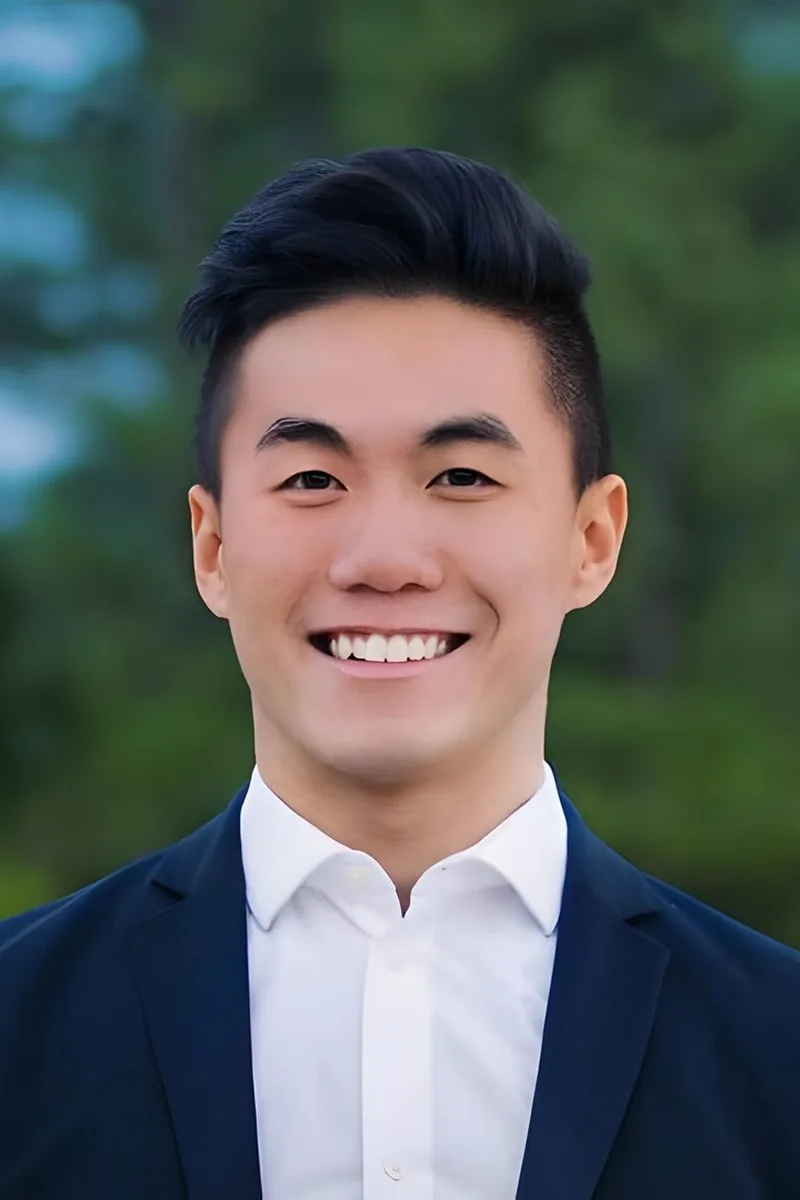
Engineering students rarely get credit for their writing chops, but Aaron's experience with college essays, literature analysis, and essay editing gives him a practical toolkit for English tutoring. He's especially strong at teaching thesis construction and paragraph-level organization — showing students how to move from a vague idea to a focused argument with concrete textual evidence supporting each claim.
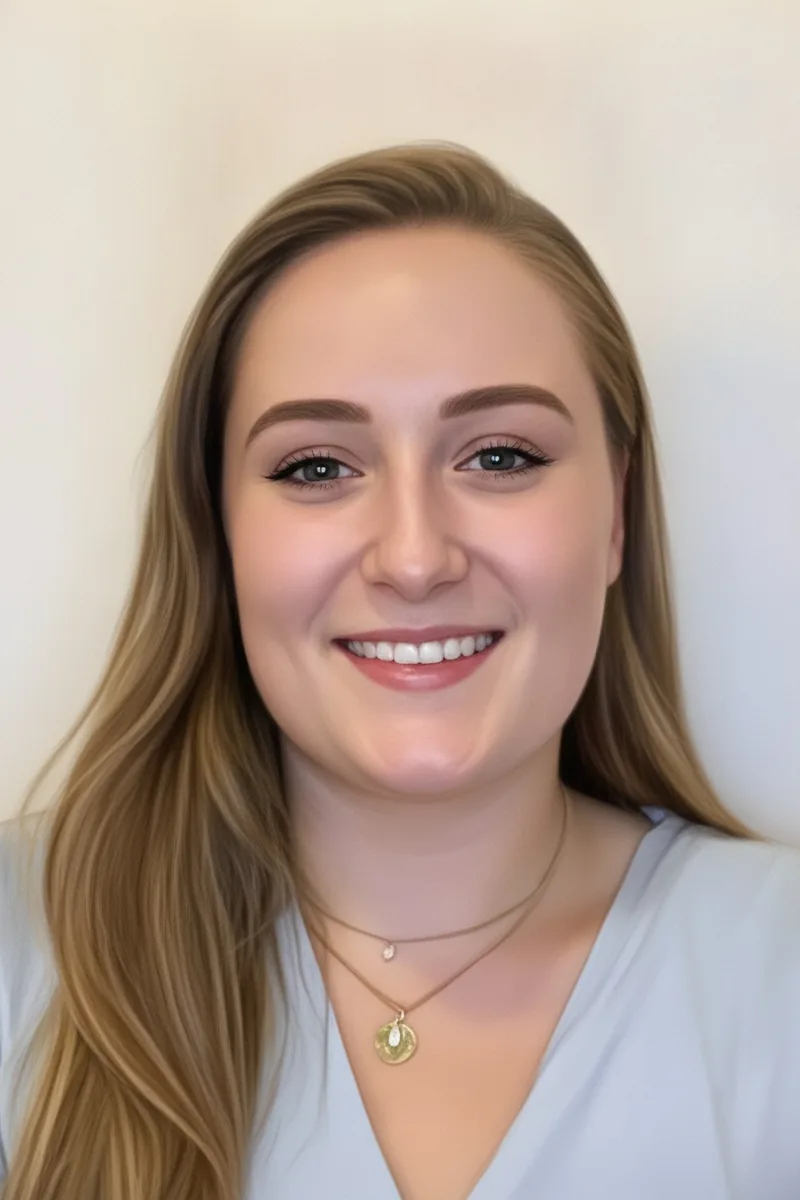
Reading a poem, analyzing an argument, and drafting a clear paragraph all require the same underlying skill: paying close attention to how language creates meaning. Mimi's interdisciplinary training — art history at Dartmouth, education at Harvard — sharpened her ability to teach close reading and analytical writing as connected practices rather than separate assignments. She's particularly effective at showing students how to move from a vague reaction to a text toward a specific, evidence-backed interpretation.
Nina's Northwestern liberal arts education required extensive essay writing, close reading, and literary analysis alongside her science coursework. She's particularly strong at teaching thesis development and paragraph-level organization — showing students how to move from a vague reaction to a text into a specific, well-supported argument.
Reid's sociology background at Wesleyan trained him to read texts critically and argue from evidence, which is exactly what English courses demand once students move past basic comprehension. He digs into thesis construction, close reading of literary and nonfiction passages, and the revision process that turns rough drafts into polished essays.
Scoring a 1570 on the SAT required Michelle to master both the analytical reading and evidence-based writing that define strong English skills. She digs into close reading strategies — identifying author's purpose, tracing argument structure, and analyzing tone — while also coaching students on crafting polished essays, from thesis development through revision.
Engineering majors don't usually end up on English tutoring pages, but Charles is also an avid reader and writer who tackles grammar, essay structure, and close reading with the same precision he applies to physics problems at Yale. His analytical mindset is especially useful for students who struggle to organize arguments or build coherent thesis statements — he breaks the writing process into clear, logical steps that make essays less intimidating.
Reading a poem, dissecting an argument, crafting a thesis paragraph — English pulls together skills that look different on the surface but all require close attention to language. Solange, a Harvard graduate and avid reader and writer herself, teaches students to slow down with a text, identify what the author is actually doing, and translate that analysis into clear, structured writing of their own.
Between reading classics for pleasure and writing across multiple disciplines at Harvard, Christopher brings genuine enthusiasm to English that students pick up on quickly. He digs into thesis construction, close reading, and evidence integration — the skills that separate a B essay from an A — rather than vague advice about "being more descriptive." Rated 4.8 by his students.
Running a tutoring program at a charter school meant Liz saw every kind of English learner — the reluctant reader, the student who could discuss a novel but froze during essays, the kid who needed phonics reinforcement alongside literary analysis. Her master's in special education sharpened her ability to adapt reading and writing instruction on the fly, matching the approach to how each student actually learns.
Between his philosophy coursework, college essay coaching, and literature teaching, Justin brings a surprising depth to English for someone whose degrees are in math and physics. He's particularly strong at teaching students how to build an argument in an essay — structuring a thesis, selecting textual evidence, and revising for clarity — skills he honed writing extensively through his doctoral program at the University of Chicago.
Between his literature background, essay editing experience, and a 1500 SAT, Daniel tackles English from multiple angles — close reading, analytical writing, and the mechanics that tie them together. He's especially effective at teaching students how to build a thesis from a text and support it with specific evidence rather than vague summary.
Between her Ancient and Medieval Studies minor and her love of reading and writing, Isabella brings genuine literary curiosity to English tutoring — she's the rare STEM student who also knows how to dissect a thesis statement or trace a motif through a novel. She approaches essays the way she approaches proofs: every claim needs evidence, every paragraph needs a clear purpose. Rated 5.0 by students.
Between his senior thesis at Harvard, his SAT Writing coaching, and his background in American literature, Henry brings a deep well of reading and writing experience to English tutoring. He's especially strong at teaching students how to build a thesis from a close reading — pulling specific textual evidence and weaving it into an argument that actually says something, rather than summarizing the plot.
Between crafting a Gilman Scholarship application, writing undergraduate research reports, and completing coursework across two very different majors, Ingrid has adapted her writing and reading skills to wildly different contexts. She teaches English by connecting reading comprehension strategies — like identifying an author's argument and tracking evidence — directly to stronger, more organized writing.
Philosophy training at the University of Chicago means Justin spent years dissecting arguments, analyzing sentence structure, and writing with precision — skills that translate directly into English tutoring. He tackles everything from grammar mechanics and thesis construction to close reading of literary texts, teaching students how to identify an author's choices and articulate why they matter. Rated 5.0 by students.
College essays, literary analysis, and close reading all require the same core skill: making a clear argument backed by specific evidence. James sharpened this through years of writing lab reports and analytical papers at Harvard, and he now applies that structured thinking to help students craft sharper thesis statements and more persuasive prose. His 4.9 rating speaks to how well that analytical approach translates.
Between coaching college essays, editing student writing, and building English curricula professionally, Elena lives inside the questions that define this subject: how do you construct an argument, how do you read a text closely, and how do you write something someone actually wants to read? She brings a First Class Honors background from McGill and Edinburgh to bear on everything from paragraph structure to literary analysis. Her secret weapon is humor — she genuinely believes that a well-timed joke about a bad sci-fi movie can unlock a student's thinking faster than another worksheet.
Most English tutoring boils down to two things: understanding what you read and saying what you mean in writing. Asta's background at the University of Chicago, where analytical writing was woven into every political science seminar, means she can walk students through close reading, thesis development, and evidence-based argumentation with real precision. Rated 5.0 by students.
A lifelong reader and writer with a PhD-level command of academic prose, Andrew brings an analytical rigor to English that many tutors lack — breaking down thesis construction, argument structure, and grammar with the same precision he applies to his STEM research. His background in essay writing and editing means he can pinpoint exactly where a paragraph loses its logic or a sentence buries its point.
An avid reader and writer outside the classroom, Sabira treats English as a subject where analytical thinking and creativity reinforce each other. She walks students through close reading strategies — identifying tone, tracking themes, pulling textual evidence — and then applies those same skills to essay planning and revision. Her Johns Hopkins training in structured problem-solving translates surprisingly well to building a strong thesis argument.
A background in French literature and social sciences means Lauren reads closely and critically across genres, from poetry to argumentative essays. She teaches students to identify an author's rhetorical moves — tone shifts, structural choices, use of evidence — and then apply those same techniques in their own writing, building both analytical reading and composition skills at once.
Keith's Williams College education was steeped in close reading and analytical writing across political science, history, and English — the kind of interdisciplinary background that makes him especially effective at teaching students how to build a thesis, integrate textual evidence, and revise for clarity. Whether the task is dissecting a novel's themes or structuring a persuasive essay, he connects the reading and writing sides of English into a single skill set.
Most people don't expect a statistics PhD to teach English, but Sam's experience with college essays, literature, and essay editing gives him a practical toolkit for close reading and persuasive writing. He tackles thesis development and textual analysis by teaching students to build arguments the way a researcher builds a case — claim, evidence, reasoning, in that order.
Reading critically and writing clearly are skills Sung hones through a methodical approach: dissecting how an author builds an argument, then showing students how to mirror that structure in their own essays. His background in both literature and college essay coaching means he can move fluidly between analyzing a text's themes and helping a student craft a compelling written response. Rated 5.0 by students.
A Princeton Comparative Literature degree and an M.A. in English add up to someone who has spent over a decade inside complex texts — analyzing narrative voice, unpacking symbolism, and constructing interpretive arguments. Brittney teaches English by connecting reading and writing as a single skill: the better a student reads, the sharper their essays become. Her 5.0 rating speaks to how well that integrated approach clicks with students.
Between literature analysis, essay writing, and SAT Reading prep, Matt covers the full range of English skills students typically need. He's particularly effective at teaching students how to build a clear argument in an essay — structuring a thesis, selecting evidence, and revising for precision — because he treats writing as a craft that improves through deliberate practice.
Between IB Literature HL, college essay coaching, and his own love of reading and writing, Ben brings a genuine literary sensibility to English tutoring. He's particularly strong at teaching students how to construct a thesis-driven essay — moving from close reading of a passage to a structured argument with embedded textual evidence.
Between a biology degree and a French double major at Yale, Emily spent her undergraduate years toggling between scientific writing and literary analysis — two disciplines that demand precision with language in very different ways. That range shows up in how she teaches English: whether it's unpacking an author's argument structure, tightening paragraph-level coherence, or nailing subject-verb agreement, she adapts her approach to what each student actually needs to improve. Rated 5.0 by students.
Having worked as a Writing Consultant during undergrad and earned a PhD in Spanish and Iberian Studies, Renee has spent years living inside the mechanics of language — grammar, syntax, argumentation — across two languages at once. That bilingual lens sharpens how she teaches English grammar and essay construction, since she can explain why a rule works, not just that it exists. Her SAT tutoring background also means she knows how to prep students for the reading and writing demands of timed assessments.
Between scoring a 1440 SAT, tutoring college essays, and tackling MCAT verbal reasoning, Shayan has spent serious time dissecting how written English actually works — from close reading to argument construction. He teaches students to identify an author's central claim quickly and build their own written responses with clear, evidence-driven structure. Rated 5.0 by students.
A journalism and psychology double major turned doctoral candidate at Duke, Shelley brings an unusual lens to English — she treats reading comprehension and essay writing as exercises in argument analysis, teaching students to identify claims, weigh evidence, and structure their own ideas with precision. Her 5.0 rating speaks to how well that analytical approach clicks for students working on everything from thesis statements to close-reading passages.
Between her psychology and linguistics degrees from UChicago, her work at literacy organization 826, and a perfect 1600 SAT, Sherry brings both analytical depth and practical teaching experience to English. She tackles everything from close reading and thesis development to grammar and syntax — connecting how language is structured to how students can wield it more effectively in their own writing.
From close reading and literary analysis to essay structure and thesis development, Joseph covers the full range of English skills students need at any level. His experience coaching college application essays sharpened his ability to show students how to build an argument from a text and express it with clarity and precision. Rated 4.9 by students.
Perry's Medical Humanities minor at Rice required close reading of literature, philosophy, and narrative nonfiction — the kind of analytical work that builds strong skills in thesis development, textual interpretation, and evidence-based argumentation. He approaches English as a discipline where every claim needs support, teaching students to move from gut reactions to structured, persuasive analysis. Rated 5.0 by students.
From annotating nineteenth-century novels to constructing a thesis around a single anthropological case study, Victoria's English tutoring draws on the full range of reading and writing she did across three undergraduate degrees. She digs into whatever a student is actually working on — whether that's unpacking symbolism in a poem or structuring a five-paragraph argument — and teaches the analytical moves that transfer across assignments.
Selected as one of Joyce Carol Oates's two thesis advisees at Princeton, Sash knows what it takes to read closely, argue persuasively, and write with genuine style — the three pillars of any English class. She tackles everything from thesis construction in analytical essays to unpacking figurative language in poetry, drawing on a deep background in literature, theater, and creative writing.
NYU's Accelerated MAT program in Secondary English Education trains its residents by putting them in real classrooms daily — Jennifer is in the thick of that right now, teaching ELA to New York public school students while earning her master's. That immersion means she's constantly planning lessons around close reading, essay argumentation, and grammar instruction, and she brings that fresh, practitioner-level energy to tutoring sessions where students need to sharpen a specific skill rather than review everything at once.
Between a Classics major that demands constant close reading of complex texts and twenty pre-college writing awards, Valerie's entire academic life runs on English skills. She tackles everything from thesis development and literary analysis to vocabulary building and rhetorical strategy, adjusting her approach based on whether a student needs help generating ideas or tightening final drafts.
A science background might seem unusual for an English tutor, but Connor's years of writing lab reports, research papers, and a master's thesis at Loyola Chicago sharpened exactly the skills students struggle with most — constructing clear arguments, organizing evidence, and revising for precision. He breaks down essay structure and grammar concepts with the same logical rigor he applies to his science work, which clicks especially well for students who think analytically. Rated 5.0 by students.
A semester taking literature courses alongside native Spanish speakers at Madrid's top-ranked university gave Meghan practice reading closely under pressure and constructing arguments about texts in real time. She brings that same intensity to English tutoring, whether a student is annotating a novel for theme, structuring a thesis statement, or learning to use textual evidence that does more than just summarize. She holds a 5.0 rating.
Testimonials
Because the right English tutor makes all the difference.
Average Session Rating – Based on 3.4M Learner Ratings
Nearby English Tutors
Other Stockton Tutors
Related English Tutors in Stockton
Frequently Asked Questions
Varsity Tutors matches Stockton students with expert English tutors for 1-on-1 instruction. We pair each student with a tutor based on their specific needs, learning style, and goals.
Whether you need homework help, exam prep, or want to get ahead, our English tutors are ready to help.
Common challenges include gaps from earlier material, difficulty with specific concepts, and trouble applying learning to new problems. These issues can snowball quickly in English.
A tutor identifies where you're stuck, fills in gaps, and provides targeted practice. The 1-on-1 format means you get help exactly where you need it.
Tutors work with your student's actual coursework—homework assignments, class notes, and upcoming tests. This keeps tutoring directly relevant to what's happening in the classroom.
When you share information about your student's school and curriculum, we can match you with a tutor who has relevant experience.
All tutors complete background checks, credential verification, and teaching evaluation. Many of our English tutors hold advanced degrees or have years of teaching experience.
You can review tutor profiles to find someone with the right background for your student's level and needs.
Many students see improved grades within a few weeks, along with better understanding of English concepts and more confidence tackling challenging material.
Tutors track progress and adjust their approach to ensure continued improvement.
Most students benefit from 1-2 sessions per week. More frequent sessions help if your student is significantly behind or has an important exam coming up.
Your tutor can recommend a schedule based on your student's specific situation and goals.
Tutoring is purchased in packages of hours, with rates varying by tutor experience. Varsity Tutors offers several options to fit different budgets and needs.
You can discuss pricing during your consultation to find what works best.
Your tutor will assess where your student is, discuss goals, and start working on priority areas. Most students bring current homework or upcoming test material to focus on.
By the end, you'll have a clear sense of how the tutor can help and a plan for moving forward.
Let’s find your perfect tutor
Answer a few quick questions. We’ll recommend the right plan and match you with a top 5% tutor.