Award-Winning 3rd Grade Reading
Tutors
3rd Grade Reading
Tutors
Private 1-on-1 tutoring, weekly live classes for academic support, test prep & enrichment, practice tests and diagnostics, and more to elevate grades and test scores.
Based on 3.4M Learner Ratings
UniversitiesSchools & Universities
DeliveredHours Delivered
ProficiencyGrowth in Proficiency
Who needs tutoring?
No obligation. Takes ~1 minute.
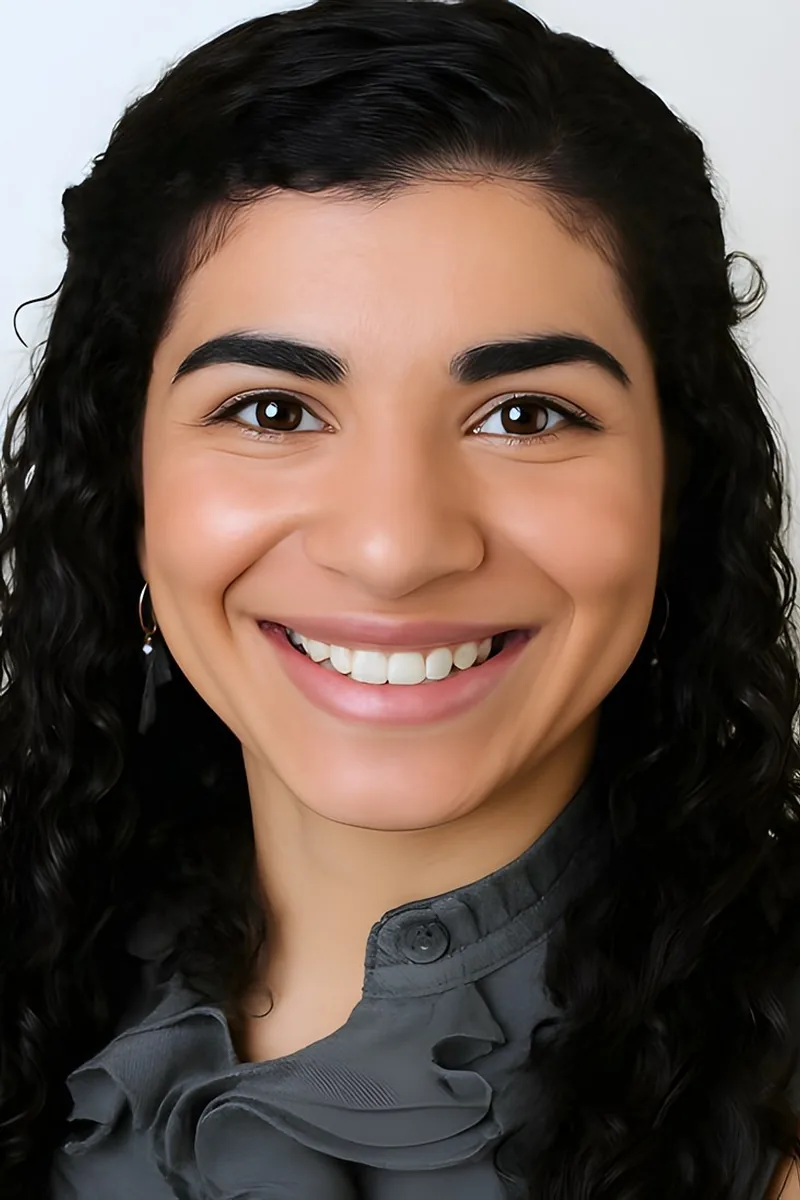
Paula approaches third-grade reading by zeroing in on fluency and story structure — helping kids recognize beginnings, middles, and endings so they can retell what they've read with confidence. Her psychology background means she understands how eight- and nine-year-olds learn, and she adjusts pacing and difficulty to keep sessions productive without overwhelming anyone.
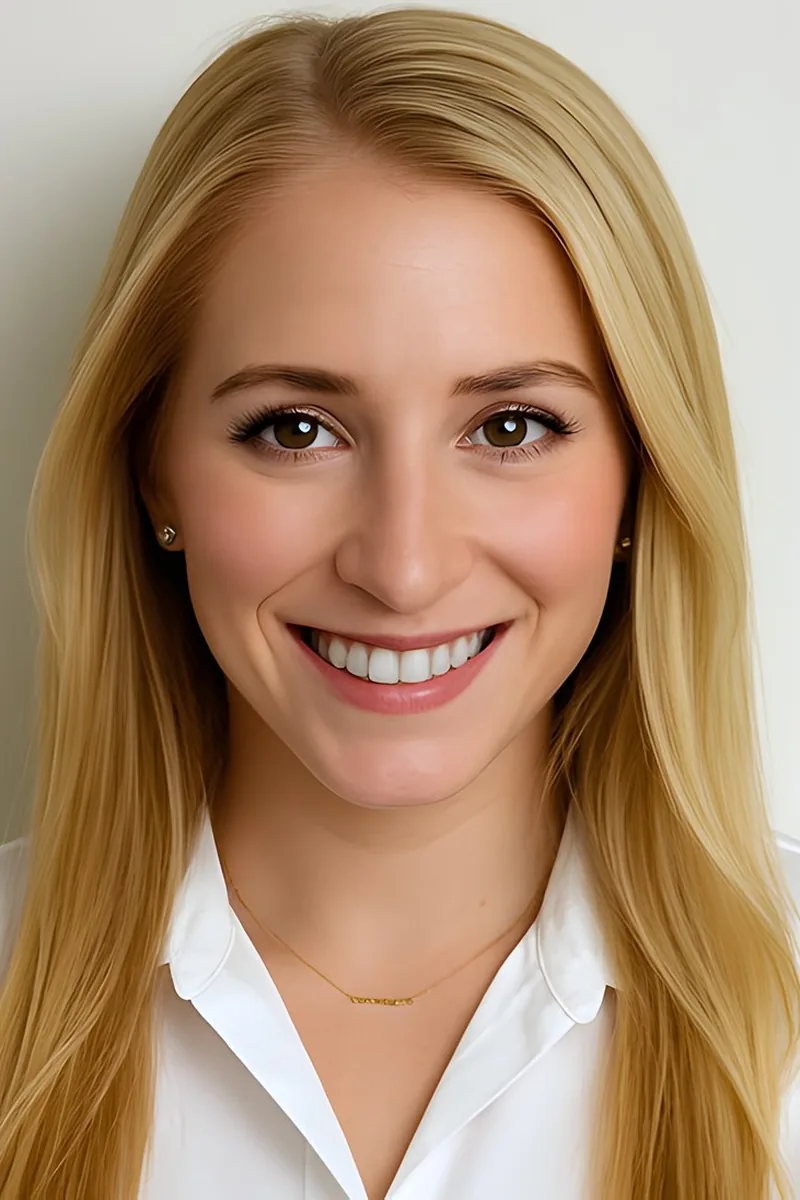
Teaching 3rd grade reading is personal territory for Molly — she's been a classroom teacher at this level and knows the pressure students feel when reading assessments ramp up and chapter books replace picture books. She zeroes in on fluency, comprehension monitoring, and the transition from decoding individual words to understanding full paragraphs. Her Northwestern training in reading intervention gives her a toolkit most tutors simply don't have at this grade level.
At the third-grade level, reading starts to demand more than just decoding — kids need to understand story structure, compare characters, and answer questions using evidence from the text. Angela makes these skills click by choosing stories that spark curiosity, then walking through comprehension strategies like predicting and summarizing in a way that feels like conversation, not drilling. Rated 5.0 by families she's worked with.
Third grade is where reading stops being about decoding words and starts being about understanding what they mean together. Allan works on skills like identifying the main idea, making predictions, and using context to figure out unfamiliar vocabulary — the building blocks that make independent reading click.
By third grade, students are expected to read to learn rather than just learning to read, and that leap trips up a lot of kids. Hasan tackles this transition by building fluency alongside comprehension — connecting vocabulary in context, asking prediction questions, and making sure students can explain what they've read in their own words. His experience as a lead teacher gives him a sharp sense of pacing for younger readers.
Reading fluency and basic comprehension come together in third grade, and many students struggle when passages get longer and questions start asking "why" instead of "who." Nima uses his patience and creativity to walk young readers through strategies like rereading for clues and visualizing scenes, building the habits that make harder texts manageable later on.
Third grade is where reading shifts from learning-to-read to reading-to-learn, and that transition trips up a lot of kids. Dakota breaks down skills like sequencing, cause and effect, and retelling in ways that click, using stories and passages that keep young readers genuinely interested. Her background in literature and writing gives her a deep toolkit for building comprehension at this pivotal stage.
Third grade is where reading shifts from decoding words to actually understanding stories — making inferences, identifying main ideas, and connecting what's on the page to what a child already knows. Jennifer's theatre background gives her a knack for bringing passages to life through character voices and dramatic reading, which keeps young readers engaged and builds comprehension naturally.
Building fluency and comprehension at the third-grade level often comes down to one thing: making reading feel less like a chore and more like a puzzle worth solving. Varuna approaches each session by connecting stories and passages to things her students are already curious about, then layering in skills like sequencing events and identifying character traits. She holds a 4.9 rating across her tutoring subjects.
Third graders make a critical shift from learning to read to reading to learn — tackling chapter books, making inferences, and identifying main ideas in nonfiction passages. Allen's love of books and reading, combined with his experience teaching younger students in volunteer tutoring programs, means he knows how to make that transition feel exciting rather than overwhelming.
Third graders are making the jump from learning to read to reading to learn — tackling chapter books, making inferences, and identifying main ideas in longer passages. Jessalyn's philosophy background sharpened her ability to ask the kinds of questions that get kids thinking about what a text actually means, not just what it says. Rated 5.0 by students and families.
Third graders are expected to start reading chapter books independently, which means tackling unfamiliar vocabulary, tracking storylines across multiple chapters, and answering questions that require looking back at the text. Valerie uses visual and hands-on strategies — like story mapping and vocabulary sketches — to make these new demands feel manageable and even fun.
As an America Reads tutor in a NYC public school, Hanna spent dedicated time with 3rd graders building fluency, comprehension, and the ability to pull meaning from both fiction and informational texts. She later taught self-contained 4th grade in Houston ISD, so she understands exactly where 3rd graders need to be by year's end. That real classroom experience means she knows how to make reading strategies — like identifying main idea, making inferences, and using context clues — click for young learners.
Third grade is when reading stops being about decoding words and starts being about understanding what they mean together — summarizing paragraphs, recognizing story structure, and answering questions that require looking back at the text. Sarah brings a calm, organized teaching style that gives young readers a clear process for tackling these new challenges. She connects reading practice to the kinds of stories and topics kids actually find interesting, keeping motivation high.
Third grade is when reading shifts from learning-to-read to reading-to-learn, and that transition trips up a lot of kids who decoded words just fine before. Orlando zeroes in on comprehension — retelling, sequencing events, and understanding why a character acts a certain way — so students build the meaning-making habits that every future grade depends on. His warmth and love of storytelling keep sessions engaging for younger learners.
At the 3rd grade level, reading shifts from learning-to-read to reading-to-learn, and that transition trips up a lot of students. Shin zeroes in on the specific skills that matter here — using context clues for unfamiliar words, distinguishing main idea from supporting details, and retelling stories with clear beginning-middle-end structure. Rated 5.0 by students and families.
At the third grade level, reading starts demanding more than decoding — kids need to answer "how" and "why" questions, retell stories with key details, and begin understanding basic text features like headings and captions. Adrianna brings her experience as a working ELA teacher to younger readers, breaking comprehension into small, concrete steps. She's particularly skilled at choosing texts that match a child's interest level while still pushing their skills forward.
Reading in third grade gets real — suddenly there are chapter books, paragraphs to navigate, and questions that require finding evidence in the text. Tara breaks down these new expectations into manageable steps, teaching kids how to reread strategically and use story details to answer comprehension questions on their own.
I am currently a lead preschool teacher. I received my Bachelor's in Psychology from VCU and am looking to return to school to further my education. While in college, I worked as a Supplemental Instruction leader, teaching general biology and anatomy. I have also worked in an after school program with elementary age children, but I have my fondest memories volunteering as a counselor for Camp Kesem. In my own experience, I loved school and now I love teaching even more at all age levels! I especially enjoy the challenge of getting creative to discover what approach and mediums work best for each student. I am available for in person as well as online tutoring.
At the third-grade level, readers are transitioning from "learning to read" to "reading to learn," which means tackling longer passages, unfamiliar vocabulary, and basic story structure. Anthony breaks down skills like finding the main idea and using context clues into manageable steps, drawing on years of teaching reading across multiple grade levels.
Building fluency and comprehension at the third-grade level means connecting phonics skills to actual meaning — understanding why a character acts a certain way or what a paragraph is really about. Joyce uses her background in elementary tutoring to make these connections click, working through story elements, sequencing, and vocabulary in ways that keep young readers engaged.
Building reading confidence in third grade comes down to specific skills — decoding multi-syllable words, understanding cause and effect in a story, and retelling events in order. Jessica uses her psychology training to identify where a student's comprehension is breaking down, then targets that gap with focused practice rather than generic worksheets.
Myles's humanities background means he's spent years breaking down how stories work — from the choices authors make to the way a single word can shift a sentence's meaning. That literary instinct translates naturally to third-grade reading, where he teaches kids to slow down and ask why a character acted a certain way or what a tricky word probably means based on the sentences around it. Rated 5.0 by families he's worked with.
Third grade reading is a pivotal year: students are expected to read chapter books independently, answer comprehension questions in complete sentences, and start recognizing story elements like setting and character traits. Jesse keeps sessions engaging by connecting reading passages to things kids are already interested in, building the habit of asking "what happened and why?" His broad tutoring experience across elementary grades means he understands exactly where 3rd graders tend to get stuck.
Third-grade reading is often the first time students encounter chapter books, nonfiction articles, and questions that ask them to explain their thinking rather than just recall facts. Syeda builds fluency and comprehension side by side, using read-aloud techniques and simple annotation strategies that give young readers tools they can use on their own.
Third grade is where many kids transition from "learning to read" to "reading to learn," and that jump can feel overwhelming. Jennifer uses her background in Education & Child Studies to build fluency and comprehension side by side — tackling skills like sequencing, predicting, and identifying story elements through books that actually hold a child's attention.
Third grade is famously the year students shift from "learning to read" to "reading to learn," and that transition trips up more kids than most parents expect. Alysia's day job as a K-5 Intervention Specialist means she spends hours each week running small-group reading sessions for students navigating exactly this shift — building fluency, expanding vocabulary, and strengthening comprehension simultaneously. She brings that same structured, patient energy to her tutoring.
At the third-grade level, reading starts demanding more than decoding — kids need to understand story structure, compare characters, and answer questions using evidence from the text. Henry's four years of tutoring young readers give him a knack for picking the right passage difficulty and asking questions that build genuine understanding one step at a time.
Third graders are expected to start identifying story elements like character motivation, cause and effect, and the difference between a topic and a main idea — skills that don't come naturally to most eight-year-olds. Jared uses clear, step-by-step questioning to walk students through passages so they build genuine comprehension habits. His experience tutoring elementary-age students since 2011 shows in how naturally he connects with younger learners.
Third grade reading asks kids to do something new: explain *why* a character acts a certain way or *how* a story's events connect. Colleen makes these inferencing skills concrete by walking through passages step by step, asking the kinds of questions that teach a child to look back at the text for answers instead of guessing. She's comfortable working with younger learners and keeps sessions engaging.
Third grade is the pivotal year when students shift from learning to read to reading to learn, and that transition doesn't always go smoothly. Beth zeroes in on the specific skills that matter most at this stage — fluency, vocabulary in context, and retelling a story's key details in sequence — so readers build real confidence with every session.
Third-grade reading is all about building fluency and comprehension at the same time — sounding out multisyllable words while still tracking what a story means. Naomi uses targeted read-aloud practice and simple comprehension questions to strengthen both skills together. Her patience and 4.8 rating show she knows how to keep younger readers confident and moving forward.
An avid reader himself, Ankit tackles third-grade reading by zeroing in on comprehension skills like identifying the main idea, making predictions, and understanding character motivations in short chapter books. He asks targeted questions during reading that teach kids to think about what's happening on the page rather than just decoding the words.
Third grade is where students transition from learning to read to reading to learn, and that jump can feel enormous. Alexander breaks down skills like finding the main idea, understanding story structure, and making predictions into concrete steps that build genuine confidence with chapter books and nonfiction passages.
Third grade is where reading shifts from "learning to read" to "reading to learn," and that transition trips up a lot of kids. Ashwini zeroes in on comprehension strategies — predicting what comes next, identifying the main idea, and asking questions about the text — so students don't just decode words but actually understand what they're reading.
An avid reader and writer outside the classroom, Nikki makes 3rd grade reading feel less like a chore by connecting stories to things kids actually care about. She breaks down skills like finding the main idea, making predictions, and understanding new vocabulary in context so young readers build real confidence with chapter books and nonfiction passages.
Third grade is where reading shifts from decoding words to actually understanding what a passage means — making inferences, identifying main ideas, and connecting details across paragraphs. With a master's in Elementary Education and hands-on student teaching experience, Lorelei knows how to bridge that gap using texts that match each child's interests and reading level. She builds comprehension strategies kids can use independently, not just during tutoring.
Third grade is where reading stops being just about sounding out words and starts being about comprehension — figuring out cause and effect, understanding story structure, and picking out the main idea. Jennifer tackles these skills through engaging passages and targeted questions that build genuine understanding, drawing on her love of books and reading to keep sessions fun.
Third grade is a pivotal year where students shift from learning to read to reading to learn, and that transition can feel overwhelming when texts suddenly get longer and less predictable. Zachary studied linguistics and clinical speech therapy at Boston University, giving him a deep understanding of how children process language and build fluency. He connects decoding skills to comprehension so that reading feels less like a chore and more like a puzzle worth solving.
Third grade is the year reading shifts from "learning to read" to "reading to learn," and that transition trips up a lot of students. Felice zeroes in on the specific skills that make the difference — distinguishing main idea from supporting details, understanding cause and effect, and building vocabulary through context. Her patient, creative approach keeps younger readers motivated through that critical shift.
Testimonials
Because the right 3rd Grade Reading tutor makes all the difference.
Average Session Rating – Based on 3.4M Learner Ratings
Top 20 English Subjects


Top 20 Subjects
Frequently Asked Questions
This is a common challenge in 3rd grade, where students transition from learning to read to reading to learn. A tutor helps bridge this gap by teaching comprehension strategies like predicting what happens next, asking questions while reading, and making connections to prior knowledge. Tutors also work on building vocabulary in context and breaking down complex sentences into manageable parts, so students can focus on meaning rather than just word-by-word decoding.
Inference means reading between the lines—using clues from the text plus what you already know to figure out something the author didn't directly state. Many 3rd graders struggle because it requires holding multiple pieces of information in mind at once and making logical connections. A tutor teaches students to identify "clue words" in the text, ask themselves "What does this tell me?" and practice with guided questions before moving to independent inference work.
By 3rd grade, students should recognize most common sight words automatically, but some students need extra practice to build automaticity. A tutor can assess which words are causing slowdowns and use targeted strategies like repeated exposure, word families, and contextual reading to help sight words become automatic. This frees up mental energy for comprehension rather than struggling with individual words.
Rather than just defining these terms, tutors use concrete, interactive approaches: asking students to draw or describe characters, act out scenes to understand plot sequence, and create story maps that show how events connect. Tutors also teach students to find evidence in the text for their answers—for example, "How do you know the character was scared? What words did the author use?" This builds both comprehension and analytical thinking skills.
Tutors personalize instruction to meet each student where they are. For students reading below level, tutors focus on foundational skills like phonics, decoding, and building confidence with appropriate-level texts before advancing. For advanced readers, tutors introduce more complex texts, deeper literary analysis, and critical thinking questions that push their skills further. The goal is steady progress from the student's current level, not forcing grade-level material that doesn't fit.
Tutors start by finding books and topics that genuinely interest the student—graphic novels, books about favorite animals or hobbies, or high-interest series—rather than forcing grade-level texts the student finds boring. They also build in success by choosing appropriate reading levels, celebrating small wins, and using interactive techniques like partner reading, dramatic reading, or stopping to make predictions. When reading feels like a choice rather than a chore, motivation naturally increases.
Reading speed varies widely in 3rd grade, and slower reading isn't necessarily a problem if the student understands what they're reading. However, if slow reading is paired with difficulty comprehending, a tutor can work on fluency through repeated reading of engaging texts, chunking words into meaningful phrases, and building automaticity with high-frequency words. The focus is always on balancing speed with accuracy and understanding—rushing through text without comprehension defeats the purpose.
The most powerful thing parents can do is read together regularly and ask open-ended questions about the story: "What do you think will happen next?" or "Why did that character do that?" rather than just checking if they understood. Let your child choose books they're interested in, listen without correcting every mistake, and model reading yourself. A tutor can give you specific strategies tailored to your child's needs, so home practice reinforces what happens in tutoring sessions.
Let’s find your perfect tutor
Answer a few quick questions. We’ll recommend the right plan and match you with a top 5% tutor.