Achieve a top score with Award-Winning TEAS Prep
Achieve a top score with Award-Winning TEAS Prep
Everything you need to crush the TEAS. Live prep classes, practice tests, 1-on-1 expert tutoring, and AI-powered diagnostics to help you reach your target score.
Universities
Delivered
Proficiency
Who needs prep?
No obligation. Takes ~1 minute.
Instructors from
- YaleUniversity
- PrincetonUniversity
- StanfordUniversity
- CornellUniversity
Featured by


Award-Winning TEAS Prep Classes
 Semester classLive
TEAS 8-Week Prep Class
The ATI TEAS test is comprised of four different sections: Math, Science, Reading, and English and Language Usage.This class is designed to prepare students to take the TEAS by equipping them with skills and test-taking strategies to improve their score.The course will cover content and strategies for each section. Upon completion of the course, students should have an understanding of the TEAS exam structure, general and section-specific test-taking strategies, and the ability to identify and handle difficult or tricky questions.
Top-Rated TEAS Prep Instructors
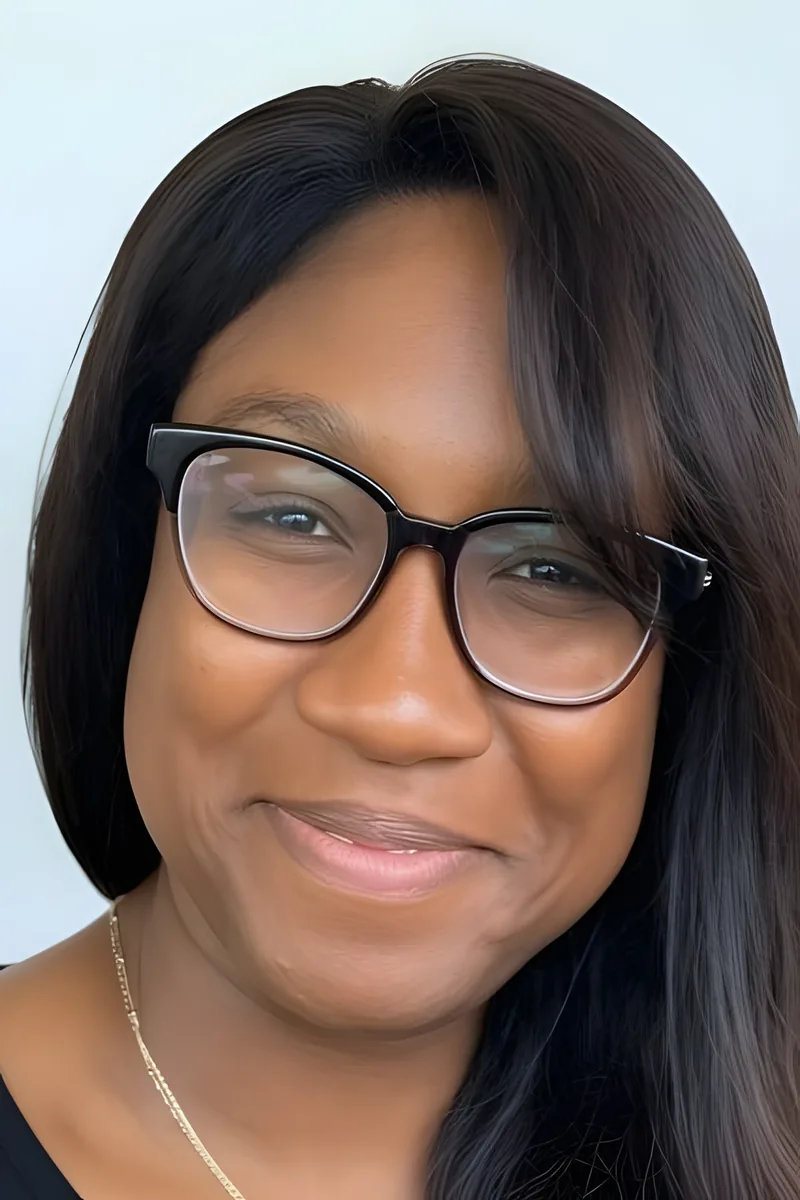
I am a registered nurse that earned my Bachelor of Science in Nursing from Duke University School of Nursing and a Bachelor of Arts in Healthcare Studies from the University of Richmond. As a dedicate...
Education & Certificates
Duke University
Bachelor
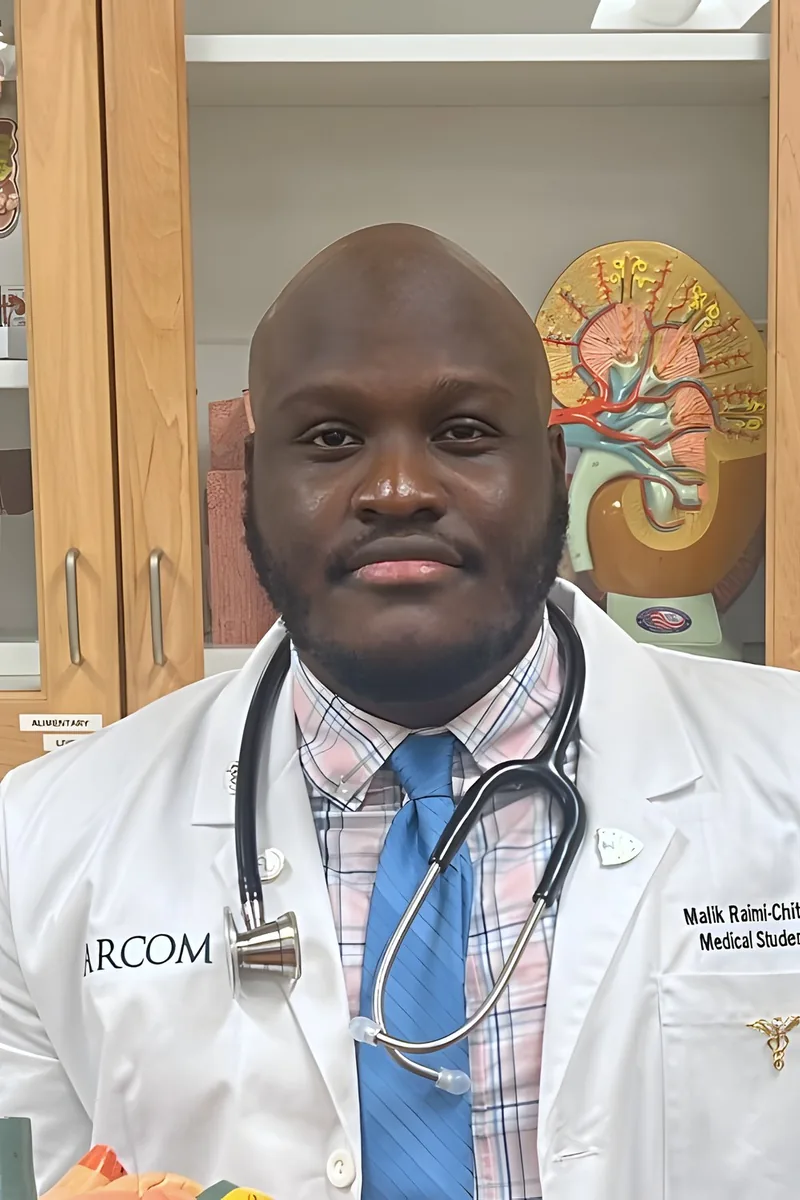
As a second-year medical student with a strong foundation in science and a passion for education, I specialize in making tough subjects easier to understand. I excel in math, biology, physics, and oth...
Education & Certificates
University of North Carolina at Charlotte
Bachelor's

I am above all passionate about Computer Science, Mathematics, English, and the Arts.
Education & Certificates
Stevens Institute of Technology
Bachelor of Science, Computer Science
ACT Scores

I am a medical school student of the Class of 2028 at New Jersey Medical School through being accepted
Education & Certificates
Rutgers University (New Brunswick)
Bachelor of Science, Biology, General
ACT Scores

I am an interdisciplinary educator with an Ed.M. from the Harvard Graduate School of Education and a B.A. from Dartmouth College. My background is primarily in integrated arts learning and museum educ...
Education & Certificates
Harvard University
Masters in Education, Education
Dartmouth College
B.A.
SAT Scores
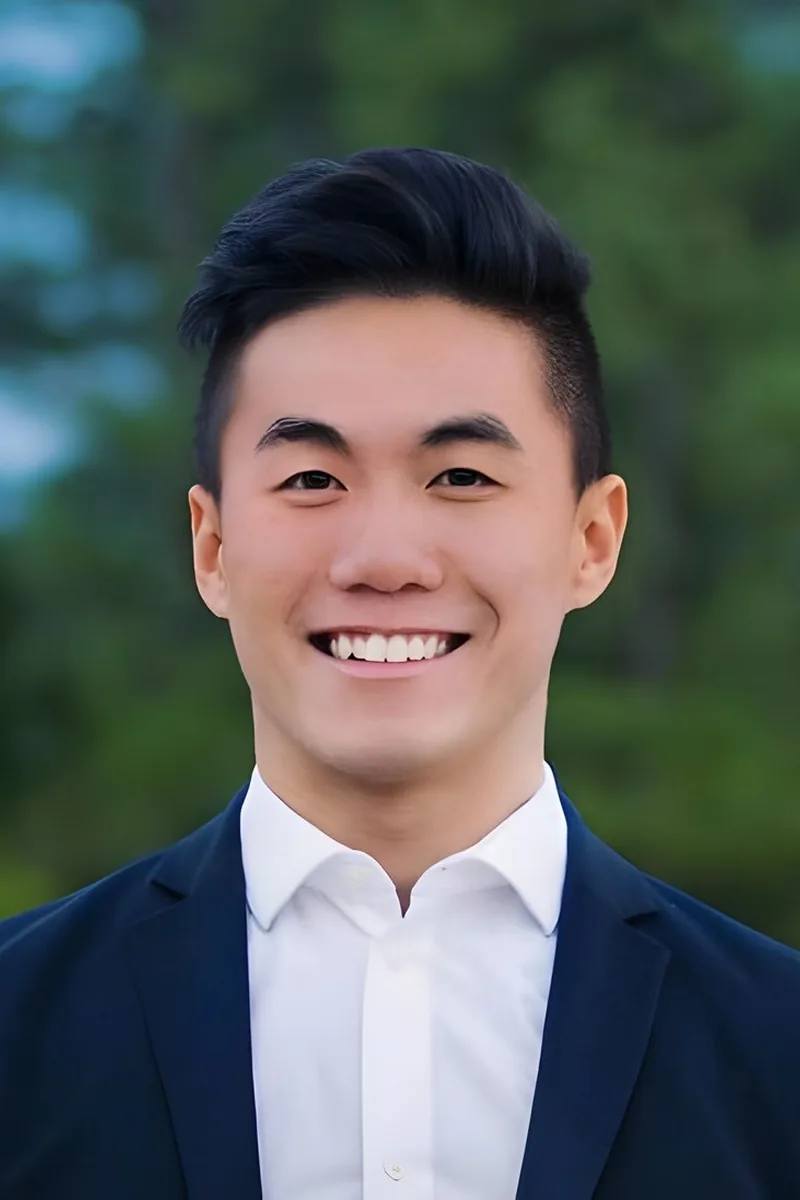
I'm not tutoring or buried in my textbooks, you will either find me rock climbing at the Triangle Rock Club, playing Ultimate Frisbee, working on my car, or enjoying the great outdoors (beaches, mount...
Education & Certificates
The University of Texas at Dallas
Bachelors, Mechanical Engineering
Duke University
Current Grad Student, Mechanical Engineering
SAT Scores

I am a recent graduate from a masters program in biostatistics at Columbia University. I received my Bachelor of Arts in biological sciences, with a focus in neurobiology at Northwestern University. I...
Education & Certificates
Columbia University
Masters in biostatistics
Northwestern University
Bachelor of Arts in biological sciences (focus in neurobiology)
SAT Scores

I am a graduate of Wesleyan University, where I received my Bachelor of Arts in Sociology with High Honors. With eight years of experience working in education, I've tutored students in math, science,...
Education & Certificates
Harvard University
PHD, Education
Wesleyan University
Bachelor in Arts, Sociology
ACT Scores
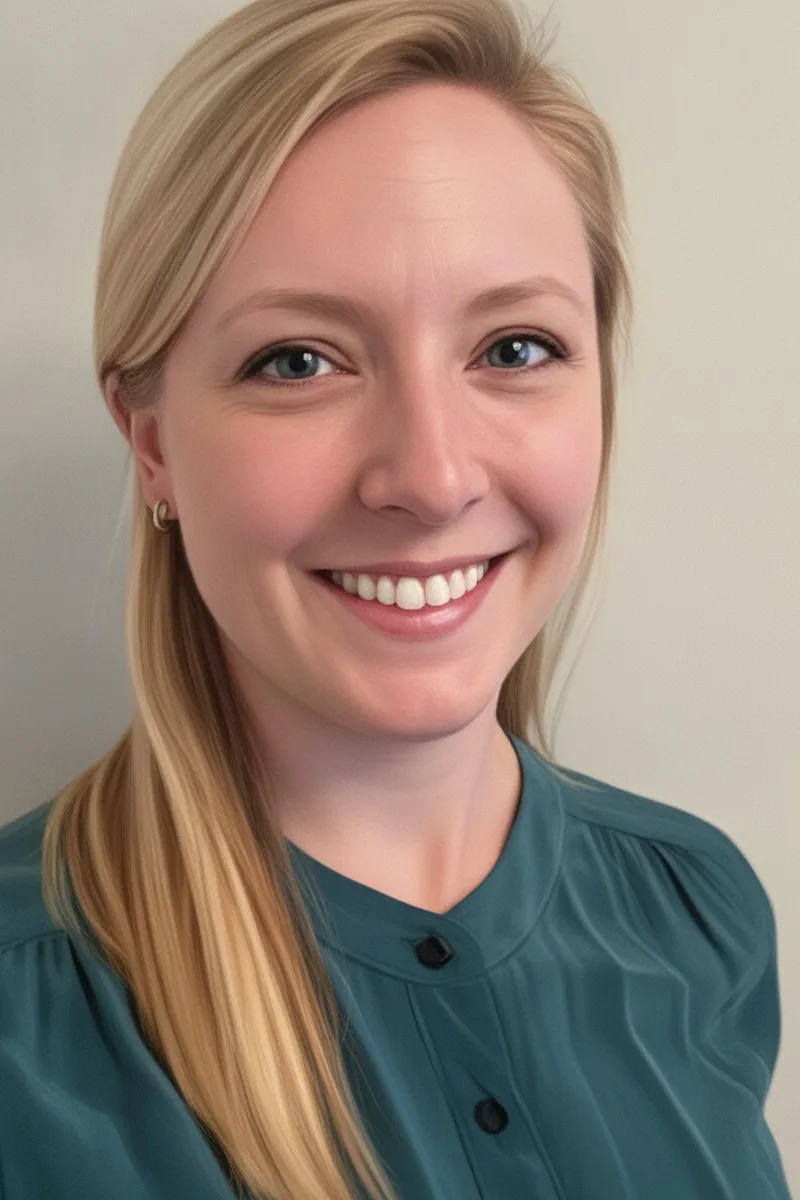
I am a graduate of Washington University in St Louis, where I received my Bachelor of Arts in History with minors in Humanities and Anthropology. Since graduation, I have worked as a tutor, teacher, a...
Education & Certificates
Simmons College
Masters, Special Education: Mild to Moderate Disabilities 5-12
Washington University in St. Louis
Bachelor of Arts in History (minors in Humanities and Anthropology)
ACT Scores
I am proud to be a part of Varsity Tutors! I am originally from San Antonio, TX; I completed my undergraduate education at Rice University in Houston where I received a bachelor's degree in Biochemist...
Education & Certificates
Baylor College of Medicine
Current Grad Student, M.D.
Rice University
Bachelor's in Biochemistry and Cell Biology
SAT Scores
Frequently Asked Questions
Score improvement depends on your starting point and how much you study, but most students see meaningful gains within 4-8 weeks of focused preparation. Students who work with tutors benefit from personalized instruction that targets their specific weak areas—whether that's the science section, reading comprehension, or math pacing—rather than studying everything equally.
The TEAS is very learnable with the right strategy. Tutors can help you identify which question types trip you up, teach you efficient problem-solving approaches, and build test-taking confidence so you're not wasting mental energy on anxiety during the actual exam.
The Science and Reading sections challenge most test-takers, but for different reasons. Science requires you to quickly absorb unfamiliar content and apply it—you don't need to be a biology expert, but you do need strong comprehension and reasoning skills. Reading is difficult because it's about understanding nuance and eliminating plausible-but-wrong answers, not just finding facts on the page.
Math tends to be more straightforward for students who've had recent algebra and basic statistics exposure. The real challenge across all sections is pacing: you have limited time per question, and anxiety often makes students rush or second-guess themselves. A tutor can help you develop section-specific strategies and practice under timed conditions so you're not scrambling on test day.
Most students benefit from 4-12 weeks of preparation, depending on their baseline knowledge and target score. If you're scoring in the 60th percentile range and aiming for competitive nursing school admission, you'll likely need more intensive work than someone already scoring 70+. The key isn't calendar time—it's consistent, targeted practice.
Tutors can help you create a realistic study schedule based on your specific strengths and gaps. Rather than cramming everything in the final weeks, spaced practice over time helps concepts stick better and builds genuine test readiness instead of temporary memorization.
Start by taking a full-length practice test under timed conditions—this gives you a real diagnostic picture of which sections and question types are causing problems. Many students think they know their weaknesses but are surprised by what the data actually shows. Reviewing your practice test results carefully matters more than the score itself: What questions did you get wrong? Did you run out of time? Did you misread what was being asked?
Tutors excel at analyzing your practice tests and identifying patterns you might miss on your own. They can spot whether your science struggles are about content knowledge, reading comprehension, or pacing, and then target instruction accordingly rather than having you waste time studying everything equally.
Yes—practice tests are one of the most effective tools for TEAS preparation. They serve multiple purposes: they help you identify weak areas, familiarize you with the actual question format and difficulty level, build test-taking stamina, and reduce anxiety by letting you know what to expect on test day. Many students underestimate how different practice feels from the real exam until they've done full-length timed attempts.
Tutors typically build practice tests into your prep plan strategically. They're not just about getting a score—they're diagnostic tools that guide your studying and help you track progress. Taking 3-4 full-length practice tests spaced throughout your prep period gives you both confidence and concrete data about whether you're ready.
Test anxiety is common, and it's actually manageable through preparation and strategy. The more prepared and confident you are, the less anxiety tends to interfere. Tutors help by building your genuine test-ready skills and also teaching practical techniques: how to pace yourself so you're not panicking about time, how to move on from a tough question instead of spiraling, and how to manage physical stress responses through breathing or mental techniques.
Many students find that practicing under timed, test-like conditions repeatedly—the way tutors structure prep—naturally builds confidence and reduces anxiety. Knowing you've done dozens of similar questions and understanding the patterns in how questions are asked makes the actual test feel familiar rather than threatening.
Look for tutors who understand both the test's content and its specific challenges. A great TEAS tutor isn't just knowledgeable about nursing prerequisites—they understand pacing, question strategy, and how to help you think like a test-maker. They should be able to explain why certain answer choices are distractors and teach you to spot patterns in how questions are constructed.
You also want someone who personalizes instruction based on your actual weak areas rather than covering everything equally. When you connect with Varsity Tutors, you're matched with experienced tutors who have helped students improve TEAS scores and can adapt their teaching to how you learn best. They'll use practice tests strategically, focus on your specific challenges, and help you develop both content knowledge and test-taking confidence.
Let's find your perfect prep plan
Answer a few quick questions. We'll recommend the right plan and match you with a top 5% instructor.