Award-Winning French
Tutors
French
Tutors
Private 1-on-1 tutoring, weekly live classes for academic support, test prep & enrichment, practice tests and diagnostics, and more to elevate grades and test scores.
Based on 3.4M Learner Ratings
UniversitiesSchools & Universities
DeliveredHours Delivered
ProficiencyGrowth in Proficiency
Who needs tutoring?
No obligation. Takes ~1 minute.
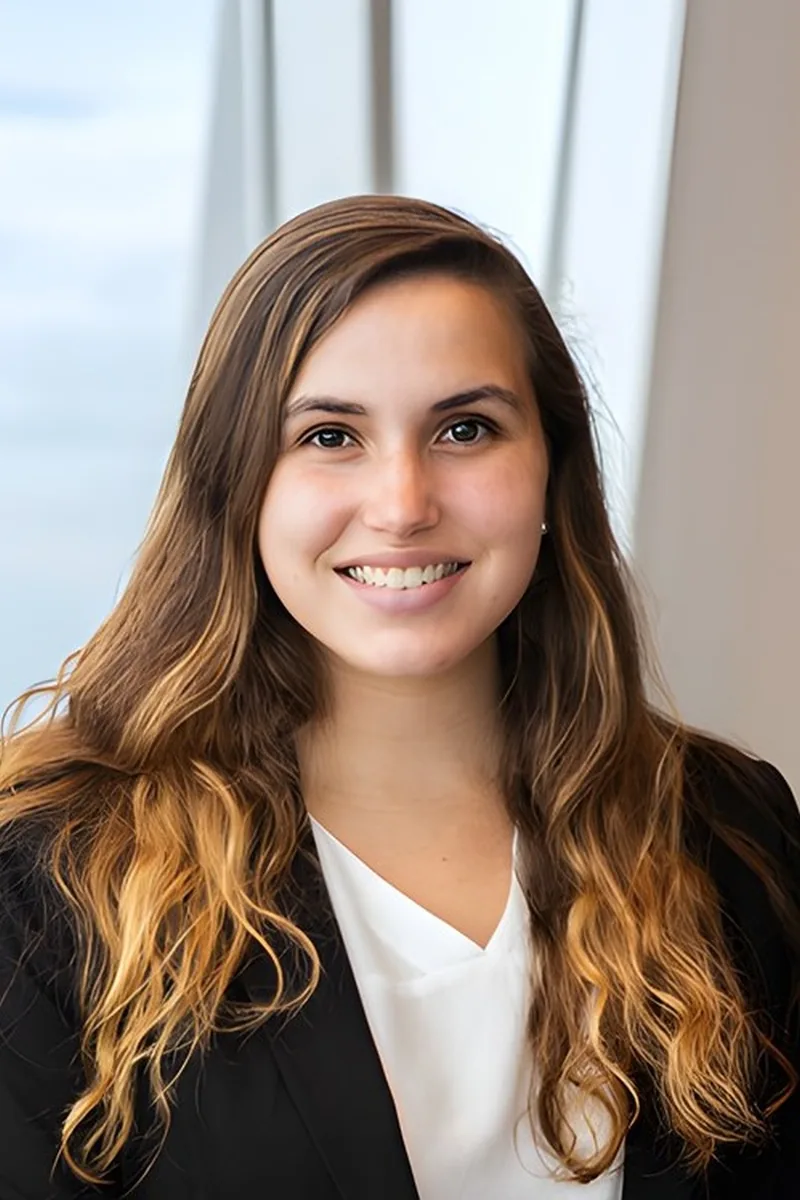
Time spent actually living in France separates Heather from tutors who learned the language only in a classroom. She teaches French grammar — verb conjugations, gendered nouns, subjunctive mood — with the kind of intuition that comes from navigating daily life in the language, from ordering at a boulangerie to reading Le Monde.
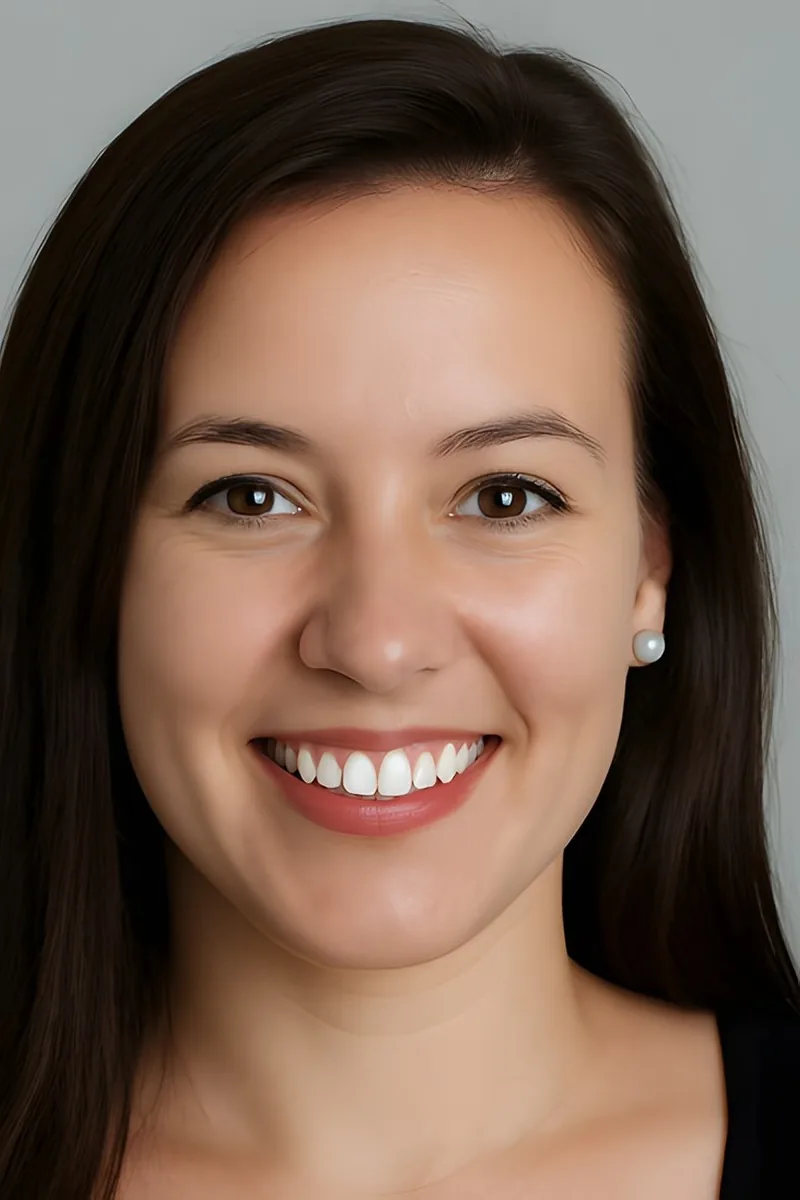
Eight months living and studying in France gave Kate the kind of fluency that textbooks alone can't provide — she knows how French actually sounds and flows in real conversation. She covers everything from passé composé vs. imparfait distinctions to advanced reading comprehension, and she's tutored both high school and adult learners.
Learning French means internalizing a new system of verb conjugations, gendered nouns, and sentence structures that don't map neatly onto English. Johann teaches French from beginner through advanced levels and uses his background in theatre to make pronunciation and spoken delivery feel natural rather than forced. His students build real reading and speaking ability, not just flashcard knowledge.
Four levels of French coursework gave Alessia a thorough command of everything from partitive articles to the plus-que-parfait. She teaches grammar as a system rather than a set of isolated rules, so students start recognizing patterns — like how object pronoun order works — instead of memorizing charts. Her 5.0 rating speaks to the clarity she brings to the language.
William teaches French across multiple levels, from foundational verb conjugations and noun-adjective agreement through more complex structures like the subjunctive and conditional tenses. His approach connects grammar rules to real reading and writing so that patterns stick instead of feeling like isolated drills.
Sarah's French isn't classroom-only; she actively reads, writes, and communicates in the language for her doctoral research on West African music. That practical fluency means she can teach grammar concepts like the subjunctive or object pronoun placement in context, connecting rules to how French actually sounds and functions in conversation and writing.
While French isn't Asta's primary language specialty, her background in language instruction — including ESL/ELL and Mandarin — means she understands how grammar systems work across languages and how to make verb conjugations and gendered nouns click for English speakers. She brings a structured, analytical approach to building reading and writing skills in French.
Manolya teaches French across multiple levels — from verb conjugation patterns and gendered noun agreement through advanced reading comprehension and composition. Her depth in the language spans AP-level coursework and standardized French exams, giving her a clear sense of what trips students up at each stage. Rated 5.0 by students.
Learning French requires consistent practice and the willingness to make mistakes out loud — two things that are harder than they sound when self-consciousness takes over. Kerry teaches across all four levels of French and uses her psychology training to create a low-pressure environment where students actually speak, conjugate, and think in the language. She emphasizes verb tenses, conversational fluency, and the listening comprehension skills that classroom instruction often rushes past.
Learning French from Laura means learning from someone who didn't just study the language in a classroom — she lived it during an immersion semester in Toulouse and now pursues it as a full major at Washington University. She unpacks tricky grammar concepts like the subjunctive mood and pronoun placement by connecting them to how French speakers actually talk, making rules feel intuitive rather than arbitrary.
Viraj is completing a French minor at Cornell, which means he's actively working through the grammar, composition, and oral comprehension that language learners find trickiest. He tackles verb conjugation patterns and sentence structure with the same analytical precision he brings to his science coursework, making abstract grammar rules feel more logical.
Having tutored French to middle and high school students, Emily knows exactly where learners tend to stall — verb conjugation patterns, gendered nouns, and the leap from translating word-by-word to thinking in full French sentences. She builds reading and conversation skills alongside grammar so that rules stick in context rather than in isolation.
Living in France for a year and tutoring in Dartmouth's French department gave Ben a feel for the language that goes well beyond verb charts. He unpacks tricky grammar concepts like the subjunctive and object pronoun placement by connecting them to real spoken patterns, making the rules intuitive rather than arbitrary. Rated 5.0 by students.
Few tutors can match Claire's depth with French: she began at age five, earned a degree in it from Brown, TA'd university French courses, and lived entirely in French during a semester in Senegal. Whether a student is conjugating être for the first time or preparing to discuss Francophone literature, she adapts her teaching to the level and makes the language feel accessible rather than academic.
Studying both linguistics and psychology at the University of Chicago gave Sherry an unusual edge for teaching French — she understands how language systems are structured and how the brain actually acquires new ones. She applies that dual perspective to everything from gendered noun patterns to the nuances of French phonology, making unfamiliar sounds and grammar feel more logical. Rated 5.0 by students.
Of all the subjects Daniel covers, foreign languages — especially French — represent his deepest tutoring experience, from foundational vocabulary and verb conjugations to preparing students for AP French Language and Culture. He also teaches Spanish, so he can draw on the structural similarities between the two Romance languages to make French grammar patterns like agreement rules and tense formation feel more intuitive. Holds a 5.0 rating.
Lauren earned her bachelor's degree in French, which means she doesn't just teach grammar rules — she understands the language from the inside, including the irregular verb patterns, gendered agreement quirks, and subjunctive triggers that textbooks often gloss over. Whether a student is wrestling with passé composé versus imparfait or building reading comprehension, she can explain the why behind the rule.
Learning French means internalizing patterns — verb conjugation systems, gendered agreement, the logic behind subjunctive triggers — not just memorizing word lists. Emily earned a full French major at Yale alongside her science degree, so she teaches the structure underneath the language in a way that makes new grammar feel predictable rather than random.
Skyler's language-learning background extends beyond her Russian specialization — she has studied French formally and brings a linguist's eye to verb conjugation patterns, pronoun usage, and the grammatical structures that trip up English speakers. Her approach connects French grammar to the logic behind it, so rules like the subjunctive mood or passé composé vs. imparfait distinction actually make sense rather than feeling arbitrary.
Most French tutors learned the language; Nicholas studied how it works at the graduate level, earning a master's in French Linguistics and Pedagogy. That means he can explain why certain verb conjugations follow the patterns they do, how pronoun placement shifts in complex sentences, and what makes French syntax feel intuitive rather than arbitrary.
As a French major who studied the language through advanced literature and cultural analysis, Xaviera brings depth that goes well beyond conjugation drills. She connects grammar concepts like the subjunctive and passé composé to real usage — showing students how French actually sounds and functions in context. From beginning vocabulary to complex written expression, she adapts to each level.
While French isn't Finley's primary academic focus, he has studied the language through multiple levels and brings the same structured, analytical approach he uses in his Harvard coursework to grammar rules, verb conjugations, and reading comprehension. He's particularly useful for students who need help organizing their study approach and building vocabulary systematically.
Learning French grammar often clicks faster when someone can explain why a structure works, not just what the rule is. Kirstie's liberal arts training and strong grounding in Latin give her an unusual ability to connect French syntax back to its roots, making patterns like subjunctive triggers and pronoun placement feel logical rather than arbitrary.
Having studied French through the advanced level, Jackie tackles everything from verb conjugation patterns and pronoun placement to reading comprehension in the target language. She connects grammar rules to practical usage so that concepts like the subjunctive mood or passé composé vs. imparfait distinction actually make sense instead of feeling like arbitrary rules to memorize.
Learning French well means internalizing patterns — when to use the subjunctive, how object pronouns rearrange in compound tenses, why certain prepositions follow certain verbs. Martha treats these not as arbitrary rules but as a system students can reason through, drawing on her background in psychology to understand how learners actually acquire and retain new structures. She's taught French from introductory through advanced levels and holds a 5.0 client rating.
A French major at Northwestern, Emma doesn't just teach vocabulary lists and verb conjugations — she builds lessons around reading, listening, and conversation so that grammar concepts like the subjunctive or object pronoun placement click in context. Her dual background in French language and French literature gives her a depth that's especially useful for students moving past the intermediate plateau.
Grammar tables and verb conjugations only stick when they're connected to actual communication, not drilled in isolation. Ruthie teaches French by linking structures like the passé composé and imparfait to the situations where each one naturally appears, building both accuracy and confidence. Her 5.0 rating speaks to an approach that keeps students engaged rather than overwhelmed.
Chelsey studied French through two levels of coursework and brings a structured, analytical approach to the language — breaking down verb conjugations, grammatical gender, and sentence construction so patterns become intuitive. Her background in literature also means she can connect French language learning to cultural context, from reading short texts to understanding idiomatic expressions.
Eleven years of French study and time living abroad in a Francophone country turned Abby into a self-described French grammar geek — the kind of tutor who can explain the subjunctive mood or the nuances of passé composé vs. imparfait with genuine enthusiasm. She tackles everything from verb conjugation drills to advanced reading comprehension. Her deep comfort with the language means she can adapt quickly whether a student is struggling with basics or preparing for the SAT Subject Test.
Sarah teaches French through all four levels, from foundational verb conjugations and gendered nouns in French 1 through the literary analysis and advanced grammar of French 4. Her approach ties vocabulary and structure together so that irregular verbs and subjunctive constructions start to feel like patterns rather than exceptions.
Having prepared for and taught the SAT French and SAT French with Listening exams, Andrew brings real familiarity with French grammar — verb conjugations, pronoun usage, subjunctive triggers, and the idiomatic phrases that trip up intermediate learners. He takes an analytical approach to the language, which works especially well for students who think in logical structures.
Earning a full Bachelor of Arts in French means Julie didn't just study the language — she read, wrote, and argued in it at an advanced academic level. She digs into verb tenses, subjunctive triggers, and pronoun placement with the kind of precision that moves students past intermediate plateaus. Whether the goal is conversational fluency or mastering written grammar, her dual-degree background keeps lessons grounded in how French is actually used.
Learning French through all four levels takes sustained momentum, and Ivanna keeps students progressing by linking new grammar — passé composé versus imparfait, relative pronouns, conditional constructions — back to patterns they already know. Her own experience as a multilingual learner gives her sharp instincts for where English speakers tend to stumble in French.
Though her primary expertise runs through biology and medicine, Amanda's structured, analytical approach to learning transfers well to picking apart French grammar — she treats verb conjugation patterns and noun-gender rules like systems to decode rather than lists to memorize. Her experience preparing for the SAT Spanish with Listening exam also means she's familiar with the discipline of foreign language study, from building vocabulary systematically to training your ear for spoken comprehension.
Margot's French studies span grammar, reading comprehension, and cultural context — from mastering passé composé versus imparfait to navigating authentic French texts. She connects language rules to real usage patterns so that conjugation tables start making intuitive sense rather than feeling like rote memorization.
Growing up in Rwanda and Kenya, Caleb used French daily as a living language — not just a classroom exercise. He teaches verb conjugations, pronoun structures, and written composition by connecting grammar rules to how French actually sounds and functions in francophone Africa. His 35 ACT composite speaks to the analytical rigor he brings to language study.
While French isn't Cindy's primary language specialty, her experience learning and teaching multiple languages gives her a structured approach to grammar, verb conjugation, and vocabulary acquisition. She's especially effective at showing students how to decode reading passages and write clear, grammatically sound compositions.
Born and raised near Paris, Sophie is a native French speaker who earned her degree at Brown — meaning she understands French from the inside and knows exactly where English speakers get tripped up. She digs into verb conjugation patterns, gendered agreement, and sentence structure with the kind of intuitive explanations only a true bilingual can offer.
Sara is minoring in French at Washington University in St. Louis and has studied the language through the advanced level, giving her a deep understanding of verb conjugation patterns, gendered grammar, and the subtleties of written French. She teaches grammar not as a set of disconnected rules but as a system that becomes intuitive with the right practice. Rated 4.7 by students, she covers everything from foundational vocabulary to complex literary and conversational registers.
Spending a semester abroad in France during high school immersed Manuela in everyday French — navigating conversations, reading local news, and picking up the informal speech patterns that classroom French often skips. She pairs that real-world fluency with a Romance Languages degree, so she can unpack tricky concepts like the passé composé vs. imparfait distinction or pronoun placement in compound tenses with genuine clarity.
Testimonials
Because the right French tutor makes all the difference.
Average Session Rating – Based on 3.4M Learner Ratings
Top 20 Languages Subjects


Top 20 Subjects
Frequently Asked Questions
French verb conjugation is one of the most challenging aspects for learners because of the sheer number of tenses and irregular verbs. A tutor can break down conjugation patterns systematically, starting with present tense regular verbs (-er, -ir, -re) before moving to compound tenses like passé composé and imparfait. Rather than memorizing tables, expert tutors teach you to recognize patterns and understand when to use each tense in real conversation, which makes conjugation stick much better than classroom drilling alone.
In a classroom, most students speak only a few minutes per class. With personalized 1-on-1 instruction, you get continuous speaking practice where a tutor can correct your pronunciation, help you think through complex sentences, and respond naturally to keep conversation flowing. Tutors also adapt the difficulty in real-time—slowing down when you need it or pushing you to use more advanced structures—which accelerates your ability to think and speak in French without translating from English first.
Many students struggle with listening because native speakers talk quickly and use connected speech, slang, and cultural references that textbooks don't teach. Tutors expose you to authentic French audio at your level, pause to explain difficult passages, and teach you strategies like listening for key words rather than understanding every single word. They can also use French media—podcasts, films, news clips—tailored to your interests, which keeps you engaged while building the ear training that classroom listening exercises alone often miss.
Passive vocabulary lists don't work—you need to use new words in context and revisit them repeatedly. Expert tutors teach vocabulary through conversation and real scenarios rather than flashcards, and they use spaced repetition by bringing back words you've learned in previous sessions. They also help you understand word families and patterns (like how -tion words are similar in French and English), which lets you learn more efficiently and remember words longer because they're connected to meaning, not just memorized.
Yes—pronunciation is one of the biggest advantages of 1-on-1 tutoring. Tutors can identify exactly which sounds you're struggling with (like the French 'r', nasal vowels, or silent letters) and show you how to position your mouth and tongue correctly. They provide immediate feedback in conversation, so you can hear the difference between your pronunciation and native-like speech, and they help you practice the rhythm and intonation of French, which are just as important as individual sounds for sounding natural.
The best French tutors teach grammar as a tool to understand patterns, not as rigid rules to memorize. For example, they explain why the passé composé uses 'avoir' vs 'être' by showing you the pattern, then immediately use it in real sentences so you internalize when it's actually used. This approach—learning grammar in context rather than in isolation—helps you develop intuition for what sounds right in French, which is essential because native speakers don't think about grammar rules when they speak.
Language and culture are inseparable. Understanding French cultural references, idioms, and social norms helps you use language appropriately and makes learning more engaging. For instance, knowing that 'tu' vs 'vous' reflects social hierarchy helps you understand why these distinctions matter beyond just grammar rules. Tutors who weave in cultural context—through films, literature, current events, or discussions about French-speaking regions—help you develop communicative competence, not just technical language skills.
True immersion means thinking and responding in French without translating. Expert tutors create this by speaking primarily in French during sessions (adjusted to your level), encouraging you to express ideas in French even if it's imperfect, and gently correcting mistakes without breaking the flow of conversation. Over time, this trains your brain to process French directly rather than translate from English, which is the key to developing real fluency and confidence in spontaneous conversation.
Let’s find your perfect tutor
Answer a few quick questions. We’ll recommend the right plan and match you with a top 5% tutor.