Award-Winning Conversational Spanish
Tutors
Conversational Spanish
Tutors
Private 1-on-1 tutoring, weekly live classes for academic support, test prep & enrichment, practice tests and diagnostics, and more to elevate grades and test scores.
Based on 3.4M Learner Ratings
UniversitiesSchools & Universities
DeliveredHours Delivered
ProficiencyGrowth in Proficiency
Who needs tutoring?
No obligation. Takes ~1 minute.
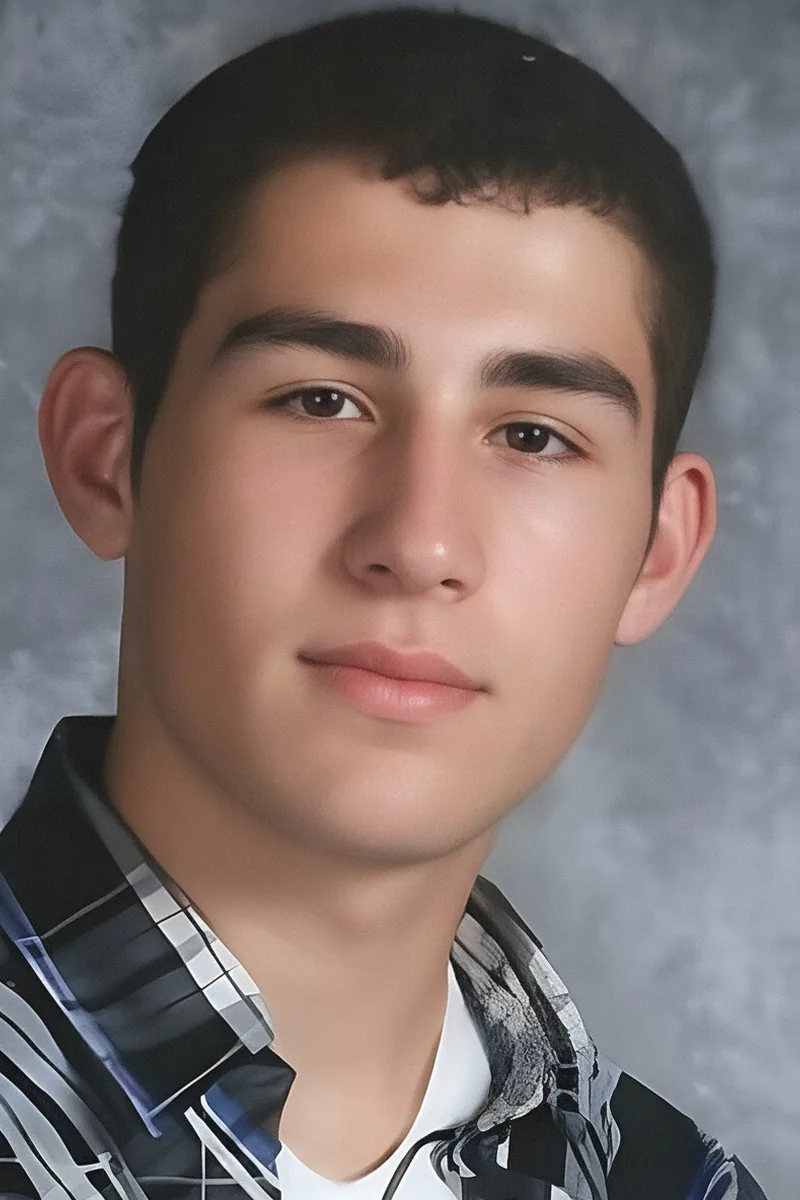
Conversational fluency requires more than textbook vocabulary — it means thinking in Spanish fast enough to respond naturally. Christopher bridges that gap by connecting grammar patterns students already know to real spoken contexts, building comfort with idiomatic expressions, informal register, and the kind of rapid-fire exchanges that classroom drills rarely replicate.
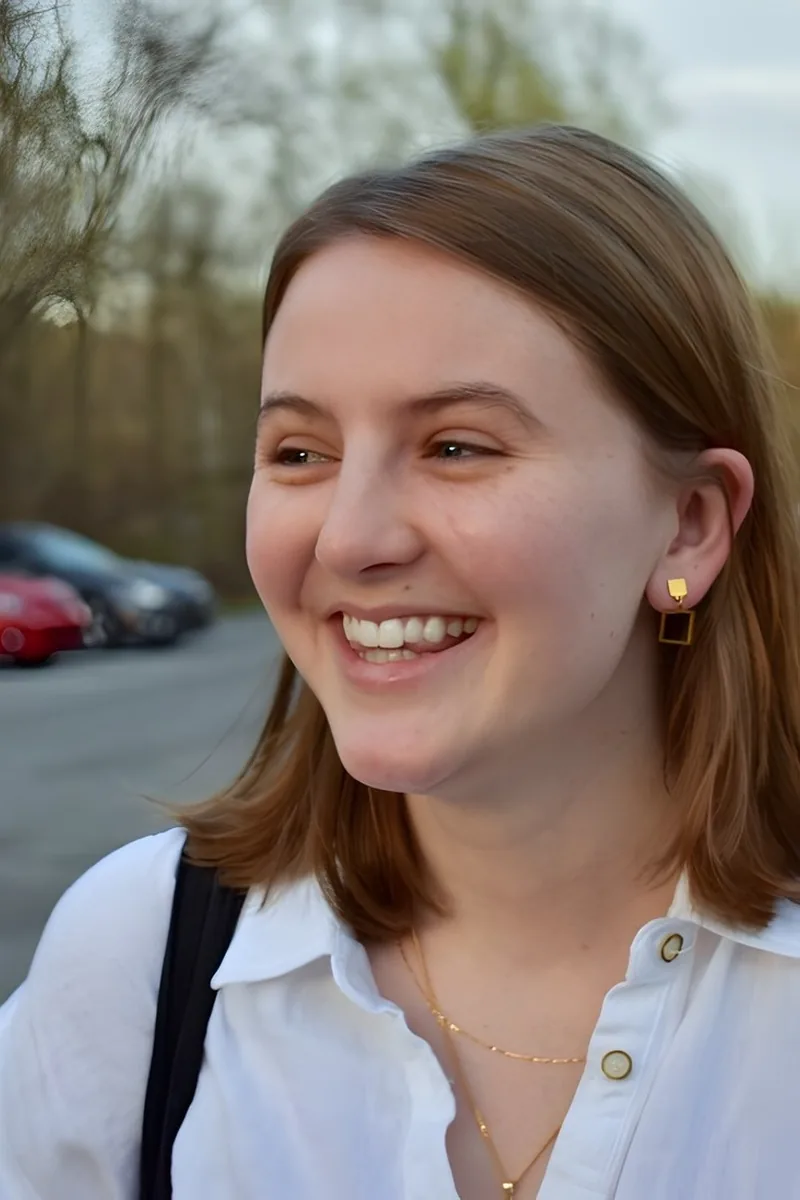
Conversational fluency stalls when students mentally translate from English instead of thinking in Spanish — and breaking that habit requires more than just vocabulary drills. Renee uses discussion prompts around everyday topics like ordering food, navigating travel, or debating opinions to build the reflexive comfort that makes real conversation possible. Her PhD-level fluency means she can adjust naturally between casual and formal registers depending on what a student needs.
Living in Madrid and taking university courses alongside Spanish students gave Meghan the kind of conversational fluency that a classroom alone can't produce. She knows the idiomatic expressions, the filler words, and the rhythms of real spoken Spanish — not just textbook dialogue. She builds students' confidence by practicing the informal, rapid-fire exchanges that make someone sound like they actually speak the language.
Textbook Spanish and actual spoken Spanish are two different languages — Elena bridges that gap by drawing on her Spanish degree and her experience teaching ESL, which gave her insight into how people actually acquire conversational fluency. Sessions zero in on natural phrasing, listening comprehension at real speed, and the confidence to stop translating in your head before you speak.
While Spanish isn't Vivian's primary teaching area — her strengths cluster around standardized test prep and English — her analytical approach to language structure transfers well to conversational practice. She treats dialogue the same way she treats a tricky ACT passage: breaking it into manageable patterns, identifying what trips people up, and drilling the specific phrases and responses that make real-time conversation feel less daunting.
Most conversational Spanish courses teach scripted dialogues that fall apart the moment someone goes off-script. Julie spent years working professionally in Mexico and the Dominican Republic, navigating real conversations in business, travel, and daily life — and she teaches students to do the same, building comfort with improvisation, slang, and the rhythms of natural speech.
Building conversational fluency means getting comfortable making mistakes in real time, not just acing fill-in-the-blank exercises. Richard pairs structured dialogue practice with targeted vocabulary expansion, drawing on his own experience preparing for the SAT Spanish with Listening exam, where understanding spoken context is everything.
Getting comfortable speaking Spanish out loud is a different challenge from acing a grammar quiz, and Mica approaches conversation practice accordingly. She builds sessions around real-world scenarios — ordering food, navigating directions, discussing current events — so students develop the reflexive fluency that comes from actually using the language under low-pressure conditions.
Getting comfortable speaking Spanish requires more than memorized phrases — it means learning to think on your feet when you don't know the exact word. Emily builds conversational confidence by running through real scenarios like ordering food, describing symptoms at a doctor's office, or debating everyday topics, correcting grammar and pronunciation in real time.
Living and working in Chile for four years means Anna's conversational Spanish goes well beyond classroom dialogues — she knows the slang, the filler words, and the regional expressions that make someone sound natural rather than rehearsed. She builds students' confidence by practicing real-world scenarios like ordering food, telling stories, and navigating disagreements, all while sharpening pronunciation and listening skills.
Conversational fluency comes from actually using the language, not translating word-by-word in your head. Jake structures sessions around real dialogue — ordering food, debating opinions, narrating daily routines — and corrects grammar and pronunciation in context so students build the confidence to speak without freezing up.
Conversation is where language learning either comes alive or stalls out, and Amanda treats speaking practice as the core of each session rather than an afterthought. She builds exercises around everyday scenarios — ordering food, asking for directions, describing weekend plans — so students gain confidence producing Spanish in real time. Her own love of the language keeps sessions energetic and low-pressure.
Actually speaking Spanish — ordering food, telling a story, disagreeing politely — requires different muscles than acing a grammar quiz. Pinelopi builds conversational confidence by drilling real-world scenarios, from small talk to opinion-based discussion, so students stop translating in their heads and start responding naturally. She's tutored every level of Spanish and holds a 5.0 rating.
Actually speaking Spanish requires a different skill set than acing a grammar quiz — it means thinking in the language fast enough to hold a real exchange. Dalton runs conversational practice around everyday scenarios like ordering food, asking for directions, and describing plans, building vocabulary in context rather than from flashcards. He adjusts complexity on the fly, so beginners and intermediate speakers both get pushed at the right level.
Years of engaging with Spanish-language sources during her Latin American History studies at Duke gave Jean conversational fluency rooted in real cultural context. She builds speaking confidence by moving beyond scripted dialogues into topics students actually care about — travel, current events, food, music — while naturally reinforcing verb conjugation and idiomatic expressions along the way.
Getting comfortable speaking Spanish requires more than vocabulary drills — it takes practice navigating real exchanges like ordering food, asking for directions, or sustaining small talk. Diana designs conversational sessions around practical scenarios and teaches students to listen for context clues when they hit unfamiliar words. Her background in language acquisition means she knows how to push students past the hesitation stage without overwhelming them.
Conversational fluency requires getting comfortable with imperfection — stumbling through a sentence and self-correcting in real time. Matt's Spanish minor and years of practice give him the vocabulary range to hold conversations on everyday topics like food, travel, and current events while naturally introducing idiomatic expressions and pronunciation corrections along the way.
Getting comfortable speaking Spanish requires more than textbook drills — it takes practice navigating real exchanges like ordering food, telling stories, or asking follow-up questions. Samantha builds conversational confidence by structuring sessions around practical dialogue, gradually introducing idiomatic expressions and natural phrasing so students stop translating in their heads and start thinking in Spanish.
Running a nonprofit in Ecuador means Vanessa speaks Spanish daily in contexts that range from community health workshops to casual neighborhood conversations. She brings that practical fluency into sessions, building students' confidence with colloquial expressions, natural phrasing, and the kind of responsive listening skills that textbooks rarely cover. Rated 5.0 by her students.
Tony holds a BA in Spanish and a master's in Latin American Studies, which means his conversational Spanish goes well beyond classroom drills — he can walk students through regional slang, subjunctive mood in everyday speech, and the cultural context that makes certain phrases land differently in Mexico City versus Buenos Aires. Whether someone needs to sharpen their speaking for travel, work, or daily life, he builds sessions around real scenarios and authentic dialogue.
Learning to actually speak Spanish — not just conjugate verbs on a worksheet — requires practice with real conversational patterns like asking follow-up questions, narrating daily routines, and expressing opinions naturally. Charles builds sessions around these everyday exchanges, drawing on his experience teaching Spanish across multiple proficiency levels. Rated 5.0 by students, he keeps conversations moving while weaving in grammar corrections organically.
Dancing on Yale's Latin dance team, Sabrosura, gives Maxwell regular immersion in Spanish conversation outside the classroom — the kind of informal, fast-paced dialogue that textbooks can't replicate. He teaches students to stop translating in their heads and start responding naturally, building comfort with colloquial expressions, filler words, and the rhythm of real spoken Spanish.
Conversation is where grammar rules either click or collapse, and Molly's Columbia Spanish degree gives her the fluency to keep dialogue flowing while correcting errors in real time. She structures sessions around everyday scenarios — ordering food, asking for directions, discussing opinions — so students build the confidence to speak without mentally translating every sentence from English first.
Speaking a language and reading it are two different skills — conversational Spanish requires thinking on your feet, not conjugating on paper. Cassandra's background in comparative literature means she approaches Spanish through storytelling, context clues, and real dialogue patterns that build the kind of fluency flashcards can't.
Conversation stalls when students mentally translate every sentence from English before speaking. David tackles this by building comfort with high-frequency phrases, transition words, and question structures that keep dialogue moving naturally. His experience across multiple levels of Spanish means he can adjust complexity in real time — slowing down for beginners or pushing advanced speakers into spontaneous debate.
Conversation is where grammar rules either click or fall apart, and Sarah treats each session as a chance to practice real exchanges — ordering food, debating opinions, narrating past events — rather than just reading from a script. Her experience across multiple levels of Spanish means she can adjust complexity on the fly, slowing down for beginners or pushing advanced speakers into subjunctive territory.
Picking up conversational Spanish from a textbook is one thing; actually using it is another. Victoria developed her spoken Spanish through years of daily communication with Spanish-speaking families while teaching in underserved schools, so she emphasizes practical dialogue, pronunciation, and the kind of natural phrasing that makes a student sound less like a grammar exercise and more like a real speaker.
Conversation is where Spanish stops being a school subject and starts being a skill. Sam builds sessions around practical dialogue — ordering food, describing daily routines, asking follow-up questions — so students gain the confidence to speak fluidly instead of mentally translating every sentence from English first.
Isaiah teaches Spanish across four levels and brings a film production background that makes him unusually good at storytelling exercises — narrating scenes, describing characters, improvising dialogue — which build conversational reflexes faster than rote drills. His SAT score of 1590 signals the kind of precise language instincts that carry over into coaching students on word choice, natural phrasing, and thinking on their feet in a second language.
Becoming fluent in Spanish while living in Spain meant Rebecca had to learn conversational survival skills firsthand — ordering food, negotiating directions, jumping into rapid group conversations where nobody slowed down. She teaches students the filler words, question structures, and response patterns that make spoken Spanish feel natural rather than rehearsed.
Currently living in Costa Rica and building a 3D-printed prosthetic leg, Nicolette uses Spanish every single day — negotiating with vendors, collaborating with local engineers, and navigating everyday life. She teaches conversational fluency by simulating the real situations where hesitation kills momentum, from ordering food to explaining a complex idea on the fly.
Minoring in Spanish at Rice while actively learning additional languages on his own, Adam treats conversational practice as more than vocabulary drills — he builds sessions around real dialogue scenarios like ordering food, navigating directions, and debating everyday topics. His cognitive science background gives him a sharp understanding of how the brain acquires language, so he structures practice around the listening and response patterns that actually make fluency stick.
Conversation is where grammar rules either click or crumble, and Moriah uses spoken practice to reinforce verb tenses, idiomatic expressions, and natural sentence flow in Spanish. Rather than scripted dialogues, she builds sessions around topics students actually want to discuss, which keeps vocabulary acquisition tied to real context. Her experience managing and teaching at a prep school means she knows how to push students past the hesitation that stalls most conversational progress.
Most conversational Spanish practice stalls because students wait until they feel "ready" to speak — Dylan breaks that cycle on day one. Drawing on years of living in Spanish-speaking communities worldwide, he builds sessions around real dialogue: ordering food, navigating directions, telling stories, and recovering gracefully from mistakes. His approach turns hesitation into habit and habit into confidence.
Living and tutoring in Peru gave Priscilla the kind of conversational Spanish fluency that's hard to develop in a classroom alone. She picked up natural phrasing, colloquial expressions, and the confidence to navigate real conversations — exactly what students need when they want to move beyond textbook exercises. Sessions emphasize practical speaking scenarios, from everyday exchanges to more nuanced discussions.
Most conversational Spanish practice stalls because students translate in their heads before speaking. Rebecca breaks that habit by running structured but natural dialogue exercises — ordering food, telling stories, debating opinions — that push students to think in Spanish rather than through English. Her experience teaching multiple levels of Spanish means she can calibrate complexity on the fly.
Living in Spain for a year transformed Matthew's Spanish from classroom-correct to genuinely conversational — navigating markets, debating politics, cracking jokes. He uses that immersion experience to push students past the translate-in-your-head phase and into thinking directly in Spanish. Sessions emphasize real dialogue patterns, colloquial expressions, and the listening skills that textbooks rarely develop.
Sarah's Spanish coursework through Spanish 3 and her science-heavy pre-dental track at Vanderbilt give her an unusual angle on conversational practice — she can walk through everyday topics like health, travel, and daily routines while reinforcing the verb forms and vocabulary that make spontaneous speech feel less forced. Her 34 ACT and 5.0 tutoring rating reflect sharp communication instincts she applies across subjects, including keeping Spanish dialogue moving at a pace that stretches students without overwhelming them.
Conversational fluency isn't about knowing every vocabulary word — it's about staying in the flow of a conversation even when you hit a gap. Sarah's Spanish degree and international education background mean she's spent years navigating real-world Spanish in academic, professional, and casual settings, and she builds that same confidence in her students through structured dialogue practice and targeted idiomatic expressions.
Having studied Spanish through IB Language B HL and across multiple levels, Kaya treats conversational practice as more than vocabulary drills — she builds sessions around real exchanges like ordering food, navigating disagreements, or explaining your opinion on the spot. Her Princeton public policy background also means she can steer conversations toward current events and cultural topics that keep students genuinely engaged.
Testimonials
Because the right Conversational Spanish tutor makes all the difference.
Average Session Rating – Based on 3.4M Learner Ratings
Top 20 Languages Subjects


Top 20 Subjects
Frequently Asked Questions
Verb conjugation is one of the biggest hurdles in conversational Spanish, but memorizing tables doesn't build fluency. A tutor uses contextual, conversation-based practice where you conjugate verbs naturally while discussing real topics—ordering food, describing your day, or talking about plans. This approach helps you internalize patterns through repetition in meaningful contexts rather than isolated drills, so conjugations become automatic when you're actually speaking.
In a classroom, you might speak Spanish for just a few minutes per class; in a 1-on-1 session, you're speaking for the entire time. A tutor can adapt conversations to your level, gently correct pronunciation and grammar in real-time without interrupting your flow, and create a low-pressure environment where you're comfortable making mistakes. This sustained, personalized speaking practice is what actually builds conversational confidence and fluency.
Learning vocabulary lists doesn't help you use words in real conversations. A tutor focuses on thematic vocabulary—grouping words by context like "at a restaurant" or "talking about family"—and practices them repeatedly in dialogues and role-plays. Spaced repetition across multiple sessions, combined with using new words in actual conversations, helps move vocabulary from short-term memory into long-term retention where you can access it when speaking.
Accent and pronunciation challenges vary widely—some students struggle with rolling R's, others with the Spanish TH sound (theta), and many with stress and intonation patterns that affect how natural they sound. A tutor can identify your specific pronunciation issues, model correct sounds, and give you targeted practice with immediate feedback. Over time, hearing and repeating correct pronunciations in conversation builds muscle memory and helps you sound more natural when speaking.
Many students can read Spanish but struggle to understand native speakers at natural speed. A tutor speaks at various speeds, uses authentic expressions and colloquialisms, and teaches you to listen for key words rather than understanding every single word—a critical skill for real conversations. They also expose you to different accents and speaking styles, helping you develop the listening flexibility you need in actual Spanish-speaking environments.
Language and culture are inseparable—knowing the grammar for a phrase isn't enough if you don't understand when it's appropriate to use it or what it means in context. A tutor helps you understand cultural nuances like formal vs. informal speech (tú vs. usted), regional differences in vocabulary and expressions, and social norms around conversation topics. This cultural awareness prevents awkward misunderstandings and helps you communicate authentically, not just grammatically.
Intermediate students typically focus on building confidence with everyday conversations, expanding vocabulary, and smoothing out grammar gaps that interrupt fluency. Advanced students work on nuanced expression—using subjunctive mood appropriately, understanding regional idioms, discussing complex topics, and developing near-native pronunciation and intonation. A tutor tailors conversations and challenges to your level, pushing you toward greater sophistication without overwhelming you.
Immersion-style tutoring means conducting as much of the session as possible in Spanish, even at beginner levels, rather than relying on English explanations. The tutor uses gestures, visuals, and context to help you understand, and only switches to English when absolutely necessary for clarification. This approach forces your brain to process Spanish more naturally and builds confidence faster because you're practicing real communication from the start, not just studying the language.
Let’s find your perfect tutor
Answer a few quick questions. We’ll recommend the right plan and match you with a top 5% tutor.