Award-Winning College Level American History
Tutors
College Level American History
Tutors
Private 1-on-1 tutoring, weekly live classes for academic support, test prep & enrichment, practice tests and diagnostics, and more to elevate grades and test scores.
Based on 3.4M Learner Ratings
UniversitiesSchools & Universities
DeliveredHours Delivered
ProficiencyGrowth in Proficiency
Who needs tutoring?
No obligation. Takes ~1 minute.
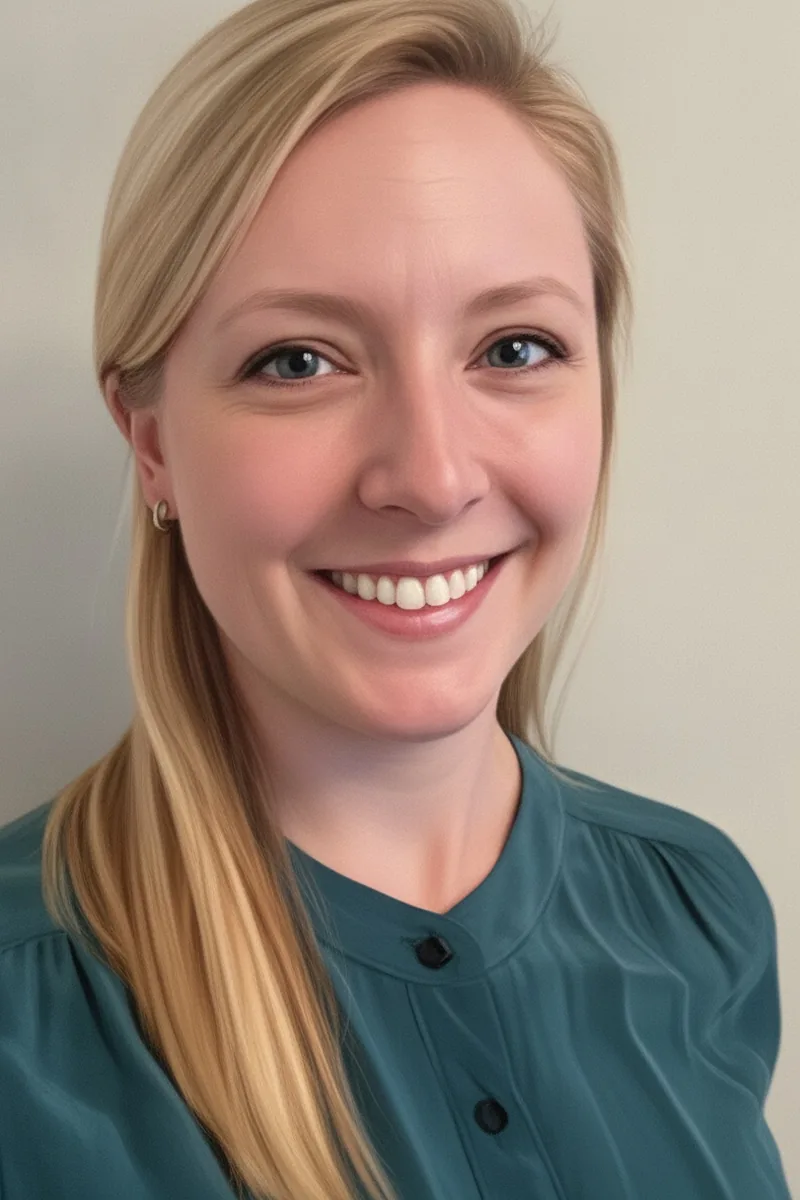
College-level American history courses expect students to engage with historiography — not just what happened, but how different scholars have interpreted events like Reconstruction or the New Deal. Liz earned her BA in History with minors in Humanities and Anthropology from Washington University in St. Louis, which means she spent years reading, debating, and writing about exactly these kinds of competing frameworks. She's especially effective at teaching students how to craft research papers that go beyond narrative summary.

A political science degree from the University of Chicago means Asta spent four years immersed in American constitutional development, federalism debates, and the political movements that shaped U.S. policy from Reconstruction through the Civil Rights era. She breaks down historiographical arguments — not just what happened, but how historians disagree about why — which is exactly what college-level coursework demands.
College-level American history expects something most students haven't done before: engaging with historiography, meaning not just what happened but how different scholars interpret why it happened. Julie's philosophy background at Princeton is tailor-made for this — she's trained to compare competing frameworks, identify hidden assumptions in scholarly arguments, and construct thesis-driven papers that go beyond narrative summary. She brings that rigor to analyzing everything from Reconstruction-era debates to Cold War foreign policy.
College-level American history demands more than narrative recall — it requires historiographical thinking, meaning students need to evaluate competing interpretations and construct source-driven arguments. Kevin's Philosophy, Politics, and Economics major at Penn trained him to do exactly that across political, economic, and intellectual history. He walks through how to read monographs critically and write the kind of analytical essays college professors expect.
College-level American history demands more than survey-course knowledge — professors expect historiographical awareness and the ability to engage with competing scholarly interpretations. Jessica earned her history degree at Penn and was certified through its Critical Writing Department, so she's comfortable unpacking dense secondary sources and coaching students through the research-paper process.
College-level American history demands more than narrative recall; it requires historiographical thinking — understanding how scholars like Frederick Jackson Turner or Howard Zinn frame the same events differently. Jeff taught history at UC Berkeley and brings that seminar-style rigor to sessions, pushing students to engage with competing interpretations of everything from colonial mercantilism to Cold War foreign policy.
College-level American history demands more than narrative recall — it requires engaging with historiography, evaluating competing interpretations, and writing research-driven essays. Richard's coursework in Harvard's government program overlaps heavily with American political and constitutional history, and he knows how to break down dense academic readings into clear, arguable claims.
College-level American history demands historiographical awareness — understanding not just what happened but how different scholars have interpreted it. Erika's graduate training in public policy sharpened her ability to evaluate competing arguments and work with primary sources, skills she now applies to everything from Reconstruction-era debates to Cold War foreign policy analysis. She teaches students to write papers that engage with the scholarship, not just summarize it.
College-level American history courses demand more than knowing dates — they require constructing historiographical arguments about everything from Reconstruction-era policy to Cold War foreign relations. John graduated with honors in history and brings that analytical rigor to teaching students how to engage with primary sources, weigh competing interpretations, and write thesis-driven essays that hold up at the university level. Rated 5.0 by students.
College-level American history demands historiographical awareness — understanding not just what happened but how different scholars have interpreted events like Reconstruction or the Cold War. Amber's dual liberal arts degrees trained her to engage critically with complex texts and competing arguments, and she brings that same rigor to walking students through primary source analysis and research paper development.
College-level American history courses expect students to engage with historiography — understanding not just what happened but how different scholars have interpreted events like Reconstruction or the New Deal. Margaret brings a Princeton-trained analytical approach to primary source analysis and argumentative essay writing, the two skills that typically determine grades in these courses. Rated 4.9 by students.
Studying American history at the college level means grappling with historiography — understanding not just what happened but how different scholars have interpreted events like Reconstruction, the New Deal, or the Civil Rights Movement. Finley tackles these debates daily as a Harvard history major and teaches students to engage with competing interpretations rather than relying on a single textbook narrative.
College-level American history demands more than narrative recall — it requires historiographical thinking, the ability to weigh competing interpretations of events like Jacksonian democracy or the Cold War's domestic impact. Scott, currently pursuing a PhD and holding an honors degree in Cultural Anthropology from WashU, brings the kind of source-analysis rigor that turns undergrad papers from summaries into real arguments.
College-level American history requires constructing historiographic arguments, not just recounting events. Jean's Duke training in historical methodology — reading sources critically, weighing competing interpretations, writing thesis-driven essays — translates directly to the kind of analytical writing professors expect. Her legal education at UNC further refined her ability to break down complex arguments and teach students to do the same.
College-level American History expects students to engage with historiography — not just what happened, but how different scholars interpret why it happened. Caroline's background in analytical writing and her Magna Cum Laude degree from WashU prepare her to teach students how to read primary sources critically and construct research-driven arguments that go beyond the textbook narrative.
At the college level, American history courses expect students to engage with historiography — not just what happened, but how different scholars have interpreted why it happened. Christopher's training at Yale immersed him in exactly this kind of analysis, examining how narratives about science, disease, and public health shaped American institutions and policy. He walks students through crafting research papers that situate their arguments within ongoing scholarly debates.
College-level American history demands historiographical awareness — understanding not just what happened but how different scholars have interpreted it and why those interpretations changed over time. Arielle studied history at Yale, where seminar-style analysis of primary and secondary sources was the foundation of every course. She walks students through constructing research-driven arguments that engage with the scholarly conversation, not just retell a narrative.
College-level American history demands historiographical thinking: understanding not just what happened but how different scholars have interpreted why. Jennifer's background in scientific research means she's comfortable teaching students to evaluate competing arguments, weigh evidence critically, and write papers that engage with scholarly debate rather than simply narrate events.
College-level American history courses expect students to engage with historiography — understanding not just what happened during, say, Manifest Expansion or the Civil Rights Movement, but how different scholars have interpreted those events over time. Jonathan's political science training at Chicago, heavy on reading dense academic arguments and constructing thesis-driven essays, maps directly onto that skill set.
College-level American history demands historiographical thinking — engaging with scholars like Gordon Wood or Eric Foner and evaluating how their frameworks shape interpretation. Allen graduated magna cum laude from Yale with a 3.9 GPA in a program that blended political science and economics, giving him the analytical toolkit to coach students through research papers, document-based analysis, and seminar discussions. Rated 5.0 by students.
College-level American history expects students to engage with historiography — understanding not just what happened but how scholars have debated why it happened. Jake's Stanford coursework in policy and institutional analysis translates directly into teaching students how to read secondary sources critically and construct research-driven arguments that meet college expectations.
College-level American history expects students to engage with historiography — not just what happened, but how different scholars have interpreted why it happened and what it means. Rachel's own history degree prepared her to teach students how to read monographs critically, construct thesis-driven research papers, and participate in the kind of seminar discussions where evidence and interpretation matter more than having the 'right' answer.
At the college level, American history shifts from broad survey to pointed debate: Was Reconstruction a failure? How do we periodize the Civil Rights Movement? Hannah tackles these questions by teaching students to engage with historiography — reading not just what happened, but how different historians have argued about it. Her graduate training in writing sharpens the essay craft that makes or breaks seminar grades.
College American history courses expect students to move beyond the textbook narrative and engage with primary sources, historiographical debates, and analytical writing. Paula's communication studies training is a real asset here — she teaches students to construct thesis-driven arguments about topics like Reconstruction policy or Cold War diplomacy that hold up under the scrutiny of a college-level rubric. Rated 4.8 by students.
College-level American history expects students to engage with historiography — understanding not just what happened but how different scholars have interpreted why. Samantha's literary analysis background translates naturally to evaluating competing historical arguments and constructing research papers grounded in primary evidence. She's especially effective at teaching students to write historiographic essays that synthesize multiple perspectives.
Molly earned her History degree from Columbia University, where she wrote a distinguished thesis grounded in primary source analysis and historiographical argument — exactly the skills college-level American History courses demand. She tackles everything from Reconstruction-era policy debates to Cold War foreign policy by teaching students to build thesis-driven essays that engage directly with documentary evidence. Rated 5.0 by students.
Elena earned dual undergraduate degrees in Art History & Archaeology and History from Washington University in St. Louis, where her senior thesis on the Byzantine Basilica of San Vitale required deep archival research and historiographical analysis. That training in primary source interpretation and constructing historical arguments translates directly to college-level American History, where she teaches students to move beyond memorizing dates and instead analyze how political, cultural, and economic forces shaped events like Reconstruction or the New Deal.
College-level American History expects students to engage with historiography — not just what happened, but how different scholars interpret why it happened. Jeff's Political Science and Government degree from Washington University in St. Louis trained him to evaluate competing arguments and weigh primary-source evidence, which maps directly onto the kind of analytical papers professors assign. He's particularly strong on the intersection of constitutional development, federalism, and political movements.
College-level American history demands more than survey-course knowledge; professors expect students to engage with historiography and construct thesis-driven arguments using primary evidence. Daniel earned his history degree at Cornell, where he developed the research and analytical writing skills that translate directly into the kind of work expected in upper-division seminars and document-based essays.
At the college level, American history demands more than narrative recall — it requires historiographical thinking, weighing competing interpretations of events like Reconstruction or the New Deal. Harry's Northwestern training in communications sharpened his ability to dissect arguments and rhetoric, a skill he now applies to teaching students how to read secondary scholarship critically and write persuasive analytical papers.
College-level American history demands historiographical thinking: not just what happened, but how different scholars have interpreted why it happened. Jack walks students through constructing thesis-driven essays that engage with competing interpretations, whether they're writing about Jacksonian democracy or Cold War foreign policy. His theatre and marketing background makes him especially sharp at analyzing rhetoric and persuasion in historical documents.
College American history courses expect students to engage with historiography — not just what happened, but how different scholars have interpreted why it happened. Alex's analytical training across three humanities degrees at Brown prepared him to evaluate competing arguments and write the kind of thesis-driven research papers that college history seminars require. He's particularly sharp at teaching students to move from a pile of secondary sources to a coherent, original argument.
At the college level, American history shifts from learning what happened to debating why it mattered — evaluating primary sources, engaging with historians' arguments, and crafting thesis-driven papers. Nima, a Duke student on a full merit scholarship, applies structured analytical thinking to help students navigate historiographical debates from the Revolution through the Cold War.
College American history courses demand historiographical awareness — understanding not just what happened but how different scholars have interpreted it and why those interpretations matter. Kit tackled this firsthand as a teaching assistant for a college history course, where he evaluated student work and saw which analytical habits separate strong papers from weak ones. He unpacks primary source analysis and thesis construction in ways that translate directly to exam essays and research papers.
College-level American history demands more than narrative recall; it requires engaging with historiography and constructing thesis-driven arguments from primary sources. Sarah's government major means she already reads founding documents, Supreme Court opinions, and policy debates analytically, and she brings that same rigor to helping students write papers that go beyond summary. She holds a 5.0 rating.
College-level American history expects more than narrative recall — it demands historiographical awareness, primary source analysis, and the ability to construct thesis-driven essays. As a Harvard student immersed in American political institutions and their historical development, Priscilla can dig into topics like Reconstruction-era federalism or New Deal constitutionalism with real depth. She also brings strong essay-coaching skills honed through years of working on academic writing with students.
Noel's public policy degree from the University of Chicago means he studied American history not as a series of dates but as a chain of policy decisions — from Reconstruction-era amendments to New Deal legislation to the Civil Rights Act. He teaches students to trace how political, economic, and social forces shaped each era, building the kind of analytical arguments that college-level history courses demand. Rated 4.9 by students.
College American history courses expect students to move beyond the textbook and engage with primary sources, historiographic debates, and original research questions. Matthew wrote extensively on historical argumentation at Harvard and teaches students how to construct thesis-driven papers that grapple with topics like Reconstruction, the New Deal, or Cold War foreign policy at a scholarly level.
Bethany earned her bachelor's in History from UC Berkeley, where she dug into the primary sources and historiographical debates that define serious American history study. She's especially effective at teaching students to unpack documents from different eras — whether it's Federalist Papers arguments, Reconstruction-era legislation, or Cold War policy memos — and turn that analysis into strong, thesis-driven writing.
College-level American history demands historiographical thinking — not just knowing what happened, but engaging with how different scholars interpret events like Jacksonian democracy or the origins of the Cold War. Samantha earned her degrees at Northwestern, where she developed the research and analytical writing skills that college history courses require. She walks students through constructing thesis-driven essays that engage with primary and secondary sources at the level professors expect.
Testimonials
Because the right College Level American History tutor makes all the difference.
Average Session Rating – Based on 3.4M Learner Ratings
Top 20 Social Studies Subjects


Top 20 Subjects
Frequently Asked Questions
Students often struggle with synthesizing broad historical narratives across multiple time periods—understanding how events like Reconstruction connect to Civil Rights, or how economic policies from the 1920s influenced the Great Depression. Many also find it challenging to move beyond memorizing dates and names to analyzing causation: distinguishing between what caused a historical event versus what merely correlated with it, or recognizing how competing interpretations of the same event (like the American Revolution or Civil War) reflect different historical perspectives. Writing analytical essays that weave primary sources, historiography, and evidence-based arguments into coherent arguments is another common pain point, especially when professors expect students to engage with conflicting scholarly viewpoints rather than simply stating facts.
Tutors teach students to interrogate primary sources systematically—asking not just what a document says, but who created it, when, for what audience, and what biases or limitations shaped it. For example, a tutor might guide a student through analyzing a 1950s political speech by examining its rhetorical choices and what it reveals about Cold War anxieties, rather than simply accepting its claims as historical fact. This skill is essential for college-level work, where professors expect students to recognize that primary sources are evidence to be interpreted, not transparent windows into the past. Tutors also help students identify patterns across multiple sources and use them as building blocks for evidence-based arguments in research papers.
Historiography—the study of how historians interpret and debate the past—is central to college-level work. Students must understand that historical events are understood through competing frameworks: for instance, the Industrial Revolution can be analyzed through lenses of economic progress, labor exploitation, environmental impact, or technological innovation, and different historians emphasize different aspects. Tutors help students navigate historiographical debates by teaching them to identify an author's thesis, recognize the evidence they prioritize, and understand how their interpretation fits into broader scholarly conversations. This skill transforms history from a fixed set of facts into an active intellectual practice where students develop their own evidence-based interpretations rather than simply absorbing established narratives.
College-level history essays require more than summary—they demand a clear thesis that makes an argument about causation, significance, or interpretation, supported by specific evidence from primary and secondary sources. Tutors help students move from thesis statements like "the Civil Rights Movement was important" to nuanced arguments like "the shift from legal segregation to de facto segregation in Northern cities after 1965 reveals how formal legal victories did not automatically translate to economic or social equality." Tutors also coach students on integrating quotes effectively (showing why specific evidence matters rather than just inserting it), engaging with historiographical counterarguments, and structuring essays so each paragraph advances the central argument rather than simply listing facts. This approach develops the critical thinking skills that college professors prioritize.
Students often assume that because two events happened close together in time, one caused the other—for example, believing that the stock market crash directly caused the Great Depression without understanding the underlying economic vulnerabilities, speculation, and policy failures that made the crash so devastating. Tutors teach students to ask critical questions: What evidence shows a causal relationship rather than coincidence? What alternative explanations exist? What conditions had to be in place for this cause to produce this effect? This analytical framework helps students avoid oversimplification and recognize that historical causation is often complex, involving multiple factors, competing interests, and unintended consequences. Developing this skill transforms how students read historical arguments and construct their own.
Beyond traditional library research, college-level history increasingly expects students to understand how historians gather and interpret evidence—including how to evaluate the reliability of sources, recognize bias and perspective, and understand the limitations of different types of evidence (diaries versus government records, for example, reveal different truths). Students also need to navigate historiographical debates by reading scholarly articles critically, identifying an author's argument and evidence, and understanding how that work fits into broader conversations about a topic. Tutors help students develop these skills by teaching them to approach research as an active process of building an argument rather than simply collecting facts, and by coaching them on how to synthesize multiple sources into a coherent, evidence-based interpretation that demonstrates genuine historical thinking.
College-level American History requires students to recognize that major events—like the founding, westward expansion, or the Civil War—have been interpreted very differently depending on whose perspective is centered and what questions historians ask. A tutor helps students understand that the "winners' narrative" (often emphasizing progress and American exceptionalism) differs significantly from narratives that center Indigenous peoples, enslaved African Americans, or working-class experiences. Rather than treating these as competing "sides," tutors teach students to see different interpretations as evidence of how historical understanding evolves as new sources emerge and new questions are asked. This develops intellectual maturity: students learn to evaluate which interpretations are supported by stronger evidence, recognize legitimate historical debate, and construct their own arguments within these conversations rather than simply accepting one "correct" version of history.
The analytical skills students develop in college-level history—evaluating evidence, recognizing bias and perspective, distinguishing correlation from causation, and constructing evidence-based arguments—transfer directly to other disciplines and to informed citizenship. Tutors help students practice these skills by asking them to interrogate claims in any context: What evidence supports this? Whose perspective is represented, and whose is missing? What alternative explanations exist? These habits of mind prepare students not just for history papers but for engaging critically with media, policy debates, and complex social issues throughout their lives. College-level history, when taught well, becomes training in how to think rigorously about the world.
Let’s find your perfect tutor
Answer a few quick questions. We’ll recommend the right plan and match you with a top 5% tutor.