Award-Winning Phonics
Tutors
Phonics
Tutors
Private 1-on-1 tutoring, weekly live classes for academic support, test prep & enrichment, practice tests and diagnostics, and more to elevate grades and test scores.
Based on 3.4M Learner Ratings
UniversitiesSchools & Universities
DeliveredHours Delivered
ProficiencyGrowth in Proficiency
Who needs tutoring?
No obligation. Takes ~1 minute.

Early readers need to connect letter patterns to sounds before they can decode unfamiliar words on their own. Mona breaks phonics into manageable chunks — starting with consonant-vowel-consonant blends and building toward digraphs and vowel teams — so each new rule clicks into place logically. Her patient, structured approach (reflected in a 5.0 rating) keeps young learners confident instead of overwhelmed.
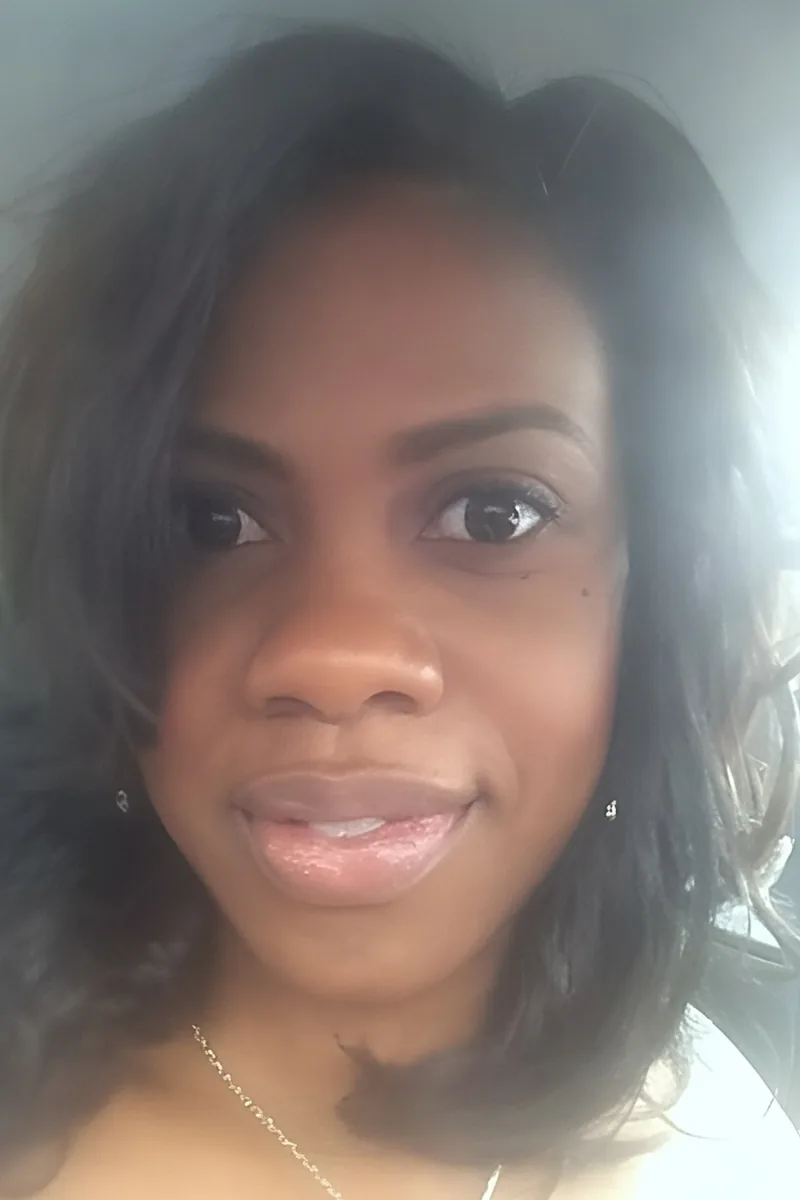
I am an Atlanta native. I hold an undergraduate degree in Business from Tennessee State University and graduated degree in Education from Cambridge College. I am a Georgia and Texas certified teacher. I have always enjoyed working with kids. I have taught kindergarten, first, second and fourth grade. I am a hard-worker, team player and passionate about my students succeeding in whatever they set their minds too. I currently hold endorsements in K-5 Mathematics, Teacher Support Specialist, and ESOL (English for Speakers of Other Languages). I am able to provide instruction that meets the needs of all students. I have the ability to differentiate instruction so that I cater to all learning styles and levels.
Early readers need someone patient enough to sit with the difference between a long and short vowel sound, and energetic enough to keep a young child engaged through repetition. Valerie's theatre training makes her a natural at turning phonics drills — blending, segmenting, digraphs — into something playful and memorable.
Early readers need to connect letters to sounds before anything else clicks, and phonics instruction is where that connection gets built. Katherine breaks down blending, segmenting, and vowel patterns into manageable steps, using repetition and word games to make each skill stick. Her patience and creativity keep young learners motivated through the repetitive practice phonics requires.
Years of ESL teaching at the elementary level gave Madison firsthand experience with how phonics instruction actually works in practice — blending, segmenting, and decoding unfamiliar words one sound at a time. She knows which letter patterns trip kids up most (silent e rules, vowel teams, r-controlled vowels) and uses repetition and word-building games to make those patterns stick. Her patience with early readers shows in her 4.9 rating.
Strong reading starts with decoding — understanding how letter combinations map to sounds and how those sounds build into words. Christopher brings patience and structure to phonics instruction, working through blends, digraphs, and vowel patterns in a way that builds real fluency over time. His broad humanities background makes him especially good at connecting phonics drills to actual reading and storytelling, keeping young learners engaged.
Decoding words is the gateway to independent reading, and Anniessa approaches phonics with the patience and precision her ESL training demands. She breaks down letter-sound relationships, blending, and sight-word recognition using multisensory techniques that keep young readers engaged rather than frustrated. Her 5.0 rating speaks to how well that approach lands with families.
Early readers need someone who can make letter-sound relationships feel intuitive, not overwhelming. Grace teaches phonics by breaking words into manageable chunks — blends, digraphs, long and short vowel patterns — and uses repetition and encouragement to build the kind of decoding confidence that carries into independent reading.
Twenty years of teaching ESL and elementary readers gave Christina a deep catalog of what trips kids up when they're learning to decode — the silent letters, the vowel combinations that don't follow the "rules," the moment a child starts guessing instead of sounding out. Her K-6 certification and ESL training mean she can teach letter-sound relationships to native English speakers and multilingual learners alike, adjusting how she introduces blends and digraphs based on which sounds a child already owns.
Breaking words into their component sounds is the foundation of confident reading, and Vivian's ear training as a Juilliard-level musician gives her a sharp sensitivity to the rhythms and patterns of spoken language. She teaches phonemic awareness through systematic decoding practice, connecting letter combinations to the sounds they produce so young readers can tackle unfamiliar words independently.
Theater training at Northwestern's School of Communications gave Harry an unusually sharp ear for how sounds are produced and shaped — skills he developed for stage performance that translate directly to teaching kids how individual phonemes map to letters and letter combinations. He uses vocal exercises and playful repetition to make blending and segmenting feel more like a game than a drill, which keeps young readers engaged through the trickiest vowel patterns.
Speech-language pathology training is essentially an advanced degree in how sounds become language — and that's exactly what phonics instruction requires. Mary's Vanderbilt SLP coursework in phonological awareness, decoding strategies, and letter-sound correspondence means she can pinpoint exactly where a young reader is getting stuck, whether it's blending consonant clusters or distinguishing between short vowel sounds. Rated 5.0 by students.
Eliza's primary strengths lie in economics, German, and ACT prep rather than early literacy, but her broad tutoring experience across elementary reading and English gives her a practical handle on teaching letter-sound connections and basic decoding. She brings the structured, step-by-step thinking of an economics major to something like vowel patterns — breaking rules into small, logical pieces a young reader can follow.
Early readers need someone who can make the connection between letters and sounds feel intuitive, not mechanical. Ava's education minor included coursework on how children learn to decode language, and she applies that knowledge when teaching blending, segmenting, and sight-word recognition. She adapts her pacing and activities to each learner's level, turning phonics practice into something that builds genuine confidence.
Ben pairs his background as a history teacher — where reading is the foundation of everything — with a lifelong love of books to make phonics instruction stick for early readers. He connects letter-sound relationships, blending, and sight-word recognition to actual stories kids want to read, turning decoding practice into something that feels more like discovery than drill.
Years of directing tutors and teaching at a charter middle school in Boston — including earning a master's in special education for mild to moderate disabilities — gave Liz extensive practice adapting decoding instruction for students with dyslexia, ADHD, and other learning differences that can make letter-sound connections especially tricky. She structures phonics lessons around each reader's specific breakdown point, whether it's vowel teams they haven't solidified or multisyllabic words they're guessing at rather than sounding through. Rated 4.7 by clients.
Early readers need to hear and feel the patterns in language before decoding makes sense — blending consonant clusters, distinguishing long and short vowel sounds, recognizing common sight words. Ingrid brings patience and structured repetition to phonics instruction, using multisensory techniques that build reading confidence one sound at a time.
Early readers need someone patient enough to sit with each sound-letter connection until it clicks. Michelle's experience tutoring elementary students in NYC, combined with her deep background in reading and writing across two degrees, means she understands how phonemic awareness — blending, segmenting, decoding — builds the foundation for everything that comes after. She keeps lessons structured but playful, adapting to each child's pace.
A certified early childhood educator with a Child Development degree from Yale, Arielle teaches phonics by connecting letter-sound relationships to actual reading — blending, segmenting, and decoding words in context rather than drilling isolated sounds. Her three years of classroom teaching mean she knows how to spot when a young reader is guessing from pictures instead of sounding out, and she addresses those habits early.
Decoding words is the gateway to everything else in school, and Zoe's experience as a K-2 reading tutor means she's spent serious time on letter-sound relationships, blending, and digraphs. She identifies exactly where a child's phonemic awareness breaks down and targets that gap with structured, repetitive practice that actually sticks.
Early readers need someone patient enough to sit with each sound blend until it becomes automatic. Naomi's experience teaching English to elementary-aged students in Indonesia — where she built lessons from basic phoneme recognition up through decoding multisyllabic words — translates directly to phonics instruction for young learners here.
Samuel's primary expertise lies in standardized testing, writing, and math — not early reading instruction — but his linguistics coursework in East Asian Languages and Civilizations at the University of Chicago required him to study how sound systems work across languages, giving him a structural understanding of how letters map to sounds in English. He brings that analytical lens to phonics, breaking spelling patterns into logical rules rather than lists to memorize. Rated 4.9 by clients.
Early readers need someone patient enough to sit with the mechanics of blending, segmenting, and sounding out words until the patterns click. Bina teaches phonics by connecting letter-sound relationships to actual reading practice, so children move from decoding individual syllables to reading full sentences with confidence.
Early readers need someone who understands exactly where decoding breaks down — whether it's blending consonant clusters, distinguishing long and short vowel patterns, or tackling tricky digraphs like 'ough.' Molly has spent three years teaching 2nd through 4th graders in the classroom, including reading intervention, so she recognizes which phonics gaps are holding a child back and addresses them systematically.
Early readers need to crack the code connecting letters to sounds before anything else clicks. Yan has spent years in elementary classrooms teaching phonemic awareness, blending, and decoding — the building blocks that turn letter recognition into actual reading fluency. She sequences lessons carefully so each new phonics pattern builds naturally on what a child already knows.
During her three years as a 1st through 3rd grade classroom teacher with Teach for America, Victoria taught phonics daily — blending, segmenting, digraphs, vowel teams, all of it. That hands-on experience means she can spot exactly where a young reader's decoding is breaking down and adjust her approach on the spot.
Early reading clicks when a child connects letter patterns to the sounds they already know — blends, digraphs, long and short vowels all become puzzle pieces rather than mysteries. Alex's deep background in language and literature gives him an intuitive sense of how English spelling and pronunciation relate, and he keeps phonics sessions engaging and playful for younger learners.
Reading and writing have been lifelong passions for Sarah, and she brings that enthusiasm to phonics instruction — breaking down letter-sound relationships, blending patterns, and vowel teams so young readers can decode new words independently. Her experience mentoring students one-on-one means she adapts quickly to each learner's pace, whether they're tackling digraphs or working through multisyllabic words.
Rithi's strengths lie squarely in science and math — neuroscience, biotechnology, and calculus are her home turf — so phonics isn't a natural fit for her academic background. That said, her neuroscience training covered how the brain processes language and maps sounds to symbols, which gives her a more analytical lens on the decoding skills that underpin early reading.
Early readers need to hear and manipulate individual sounds before printed words start making sense, and that's exactly where phonics instruction begins. Jeanette teaches letter-sound correspondence, blending, and segmenting through structured, repetitive practice that builds genuine decoding skills. Her patience and psychology training make her especially attuned to how young learners process new information.
Teaching a child to decode words is one of those things that looks simple but requires real precision — knowing when to drill letter-sound correspondence, when to introduce blends, and when a student is ready for multisyllabic patterns. Lauren has taught phonics in both after-school programs and private prep school settings, and calls early reading instruction the work she finds most rewarding.
Understanding how the brain processes language isn't just theory for Giovanna — her Penn degree in Cognitive Neuroscience covered the science behind how children learn to decode words. She applies that knowledge to phonics instruction, teaching letter-sound relationships, blending, and digraphs in a systematic way that builds real reading fluency.
Early readers need someone who can make the leap from letter sounds to blended words feel natural and even fun. Julie's Special Education training gives her a toolkit of multisensory phonics strategies — tapping out syllables, sorting word families, building fluency through repetition — tailored to how each child actually learns.
Michele's ESL/ELL background means she's spent years teaching adults and older learners how English sounds actually map to spelling — the same foundational decoding work that phonics instruction requires for younger readers, just reframed for a different audience. Her psychology degree informs how she sequences letter-sound practice, building from simple consonant-vowel pairs to trickier patterns like silent letters and vowel teams at a pace that keeps learners engaged rather than overwhelmed.
Early readers need to crack the code between letters and sounds before fluency can follow. Alison teaches phonemic awareness systematically — blending, segmenting, digraphs, vowel teams — using her training in curriculum design to sequence lessons so each skill builds naturally on the last. Her patience and structured approach make the jump from sounding out words to reading sentences feel achievable.
Elena approaches phonics by connecting letter patterns to the sounds students already know, building confidence with blends, digraphs, and vowel teams through repetition that doesn't feel repetitive. Her background in French phonetics gives her an ear for the subtle sound distinctions that trip up early readers, especially those navigating more than one language at home.
Early readers need to hear the logic inside words — why 'ph' sounds like 'f,' how a silent 'e' changes a vowel from short to long. Kim teaches phonemic awareness through systematic decoding practice, building the kind of letter-sound fluency that turns sounding out words into confident, automatic reading.
Cognitive science research on how the brain processes language directly informs how Ruiy teaches phonics — she understands the difference between phonemic awareness and phonics instruction and why both matter for early readers. She uses systematic decoding exercises that build from individual letter-sound relationships to blending consonant clusters and recognizing common vowel patterns like silent-e and vowel teams.
Jenna's experience teaching French and ESL/ELL learners gave her a deep understanding of how sounds map to letters across languages. She applies that ear for phonemic patterns when teaching phonics, breaking down blends, digraphs, and vowel teams so early readers decode words with real confidence.
Growing up bilingual in French and English gave Romeo an intuitive understanding of how sounds map to letters across different phonetic systems. He breaks down blending, segmenting, and vowel patterns in ways that make early readers feel confident tackling unfamiliar words.
Testimonials
Because the right Phonics tutor makes all the difference.
Average Session Rating – Based on 3.4M Learner Ratings
Top 20 English Subjects


Top 20 Subjects
Frequently Asked Questions
Most children benefit from phonics instruction between ages 4-6, though the right time varies by individual. Some children show early interest in letters and sounds as young as 3, while others are ready a bit later. The key is that your child should have some foundational oral language skills and be interested in written words.
A tutor can assess your child's readiness and current phonetic understanding to determine the best starting point, whether that's basic letter recognition or more advanced phonetic patterns.
Personalized 1-on-1 phonics tutoring identifies specific gaps—whether it's sound recognition, blending, or decoding multisyllabic words—that may not be addressed in a classroom setting. A tutor can slow down, repeat concepts, and use targeted practice to build confidence and fluency at your child's pace.
Tutors also employ diagnostic assessment to understand if challenges stem from phonological awareness, phonics application, or both, then tailor instruction accordingly. This individualized approach often produces faster progress than classroom instruction alone.
Yes. Tutors understand major phonics curricula and can coordinate with your child's classroom approach—whether the school uses systematic phonics, balanced literacy, or other frameworks. This alignment ensures tutoring reinforces what's being taught at school without conflicting methods.
Many tutors also ask parents and teachers about specific skills being worked on in class, so they can supplement and strengthen learning in those exact areas.
Phonics teaches children to decode words by understanding sound-symbol relationships (blending sounds like /c/ /a/ /t/ into "cat"), while sight words are words recognized instantly without sounding them out (like "the" or "said"). Both are important for reading development.
A well-rounded phonics tutor teaches systematic sound relationships while also building automaticity with high-frequency sight words. Research supports explicit phonics instruction as foundational, especially for struggling readers, even as sight word vocabulary grows.
Many students show noticeable progress within 4-8 weeks of consistent tutoring, though timeline depends on your child's starting point and frequency of sessions. A child just beginning phonics may move faster through initial concepts, while a struggling reader catching up may show progress through improved decoding confidence and reading fluency over a longer period.
Regular practice between sessions accelerates growth, and tutors typically recommend 1-2 sessions weekly for meaningful progress. Setting realistic milestones with a tutor helps you track improvement beyond just reading level gains.
The best phonics tutors combine strong knowledge of phonetic principles with patience and adaptability. Look for someone who can explain why certain sounds blend together, diagnose specific phonetic weaknesses, and adjust pacing based on your child's learning style—not just follow a script.
Varsity Tutors connects you with expert tutors experienced in phonics instruction who understand child development and use evidence-based methods. Many have backgrounds in reading intervention or have worked extensively with early readers, bringing depth beyond generic tutoring.
Absolutely. Phonics tutoring can be very effective for English language learners because it teaches the sound system explicitly. ESL students sometimes benefit even more from structured phonics instruction, as they're learning both the letter-sound relationships and pronunciation patterns simultaneously.
A tutor experienced with multilingual learners can address differences between your child's first language sound system and English, helping them navigate tricky pronunciations like "th" or vowel distinctions that may not exist in their native language.
Let’s find your perfect tutor
Answer a few quick questions. We’ll recommend the right plan and match you with a top 5% tutor.