Award-Winning Evolutionary Biology
Tutors
Evolutionary Biology
Tutors
Private 1-on-1 tutoring, weekly live classes for academic support, test prep & enrichment, practice tests and diagnostics, and more to elevate grades and test scores.
Based on 3.4M Learner Ratings
UniversitiesSchools & Universities
DeliveredHours Delivered
ProficiencyGrowth in Proficiency
Who needs tutoring?
No obligation. Takes ~1 minute.
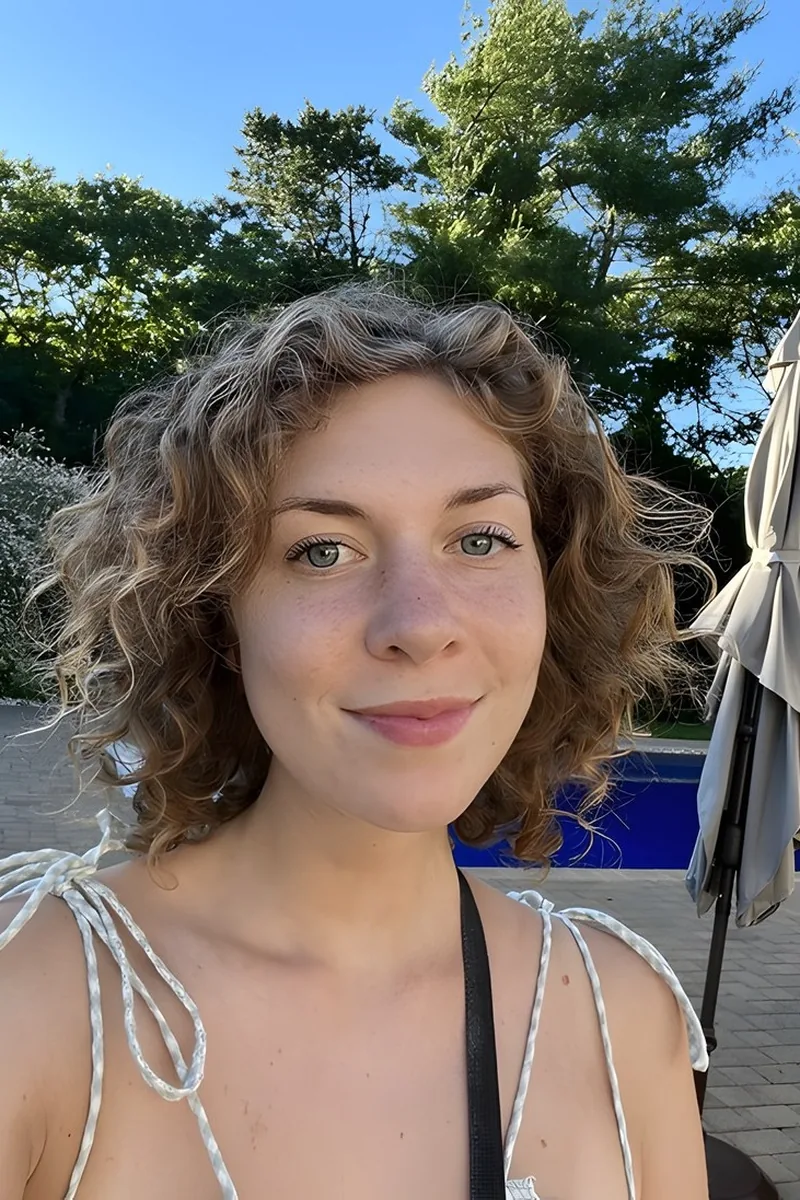
Understanding natural selection is one thing; tracing how Hardy-Weinberg equilibrium breaks down, or how phylogenetic trees are actually constructed from molecular data, is another. Zosia approaches evolutionary biology from a molecular angle, drawing on her chemistry and biology training at Yale to explain concepts like genetic drift, speciation mechanisms, and comparative genomics at a deeper level.
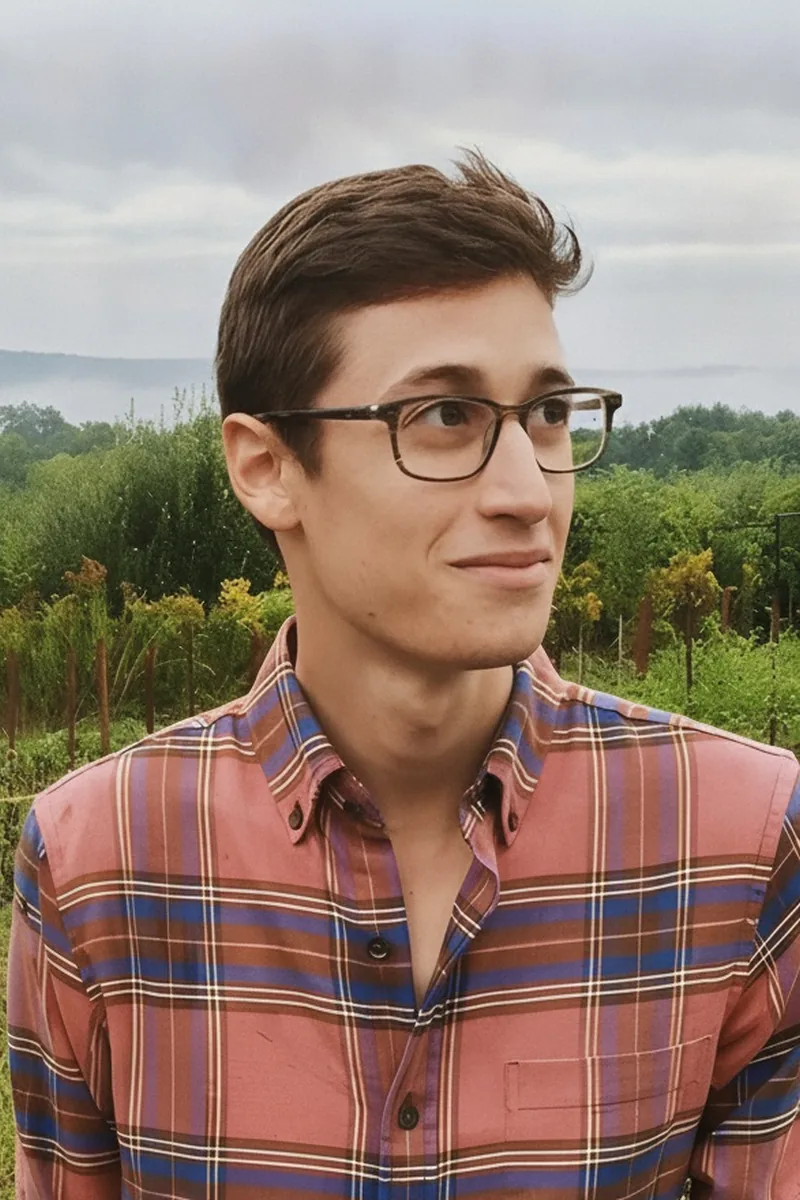
Cornell's Human Biology program put Jonathan deep into the evolutionary underpinnings of human physiology — why certain developmental pathways are conserved across species, how population bottlenecks shaped modern genetic diversity, and what drives divergence at the molecular level. His current graduate work in Human Development adds a dimension most biology tutors lack: he can explain how life history theory and reproductive strategies connect back to the selection pressures students encounter in their coursework.
Medical school at MCW has Abrahim thinking about evolutionary biology in clinical terms every day — why heterozygote advantage keeps the sickle cell allele in certain populations, how bacterial evolution drives antibiotic resistance patterns, why vestigial structures still show up in anatomy dissections. His UCLA biology degree gave him the foundational genetics and population ecology to teach concepts like Hardy-Weinberg equilibrium and phylogenetic analysis with real mechanistic depth, not just definitions. Rated 5.0 by students.
Brown's math curriculum gave Zofia rigorous training in the statistical modeling that underpins population genetics — the kind of quantitative fluency that makes Hardy-Weinberg problems and allele frequency calculations feel like straightforward algebra rather than intimidating biology. Her IB background and coursework in the natural sciences mean she also understands the organismal side, from phylogenetic tree construction to mechanisms of speciation. She's an especially good fit for students who find the math in evolutionary biology harder than the concepts.
Phylogenetics, natural selection, genetic drift, speciation — evolutionary biology requires students to think across timescales and levels of organization simultaneously. Laura's biology program at Washington University in St. Louis gives her strong grounding in population genetics and comparative anatomy, and she unpacks evolutionary mechanisms by tying abstract concepts to concrete examples from current research.
This is Eric's home turf — he holds a degree specifically in Ecology & Evolutionary Biology. He digs into natural selection, speciation, phylogenetic analysis, and population genetics with the depth of someone who studied these mechanisms formally, connecting Darwin's foundational ideas to modern molecular evidence and real case studies in adaptive radiation.
Four years of medical school teach you that human biology is essentially an evolutionary story — why the appendix persists, why autoimmune diseases exist, why certain populations carry specific genetic variants. Amanda's biology degree and MD training let her trace concepts like Hardy-Weinberg equilibrium and adaptive fitness back to clinical examples that make the mechanisms tangible. Her 4.7 rating speaks to how well that approach lands with students navigating both introductory and upper-level coursework.
Natural selection sounds simple in a textbook definition, but evolutionary biology gets complicated fast once students encounter genetic drift, speciation mechanisms, phylogenetic analysis, and Hardy-Weinberg equilibrium calculations. Caitlin unpacks these concepts by grounding them in real examples — actual population data, cladograms built from molecular evidence — so the theory feels less abstract and more like detective work.
Understanding Hardy-Weinberg equilibrium or distinguishing between allopatric and sympatric speciation requires thinking across genetics, ecology, and deep time simultaneously. Rithi approaches evolutionary biology through a molecular lens — connecting concepts like genetic drift and natural selection back to the DNA-level changes that drive them, which is exactly the perspective her neuroscience and biotechnology background provides.
Studying barrier reef and rainforest ecology in Australia gave Richard a front-row seat to the evolutionary pressures that shape biodiversity — adaptation to environmental niches, speciation events, and ecological competition in action. His PhD training in microbiology at Northwestern adds a molecular dimension, covering phylogenetics, horizontal gene transfer, and how microbial evolution drives antibiotic resistance. That combination of fieldwork and molecular research makes him unusually well-rounded for this subject.
Understanding natural selection is one thing; applying it to Hardy-Weinberg problems, phylogenetic trees, and speciation models is where most students struggle. Madhura approaches evolutionary biology through its quantitative side, using her strong math and science background to demystify allele frequency calculations and cladistic analysis.
Natural selection sounds simple in the textbook summary, but evolutionary biology quickly gets complex — Hardy-Weinberg equilibrium, phylogenetic analysis, genetic drift versus gene flow. Maddie's biology training at Yale gives her a strong command of these concepts, and her question-driven teaching style is particularly effective for a subject where understanding the *why* behind evolutionary patterns matters more than memorizing definitions.
Studying neuropsychology at Princeton means Samantha regularly engages with evolutionary frameworks — how natural selection shaped brain structures, adaptive behaviors, and species-level traits over time. She teaches concepts like genetic drift, speciation, and phylogenetic analysis by grounding them in concrete examples rather than abstract definitions. Her science and math fluency also makes the population genetics math far less intimidating.
Running a marine biology summer camp means teaching kids why coral species diverge across reef systems, how migration patterns reshape gene pools, and what happens when isolated populations face different environmental pressures — all core evolutionary biology concepts, just observed underwater. Zoey's biology and marine biology degrees give her deep fluency with speciation, ecological adaptation, and the interplay between organisms and their environments that drives natural selection in real time. She breaks down those processes using vivid, field-based examples that stick longer than textbook definitions.
A neuroscience degree means Mitchell spent years studying how nervous systems evolved across species — tracing the progression from simple nerve nets in cnidarians to the complex human cortex, which is essentially a crash course in comparative anatomy and adaptive pressures. That background makes him especially effective at teaching concepts like homologous structures, phylogenetic reconstruction, and how natural selection shapes organ systems over deep time. His strong grounding in molecular biology and biochemistry also lets him dig into the genetic mechanisms — mutation, drift, gene flow — that drive those changes at the population level.
Understanding evolution means thinking in populations, not individuals — a shift that trips up many biology students when they encounter Hardy-Weinberg equilibrium or frequency-dependent selection for the first time. Marjorie's biology training gives her the background to unpack phylogenetics, speciation mechanisms, and natural selection with concrete examples drawn from real research. She makes the math behind evolutionary models feel intuitive rather than intimidating.
Karista's PhD in Environmental Science means she's studied how populations respond to shifting ecosystems in real time — exactly the kind of ecological pressure that drives speciation, adaptive radiation, and changes in allele frequency across generations. Her biochemistry background adds the molecular layer, letting her trace how mutations and selection pressures at the DNA level scale up to the biodiversity patterns students encounter in evolutionary coursework. Rated 5.0 by students.
Natural selection sounds simple in the abstract, but evolutionary biology gets complex fast — Hardy-Weinberg equilibrium, genetic drift, phylogenetic tree construction, speciation mechanisms. Sanjul's biology background and medical training give him a molecular-level understanding of how mutations arise and propagate through populations, which makes topics like adaptive radiation and convergent evolution far more grounded.
A Brown-trained evolutionary biologist, Alyna studied natural selection, phylogenetics, and population genetics at the research level — not just from a textbook. She unpacks concepts like Hardy-Weinberg equilibrium and adaptive radiation by tying them to real organisms and current studies, making the theory feel tangible.
Natural selection, genetic drift, speciation — these concepts click faster when someone can trace them through real biological systems rather than abstract diagrams. Chantelle's public health studies at UT Austin give her a working knowledge of how evolutionary pressures shape everything from antibiotic resistance to population genetics. She breaks down phylogenetics and Hardy-Weinberg equilibrium in ways that connect the math to the biology, rated 5.0 by her students.
Understanding natural selection is straightforward; applying Hardy-Weinberg equilibrium, interpreting phylogenetic trees, and tracing the molecular evidence for common descent is where students actually get stuck. Arianna's neuroscience training at Dartmouth required deep engagement with comparative anatomy, genetics, and molecular biology — the exact toolkit evolutionary biology draws on. She digs into the quantitative and molecular sides of evolution that lecture slides often gloss over.
Natural selection, genetic drift, speciation, phylogenetics — evolutionary biology ties together nearly every other life science, and Nathaniel's dual background in biochemistry and psychology lets him explain both the molecular mechanisms driving evolution and the behavioral adaptations that result. He's especially sharp on population genetics and how selective pressures shape traits across generations.
Natural selection, genetic drift, speciation — evolutionary biology ties together nearly every other branch of biology, which is exactly why it can feel overwhelming. Liana's biological sciences coursework gives her a deep understanding of how phylogenetics, Hardy-Weinberg equilibrium, and adaptive radiation connect, and she breaks those threads apart so students can trace each concept individually before seeing the bigger picture.
Natural selection sounds simple in theory, but evolutionary biology gets complicated fast once Hardy-Weinberg equilibrium, phylogenetics, and speciation mechanisms enter the picture. Pallavi's graduate-level biology training at Penn gives her the depth to explain how population genetics and molecular evidence connect to the broader evolutionary framework.
Teaching general education science across multiple age groups for years has given Kate a knack for making abstract concepts — like how natural selection acts on variation within a population — accessible to learners who aren't yet comfortable with dense scientific terminology. Her approach leans on building clear, narrative explanations of how traits shift across generations, using everyday analogies that make ideas like adaptation and fitness click before layering in formal vocabulary. Rated 4.9 by students.
Understanding natural selection is one thing; applying Hardy-Weinberg equilibrium to calculate allele frequencies or tracing phylogenetic trees using molecular evidence is where evolutionary biology gets demanding. Alan digs into these quantitative and conceptual challenges with the analytical rigor of his biology honors training at Hofstra. He connects evolutionary mechanisms — genetic drift, speciation, coevolution — to concrete examples from current research.
A master's in Plant Biology and Conservation means Dan has spent serious time studying how plant lineages diverge, adapt to ecological niches, and co-evolve with pollinators and pathogens — processes that put speciation, adaptive radiation, and phylogenetic reconstruction into sharp, tangible focus. That botanical depth gives him an angle most evolutionary biology tutors lack, grounding abstract concepts like directional selection and reproductive isolation in the observable diversity of plant systems. Rated 5.0 by students.
Natural selection sounds simple in the abstract, but evolutionary biology gets demanding fast once phylogenetics, Hardy-Weinberg equilibrium, and speciation mechanisms enter the picture. Serena studied these topics in depth as a biology major at UCLA, where her coursework also intersected with ecology and population genetics. She unpacks evolutionary concepts by grounding them in concrete examples — specific organisms, specific selection pressures — so the theory becomes tangible.
Having studied biology at Vassar while simultaneously diving into literary theory and criticism, John developed a habit of reading evolutionary narratives the way you'd read a complex text — tracing arguments about common descent, weighing competing hypotheses for speciation, and questioning which evidence actually supports a given phylogenetic claim. His graduate medical coursework at New York Medical College deepened that with the molecular side, connecting how mutations and selection pressures show up in human physiology. It's a combination that's especially useful for students who can recite Darwin but struggle to apply evolutionary logic to real problems like antibiotic resistance or population genetics.
Natural selection sounds simple in the textbook definition, but students often struggle once they hit Hardy-Weinberg equilibrium, genetic drift, and speciation mechanisms. Rosemary's neuroscience training included deep work in comparative anatomy and phylogenetics, so she can trace evolutionary concepts from molecular evidence all the way up to population-level patterns.
Natural selection sounds simple until a course asks you to analyze phylogenetic trees, calculate Hardy-Weinberg equilibrium frequencies, or explain the molecular evidence for common descent. Elizabeth studied evolutionary biology as part of her biopsychology program at Tufts, where she learned to connect population genetics, comparative anatomy, and molecular data into a coherent framework. She walks students through the quantitative and conceptual sides of evolution with equal confidence.
Three separate bachelor's degrees — including one in neuroscience — gave Brody an unusually broad view of how biological systems connect, which pays off in evolutionary biology when students need to link molecular variation to the development of complex nervous systems and behaviors across species. He teaches concepts like adaptive radiation and phylogenetic analysis by grounding them in the neuroscience and cell biology he knows deeply, showing how selective pressures shaped everything from simple reflexes to higher cognition. His fluency in Spanish and French also means he's comfortable navigating evolutionary literature published outside the English-speaking research world.
Physician Assistant training reshapes how you think about evolution — Joyce sees its fingerprints daily in clinical practice, from why certain populations carry sickle cell variants to how bacterial resistance emerges in real time on hospital floors. Her biology degree and biomedical sciences master's give her the molecular depth to teach concepts like genetic drift, natural selection, and allele frequency shifts by grounding them in the physiological consequences students can actually visualize. Rated 5.0 by students.
Natural selection sounds simple in a textbook definition, but evolutionary biology quickly gets complex — Hardy-Weinberg equilibrium, phylogenetic tree construction, genetic drift versus gene flow, speciation mechanisms. Jeffrey earned his PhD studying ecology and evolution, so he teaches these concepts from direct experience with the data and models that evolutionary biologists actually use. His 5.0 rating speaks to how well that depth translates in sessions.
Natural selection, phylogenetics, speciation mechanisms — evolutionary biology ties together every branch of the life sciences into one framework. Jared studied these threads extensively during his Biological Sciences program at Cornell, where coursework and research gave him a working fluency with both the molecular and organismal sides of evolution. He unpacks complex topics like genetic drift and adaptive radiation by grounding them in concrete, memorable examples.
Reproductive science is fundamentally an evolutionary story — sexual selection, mate choice, and the fitness tradeoffs that shape reproductive strategies across species all sit at the intersection of Victoria's graduate training at Northwestern and classical evolutionary theory. Her biology degree gives her the grounding in population genetics and natural selection to teach concepts like adaptive fitness and speciation, while her reproductive science lens adds a dimension most tutors can't offer when discussing topics like sexual dimorphism or life history theory. Rated 4.8 by students.
Hardy-Weinberg equilibrium is where most students first stumble, but evolutionary biology gets genuinely tricky when it moves into phylogenetic analysis, kin selection models, and molecular clock calibration. Michael's master's-level background means he can trace evolutionary concepts from Darwin's original insights all the way to modern genomic evidence, making the math and the theory reinforce each other.
Matthew's master's research at East Tennessee State centered on Ice Age mammoth population dynamics and paleobiological patterns — work that demanded deep fluency in natural selection, speciation, and phylogenetic analysis. He unpacks evolutionary concepts by grounding them in the fossil record, showing how morphological change, genetic drift, and adaptive radiation play out across actual lineages rather than hypothetical textbook examples.
I am committed to empowering my students and supporting their academic and personal growth. I believe the foundation to successful tutoring to be a mutually trusting and accommodating relationship; thus, I am a firm believer of individualized lesson plans that play to the unique strengths and weaknesses of each student.
Natural selection sounds simple in a textbook definition, but applying it to Hardy-Weinberg problems, phylogenetic trees, and speciation mechanisms is where most students struggle. Ritu connects evolutionary concepts to molecular and developmental biology, giving students a richer understanding of how genetic variation, drift, and selection actually shape populations over time.
Testimonials
Because the right Evolutionary Biology tutor makes all the difference.
Average Session Rating – Based on 3.4M Learner Ratings
Top 20 Science Subjects


Top 20 Subjects
Frequently Asked Questions
Students often find phylogenetic trees and cladistics challenging because they require visualizing evolutionary relationships across time and interpreting branching patterns correctly. Population genetics—particularly Hardy-Weinberg equilibrium, allele frequency calculations, and understanding how mutation, selection, and drift interact—is another major stumbling block. Many students also struggle to connect microevolution (small-scale changes within populations) to macroevolution (large-scale patterns across species), and they frequently confuse mechanisms like natural selection with outcomes like adaptation. A tutor can break down these abstract concepts using concrete examples and help you build the mathematical and conceptual foundations needed to understand how evolution actually works.
Evolution is supported by multiple independent evidence streams—fossil records, comparative anatomy, molecular biology, and direct observation—and students often memorize these without truly connecting them. A tutor helps you see how these pieces fit together: for example, how homologous structures in mammal limbs, DNA sequence similarities across species, and fossil transitional forms all point to common ancestry. Rather than listing facts, you'll learn to think like an evolutionary biologist by asking questions like "What would we expect to see if evolution were true?" and "How does this evidence support or challenge that prediction?" This approach transforms evidence from isolated facts into a coherent, testable framework.
Population genetics requires you to simultaneously manage algebra, probability, and biological reasoning—and many students struggle because they don't see the connection between the math and what's actually happening in a population. Concepts like allele frequency, genotype frequency, and the Hardy-Weinberg equation feel abstract when you're just plugging numbers into formulas. A tutor walks you through the logic: why we use these equations, what each variable represents biologically, and how to set up problems from scratch rather than memorizing templates. With practice on real scenarios—tracking how a recessive allele spreads, predicting changes under selection—the math becomes a tool for understanding evolution rather than an obstacle.
These mechanisms are often confused because students learn them as separate topics rather than understanding how they interact and produce different outcomes. Natural selection requires variation and differential reproduction; genetic drift is random change that matters more in small populations; gene flow homogenizes populations; mutation introduces new variation. A tutor helps you build a mental framework by comparing mechanisms side-by-side: Which ones require fitness differences? Which are random? How do they interact in real populations? You'll work through scenarios where you predict which mechanism is most important—say, in a small isolated population versus a large connected one—which deepens your intuition far beyond memorization.
Many students misread trees by focusing on left-right positioning instead of branching patterns, or they assume that branch length always indicates evolutionary time or amount of change (it doesn't, unless explicitly stated). A tutor teaches you to read trees systematically: identify the root, trace back to find most recent common ancestors, and recognize that only branching order matters for relationships—not where species are drawn horizontally. You'll practice extracting specific information ("Which species are most closely related?", "When did this lineage diverge?") and constructing trees from data yourself, which builds genuine understanding. This hands-on approach prevents the common trap of memorizing tree-reading rules without grasping the underlying logic.
Evolutionary biology isn't just content—it's a way of thinking about how to test hypotheses about life's history and mechanisms. Tutors help you design experiments or interpret studies: How would you test whether a trait is adaptive? What would disprove a phylogenetic hypothesis? How do you control variables when studying evolution in the lab or field? You'll learn to critique experimental design, recognize confounding variables, and understand why some evolutionary claims are stronger than others. This scientific reasoning skill transfers across biology and helps you engage critically with evolutionary research, not just memorize textbook examples.
Understanding principles is far more valuable in evolutionary biology because the field is built on a small number of core ideas—variation, inheritance, differential reproduction, and time—that explain an enormous range of phenomena. Memorizing specific examples (Darwin's finches, peppered moths, antibiotic resistance) without grasping the underlying mechanism leaves you unable to apply those principles to new situations, which is what exams and real science require. A tutor helps you build conceptual frameworks first, then use examples to illustrate and test your understanding. This approach means you can tackle unfamiliar scenarios on exams or in discussions because you're thinking about evolution, not recalling facts.
A strong evolutionary biology tutor should have deep knowledge of both the conceptual foundations (how evolution works) and the mathematical tools (population genetics, phylogenetic methods), and they should be able to explain why these tools matter. They should be comfortable with abstract thinking and visualization—helping you see how populations change over time, how trees represent relationships, how molecular data reveals evolutionary history. Look for someone who asks probing questions to uncover your actual misunderstandings rather than just re-explaining textbook material, and who can connect evolutionary concepts to real research and current examples. Varsity Tutors connects you with tutors who combine subject expertise with the ability to adapt explanations to your learning style.
Let’s find your perfect tutor
Answer a few quick questions. We’ll recommend the right plan and match you with a top 5% tutor.