Award-Winning Computer Science
Tutors
Computer Science
Tutors
Private 1-on-1 tutoring, weekly live classes for academic support, test prep & enrichment, practice tests and diagnostics, and more to elevate grades and test scores.
Based on 3.4M Learner Ratings
UniversitiesSchools & Universities
DeliveredHours Delivered
ProficiencyGrowth in Proficiency
Who needs tutoring?
No obligation. Takes ~1 minute.
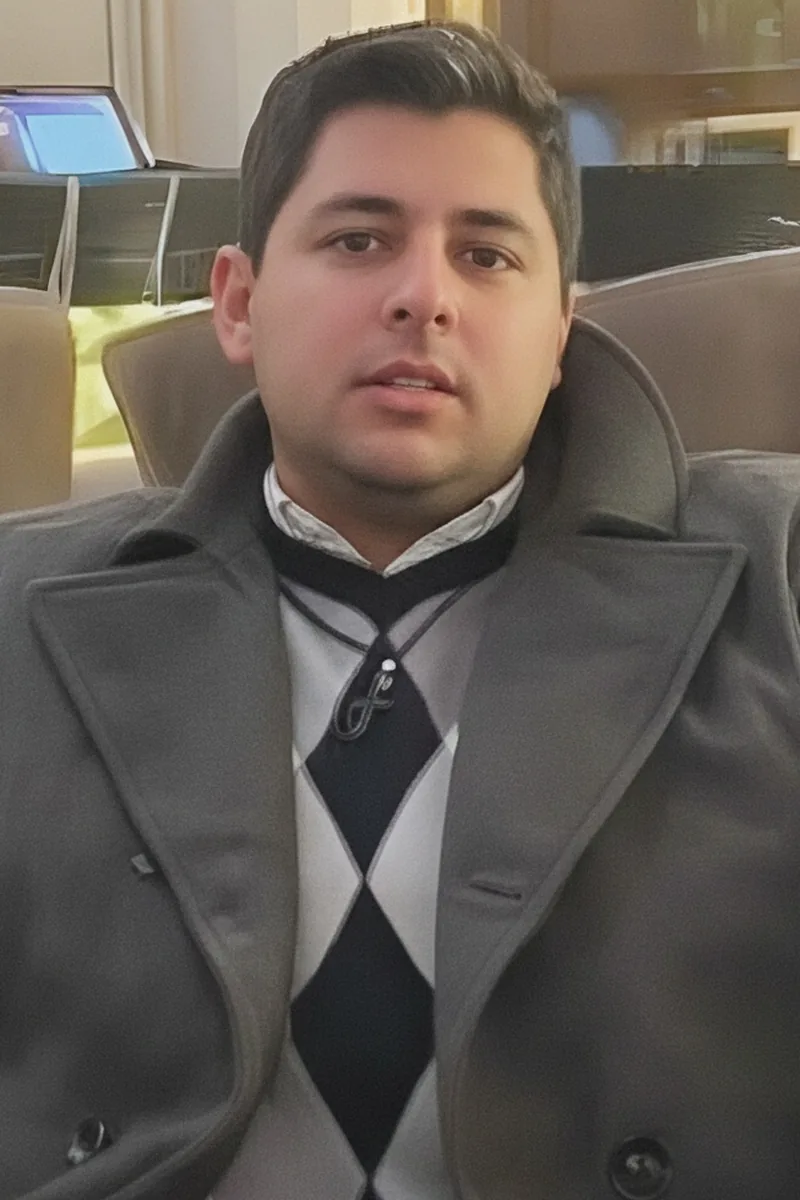
From automata theory and computational complexity to practical algorithm design, Firas covers computer science as both a theoretical discipline and a hands-on craft. His Ph.D. research at the intersection of machine learning and big data means he can connect abstract CS concepts — graph traversals, runtime analysis, NP-completeness — to the systems that actually use them. Rated 5.0 by students.
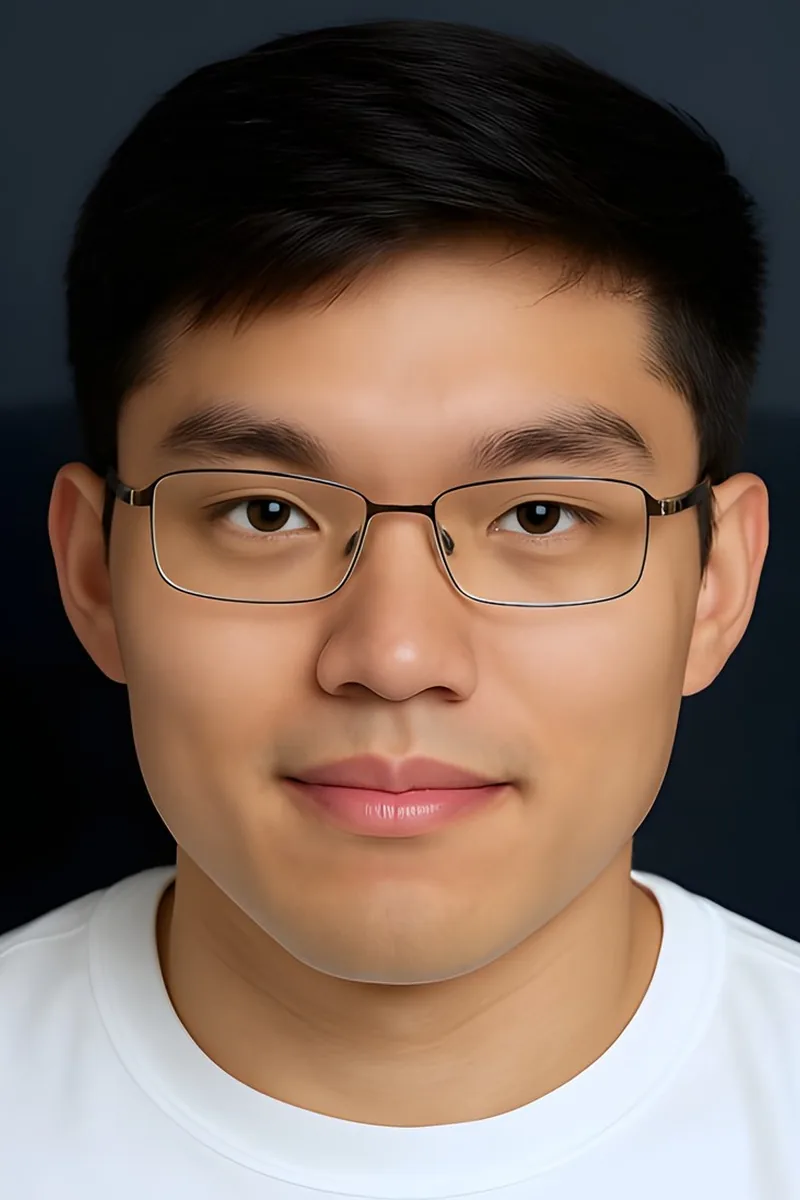
Studying computer science at MIT, Brice digs into everything from data structures and algorithms to systems-level thinking with students at any stage. He's tutored over 30 students in the past year alone, tackling topics like recursion, object-oriented design, and algorithmic complexity. Rated 4.9 by students.
Earning a certificate in Statistics and Machine Learning at Princeton gave Julie hands-on experience with core computer science concepts — algorithm design, data structures, and computational complexity. She approaches CS the way she approaches philosophy: by asking students to reason through *why* a solution works, not just whether it compiles.
Eric treats coding problems the same way he treats logical puzzles — by breaking them apart, finding the pattern, and building a solution step by step. As a CS major at Washington University in St. Louis, he's deep in Java and JavaScript right now, which means he can walk students through everything from writing their first function to structuring a full object-oriented program. His approach emphasizes learning to think through problems algorithmically before jumping to syntax.
Holding both a B.S. in Computer Science from the University of Kentucky and a game development master's in progress at SCAD, Evan covers the full stack of CS fundamentals: data structures, algorithm analysis, object-oriented design, and software architecture. He connects abstract concepts like Big-O complexity or recursion to concrete implementations in C, C++, and Java so the theory actually sticks.
Between his AP Computer Science 5 and his engineering coursework at Vanderbilt, William has written code across contexts — from introductory Java to computational modeling in his chemical engineering classes. He breaks down abstract concepts like recursion, data structures, and algorithm efficiency by walking through concrete examples line by line. Students who can follow the logic but freeze when writing code from a blank screen tend to gain traction quickly with his approach.
Michael earned his B.S. in Computer Science from UCLA, where he dug into everything from data structures and algorithms to software design principles. He breaks down abstract concepts like recursion, Big-O analysis, and object-oriented programming into concrete, step-by-step logic that clicks. He also teaches JavaScript, giving him a practical edge when students need to connect theory to actual code.
From data structures and algorithms to computational complexity, Michelle covers the core CS curriculum with the depth you'd expect from a Duke CS graduate heading into a PhD at Michigan. She's especially strong at explaining abstract concepts like recursion and graph traversal by connecting them to concrete, visual examples that make the logic intuitive.
Pursuing a CS master's at Penn while TAing discrete math means Keenan lives in both the theoretical and practical sides of computer science every day. He unpacks core topics like algorithm complexity, data structure tradeoffs, and computational logic in a way that connects abstract ideas to real code. Rated 5.0 across all sessions.
Most CS tutors come from pure software backgrounds — Clive's path runs through economics at Brown, where he picked up Java, Python, JavaScript, SQL, and HTML as tools for data analysis and building real projects rather than just completing problem sets. That applied angle makes him especially effective at teaching programming fundamentals and web technologies to students who learn better when code solves a tangible problem.
Biomedical engineering at Rice requires heavy computational coursework, so Theresa has tackled core computer science concepts — from object-oriented programming and data structures to algorithm complexity — in the context of solving real problems. She explains abstract ideas like recursion and sorting algorithms by connecting them to concrete examples rather than letting students drown in theory. Rated 5.0 by students.
Building AI systems and low-level software at Stanford — in both Python and C++ — Kevin knows where the theoretical meets the practical in computer science. His biocomputation specialization means he can explain not just how to implement an algorithm, but why certain computational approaches work better for different problem domains. Rated 5.0 by students.
Studying computer science at Cornell's College of Engineering, Ravnoor digs into topics like data structures, algorithms, and object-oriented design on a daily basis. He breaks complex problems — recursion, linked lists, sorting efficiency — into smaller, concrete steps so students build genuine understanding they can apply to new challenges independently.
Three Bachelor of Science degrees — including Neuroscience — meant Anna was writing code long before she started teaching it, using Java, Python, and MATLAB to analyze data and build computational models across disciplines. That cross-field experience shapes how she teaches CS fundamentals: students don't just learn syntax, they learn to think about what a program needs to do before structuring it in any particular language. Rated 5.0 by students.
Madeline's physics PhD work at Carnegie Mellon means she writes code daily — Python, Java, MATLAB, and Mathematica — to model complex systems and crunch data, which is a very different entry point into computer science than a pure software track. That scientific computing background makes her especially effective at teaching programming logic, debugging strategies, and algorithmic thinking to students who need CS skills for STEM applications rather than just app development.
Justin's PhD research in computational mathematics meant writing code daily — building simulations, implementing algorithms, and debugging in MATLAB and other languages. He teaches computer science concepts like data structures, recursion, and algorithmic complexity by connecting them to real computational problems rather than treating them as abstract definitions to memorize.
Isabella TA'd multiple computer science courses at MIT, so she's seen exactly where students get stuck — whether it's tracing recursive calls, understanding how data structures like linked lists and trees actually work in memory, or debugging logic errors in their code. She explains the underlying concepts so that writing correct programs becomes intuitive rather than trial-and-error. Rated 5.0 by students.
A Stanford MS in Computer Science means David can teach everything from data structures and algorithms to object-oriented design with the depth that comes from building real systems — not just reading about them. He spent a summer teaching web and app development to high school students in Palestine, so he knows how to make abstract CS concepts click through hands-on projects.
Margaret studies Computer Science at Stanford alongside Political Science, giving her a broad perspective on how computational thinking applies beyond just writing code. She breaks down core topics like data structures, algorithms, and recursion by connecting each one to real problems students can visualize. Rated 4.8 by her students.
Benjamin's finance and economics training at Notre Dame means he learned to code as a problem-solving tool — building models, analyzing datasets, and automating calculations — rather than through a traditional CS curriculum. That pragmatic entry point makes him effective at teaching programming logic and computational thinking to students who want to understand how code actually gets used in business and quantitative fields. Rated 5.0 by students.
Corrina's mechanical engineering degree required extensive programming coursework, and she now teaches core computer science concepts — data structures, algorithms, Boolean logic, and computational thinking — in a way that makes abstract ideas tangible. She connects each concept to real applications, whether that's sorting algorithms in a search engine or conditionals inside a robot's control loop.
Programming starts making sense when you stop memorizing syntax and start thinking about what the computer is actually doing step by step. June's electrical engineering background at Brown gives her insight into both the hardware and software sides — she can explain why an algorithm is efficient, not just how to write it. From loops and conditionals to data structures and recursion, she connects each concept to real projects she's built in robotics and hackathons.
Allison's CS degree from Dartmouth means she's worked through the full arc — from writing first programs to tackling data structures, algorithms, and computational theory. She unpacks abstract concepts like recursion and Big-O analysis by walking through concrete code examples, making the logic visible before the notation takes over.
From sorting algorithms and Big-O analysis to data structures like linked lists and binary trees, Rhamy covers the foundational CS concepts that show up in coursework and technical interviews alike. His computer engineering degree at Vanderbilt, paired with experience in multiple languages, lets him explain abstract ideas through concrete code. Rated 5.0 by students.
Learning to code is really learning to decompose problems — figuring out what a program needs to do before writing a single line. Nat is double-majoring in computer science at Vanderbilt and unpacks core topics like loops, conditionals, data structures, and algorithm design in ways that build genuine understanding. Whether a student is writing their first Python script or debugging recursive functions, he connects each concept to the logic behind it.
Florence doesn't just study computer science at Duke — she teaches it, having served as a TA for Intro to Databases and Computer Network Architecture while also interning in software development at IBM. That combination of academic depth and industry experience means she can explain everything from relational algebra to TCP/IP networking with concrete, real-world context. Rated 5.0 by students.
Between his coursework at Rice and his background in algorithms, Daniel tackles computer science from both the practical and theoretical sides — writing clean code and understanding why one sorting algorithm outperforms another for a given dataset. He's especially strong at breaking down recursion, data structures, and algorithmic complexity into steps that build logically on each other.
Ritesh's applied physics program at Cornell involves significant programming, from numerical simulations to data analysis, giving him hands-on fluency with core computer science concepts like algorithm design, data structures, and debugging logic. He unpacks topics such as recursion, sorting algorithms, and object-oriented principles by tying them to concrete problems rather than abstract definitions.
Sakibul's graduate work at Rice sits at the intersection of computer science and applied mathematics, which means he tackles programming concepts — loops, recursion, data structures — with the analytical rigor of a mathematician. He breaks down abstract ideas like algorithmic complexity into concrete, step-by-step reasoning that clicks for students encountering CS for the first time.
I am graduated from Penn State University in Industrial Engineering in 2017. I've tutored ever since I was in high school, and I love helping people! I like to help my students understand math (and other topics) instead of just doing it blindly. My goal is to help my students improve their math (and other topics) and build skills that will help them find learning easier in the future! Fun fact, I used to work for Disney and I like to salsa dance!
Ryan is a computer science major at Cornell, which means he's actively working through the same core curriculum — algorithms, data structures, computational complexity — that college CS students encounter. He explains concepts like recursion, Big-O analysis, and graph traversal by tracing through concrete examples rather than relying on abstract definitions. Rated 4.8 across his sessions.
Studying both chemical engineering and computer science at Cornell gives Jonathan an unusual angle on programming — he's constantly writing code to solve quantitative, real-world problems rather than just completing standalone assignments. That dual perspective makes him especially effective at teaching algorithmic thinking and Java or Python fundamentals, since he can show students how CS concepts like iteration and data manipulation actually get applied in technical fields outside of software development.
From data structures and algorithm analysis to the fundamentals of how operating systems and networks function, Nicholas covers computer science with the depth his Penn State CS degree provided. He's especially strong at explaining recursion, sorting algorithms, and Big-O notation — the concepts that separate students who can code from students who truly understand computation. Rated 5.0 by students.
Trained in computer science at UT Austin and currently pursuing a PhD that blends computational methods with social science, David brings both theoretical depth and applied versatility to CS instruction. He digs into core topics like algorithm analysis, data structures, and computational complexity, connecting them to the kind of real-world problem-solving that makes the discipline click.
Software development taught Michael something that textbooks often skip: the discipline of decomposing a massive, ambiguous problem into small, testable pieces — and that's exactly how he teaches computer science. His professional coding experience across languages like Java, Python, Ruby, and C means he can ground abstract topics like object-oriented design or control flow in real working code rather than classroom-only exercises. Rated 4.9 by students.
Studying Computer Science alongside Math/Stats at Carleton College, Thomas lives at the intersection of algorithms, data structures, and mathematical reasoning. He digs into topics like recursion, sorting algorithms, and object-oriented design by building understanding from first principles rather than rote code memorization.
John transitioned from law into co-founding a software company, which meant teaching himself to think in algorithms, data structures, and system design under real deadlines. He approaches computer science the same way — breaking problems into smaller, solvable pieces before writing a single line of code. That builder's mindset makes debugging and logic design feel less intimidating.
Studying computer science since before college and now pursuing a master's at UMass Amherst, Milo covers the full stack — from data structures and algorithms to systems-level concepts like memory management and concurrency. He spent three years in his university's tutoring center breaking down topics like recursion, sorting complexity, and graph traversal for students at every level.
Engineering science at Vanderbilt means Ethan writes code to solve real problems — simulations, data analysis, algorithm design — not just textbook exercises. He breaks down core concepts like recursion, data structures, and object-oriented design by connecting them to projects that actually do something interesting.
From computer architecture and theory to parallel computing and machine learning, Brandon's master's coursework at RIT covers the full stack of computer science concepts. His two years of professional industry experience mean he can connect abstract topics — algorithm complexity, concurrency models, data structures — to how they actually show up in production code. Students rated him 4.9, which tracks with his ability to make dense CS material feel approachable.
Testimonials
Because the right Computer Science tutor makes all the difference.
Average Session Rating – Based on 3.4M Learner Ratings
Top 20 Technology and Coding Subjects


Top 20 Subjects
Frequently Asked Questions
Debugging is as much about developing a systematic mindset as it is about technical skills. A tutor can teach you how to read error messages carefully, use debugging tools effectively (like breakpoints and print statements), and think through your code logically rather than guessing at fixes. They'll also help you understand common error patterns—like off-by-one errors in loops or null pointer exceptions—so you can spot and prevent them faster in future projects.
Syntax is the specific rules of a language (like how to write a for loop in Python vs. Java), while logic is the problem-solving approach behind your code. Many students get stuck memorizing syntax but struggle with algorithmic thinking—breaking down a problem into steps and choosing the right data structures. A tutor helps you focus on building strong logic skills first, which makes learning new languages and syntax much easier, since the core thinking transfers across all programming languages.
Data structures like arrays, linked lists, hash tables, and trees are abstract concepts that are hard to visualize without hands-on practice. Students often memorize definitions without understanding when and why to use each one, leading to inefficient solutions. A tutor can walk you through real coding problems, show you how different structures perform, and help you build intuition for choosing the right tool—turning data structures from abstract theory into practical problem-solving skills.
Code review teaches you to think like a professional developer—considering readability, efficiency, and best practices, not just whether code "works." A tutor can review your projects, point out where variable names are unclear, where you're repeating code unnecessarily, or where a more efficient algorithm would help. This feedback loop is invaluable because you learn to write better code the first time, catch your own mistakes faster, and develop habits that make collaboration easier later.
Building real projects forces you to integrate multiple concepts—maybe combining loops, conditionals, functions, and file I/O in one program—rather than learning them in isolation. A tutor can guide you through project planning, help you break large problems into manageable pieces, and provide feedback as you build. This approach strengthens your ability to think through problems end-to-end and gives you a portfolio of work that demonstrates your skills to colleges or employers.
A tutor can help you explore different areas by working on small projects in each domain and discussing what resonates with you. Web development focuses on front-end and back-end technologies; data science emphasizes statistics and machine learning; game development combines graphics, physics, and real-time problem-solving. Your tutor can help you understand the core skills each path requires and guide you toward specialization based on your interests and career goals.
Algorithmic thinking means breaking a problem into precise, step-by-step instructions before you write any code—thinking about efficiency, edge cases, and the order of operations. It's hard because it requires abstract reasoning and practice; many beginners jump straight to coding without planning. A tutor helps you develop this skill by working through problems on paper first, discussing different approaches, and analyzing why one solution is better than another—building the foundation for tackling complex problems independently.
Error messages are written for computers and experienced programmers, so they often feel cryptic to beginners—a stack trace showing five nested function calls can be overwhelming. A tutor teaches you to focus on the most relevant line, understand what the error type means (like IndexError vs. TypeError), and trace backward through your code to find the root cause. Over time, you'll recognize patterns and develop the skill to use error messages as debugging guides rather than sources of frustration.
Let’s find your perfect tutor
Answer a few quick questions. We’ll recommend the right plan and match you with a top 5% tutor.