Award-Winning US Constitutional History
Tutors
US Constitutional History
Tutors
Private 1-on-1 tutoring, weekly live classes for academic support, test prep & enrichment, practice tests and diagnostics, and more to elevate grades and test scores.
Based on 3.4M Learner Ratings
UniversitiesSchools & Universities
DeliveredHours Delivered
ProficiencyGrowth in Proficiency
Who needs tutoring?
No obligation. Takes ~1 minute.

Constitutional history sits at the intersection of Tessa's two Yale majors: the logical structure of legal reasoning and the messy human context behind landmark decisions. She unpacks cases like Marbury v. Madison and the Fourteenth Amendment debates by grounding them in the political conflicts that shaped them, so students see the Constitution as a living argument rather than a static document.
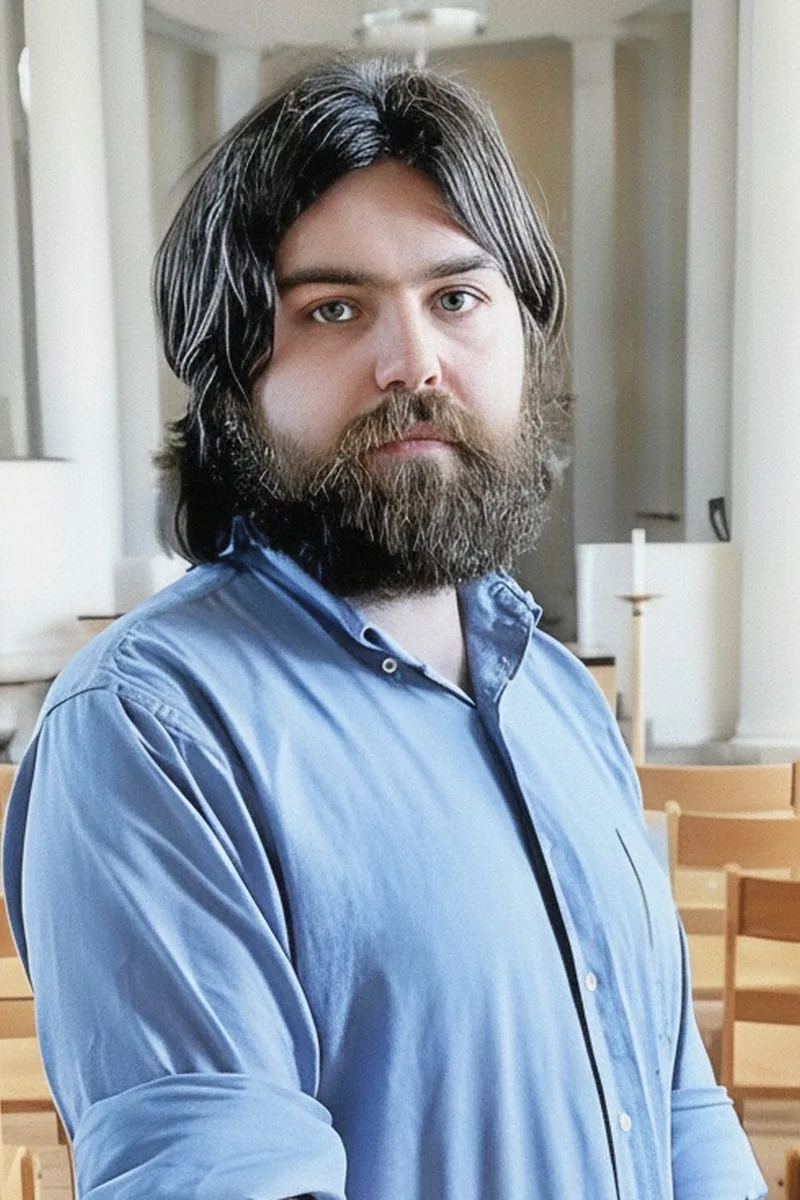
Few tutors bring the interpretive rigor to constitutional history that Gregory does. His graduate work in theology trained him to analyze foundational texts closely — a skill that translates directly to unpacking the Federalist Papers, dissecting landmark Supreme Court opinions like Marbury v. Madison, and tracing how constitutional interpretation has shifted across eras. He connects the document's original debates to the legal and political questions students encounter today.
Constitutional history is where legal reasoning meets political philosophy, and Seth digs into both — tracing how debates at the Philadelphia Convention shaped the Commerce Clause, how Reconstruction Amendments transformed federalism, and how landmark cases like Marbury v. Madison established judicial review. His history degree from Carleton gave him the analytical framework to unpack these evolving interpretations with students rather than just marching through a timeline of amendments.
Constitutional history sits at the intersection of legal reasoning, political philosophy, and historical context — and Justin's interdisciplinary background is built for that overlap. His Duke studies in history, religious studies, and economics gave him fluency with the ideological debates behind documents like the Federalist Papers and landmark Supreme Court opinions. He unpacks how concepts like federalism, due process, and judicial review evolved through specific cases and political crises rather than treating the Constitution as a static text.
Few tutors can discuss the Fourteenth Amendment's Equal Protection Clause or the evolving interpretation of executive power with the precision of someone who earned a doctorate studying American government. Asha digs into how constitutional principles have been contested and reshaped — from the Founding debates through Reconstruction to modern civil liberties cases — making the document feel like a living argument rather than a static text.
A PhD in law gives John an unusual vantage point on U.S. Constitutional History — he reads the document the way it was designed to be read, as a legal framework shaped by political compromise and centuries of judicial reinterpretation. His history degree and legal training let him walk through how doctrines like separation of powers or the scope of executive authority developed not in theory, but through specific constitutional crises. Rated 5.0 by students.
Few tutors bring a PhD in political science to a subject that literally demands it. Andrew's doctoral work gave him granular knowledge of constitutional interpretation — from the Federalist Papers and the Commerce Clause to landmark cases like Marbury v. Madison and the evolving doctrine of executive power. He unpacks how constitutional principles were debated at the founding and how those same tensions play out in modern jurisprudence.
Constitutional history lives at the intersection of law, political philosophy, and power — exactly where Varun's government degree concentrated. He unpacks landmark cases like Marbury v. Madison, the Fourteenth Amendment's evolving interpretation, and debates over executive authority by tracing how constitutional text has been read differently across eras. Students come away understanding the Constitution as a living argument rather than a static document.
Rob's triple major in English, Philosophy, and American studies at Fordham means he reads the Constitution the way the framers wrote it — as a philosophical argument embedded in a specific political moment. He teaches students to analyze the rhetorical logic behind founding documents and Supreme Court opinions, connecting Enlightenment-era ideas about natural rights and social contract theory to how those principles played out in constitutional crises. Rated 5.0 by students.
Understanding the Constitution means tracing how its clauses have been reinterpreted across centuries — from the Commerce Clause's expansion during the New Deal to evolving Due Process jurisprudence under the Fourteenth Amendment. Arianna breaks down landmark Supreme Court decisions into the legal reasoning and historical context that make them stick. Her analytical training at Dartmouth translates well to parsing dense constitutional arguments.
Constitutional history isn't just about memorizing amendments — it's about tracing how cases like Marbury v. Madison or the Commerce Clause debates reshaped the balance of federal and state power over time. Prahith brings both political science depth and an economist's understanding of how constitutional interpretation intersects with policy outcomes. Rated 5.0 by students.
Constitutional history isn't just about memorizing amendments — it's about understanding how Marbury v. Madison established judicial review, why the Commerce Clause became a battleground for federal power, and how interpretive philosophies like originalism and living constitutionalism shape real policy outcomes. Katherine's American history concentration at Denison gives her deep familiarity with how the Constitution has been contested and reinterpreted across every era of U.S. history.
Constitutional history is where Haylie's two academic interests — U.S. history and political science — overlap directly. She unpacks landmark cases and founding-era debates by connecting them to the political tensions behind them, from the Federalist Papers through Reconstruction amendments to modern judicial review.
Constitutional history sits outside Matthew's core engineering background, but his analytical mindset lends itself well to dissecting how the framers structured checks and balances and how landmark amendments reshaped American governance. He approaches constitutional questions the way he approaches engineering problems — by tracing how each piece of the system connects to the whole.
The Constitution isn't just a document — it's an ongoing argument, and Morgan teaches it that way. With degrees in both Political Science and Psychology, Morgan digs into the motivations behind the Framers' compromises, from the Three-Fifths Clause to the debate over enumerated versus implied powers. Students come away understanding not just what the Constitution says but why each provision was fought over.
Constitutional history sits at the intersection of law, politics, and philosophy — tracing how documents like the Federalist Papers, landmark Supreme Court rulings, and amendment battles reshaped American governance over two centuries. Victor studied both political science and history at Purdue, giving him the cross-disciplinary lens this subject demands. He digs into how cases like Marbury v. Madison or the 14th Amendment's evolving interpretation connect to broader power struggles between federal and state authority.
During law school at Suffolk, Gabrielle taught Constitutional Law to high school juniors and seniors at Cambridge Rindge and Latin — even coaching one student through a national moot court competition in Washington, D.C. That hands-on experience means she knows how to make concepts like separation of powers, the amendment process, and landmark judicial decisions click for students encountering them for the first time. Rated 5.0 by students.
Few tutors can teach constitutional history with the dual perspective Terry brings — a history degree for the political and social context, and a Juris Doctor for the legal reasoning behind landmark decisions. He walks students through how cases like Marbury v. Madison, Dred Scott, and Brown v. Board reshaped the balance of federal power, connecting each ruling to the broader constitutional debates of its era.
Constitutional history is where law, politics, and philosophy collide — tracing how the Commerce Clause or the Fourteenth Amendment got reinterpreted across different eras reveals how the document actually lives and changes. Adam digs into landmark cases and constitutional debates with students, connecting the Founders' original arguments to modern legal questions. His Binghamton history degree gives him the primary-source fluency this subject demands.
Constitutional history lives in the details — the Commerce Clause debates, the evolving interpretation of the Fourteenth Amendment, the tension between originalism and living constitutionalism. Alexandra unpacks these concepts by treating landmark cases and constitutional text the way her English training taught her to treat literature: with careful attention to language, intent, and the arguments surrounding every word.
The Constitution is a living argument, and Josh treats it that way — walking students through the Federalist debates, the evolution of judicial review, and how amendments like the 14th reshaped the balance between federal and state power. His history degree gives him the context to explain not just what each clause says, but the political crises that produced it.
Few tutors can walk through the evolution of constitutional doctrine the way someone with both a history degree and a J.D. can. Michael digs into landmark cases like Marbury v. Madison and McCulloch v. Maryland not just as legal holdings but as political battles, showing students how the balance of federal and state power shifted with each decision.
Constitutional history is where law, politics, and philosophy collide — tracing how a single document has been reinterpreted from Marbury v. Madison through the incorporation doctrine and beyond. Marcus's Political Science degree and Civic Education certificate gave him deep exposure to constitutional interpretation, separation of powers, and the evolving relationship between federal authority and individual rights.
Constitutional history clicks when students stop reading amendments as static rules and start seeing them as products of political conflict — the Fourteenth Amendment alone has been reinterpreted across dozens of landmark cases. Lily teaches students to trace how constitutional meaning shifts over time, connecting original debates at ratification to modern equal protection arguments.
While constitutional history isn't Michelle's primary discipline, her analytical training brings structure to a subject that rewards careful reading of dense, layered texts. She walks students through landmark cases and amendments by breaking down the reasoning in each decision — much the way she'd dissect a scientific argument — so the logic behind concepts like judicial review or due process becomes genuinely clear.
I am a law student, but I took an unusual route to get there. I used to attend medical school but had a change of heart in my career path. Part of this was due to my political science major (double major with biology) in college as well as a number of Spanish and other courses that I took. Tutoring is something, I feel, that has come naturally to me, even back to my high school days. My goal is to help you learn as much as you can and reach your true potential. I will work hard to make sure that this happens, as long as you put in the work, too! We will work together to tailor your learning experience to your needs.
A practicing attorney in Georgia with a history degree, Ryan reads constitutional questions the way lawyers do — through the lens of precedent, statutory construction, and adversarial argument. He teaches students to analyze how provisions like the Commerce Clause or the separation of powers doctrine were shaped not just by the Founders' intent but by the courtroom battles that followed. Rated 5.0 by students.
From the Federalist-Antifederalist debates to landmark cases like Marbury v. Madison and the evolving interpretation of the Fourteenth Amendment, US Constitutional History sits squarely at the intersection of Daniel's training in political science and government. He unpacks how constitutional principles shifted across eras — not just what the Court decided, but the political pressures and philosophical arguments that shaped each ruling.
John's Latin degree gives him a sharp eye for close reading of primary texts — a skill that translates directly to parsing the dense language of founding-era documents, ratification debates, and early Supreme Court opinions. He teaches constitutional history by pulling apart the actual words framers and justices chose, showing students how shifts in phrasing reshaped American governance. Rated 5.0 by students.
Constitutional History is where law meets political philosophy meets historical context — understanding Marbury v. Madison or the Fourteenth Amendment requires reading the actual texts and grasping the conflicts behind them. Nathaniel unpacks landmark cases and constitutional debates by situating them in the eras that produced them, from ratification-era Federalist arguments to Warren Court-era civil liberties expansion.
Testimonials
Because the right US Constitutional History tutor makes all the difference.
Average Session Rating – Based on 3.4M Learner Ratings
Top 20 Social Studies Subjects


Top 20 Subjects
Frequently Asked Questions
Students often struggle with understanding the interconnection between historical events and constitutional principles, as well as interpreting primary documents like the Constitution and Federalist Papers. Many find it difficult to grasp how constitutional interpretation has evolved over time, or to distinguish between the framers' original intent and modern applications. Additionally, students sometimes memorize dates and facts without understanding the underlying political philosophies and debates that shaped the Constitution. Personalized tutoring helps bridge these gaps by breaking down complex concepts, connecting historical context to constitutional principles, and building analytical skills through guided practice with primary sources.
Constitutional History is typically taught as part of US History courses (grades 8-12) and features prominently in AP US History, AP Government & Politics, and college-level History and Political Science programs. High school students usually encounter foundational concepts like the Constitution's structure, the three branches of government, and key Supreme Court cases. College students and AP candidates dive deeper into constitutional interpretation, the amendment process, and how the Constitution has been applied to contemporary issues. Tutors can tailor instruction to your specific course requirements, whether you're building foundational knowledge or preparing for standardized exams that emphasize constitutional analysis.
Great tutors combine deep knowledge of constitutional law and American history with the ability to make abstract concepts concrete and engaging. They excel at asking questions that push students to think critically about primary sources, to trace how constitutional principles apply across different time periods, and to construct well-reasoned arguments about complex issues like federalism or individual rights. Effective tutors also diagnose whether a student's struggles stem from content gaps, weak analysis skills, or test-taking anxiety—and adapt their approach accordingly. When you connect with a tutor through Varsity Tutors, you'll work with someone who understands both the subject matter and how to help you develop the deeper understanding that leads to genuine improvement.
With consistent, focused instruction, students typically develop stronger analytical and writing skills—particularly the ability to construct evidence-based arguments about constitutional interpretation and historical causation. You'll gain confidence reading and interpreting primary documents, recognizing patterns in how constitutional principles have been applied across different eras, and connecting specific cases or amendments to broader themes. For students preparing for AP exams or college courses, tutoring often leads to measurable improvement in essay scores and multiple-choice performance, especially on questions requiring nuanced understanding rather than simple recall. Most importantly, you'll develop the critical thinking skills that help you engage meaningfully with complex constitutional questions rather than simply memorizing facts.
In a classroom setting, teachers must move at a pace that serves the entire group, which often means less time for students to wrestle with difficult concepts or to explore their individual questions in depth. Personalized tutoring allows you to slow down on topics that challenge you—whether that's understanding the Federalist Papers' arguments, analyzing a Supreme Court decision, or connecting constitutional principles across historical periods. A tutor can also tailor examples and discussion to your interests and learning style, use Socratic questioning to deepen your thinking rather than simply providing answers, and provide immediate feedback on your writing or analysis. This focused, adaptive approach is why research consistently shows that 1-on-1 instruction significantly accelerates learning compared to group settings.
Primary sources—the Constitution itself, Supreme Court opinions, founding-era documents, and speeches—are the raw materials of constitutional history. Learning to read these documents closely, understand their historical context, and extract meaning from them is essential for success in advanced courses and exams like the AP. Many students find primary source analysis intimidating because these texts use unfamiliar language and assume historical knowledge they don't yet have. A tutor can guide you through this process by teaching you how to break down difficult passages, ask productive questions about authorial intent and audience, and connect specific documents to larger historical debates. Over time, this builds confidence and the analytical skills you need to handle any primary source independently.
Yes—tutors experienced in AP US History, AP Government & Politics, or college-level history courses understand exactly what those exams require and can structure your preparation accordingly. They'll help you master the content knowledge, but equally important, they'll teach you the specific analytical and writing skills the exams assess: crafting evidence-based arguments, comparing historical periods, and explaining how constitutional principles shaped policy decisions. A tutor can also diagnose your weaknesses through practice essays and multiple-choice questions, then target instruction where you need it most. Rather than generic test prep, you get customized preparation that builds both your understanding and your test-taking confidence.
Let’s find your perfect tutor
Answer a few quick questions. We’ll recommend the right plan and match you with a top 5% tutor.