Award-Winning Middle School Science
Tutors
Who needs tutoring?
FEATURED BY


TUTORS FROM
- YaleUniversity
- PrincetonUniversity
- StanfordUniversity
- CornellUniversity
Award-Winning Middle School Science Tutors
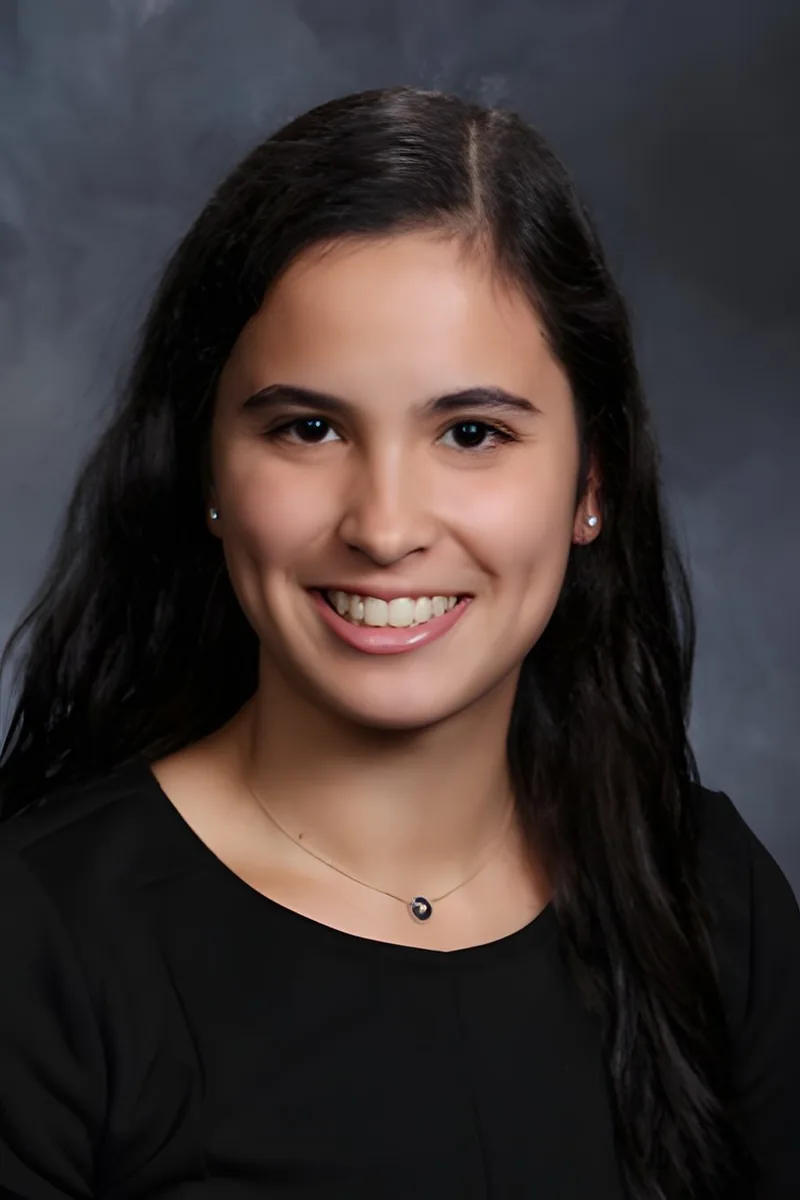
Certified Tutor
9+ years
Isabella
Summer programs for gifted middle schoolers gave Isabella a sharp sense of how to explain scientific concepts — energy transfer, cell structure, the basics of chemical reactions — to students who are curious but still building their vocabulary. She earned a math degree at MIT, which means she's espe...
Massachusetts Institute of Technology
Bachelor of Science in Mathematics (minors in Management Science and Ancient and Medieval Studies)
Georgia Institute of Technology-Main Campus
Current Grad Student, Operations Research
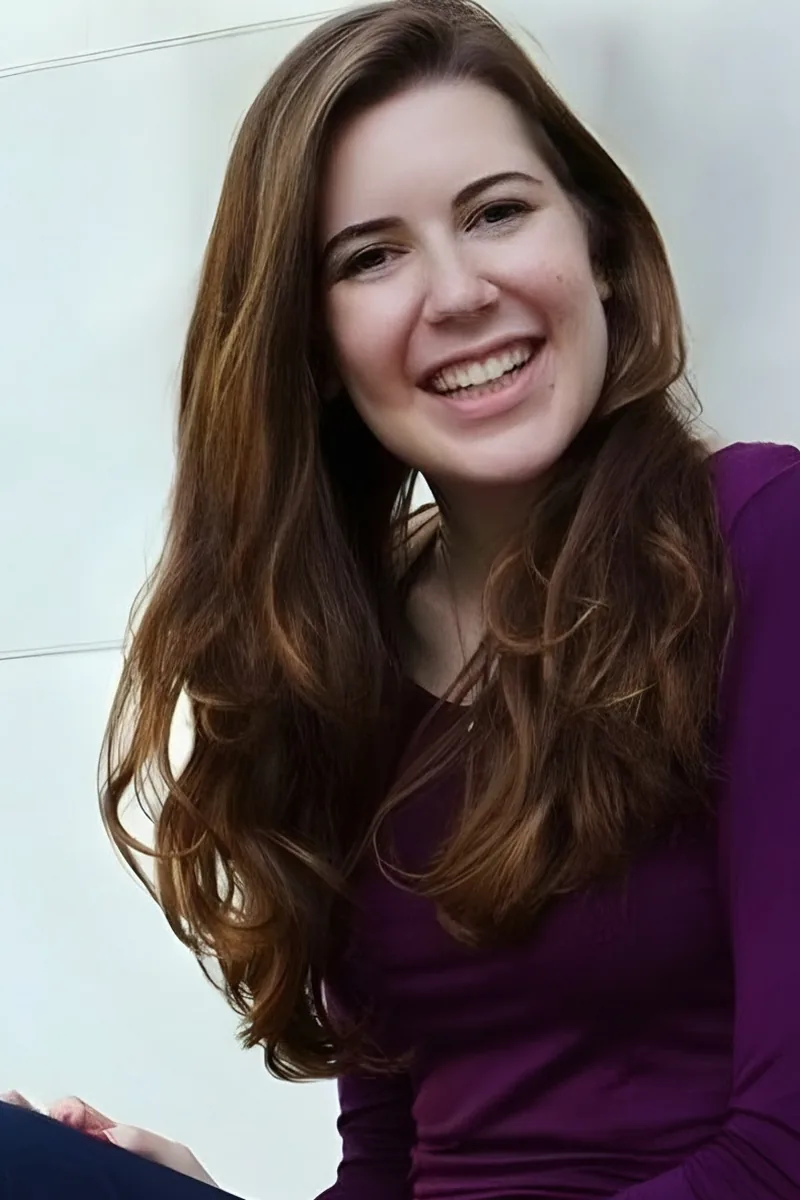
Certified Tutor
9+ years
Emily
A double major in Molecular, Cellular, and Developmental Biology at Yale means Emily built her science knowledge from the ground up — cell structure, genetics, organism-level systems — which is exactly the content middle schoolers encounter when units shift from vocabulary-heavy to conceptually dema...
Yale University
Master of Public Health (MPH), concentration in Epidemiology and Global Health
Yale School of Public Health
Master in Public Health, Public Health
Yale University
Bachelor of Science (B.S.), double major in Molecular, Cellular, and Developmental Biology and French
Certified Tutor
6+ years
Connor
Three years running a Cell Biology lab course at Notre Dame taught Connor how to make the leap from textbook diagrams to actual understanding — a skill that translates directly when a sixth grader is staring at a cell organelle chart or trying to make sense of photosynthesis. His dual science degree...
Loyola University-Chicago
Master of Arts, Biomedical Sciences
University of Notre Dame
Bachelor of Science
Certified Tutor
5+ years
Sugi
A dual degree in Cognitive Science and Biochemistry & Cell Biology from Rice — graduated summa cum laude — means Sugi can trace a middle school topic like cell division or the nervous system all the way down to what's actually happening at the molecular level, then translate it back into language a ...
Rice University
Bachelor's degree in Cognitive Science and Biochemistry & Cell Biology
Baylor College of Medicine
Doctor of Medicine, Ophthalmic Technology
Certified Tutor
9+ years
Akarsh
Two degrees in cellular and molecular biology mean Akarsh can answer the question behind the question — when a sixth grader asks what cells actually do, he can zoom in to the molecular level and then pull back to the body system, making the connection feel natural instead of forced. That depth is es...
Yale University
Master of Science, Cellular and Molecular Biology
Yale University
Bachelor of Science, Cellular and Molecular Biology
Certified Tutor
8+ years
Anna
Before medical school at Northwestern, Anna studied anthropology — a field built on observing systems, asking why populations behave the way they do, and connecting evidence to explanations, which is exactly the kind of thinking middle school science units on ecosystems, body systems, and experiment...
Northwestern University
Bachelor in Arts, Anthropology
Northwestern University
Graduated (Honors Program in Medical Education)
Certified Tutor
9+ years
Joseph
A biology degree from UCLA and current public health studies at Yale mean Joseph has spent years thinking about how living systems work — from cellular processes to how organisms interact with their environments. He brings that depth to middle school topics like ecosystems, body systems, and basic g...
Yale University
Master in Public Health, Public Health
University of California Los Angeles
Bachelor's in Biology
Certified Tutor
9+ years
Dennis
Simulating cosmic ray acceleration at Princeton's astrophysics department and building optical filters at Norfolk State's engineering lab gave Dennis a hands-on feel for how physics and chemistry actually behave — which is exactly the intuition middle schoolers need when they're grappling with force...
Princeton University
Bachelor of Science
Certified Tutor
10+ years
Rachel
Years of teaching at state and national parks taught Rachel to explain ecosystems, weather patterns, and earth processes using the landscape right in front of her — a habit she carries into tutoring, where every concept gets tied to something a student can actually observe. Her master's in Environme...
Johns Hopkins University
Masters
Johns Hopkins Bloomberg School of Public Health
Masters, Environmental Health Sciences
Johns Hopkins University
Bachelors
Certified Tutor
9+ years
Kathleen
Teaching 10th grade Biochemistry and 12th grade Chemistry at a Philadelphia magnet school every day means Kathleen has watched hundreds of students make the leap from middle school science into rigorous high school coursework — so she knows exactly which foundational concepts in cells, chemical reac...
University of Pennsylvania
M.S.Ed in Secondary Science Education
Haverford College
Bachelor of Science, Chemistry
Certified Tutor
10+ years
This is John's home turf — he taught middle school science in Philadelphia and served as the science curriculum chair, meaning he didn't just deliver lessons but built them. Whether a student is wrestling with the scientific method, energy transfer, or cell structure, John knows the exact misconcept...
University of Pennsylvania
Masters, Education
College of the Holy Cross
Bachelors, History
Certified Tutor
9+ years
Kristin
Kristin studied biological sciences at the University of Chicago and is now completing her nursing degree at Penn — a path that keeps her constantly translating complex science into practical, everyday terms. That skill pays off in middle school science, where she unpacks topics like cell structure,...
University of Pennsylvania
Master of Science, Nursing (RN)
University of Chicago
Bachelor in Arts, Biology, General
University of Chicago
BA in Biological Sciences (minor in Philosophy)
Certified Tutor
10+ years
I am an entrepreneurial travel-loving media professional living in New Orleans. I have a Master in Business Administration from Tulane University and I love teaching all sorts of subjects, especially math. In terms of hobbies, you can find me long-distance running, studying data science, exploring ...
Tulane University of Louisiana
MS
Northwestern University
MS
Certified Tutor
6+ years
JF
Having tutored students as young as third grade throughout high school and now at Stanford, JF knows how to make scientific concepts tangible for younger learners. He unpacks topics like the water cycle, forces, and cell structure using concrete examples and step-by-step reasoning that build genuine...
Stanford University
Bachelor of Science, Mathematics and Computer Science
Certified Tutor
14+ years
Caroline
A mechanical engineering degree from WashU — earned magna cum laude — plus hands-on refinery work at ExxonMobil means Caroline has lived the physics and chemistry that middle schoolers are just encountering in units on forces, energy, and chemical changes. She draws on that real-world engineering ex...
Massachusetts Institute of Technology
Masters in Business Administration, Business Administration and Management
Washington University in St. Louis
Undergraduate degree
Top 20 Science Subjects


Meet Varsity Tutors Experts
Connect with highly-rated educators ready to help you succeed.
John
Calculus Tutor • +27 Subjects
This is John's home turf — he taught middle school science in Philadelphia and served as the science curriculum chair, meaning he didn't just deliver lessons but built them. Whether a student is wrestling with the scientific method, energy transfer, or cell structure, John knows the exact misconceptions that trip up this age group and how to address them.
Kristin
Calculus Tutor • +32 Subjects
Kristin studied biological sciences at the University of Chicago and is now completing her nursing degree at Penn — a path that keeps her constantly translating complex science into practical, everyday terms. That skill pays off in middle school science, where she unpacks topics like cell structure, ecosystems, and basic chemistry by connecting them to what's actually happening inside the human body. Rated 5.0 by her students.
Danielle
Algebra Tutor • +9 Subjects
I am an entrepreneurial travel-loving media professional living in New Orleans. I have a Master in Business Administration from Tulane University and I love teaching all sorts of subjects, especially math. In terms of hobbies, you can find me long-distance running, studying data science, exploring new restaurants and traveling the world.
JF
AP Statistics Tutor • +47 Subjects
Having tutored students as young as third grade throughout high school and now at Stanford, JF knows how to make scientific concepts tangible for younger learners. He unpacks topics like the water cycle, forces, and cell structure using concrete examples and step-by-step reasoning that build genuine curiosity. Rated 5.0 by students.
Caroline
College Algebra Tutor • +56 Subjects
A mechanical engineering degree from WashU — earned magna cum laude — plus hands-on refinery work at ExxonMobil means Caroline has lived the physics and chemistry that middle schoolers are just encountering in units on forces, energy, and chemical changes. She draws on that real-world engineering experience to show students what these concepts look like outside a textbook, connecting classroom vocabulary to how machines, materials, and processes actually behave. Rated 5.0 by her students.
Dennis
Calculus Tutor • +29 Subjects
Dennis's master's in Chemical and Physical Biology from Vanderbilt means he's worked across biology, chemistry, and physics at a graduate level — the same three disciplines middle school science is introducing for the first time. He breaks down topics like states of matter, cell structure, or basic chemical reactions by connecting them to the real research he's done, turning what often feels like vocabulary memorization into something students can actually reason through. Rated 5.0 by his students.
Vansh
Pre-Algebra Tutor • +32 Subjects
Whether the topic is cell biology, force and motion, or chemical reactions, middle school science asks students to start thinking like scientists — forming hypotheses and interpreting data. Vansh tackles each unit by tying abstract vocabulary back to observable, everyday examples, giving students a framework they can actually use on labs and exams. Rated 4.8 by students.
Paula
8th Grade Math Tutor • +122 Subjects
Paula's psychology background gives her a useful angle on middle school science — she understands how students actually learn and retain information, which she applies when breaking down topics like the scientific method, variables, and drawing conclusions from data. Her 1520 SAT and 32 ACT reflect genuine cross-disciplinary strength, and she channels that into making connections between life science, physical science, and earth science units feel natural rather than compartmentalized.
Annie
AP Calculus BC Tutor • +42 Subjects
Annie's cancer immunotherapy research and TA role for introductory biology at Cornell mean she's actively doing science — designing experiments, analyzing data, troubleshooting results — which gives her a practitioner's instinct for explaining how the scientific method actually works to middle schoolers tackling their first real lab reports. Her biomedical engineering background also lets her bridge life science and physical science units naturally, showing students how a concept like cell structure connects to the chemistry and physics underlying it.
Natalie
Middle School Math Tutor • +46 Subjects
Natalie's neurobiology major at Penn means she's studying the actual science behind how bodies sense, signal, and respond — so when a middle schooler encounters units on the nervous system, cells, or body organization, she can unpack the biology with a specificity that makes diagrams come alive. She also brings that same rigor to physical science and earth science topics, teaching students to trace how one process leads to the next rather than treating each chapter as its own isolated vocabulary list.
Top 20 Subjects
Frequently Asked Questions
Middle school science requires students to shift from memorizing facts to understanding concepts and their real-world applications. Common challenges include visualizing abstract ideas like molecular structures and forces, balancing chemical equations, performing unit conversions, and connecting theoretical knowledge to practical scenarios. Many students also struggle with the scientific method and experimental design—not just following steps, but understanding why each step matters.
Personalized tutoring helps students build conceptual understanding rather than relying on memorization, which makes science both easier to learn and retain.
Science is hands-on, and tutoring prepares students to succeed in the lab. Tutors help students understand experimental design, predict outcomes, analyze data, and draw evidence-based conclusions—skills that go beyond following procedures. They also help students troubleshoot when experiments don't go as planned, which is when real learning happens.
Personalized instruction ensures students develop strong scientific reasoning skills and confidence approaching new lab scenarios, whether in class or in tutoring sessions.
Both matter, but understanding comes first. When students grasp why something happens—like why seasons change or how cells divide—facts stick naturally. Memorization alone creates fragile knowledge that doesn't transfer to new problems or real-world contexts.
The best approach combines conceptual understanding with strategic review. Tutors help students build mental models and connections between ideas, then use spaced repetition and practice testing to lock in knowledge. This approach is far more effective than cramming facts before a test.
Many students struggle with the math embedded in science—balancing equations, unit conversions, and stoichiometry. The issue is often that they're learning math and science concepts separately, without seeing how they connect.
Tutors work across both subjects, showing students how to apply math tools to science problems. They break down multi-step conversions, reinforce dimensional analysis, and help students understand why these skills matter for understanding chemical reactions and measurements. This integrated approach builds confidence and competence.
Great science tutors combine subject expertise with the ability to explain complex ideas clearly. They should help students visualize abstract concepts, ask probing questions that build scientific thinking, and connect content to real-world applications. They also understand middle school curricula and the specific skills students need—from experimental design to data analysis.
Varsity Tutors connects you with expert tutors who excel at teaching science as a way of thinking, not just a list of facts. They adapt their approach to each student's learning style and pace.
Many students see improved understanding and confidence within a few weeks of consistent tutoring, especially when the focus is on building conceptual clarity rather than cramming facts. For more challenging topics—like molecular bonding or ecosystem dynamics—deeper mastery typically develops over 2-3 months with regular sessions.
The timeline depends on your student's starting point, the complexity of the material, and session frequency. Tutors create personalized plans and track progress to ensure steady improvement throughout the year.
In a classroom, teachers must pace lessons for 25+ students with different learning speeds and styles. Personalized tutoring adapts entirely to your student—slowing down on tough concepts, speeding up when they're ready, and using examples that resonate with them.
One-on-one instruction also creates space for hands-on exploration, experiment planning, and deep questioning that builds scientific reasoning. Tutors can address misconceptions immediately, provide targeted feedback, and help students develop both content knowledge and critical thinking skills that serve them in science and beyond.
Connect with Middle School Science Tutors
Get matched with expert tutors in your subject