Award-Winning Homeschool
Tutors
Homeschool
Tutors
Private 1-on-1 tutoring, weekly live classes for academic support, test prep & enrichment, practice tests and diagnostics, and more to elevate grades and test scores.
Based on 3.4M Learner Ratings
UniversitiesSchools & Universities
DeliveredHours Delivered
ProficiencyGrowth in Proficiency
Who needs tutoring?
No obligation. Takes ~1 minute.
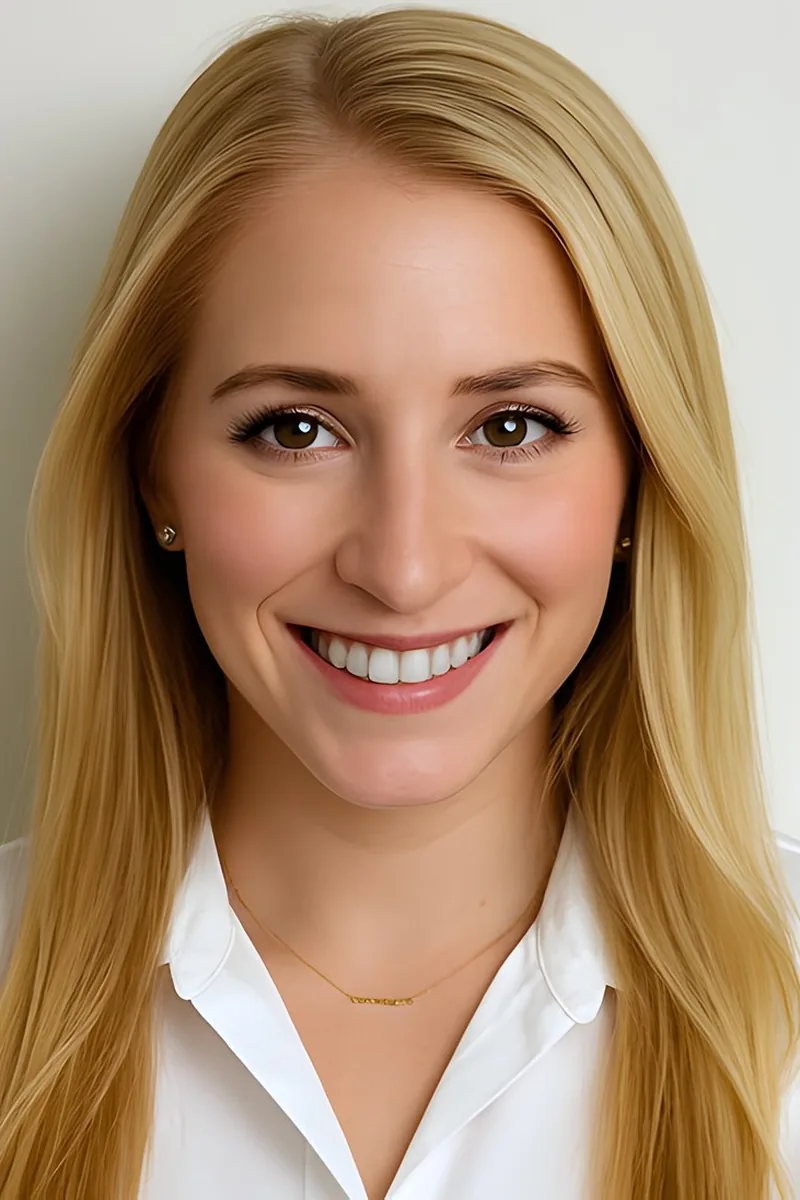
Molly is an Illinois-certified K–9 teacher with a Master of Science in Education from Northwestern and deep classroom experience across multiple grade levels, which means she understands how to sequence a full curriculum — not just teach isolated lessons. For homeschool families, she designs instruction around each child's pace in core subjects like math, reading, writing, and history, filling gaps and pushing ahead where a student is ready.

A Brown-trained writer and visual artist who also teaches math through calculus and science through high school chemistry, Hasan can anchor a homeschool week around the subjects that often require the most outside support — then pivot to literature discussion or essay feedback without switching tutors. His experience designing and leading his own literature courses at a community center means he knows how to build a curriculum from scratch, not just follow someone else's. Rated 5.0 by the families he works with.
Math is usually the subject homeschool parents hand off first, and Kenan can take it from first-grade arithmetic all the way through AP Calculus BC — a continuous thread that keeps a student from having to switch tutors every time the material jumps a level. His mathematical economic analysis training also means he can connect upper-level concepts like statistics and probability to real-world reasoning, giving older homeschool students a bridge toward college-level quantitative work. He additionally covers US history, literature, and essay writing, so he can anchor more than just the STEM side of a weekly schedule.
Laura's MFA and undergraduate work in music and theater give her an unusual entry point for homeschool families — she can tie together writing, literature, history, and the arts in ways that make cross-curricular connections feel natural rather than forced. Her subject range runs from AP US and European history through SAT prep, essay editing, and Shakespeare, so she can anchor a humanities-heavy homeschool week without needing a second tutor.
A Dartmouth neuroscience graduate who also carries deep math range — pre-algebra through calculus — and science coverage from biology and chemistry to physics and anatomy, Arianna can anchor a homeschool student's STEM curriculum without needing a rotating cast of specialists. She's currently pursuing medical and business work, which keeps her connected to how these subjects actually get used beyond the textbook. Rated 4.8 by the families she's worked with.
A PhD in biophysical chemistry plus three separate bachelor's degrees means Tom can genuinely anchor a homeschool week around the subjects that most often require expert support — chemistry, physics, calculus, and pre-calc — while also covering essay writing, literature, grammar, and history. His teaching philosophy treats every technical subject like a language: understanding the lecture is passive, but real learning happens when students practice producing the work themselves and get immediate feedback. That approach translates naturally to homeschool settings, where consistent, structured practice matters more than seat time.
I am a firm believer of this and, as such, I do not spoon feed students during sessions but rather guide them to figure out how to answer their own questions and solve their own problems. Thus, I focus not only on what to do, but how and why to do it. One of the most significant drivers of independent learning is curiosity, and this is one of the primary traits I aim to cultivate in students.
Growing up with ADHD and learning to work around it gives Alysia a practical understanding of how different brains need different structures — something homeschool families deal with every single day. As an Intervention Specialist in a K-5 school, she builds small-group ELA and math support for a living, so she knows how to spot where a student's understanding is breaking down and adjust on the spot. Her subject range covers math and science through middle school plus reading, writing, phonics, and literature, all rated 5.0 by the families she works with.
Jennifer's social sciences degree and her breadth across elementary math (1st through 5th grade), phonics, reading, writing, and elementary science mean she can run a full primary-grades homeschool day without families needing to coordinate multiple tutors. She also brings human development coursework to the table, so she understands how younger learners actually absorb and retain new material at different stages — a perspective that shapes how she paces lessons and sequences concepts. Rated 4.9 by the families she's worked with.
Philip was homeschooled for the majority of his K-12 years and can speak to both the freedom and the challenges that come with it — structuring a curriculum, staying motivated without a classroom, and making sure nothing falls through the cracks. He later transitioned into public school and standardized testing, so he understands how to bridge homeschool learning with the benchmarks colleges expect.
For homeschool families whose students are strongest in — or most drawn to — the humanities, Patrick's MFA in Creative Writing and English BA let him build a cohesive language arts curriculum covering reading, writing, literature, grammar, poetry, and essay work from elementary through college level, all with one tutor. He also preps ACT and SAT verbal sections (he scored a 32 ACT composite himself), so standardized test readiness can be woven into the weekly rhythm rather than treated as a separate project. Rated 5.0 by the families he's worked with.
Layan's broad subject range — spanning math through calculus, literature, world history, and writing — makes her especially well-suited for homeschool families who need one tutor to cover multiple disciplines coherently. She builds connections across subjects the way a strong curriculum should, linking a history lesson on colonialism to a reading assignment's themes or tying arithmetic concepts into real-world problem-solving.
Families juggling a homeschool schedule across multiple subjects benefit from Nicole's unusually wide range — she covers math from pre-algebra through calculus, English and essay writing at every level, plus accounting, economics, and business courses that most tutors can't touch. Her Ross School of Business training means she can also introduce real-world financial literacy and quantitative reasoning into a student's week, adding practical depth that standard curricula often skip. Rated 5.0 by the families she's worked with.
Katerina's subject list reads like a full school day — math from first grade through calculus, biology, reading, writing, literature, and ACT prep — which means a homeschool family can consolidate multiple subjects into sessions with one tutor who actually knows the material. Her English degree anchors the humanities side, while her math range lets her connect, say, pre-algebra concepts to the geometry a student will encounter next. Rated 4.9 by families she's worked with.
Heather's dual background — a Secondary Education degree with English and Theater Arts concentrations plus a Master's in Teacher Leadership — means she can design and sequence a full language arts curriculum rather than just tutor individual assignments. She covers grammar, literature (including Shakespeare and British lit), creative and expository writing, poetry, and reading across grade levels, while also handling math, science, and history when the day's schedule demands it. The theater training is a quiet advantage: it keeps lessons dynamic and gives her tools for reaching students who shut down during straight lecture.
Testimonials
Because the right Homeschool tutor makes all the difference.
Average Session Rating – Based on 3.4M Learner Ratings
Top 20 Other Subjects


Top 20 Subjects
Frequently Asked Questions
Many homeschooling families use diverse curricula—from classical to Charlotte Mason to unschooling approaches—which can create gaps when students need to transition to traditional schools or take standardized tests. Tutors can assess your student's current level across core subjects, identify where your chosen curriculum may be light, and supplement instruction to ensure mastery of grade-level standards. This is especially valuable if your student plans to take SAT, ACT, AP exams, or needs to meet college admissions requirements.
While homeschooling offers flexibility, students often struggle most with math progression (especially algebra and higher levels where conceptual gaps compound), writing mechanics and essay structure across subjects, and sciences requiring hands-on lab experience or specialized equipment. Additionally, many homeschoolers benefit from support in subjects where parents feel less confident teaching, such as foreign languages, advanced sciences, or test-specific strategies for standardized assessments.
Homeschooled students often develop strong independent learning skills, but they may lack accountability structures and feedback mechanisms that traditional classrooms provide. A tutor can serve as a knowledgeable guide who checks understanding, provides targeted feedback on assignments, helps students set realistic learning goals, and teaches metacognitive strategies—like how to identify gaps in their own knowledge and adjust study approaches accordingly. This strengthens both subject mastery and lifelong learning habits.
Yes. Tutors can provide detailed progress reports, assessment results, and documentation of student achievement that parents can use to build comprehensive transcripts for college applications. This is particularly helpful for homeschoolers taking advanced courses or pursuing dual enrollment, as colleges want evidence of rigorous instruction and measurable progress. Tutors can also help students prepare portfolios or complete standardized assessments (like AP exams or CLT) that strengthen applications.
Strong homeschool tutors combine subject-matter expertise with flexibility and understanding of diverse learning styles—since homeschooled students often learn differently than their traditionally-schooled peers. Look for tutors with experience teaching outside traditional classroom settings, familiarity with multiple curricula or pedagogical approaches, and the ability to diagnose and fill knowledge gaps rather than just following a script. For academic subjects, relevant degrees or certifications in that field matter; for test prep, proven track records of student score improvements are essential.
Transitioning to traditional school involves academic, social, and organizational adjustments. A tutor can help bridge curriculum differences, ensure your student meets the new school's academic expectations, and build confidence in areas where homeschool instruction may have differed. Tutors can also help students develop study habits suited to traditional classroom pacing, teach note-taking and test-taking strategies specific to that environment, and provide support during the adjustment period to prevent falling behind.
Look for concrete indicators: improved performance on standardized assessments or practice tests, stronger grades on assignments and exams, increased confidence tackling challenging material independently, and clearer understanding demonstrated through explanations or problem-solving. Tutors should provide regular feedback on specific skills mastered, areas needing reinforcement, and progress toward defined learning goals. For homeschoolers preparing for college admissions or standardized tests, measurable gains in test scores or course mastery offer clear evidence of progress.
Let’s find your perfect tutor
Answer a few quick questions. We’ll recommend the right plan and match you with a top 5% tutor.