Award-Winning Writing Tutors
serving Bronx, NY
Writing
Tutors in Bronx
Private 1-on-1 tutoring, weekly live classes for academic support, test prep & enrichment, practice tests and diagnostics, and more to elevate grades and test scores.
Based on 3.4M Learner Ratings
UniversitiesSchools & Universities
DeliveredHours Delivered
ProficiencyGrowth in Proficiency
Who needs tutoring?
No obligation. Takes ~1 minute.

Clarity in writing comes from knowing what you actually want to say before worrying about how to say it. Michael spent years at Yeshiva College's Writing Center teaching students to outline their arguments, eliminate filler, and sharpen their prose at the sentence level. Whether the assignment is a research paper, a narrative essay, or a timed response, he tackles the thinking behind the writing — not just the grammar on the surface.
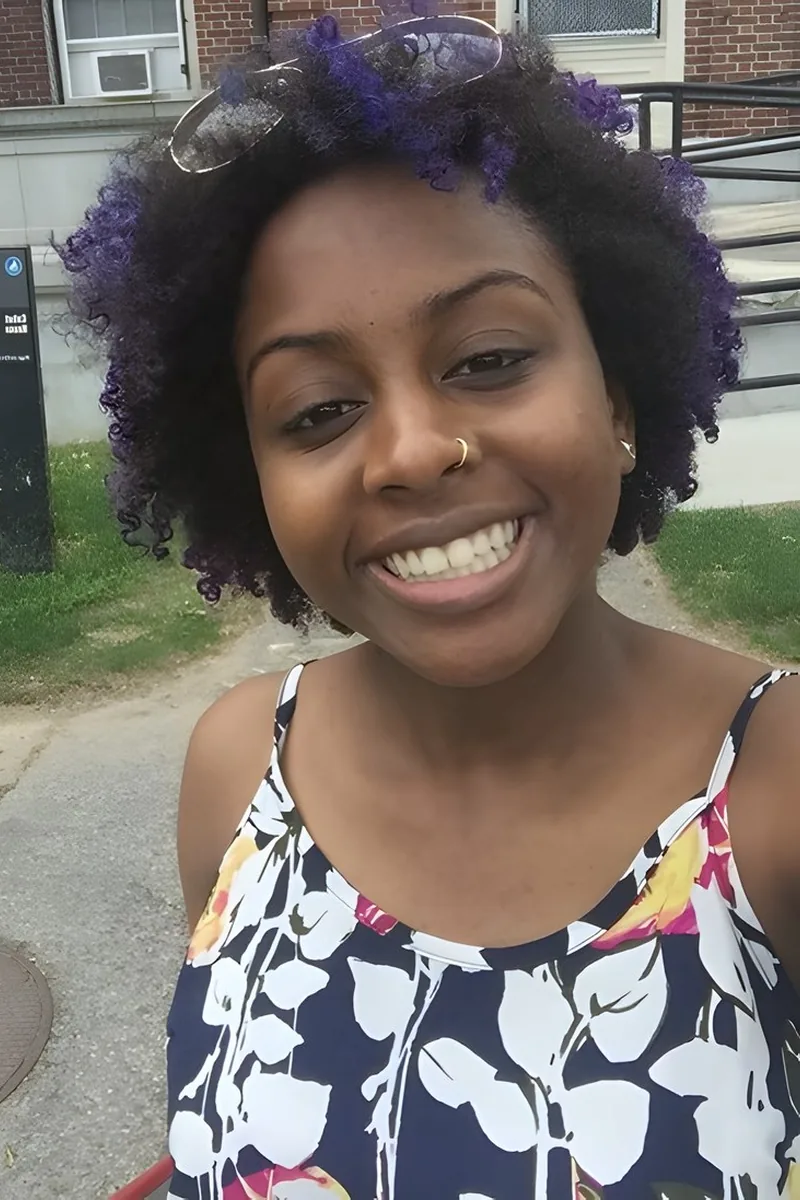
Most writing struggles aren't about talent; they're about not having a reliable process for getting from a blank page to a finished draft. Gabriela — a humanities concentrator at Harvard who reads and writes constantly — teaches students how to outline an argument, build paragraphs around evidence, and revise with purpose rather than just rearranging sentences.
Crafting a clear argument is harder than it looks — knowing what to cut matters as much as knowing what to say. Dan's master's work in comparative literature required constant writing across genres and traditions, giving him a sharp eye for thesis development, paragraph structure, and revision strategy. Rated 5.0 by students, he treats every draft as a conversation about what the writer actually wants to communicate.
Strong writing is really strong thinking on paper, and Abigail's background drafting policy briefs for a State Senator and international organizations means she knows how to build an argument that holds up under scrutiny. She digs into thesis construction, evidence integration, and paragraph-level cohesion — the structural skills that elevate writing across any discipline.
Ivan teaches writing the way he practices it — as a craft built on revision, not inspiration. Whether a student is structuring a five-paragraph essay or developing a longer analytical piece, he zeroes in on thesis clarity, paragraph-level organization, and the specific evidence choices that turn a vague argument into a convincing one. His own love of writing and reading keeps his feedback grounded in what good prose actually sounds like.
Strong writing starts with having something specific to say and then organizing it so a reader can follow. Victoria's background spans scientific writing, humanities essays, and personal narratives — a range that lets her adapt to whatever a student is working on, whether it's structuring a research paper's argument or finding a more compelling opening for a creative piece.
Strong writing starts with a clear argument, not a fancy vocabulary. Laura teaches students how to build a thesis, organize supporting paragraphs around distinct claims, and use transitions that actually move an argument forward. Her dual background in science and humanities means she's comfortable coaching everything from lab reports to personal narratives.
Most students know what they want to say but struggle to organize it on the page. Zarrin tackles that gap by teaching concrete techniques — outlining with a thesis-first approach, building body paragraphs around evidence, and writing introductions that actually set up an argument instead of restating the prompt. Her neuroscience and philosophy double focus at Mount Holyoke means she's equally comfortable coaching scientific writing and persuasive essays.
Before a student can write well, they need to understand that writing is rewriting — and that a messy first draft is the goal, not the problem. Joshua uses a process-based approach rooted in his Fordham English training: brainstorming, outlining, drafting, then tightening thesis statements and transitions until the argument holds together. He's rated 5.0 by students who've seen their writing sharpen through that discipline.
Spending a year abroad studying ancient languages and performing in musical theater gave Nathaniel two complementary instincts as a writer: analytical precision and a feel for voice. He teaches students to develop both — crafting clear, well-organized arguments while also finding a tone that sounds like them rather than a textbook. Whether the assignment is a persuasive essay or a personal narrative, he digs into thesis construction, paragraph architecture, and word choice.
Clear writing is clear thinking, and Gregory approaches drafting as a process of sharpening ideas rather than decorating sentences. His training across economics, political science, and international relations means he can coach writers in everything from crafting a compelling opening hook to integrating evidence smoothly into an analytical paragraph.
Clear thesis statements, logical paragraph structure, smooth transitions — these are the mechanics Cole zeros in on when teaching writing. As a finance major at Fordham who also takes writing-intensive humanities courses, he understands how to adapt tone and structure for different audiences, whether the assignment is a research paper or a persuasive op-ed.
I'm an incoming sophomore in Electrical and Computer Engineering at Carnegie Mellon University. I've been tutoring since my junior year in high school and self-tutored for the SAT/ACT, so I can help you get the score you want.
I am from Phoenix, Arizona but currently live in New York as a student at Fordham University. I am a Philosophy major with a passion for learning and creativity. I have experience tutoring in pre-algebra, Latin, and SAT prep. I have taken the SAT three times, the PSAT three times, and three SAT subject tests. I am extremely familiar with the layout of the SAT and how to coach students in studying and test-taking techniques. I believe in setting a strong foundation of knowledge for students to build off of in every subject they approach. I look forward to helping students become the best they can be through engaging lessons made specifically for each individual.
I am a junior at Allegheny College who is majoring in Economics and triple-minoring in Mathematics, Psychology, and Dance and Movement Studies. Growing up, I was always one of the students who helped my classmates when they didn't understand certain problems.
Testimonials
Because the right Writing tutor makes all the difference.
Average Session Rating – Based on 3.4M Learner Ratings
Other Bronx Tutors
Related English Tutors in Bronx
Frequently Asked Questions
Writing tutors provide detailed, one-on-one feedback on your essays that goes beyond what's possible in a classroom with a 11.8:1 student-teacher ratio. They work with you on thesis development, argument structure, and revision strategies tailored to your specific writing challenges—whether that's organization, clarity, or voice. This personalized approach helps you understand not just what to fix, but why, so you can apply those lessons to future writing assignments.
Many students struggle with organizing their ideas into a coherent essay structure, developing a strong thesis statement, or moving beyond surface-level arguments. Others face writer's block, difficulty with grammar and mechanics, or confusion about citation formats like MLA and APA. A writing tutor can identify which challenges are holding you back and create a focused plan to address them, whether you're working on essays, creative writing, or academic papers.
Yes—expert tutors work with you through every stage of writing, from brainstorming and outlining to drafting and revision. They help you develop strong ideas, organize your thoughts logically, and refine your arguments before you even finish a first draft. This process-focused approach is especially valuable because it teaches you strategies you can use independently on future assignments, rather than just fixing errors after the fact.
Writing and reading are deeply connected—strong literary analysis requires understanding a text deeply and then articulating that understanding clearly. Tutors help you develop critical reading skills, identify themes and literary devices, and translate your analysis into well-structured essays with strong textual evidence. This is especially helpful if you're preparing for AP Literature, Regents exams, or advanced English courses.
Grammar is the mechanics—correct punctuation, sentence structure, and word choice. Voice is your unique perspective and style as a writer. While both matter, many students focus too much on grammar and not enough on developing a clear, confident voice. Writing tutors help you master grammar fundamentals while also encouraging you to develop your own style, so your writing is both correct and compelling.
Your first session is about understanding your goals and challenges. Bring a recent essay or writing sample if you have one—this helps the tutor see your current strengths and areas for growth. You'll discuss what you're working on (essays, creative writing, test prep), what's most frustrating, and what you want to improve. From there, the tutor will create a personalized plan that might focus on organization, argumentation, grammar, or whatever will have the biggest impact on your writing.
Absolutely. Citation formats can feel confusing and tedious, but they're essential for academic integrity and clarity. Tutors break down the differences between MLA, APA, and other formats, show you how to properly cite sources, and help you integrate quotations smoothly into your writing. Once you understand the logic behind citations, they become much easier to apply consistently across your essays.
Yes. Whether you're preparing for the SAT Essay, ACT Writing, AP Exams, or New York State Regents exams, tutors understand the specific demands of each test's writing section. They teach you how to manage time constraints, structure arguments quickly, and meet the rubric criteria that graders use. Personalized practice with feedback on actual test-style prompts is one of the most effective ways to improve your test writing score.
Let’s find your perfect tutor
Answer a few quick questions. We’ll recommend the right plan and match you with a top 5% tutor.