Award-Winning AP English Language and Composition Tutors
serving Bronx, NY
AP English Language and Composition
Tutors in Bronx
Private 1-on-1 tutoring, weekly live classes for academic support, test prep & enrichment, practice tests and diagnostics, and more to elevate grades and test scores.
Based on 3.4M Learner Ratings
UniversitiesSchools & Universities
DeliveredHours Delivered
ProficiencyGrowth in Proficiency
Who needs tutoring?
No obligation. Takes ~1 minute.

AP Lang is essentially an argument course, and Ava's philosophy major at Fordham means she spends her days dissecting rhetorical strategies, evaluating evidence, and constructing airtight claims. She breaks down the synthesis, rhetorical analysis, and argument essays into repeatable frameworks that translate directly to exam scoring criteria.
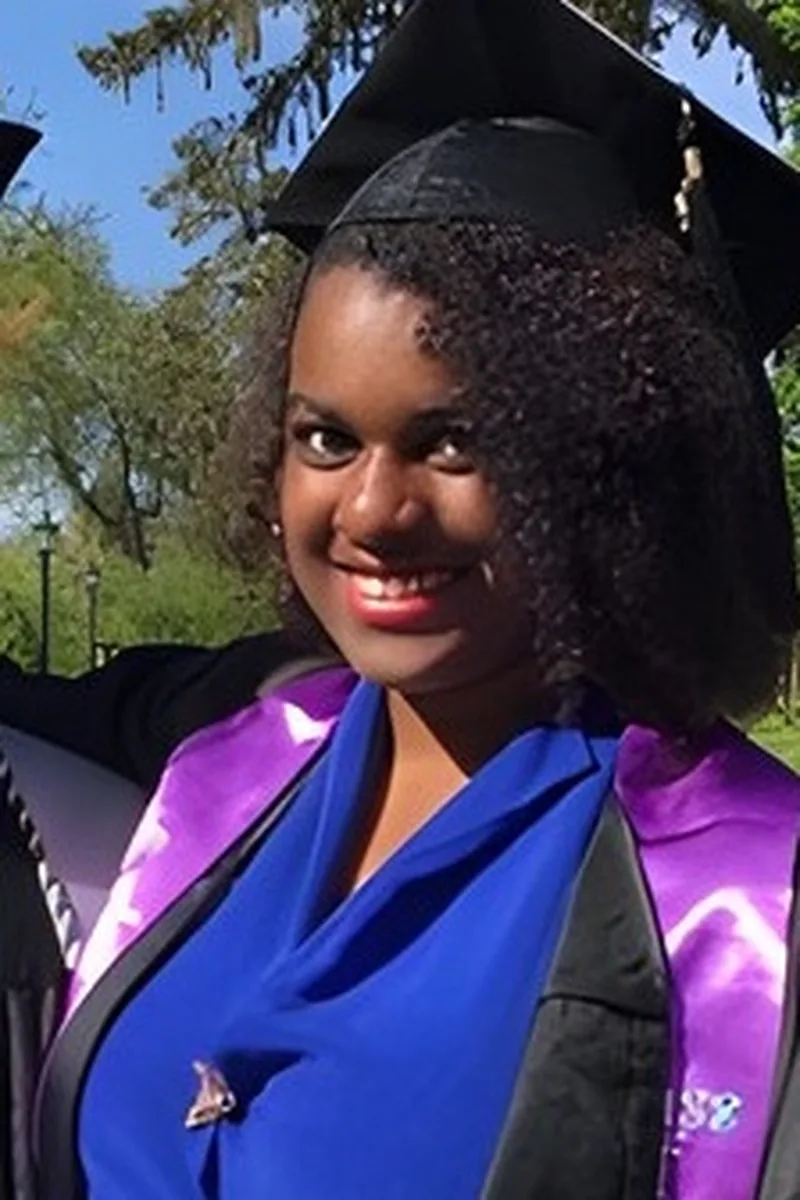
Rhetorical analysis is the backbone of AP Lang, and Vicquaja teaches students to dissect how authors use appeals, syntax, and structural choices to build arguments. Her economics training sharpens this work — she's practiced at identifying how data, framing, and logical structure persuade an audience, skills that map directly onto the synthesis and argument essays.
Trained in NYU's Accelerated MAT program for Secondary English, Jennifer knows the AP Lang exam inside and out — from rhetorical analysis essays to the synthesis prompt's demand for integrating multiple sources into a cohesive argument. She teaches students to identify an author's strategic choices (diction, structure, appeals) and articulate their effects with precision, which is exactly what earns high marks on the rhetorical analysis free response.
Rhetoric is really applied philosophy: every AP Lang prompt asks students to dissect how an author persuades, and then do it themselves. Julie studies philosophy at Princeton, where she spends her days analyzing argument structure, identifying logical appeals, and writing precisely — the same toolkit that earns high scores on synthesis and rhetorical analysis essays.
AP Lang is fundamentally an argumentation course, and Richard's Government major at Harvard means he spends most of his academic life analyzing rhetorical strategies in political speeches, policy briefs, and persuasive essays. He teaches students to dissect how authors deploy ethos, logos, and pathos — then apply that same awareness to their own synthesis and argument essays. That analytical muscle is exactly what earns 7s, 8s, and 9s on the free-response section.
AP English Language is really a course in rhetoric — understanding how writers use structure, diction, and evidence to persuade specific audiences. Michelle's MA in American Studies at Columbia centered on exactly this: analyzing speeches, essays, and cultural texts for their argumentative strategies. She teaches students to write synthesis and rhetorical analysis essays that go beyond summary and actually engage with how a source works.
Rhetorical analysis is the backbone of AP Lang, and David approaches it by teaching students to name exactly what an author is doing — whether that's deploying an anecdote for pathos or structuring a concession-and-rebuttal to disarm opposition. He also digs into the synthesis and argument essays, where students need to marshal sources quickly and write with a clear, deliberate voice.
Years of writing, directing, and performing theater in New York City taught Harry how to construct an argument that lands with a live audience — a skill that translates directly to AP Lang's argument and synthesis essays, where every structural choice needs to serve a persuasive purpose. His Northwestern communications training sharpens his approach to nonfiction prose analysis, particularly when it comes to unpacking how authors calibrate tone and audience awareness to make a case.
The AP Lang exam is fundamentally about rhetoric — understanding how writers persuade and then doing it yourself. Sarah's training in expository and persuasive writing, sharpened across three degrees and work as a college writing tutor, translates directly into teaching students to analyze rhetorical strategies in the multiple-choice section and craft tight, evidence-rich synthesis and argument essays.
Rhetorical analysis is the backbone of AP Lang, and Priscilla approaches it by teaching students to dissect how authors use structure, diction, and appeals to build an argument. Currently studying government at Harvard, she regularly breaks down political speeches and persuasive texts — exactly the kind of source material that shows up on the exam.
A published novelist with a Penn M.S. in Education and a B.A. in English from the University of Washington, Christian has spent years inside the mechanics of persuasive prose — not just reading it, but constructing it from scratch. That dual perspective sharpens his AP Lang teaching, especially when it comes to the argument essay, where he coaches students to treat their own writing the way an author revises a manuscript: tightening claims, cutting weak evidence, and making every sentence earn its place.
AP Lang is fundamentally about argument — identifying how writers use rhetorical strategies and then deploying those same strategies in timed essays. Luke's English degree and graduate-level training in textual analysis mean he can break down how ethos, logos, and pathos function in real passages, from political speeches to scientific editorials. He also walks students through the synthesis, rhetorical analysis, and argument essays with clear structural frameworks that hold up under exam pressure.
The AP Lang exam lives at the intersection of rhetoric and writing — two things Maddy has been immersed in since college, where she studied American literature and wrote an honors thesis analyzing cultural criticism. She digs into how authors use tone, diction, and structural choices to persuade, then teaches students to replicate those moves in their own synthesis and argument essays.
Denay's public policy training at the University of Chicago — where every seminar meant tearing apart policy arguments and rebuilding them with sharper evidence — maps directly onto what AP Lang essays require: identifying how authors construct claims, deploy data, and anticipate opposition. She teaches the synthesis essay as a policy brief in miniature, showing students how to integrate multiple sources into a single coherent argument rather than summarizing each one in sequence. Rated 5.0 by students.
Rhetorical analysis is where AP Lang lives or dies, and Elijah treats it like a performance — teaching students to hear the moves a writer makes with syntax, diction, and structure before they ever start writing about them. His English degree and MFA in Acting trained him to dissect how language persuades an audience, which translates directly to nailing the synthesis and argument essays under timed conditions.
The rhetorical analysis essay trips up even strong writers because it demands a vocabulary most students haven't practiced — logos, kairos, syntactic choices, shifts in tone. Sophia breaks down how to read a nonfiction passage as a series of deliberate authorial moves, then construct a thesis that does more than list devices. Her experience as both a writer and editor means she can quickly pinpoint where an argument loses its thread.
I am an Advanced Placement Scholar, a National Merit Semi-finalist, and a member of the National Society of Collegiate Scholars honor society among academic recognition I have earned. I was accepted to multiple "T-14" (top fourteen) law schools, including Georgetown Law, which, among other schools, offered me an academic scholarship based on my personal, academic, and professional achievements. Among my tutoring specialties is the SAT on which I scored in the 99th percentile, including perfect scores on the verbal section. I have helped many others increase their SAT performance significantly within a short amount of time by thoroughly breaking down the exam material. I enjoy working with others to help them achieve their maximum performance.
AP Lang is really a course in argument — identifying how writers use evidence, tone, and structure to persuade, then doing it yourself in timed essays. Varun's Government degree gave him deep practice dissecting rhetorical strategies in political speeches and policy briefs, which maps directly onto the synthesis, rhetorical analysis, and argument essays this exam demands.
The AP Lang exam is really an exercise in argument — students need to dissect how authors use rhetoric and then construct persuasive arguments of their own under tight time constraints. Kimberly's public health training at Columbia requires exactly this kind of evidence-based reasoning, and she applies that same rigor to teaching synthesis, rhetorical analysis, and argumentative essays. She's particularly good at showing students how to structure a thesis that does real analytical work instead of just restating the prompt.
Rhetorical analysis is second nature to someone trained in sociocultural anthropology, where every text is an argument shaped by audience, purpose, and power. Victoria teaches students to identify how authors deploy ethos, logos, and pathos — and then to construct their own synthesis and argument essays with the same deliberate precision. Her Columbia teaching experience means she knows exactly what earns top scores on AP Lang prompts.
AP English Language is ultimately about argument: how writers construct them, how rhetoric shapes an audience, and how students can build their own in timed essays. Alexa's linguistics training at NYU gives her a technical vocabulary for explaining why certain rhetorical moves work — from strategic repetition to shifts in register — that goes deeper than "ethos, pathos, logos." She's also a professional editor, so her feedback on synthesis and argument essays is concrete and actionable.
Earning a 5 on the AP English Language and Composition exam while studying neurobiology at Cornell, Alana knows how to dissect an author's rhetorical choices — from appeals to audience to strategic use of concession — under timed conditions. She teaches students to build synthesis and argument essays around a clear line of reasoning rather than vague summary, drilling the kind of evidence integration that earns top scores.
The AP Lang exam is really about argument: how writers build it, how readers detect it, and how students craft their own. James teaches rhetorical analysis by zeroing in on specific techniques — appeals, concessions, shifts in tone — so students can dissect a passage and write a persuasive synthesis essay with real precision.
AP Lang is fundamentally about argument — identifying how authors use rhetorical strategies and then deploying those same tools in original compositions. Hillel's experience publishing scientific research sharpened his ability to dissect how evidence, tone, and structure work together in a text. He applies that same analytical lens to rhetorical analysis essays and argument prompts, breaking down exactly what earns high marks on the AP rubric.
AP Lang lives and dies on rhetorical analysis — understanding not just what an author says but how and why they say it. Yair's PhD in General Literature means he's spent years dissecting argumentative strategies, from Aristotelian appeals to the subtleties of syntax and diction choices. He teaches students to write essays that don't just identify rhetorical devices but explain their effect on an audience.
AP Lang is ultimately about dissecting how writers build arguments — identifying rhetorical strategies like appeals to ethos, strategic concessions, and shifts in tone that most students read right past. Deana tackles the synthesis and rhetorical analysis essays by teaching students to annotate for purpose rather than content, which sharpens both the multiple-choice and free-response sections simultaneously.
AP Lang is fundamentally an argument course — every multiple-choice question and every essay prompt asks students to analyze how rhetoric works. Ella pairs her Penn communications background with genuine enthusiasm for dissecting how writers use tone, evidence, and structure to persuade. She walks students through real AP prompts, teaching them to identify rhetorical strategies quickly and deploy them in their own synthesis and argument essays.
Rhetorical analysis is the backbone of AP Lang, and it trips students up because they confuse summarizing what an author says with explaining how and why the author says it. Dustin's MFA training in fiction writing sharpened his ear for rhetorical moves — audience appeals, strategic concessions, shifts in diction — and he brings that craft-level awareness to essay coaching. He also walks students through the synthesis and argument prompts with an emphasis on marshaling evidence efficiently under timed conditions.
AP English Language is ultimately about rhetoric — dissecting how writers persuade and then doing it yourself under timed pressure. Aaron writes and edits arguments daily for Columbia's Daily Spectator, which means he can walk a student through a synthesis essay or rhetorical analysis with the practical eye of someone who constructs and revises real arguments for a living.
AP English Language is really a course in persuasion — how writers build arguments through evidence, tone, and rhetorical strategy. Emily spent a year on a Fulbright in Sicily teaching English language and culture to high schoolers, which sharpened her ability to explain how syntax and word choice create specific effects on an audience. She digs into the synthesis and rhetorical analysis essays with students, showing them how to move from observation to a defensible claim.
Rhetoric is the engine of AP Lang, and Olivia unpacks it by teaching students to name exactly what a writer is doing — whether it's a concession-and-rebuttal structure, an appeal to shared values, or strategic use of anecdote — and explain why it works on a specific audience. Her background in film and writing at NYU sharpens her eye for how creators of all kinds construct persuasive arguments.
The AP Lang exam is really a test of rhetorical awareness — can a student identify how an author uses diction, syntax, and appeals to build an argument? Johnna's English degree from Penn State's Schreyer Honors College and her current MA work give her deep fluency in exactly this kind of analysis. She teaches students to dissect synthesis prompts and argument essays by anchoring every paragraph in specific textual evidence.
Producing and writing for Afropop Worldwide means Jesse spends his days doing exactly what AP Lang rewards — analyzing how nonfiction authors structure arguments, deploy evidence, and calibrate tone for a specific audience. His College of Letters degree at Wesleyan wove together history, English, and philosophy, training him to read a text simultaneously for its logical structure, its rhetorical moves, and its cultural context. That cross-disciplinary instinct is especially useful on the synthesis essay, where pulling together multiple sources into a coherent argument demands more than just summarizing each one.
Succeeding on the AP Lang exam means dissecting how real authors use rhetorical strategies — ethos, logos, pathos, tone, and structure — to persuade specific audiences. Marisa's coursework in composition and teaching methods at Stony Brook gave her a framework for teaching argument analysis and synthesis essay writing that aligns directly with the exam's demands.
The AP Lang synthesis and argument essays reward students who can do more than summarize — they need to dissect how rhetoric actually works, from an author's strategic use of concession to the way anecdotal evidence builds ethos. Frank unpacks real rhetorical analyses with students, showing them how to identify techniques like juxtaposition, shifts in register, and appeals to shared values, then turn those observations into pointed, well-structured essays. His 1500 SAT reflects the same verbal precision he brings to this material.
AP Lang is essentially a course in how arguments work — rhetorical strategies, audience awareness, evidence deployment — and Adam spent four years at Binghamton analyzing exactly those things across historical texts and primary sources. He digs into the synthesis and argument essays with students, teaching them to move beyond summary and build claims that earn the higher rubric scores.
AP Lang is ultimately about argument — how writers build it, how readers detect it, and how students can do both on demand in May. Lauren's PhD work at UT Austin keeps her immersed in rhetorical analysis daily, and her background coaching writers at a high-end tutoring firm in New York City gave her a sharp eye for the synthesis and argument essays that make or break AP scores. Rated 5.0 by students.
AP Lang is really a course in rhetoric — understanding how writers use ethos, logos, and pathos to persuade, and then doing it yourself in synthesis and argument essays. Brendon's path into Columbia started with writing (he was admitted as a pre-law student), and he unpacks rhetorical strategies by connecting them to real persuasive contexts students already recognize. That makes the analysis essay feel less like guesswork and more like a repeatable skill.
Before teaching high school English in NYC, Corinna studied Written Arts and Human Rights — a combination that trained her to read nonfiction as both craft and argument, noticing how writers deploy ethical appeals and structural choices to move real audiences toward action. That background maps directly onto AP Lang's timed essays, where she teaches students to pinpoint an author's strategic moves and articulate their effect in tight, evidence-driven paragraphs. Her 1540 SAT underscores the reading precision she brings to passage analysis.
The AP Lang exam tests whether students can dissect how rhetoric actually works — identifying an author's use of ethos, concession, or strategic repetition and explaining why it's effective. Meghna approaches argument analysis like a scientist: breaking claims into their component parts, evaluating evidence, and teaching students to construct synthesis essays with airtight logical structure.
Testimonials
Because the right AP English Language and Composition tutor makes all the difference.
Average Session Rating – Based on 3.4M Learner Ratings
Practice AP English Language and Composition
Free practice tests, flashcards, and AI tutoring for AP English Language and Composition
Nearby AP English Language and Composition Tutors
Other Bronx Tutors
Related English Tutors in Bronx
Frequently Asked Questions
AP English Language and Composition is a college-level course that focuses on rhetoric, argumentation, and persuasive writing. The exam tests your ability to analyze how writers use language to influence audiences, write effective arguments, and understand rhetorical strategies across different texts. It's a popular choice for students in Bronx schools looking to earn college credit and strengthen their writing skills.
The exam has two main sections: a 1-hour multiple-choice section with about 52 questions on reading passages, and a 2-hour 15-minute free-response section with three essays (rhetorical analysis, argument, and synthesis). Success requires understanding rhetorical devices, analyzing author's purpose and audience, and crafting well-supported arguments under time pressure.
Score improvement depends on your starting point and consistency with practice. Students who work with tutors on targeted strategies—like identifying rhetorical devices quickly, managing essay timing, and strengthening thesis statements—typically see meaningful gains. Many students improve by 1-2 score points with focused preparation, especially when they practice with real AP prompts and get personalized feedback on their writing.
The most common struggles are managing time during the free-response section (especially fitting three essays into 2 hours 15 minutes), quickly identifying rhetorical strategies in unfamiliar passages, and writing arguments that are analytical rather than just persuasive. Many students also struggle with the synthesis essay, which requires integrating multiple sources while maintaining their own argument.
Varsity Tutors connects you with expert tutors who can break down rhetorical analysis, teach you efficient strategies for the multiple-choice section, and provide detailed feedback on your essays before test day. Tutors work with you on pacing techniques, help you recognize patterns in question types, and build your confidence through practice with released AP exams and sample prompts.
Most students benefit from 3-4 months of consistent preparation, though this varies based on your starting level and familiarity with rhetorical analysis. If you're taking the course, tutoring during the spring semester leading up to the May exam works well. Even 6-8 weeks of focused work with a tutor on weak areas can help you refine your strategies and boost your score.
In your first session, a tutor will assess your current skills—typically by reviewing a practice essay or discussing your strengths and weaknesses with rhetorical analysis and timed writing. They'll identify which sections (multiple-choice, rhetorical analysis essay, argument essay, or synthesis essay) need the most work, then create a personalized study plan tailored to your goals and timeline.
Practice tests are essential for AP English Language and Composition because they help you get comfortable with the exam format, identify your weak areas, and practice time management under real conditions. Taking full-length practice exams every 2-3 weeks during your prep period, then reviewing your mistakes with a tutor, is one of the most effective ways to improve your score and reduce test anxiety.
Let’s find your perfect tutor
Answer a few quick questions. We’ll recommend the right plan and match you with a top 5% tutor.