Award-Winning Writing Tutors
serving Yonkers, NY
Writing
Tutors in Yonkers
Private 1-on-1 tutoring, weekly live classes for academic support, test prep & enrichment, practice tests and diagnostics, and more to elevate grades and test scores.
Based on 3.4M Learner Ratings
UniversitiesSchools & Universities
DeliveredHours Delivered
ProficiencyGrowth in Proficiency
Who needs tutoring?
No obligation. Takes ~1 minute.

Clear writing starts with clear thinking, and Frank's career producing Wall Street research reports drilled that connection deep. He teaches students to outline an argument before drafting, choose precise language over filler, and revise with a reader's eye — skills that transfer from a five-paragraph essay to a college thesis.
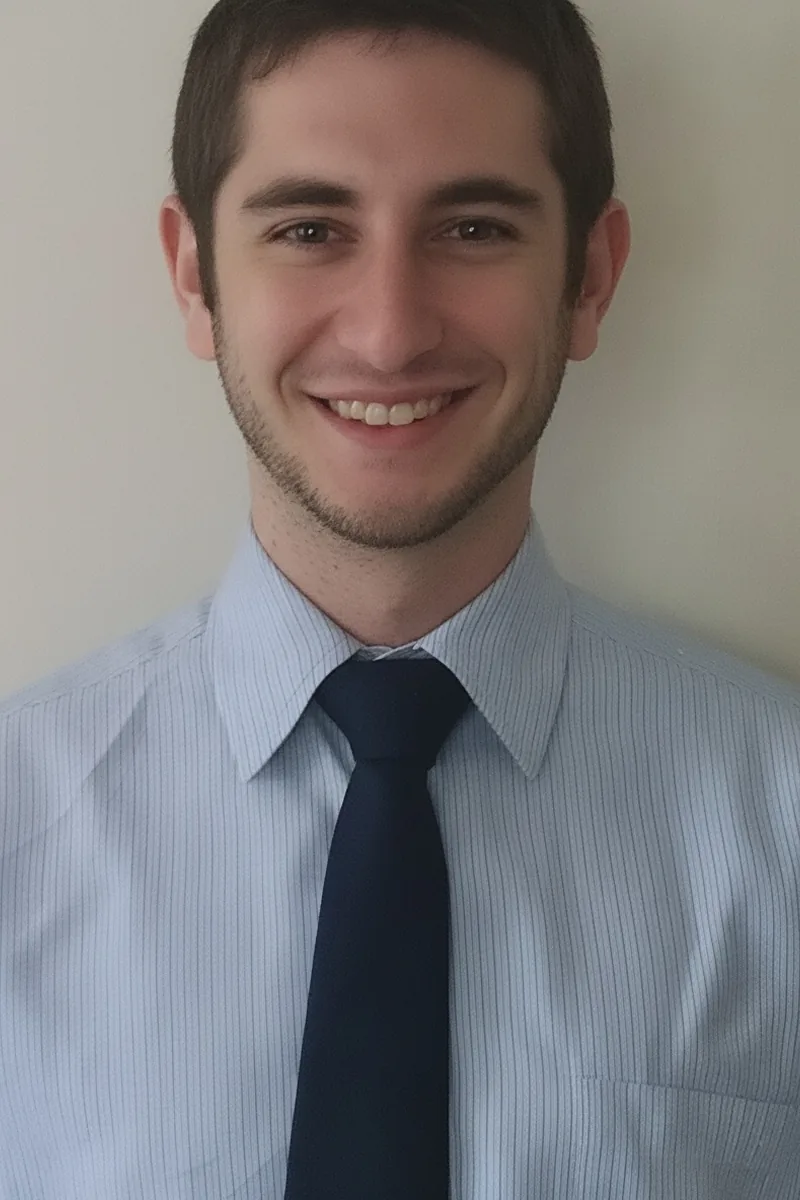
Benjamin treats writing as a craft with learnable mechanics: how a thesis controls an argument, how paragraph transitions create momentum, how sentence variety keeps a reader engaged. His experience teaching university courses at Illinois means he's seen hundreds of student drafts and knows exactly where the common breakdowns happen — vague claims, unsupported assertions, introductions that never arrive at a point.
Strong writing starts with knowing what you're actually trying to say, which is harder than it sounds. Sam breaks the drafting process into manageable stages — claim, evidence, analysis — so students stop staring at a blank page and start building arguments piece by piece. His economics and history coursework at Vanderbilt demanded clear, evidence-driven prose, and that discipline carries into how he teaches writing now.
Getting ideas onto the page is only half the battle; organizing them into a clear, persuasive piece is where most students stall. Stella walks through outlining, thesis construction, and paragraph-level logic so that writing becomes a repeatable process rather than a mysterious talent. Quick end-of-session quizzes on key concepts — like claim vs. evidence or when to use a counterargument — reinforce the skills between drafts.
Eight months writing in Madrid — journals, academic papers, personal essays — taught Maureen that strong writing starts with having something specific to say, not with a five-paragraph formula. She coaches students through the messy process of drafting and revising, paying particular attention to voice, clarity, and how to structure an argument that holds together from start to finish.
Joseph treats writing as a craft with learnable techniques, not a mysterious talent. Pursuing a BFA in Creative Writing, he breaks down the mechanics of clear prose — topic sentence placement, paragraph cohesion, varying syntax to control pacing — so students can diagnose and fix their own drafts. That skill transfers whether someone is writing a personal narrative or a research paper.
I am a knowledgeable, passionate, and compassionate tutor. My teaching experience ranges from high school instruction, private tutoring, coaching, preaching, and leading high school youth groups. I have tutored and/or taught in algebra 1, geometry, American literature, world literature, middle school math, middle school science, middle school English/reading, American history, world history, essay composition, SAT prep, SSAT/ISEE prep, SHSAT prep, and GRE prep. I always try to discern what the individual needs and learning styles of my students are and then try to meet them where they are. I believe that there is a great student inside everyone, and it takes the right approach to make that great student manifest.
I am a Finance major at Mercy College in New York, having transferred this Fall from Vanderbilt University in Nashville. My goal to simply help my students achieve the results they desire and to help them set up the habits which will let them reproduce these results in the future.
Strong writing starts with having something specific to say — and Mimi's inquiry-based approach means she spends real time on the thinking stage before a student ever drafts. From thesis development to paragraph architecture to revision strategy, she walks through each phase of the writing process so students internalize it for the next assignment, not just the current one.
The gap between having an idea and expressing it clearly on the page is where most students get stuck. Reid tackles that gap by teaching concrete techniques — thesis construction, paragraph transitions, evidence integration — rather than vague advice like "be more specific." His sociology and education background means he's equally comfortable coaching a persuasive essay or a research paper.
Getting words on the page is one problem; organizing them into a clear, purposeful piece is another. Liz breaks the writing process into concrete stages — claim development, outlining with topic sentences, drafting body paragraphs around evidence — so students stop staring at a blank screen and start building arguments. Her experience teaching and directing tutors at a Boston charter school means she's refined these methods across hundreds of student writers at different skill levels.
Every writing problem is really a thinking problem — a muddled thesis usually means the idea isn't clear yet. Solange walks students through the full arc from brainstorming to polished draft, teaching them to outline arguments, vary sentence structure, and revise with purpose. Her sociology training at Harvard made her especially sharp at building evidence-based written arguments.
Turning a vague idea into a structured, compelling piece of writing is a skill most students never get explicitly taught — they're just told to "write a five-paragraph essay" and figure it out. Sabira breaks the process into concrete steps: narrowing a topic, building an outline with real claims, drafting body paragraphs around evidence, and revising for clarity. Her 5.0 rating speaks to how well that structured approach works.
Sherry's dual background in linguistics and psychology — both from the University of Chicago — gives her an unusual lens on writing: she understands how sentences work structurally and how readers process them cognitively. She teaches students to sharpen thesis statements, tighten paragraph transitions, and revise with purpose, whether they're drafting a personal essay or an academic research paper. Rated 5.0 by students.
A philosophy major at Princeton spends most of her time writing: constructing arguments, anticipating counterpoints, and making every sentence earn its place. Julie applies that training to teach students how to build clear thesis statements, organize evidence logically, and develop a voice that carries authority without sounding stiff.
Jennifer teaches writing as a process of thinking — outlining an argument before drafting, interrogating each paragraph's purpose during revision, and tightening language in the final pass. Currently completing her MAT in Secondary English at NYU, she brings classroom-tested strategies for everything from thesis construction to integrating evidence without letting quotes do all the work.
Strong writing is really rewriting — and Meghan learned that through two journalism degrees at Northwestern and daily practice at a New York magazine. She teaches students to draft with a clear argument, revise for structure and evidence, and edit for voice, moving a piece from rough idea to polished final draft without losing what made it theirs.
Joyce Carol Oates selected Sash as one of two advisees at Princeton, where he wrote his first novel under her mentorship — an experience that drilled home how revision, not inspiration, is what turns rough drafts into finished work. His ongoing career as a playwright and theater director keeps him immersed in the craft of shaping language for specific audiences and purposes. He teaches students to treat each draft as raw material, breaking it down structurally before refining voice, argument, and clarity.
Zosia treats writing as a thinking tool: if the logic is muddled, the sentences will be too, no matter how polished the grammar. She walks students through outlining arguments, tightening paragraph structure, and revising for precision — skills she sharpened writing research papers across the sciences and humanities at Yale.
Getting ideas out of your head and onto the page in a coherent, compelling way is a learnable craft, not an innate talent. Maya treats writing as a process — brainstorming, outlining, drafting, revising — and teaches specific techniques for each stage, from building a thesis that actually argues something to cutting filler that weakens a paragraph. She's a working writer herself, which keeps her feedback practical and current.
Strong writing starts with a clear claim and evidence that actually supports it — skills Richard hones daily as a Government concentrator at Harvard. He breaks down the writing process into manageable steps, from outlining an argument to refining sentence-level style, so students learn to produce polished drafts independently rather than relying on vague inspiration.
Clear writing starts with clear thinking, and Garrett treats every writing session as an exercise in organizing ideas before polishing prose. Whether a student is drafting a persuasive essay or a research paper, he teaches them to build an argument with a specific claim, logical evidence, and deliberate transitions — skills that transfer to every class. His own love of writing and reading keeps his feedback grounded in what actually makes sentences compelling.
Every writing assignment is really an exercise in thinking clearly, and Vivian approaches it that way — she starts by untangling what a student actually wants to say before tackling how to say it. From constructing a thesis and organizing supporting paragraphs to refining tone and word choice, she builds each session around the specific piece a student is working on. Her background spans persuasive essays, creative writing, and research papers.
Learning to write well means learning to revise — to see your own sentences critically and understand why one version of a paragraph is clearer than another. Ayako tackles everything from thesis construction and paragraph transitions to tone and word choice, drawing on her English coursework at Trinity College Dublin. She's 5.0-rated and treats each student's voice as something to sharpen, not replace.
As a published author, MaryAnn knows that strong writing starts with a clear argument and a willingness to revise — not with a perfect first draft. She teaches the mechanics of thesis development, paragraph transitions, and evidence integration, whether the assignment is a five-paragraph essay or a research paper.
Most students learn the five-paragraph essay and then struggle when college-level writing demands something more flexible. Noah teaches writing as argument construction: how to build a claim that's worth defending, organize evidence so it does real work, and revise with purpose. His philosophy background means every session emphasizes clarity of thought before polish of prose.
At Columbia's Narrative Medicine program, Camille studies how writing shapes understanding — how the act of putting ideas into words clarifies thinking itself. That perspective makes her especially effective at teaching the messy early stages: brainstorming, outlining, and getting a rough draft down before the inner critic takes over. She also constructed curriculum for a middle school writing program, so she adapts her approach to wherever a student is in their development.
Strong writing starts with having something specific to say, and Emma's first move is usually getting students to articulate their argument out loud before they ever open a laptop. From there she teaches concrete structural techniques — topic sentences that do real work, evidence integration that doesn't just drop in quotes, and conclusions that push an idea forward instead of restating the introduction. She holds a 5.0 rating across her tutoring subjects.
Evan treats writing as a craft with learnable moves: controlling paragraph rhythm, choosing active over passive voice for emphasis, building an argument that anticipates counterpoints. His Northwestern research experience — writing a full independent paper and then teaching the material to peers — taught him how to break the writing process into concrete, repeatable steps. He's especially effective at getting students past the blank-page paralysis of early drafts.
Getting ideas onto the page is one challenge; organizing them into a compelling argument is another entirely. Michelle breaks the writing process into concrete, repeatable steps — from brainstorming and outlining to crafting topic sentences that actually drive paragraphs forward. Her triple-major arts background means she's tackled research papers, personal essays, and analytical writing across multiple disciplines.
Clear writing starts with clear thinking, and Vansh tackles both at once. He walks students through the process of building an argument from a working thesis outward, teaching them how to structure body paragraphs around specific evidence rather than vague claims. His finance background adds a practical edge — he values precision and economy in every sentence.
Most writing struggles aren't about grammar — they're about not knowing what you're trying to say until the third paragraph. Moon teaches students to identify their core argument early, build each section around a single clear point, and revise with purpose. His philosophy background means he's particularly effective at turning muddled thinking into sharp prose.
Strong writing starts with having something specific to say and then organizing it so a reader can follow without effort. Rachel's history and political science training at the college level was essentially an education in argumentative writing — constructing thesis-driven essays backed by evidence and structured around clear transitions. She tackles everything from five-paragraph essays to research papers, teaching students to outline before they draft and revise with purpose.
Clear writing starts with clear thinking, which is something Ian's Yale physics training reinforced in every lab report and research paper. He teaches students to outline arguments before drafting, vary sentence structure deliberately, and revise with purpose — skills that transfer from a five-paragraph essay to a research paper. His emphasis on logical flow makes even reluctant writers more confident in organizing their ideas.
Good writing isn't about following a formula — it's about learning to think on the page and then revise until the thinking is clear. Michelle's Columbia MA in American Studies required constant analytical writing across disciplines, and she breaks down the drafting process into manageable stages: brainstorming, outlining, drafting for ideas first, then polishing for style and mechanics.
Medical school applications, anthropological research papers, and interdisciplinary essays at Stanford forced Mica to become the kind of writer who can shift register on demand — clinical precision in one draft, narrative persuasion in the next. That versatility is exactly what she brings to writing sessions, whether a student is wrestling with a five-paragraph essay or trying to find their voice in a personal piece. Rated 5.0 by students.
Christopher's background spans research papers in the history of science, public health policy briefs, and personal essays, so he understands that strong writing shifts depending on audience and purpose. He teaches students to build arguments from the outline stage, showing how to move from a rough claim to a polished piece with clear transitions and purposeful evidence.
Strong writing starts with a clear claim and a sense of audience, two things that sound simple but trip up students at every level. Noah teaches the mechanics behind persuasive and analytical writing — topic sentence architecture, evidence integration, transitions that actually connect ideas. His 5.0 rating speaks to how quickly students see their drafts improve.
Two years editing opinions columns at Stuyvesant High School taught Brian how to sharpen an argument — cutting filler, strengthening thesis statements, and making every paragraph earn its place. Now at UChicago, where writing-intensive coursework is the norm, he brings that editorial eye to everything from persuasive essays to research papers.
Blank-page paralysis is real, and Samantha tackles it by teaching students a repeatable process: brainstorm, outline, draft ugly, then revise with purpose. With an English degree and experience across academic and personal writing, she breaks down everything from five-paragraph essays to research papers into steps that feel doable rather than daunting.
Testimonials
Because the right Writing tutor makes all the difference.
Average Session Rating – Based on 3.4M Learner Ratings
Other Yonkers Tutors
Related English Tutors in Yonkers
Frequently Asked Questions
Varsity Tutors matches Yonkers students with expert Writing tutors for 1-on-1 instruction. We pair each student with a tutor based on their specific needs, learning style, and goals.
Whether you need homework help, exam prep, or want to get ahead, our Writing tutors are ready to help.
Common challenges include gaps from earlier material, difficulty with specific concepts, and trouble applying learning to new problems. These issues can snowball quickly in Writing.
A tutor identifies where you're stuck, fills in gaps, and provides targeted practice. The 1-on-1 format means you get help exactly where you need it.
Tutors work with your student's actual coursework—homework assignments, class notes, and upcoming tests. This keeps tutoring directly relevant to what's happening in the classroom.
When you share information about your student's school and curriculum, we can match you with a tutor who has relevant experience.
All tutors complete background checks, credential verification, and teaching evaluation. Many of our Writing tutors hold advanced degrees or have years of teaching experience.
You can review tutor profiles to find someone with the right background for your student's level and needs.
Many students see improved grades within a few weeks, along with better understanding of Writing concepts and more confidence tackling challenging material.
Tutors track progress and adjust their approach to ensure continued improvement.
Most students benefit from 1-2 sessions per week. More frequent sessions help if your student is significantly behind or has an important exam coming up.
Your tutor can recommend a schedule based on your student's specific situation and goals.
Tutoring is purchased in packages of hours, with rates varying by tutor experience. Varsity Tutors offers several options to fit different budgets and needs.
You can discuss pricing during your consultation to find what works best.
Your tutor will assess where your student is, discuss goals, and start working on priority areas. Most students bring current homework or upcoming test material to focus on.
By the end, you'll have a clear sense of how the tutor can help and a plan for moving forward.
Let’s find your perfect tutor
Answer a few quick questions. We’ll recommend the right plan and match you with a top 5% tutor.