Award-Winning Latin Tutors
serving Baton Rouge, LA
Latin
Tutors in Baton Rouge
Private 1-on-1 tutoring, weekly live classes for academic support, test prep & enrichment, practice tests and diagnostics, and more to elevate grades and test scores.
Based on 3.4M Learner Ratings
UniversitiesSchools & Universities
DeliveredHours Delivered
ProficiencyGrowth in Proficiency
Who needs tutoring?
No obligation. Takes ~1 minute.

Leonard's math degree from Columbia might seem like an odd fit for Latin, but the same structural reasoning that powers algebraic proofs — isolating variables, applying rules in sequence, testing whether an answer holds up — maps directly onto parsing case endings and conjugating verbs. He leans into that logic-first approach, asking students to defend their translations and articulate *why* a noun is dative or a clause is purpose rather than result. Rated 4.8 by students.
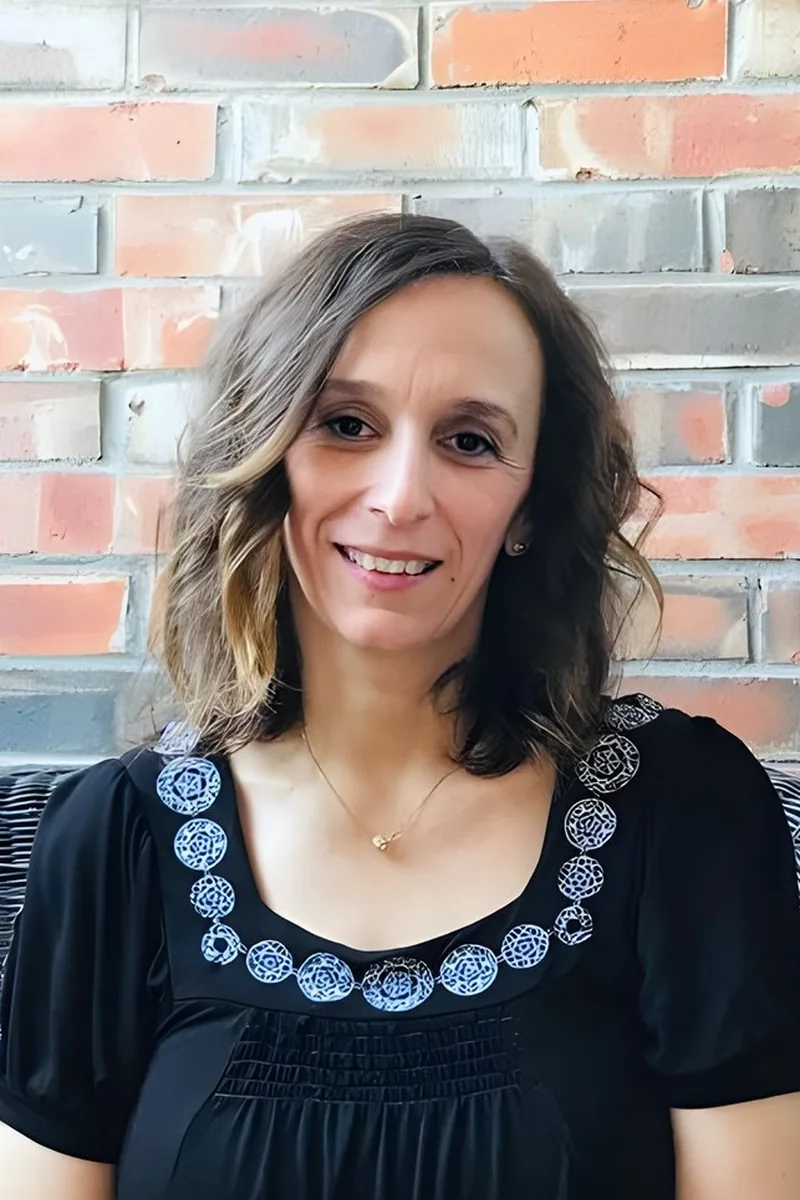
Trained in Latin and Italian philology at Palacký University in the Czech Republic, Petra brings a European classical education to a language most American students encounter only through textbooks — she learned Latin as a living system intertwined with Italian, tracing how derivatives and grammatical structures migrated from one language into the other. That dual-language fluency is especially useful for teaching vocabulary roots, verb conjugations, and the way Latin's case system laid the groundwork for Romance language grammar. Rated 4.9 by students.
Ruth's University of Chicago English degree and SAT Subject Test preparation in Latin mean she's spent serious time with the language's grammar, vocabulary, and literary roots — not just skimming declension charts but actually working through how Latin sentence structure operates. Her high school teaching background gives her a practical sense of where students get tripped up on things like verb conjugations and case identification, and she builds lessons that make those sticking points click. Rated 4.9 by students.
An honors thesis on linguistic relativity among bilinguals gave Mary a researcher's eye for how languages encode meaning differently — exactly the kind of thinking that makes Latin's case system and word order feel logical rather than arbitrary. She teaches all three levels and draws on her speech-language pathology training at Vanderbilt to break down how Latin's morphological patterns actually work at a structural level, not just as rules to memorize. Rated 5.0 by students.
Between his psychology studies at Yale and his German coursework through level four, Stephen has built the kind of cross-linguistic awareness that makes Latin's grammatical architecture feel less foreign — German's case system in particular maps closely onto Latin's noun declensions. He also prepared for the SAT Subject Test in Latin, which means he's drilled the vocabulary, syntax, and translation speed that classroom exams and standardized assessments both demand.
Having completed Penn's post-baccalaureate program in Classical Studies, Michael knows Latin from the inside out — not just declension tables but the way a periodic sentence builds suspense or how subjunctive mood signals a Roman author's uncertainty. He takes students through grammar systematically while always connecting forms back to real passages from Caesar, Cicero, and Vergil so that translation feels purposeful rather than mechanical. Rated 5.0 by students.
Studying Dante in Bologna under a leading scholar meant David wasn't just translating Italian — he was working backward through the Latin literary tradition that shaped every line of the *Commedia*. That immersion, combined with his coursework in philosophy and European history, gave him a reader's intuition for how Latin syntax builds meaning across long, layered sentences. He covers Latin 1 and 2 and holds a 5.0 rating.
Sarah's liberal arts training across music, theology, and world religions means she's spent years reading texts where Latin isn't just a classroom subject — it's the language sacred music, liturgical history, and philosophical ethics were written in. That lived context makes teaching declensions and conjugations stick, because every grammar concept connects to real hymns, prayers, and historical documents students can actually engage with. Rated 4.8 by students.
Classics majors don't just study Latin — they live in it, and Sarah's undergraduate work means she's spent years translating original texts across genres from poetry to philosophy. She teaches all four levels with particular strength in helping students internalize the subjunctive mood and indirect discourse, two areas where rote memorization fails but understanding the underlying logic pays off.
Caroline's philosophy degree required close engagement with classical texts, and her coursework in ancient and medieval heritage gives her a strong working knowledge of Latin grammar, vocabulary, and sentence structure. She breaks down declensions and conjugations by linking them to the logic of how Romans actually constructed meaning, which makes paradigm charts feel less like rote memorization.
Grace's AP Latin coursework and political science studies at Vanderbilt mean she's read Roman oratory and governance texts in their original language — the kind of dense, clause-heavy prose where getting ablative absolutes and indirect statements right actually matters. She brings that firsthand experience with politically charged Latin passages to her teaching, walking students through how to decode complex syntax by anchoring each grammatical choice in what the author was trying to argue.
Holding a PhD in English, Craig has spent years tracing how Latin's grammatical architecture — its case system, subjunctive moods, and participial constructions — shaped the literary traditions he studies professionally. He teaches Latin 2 and 3 with particular attention to how reading fluency develops, walking students through the process of holding a complex periodic sentence in their head long enough to render it into natural English. Rated 5.0 by students.
Testimonials
Because the right Latin tutor makes all the difference.
Average Session Rating – Based on 3.4M Learner Ratings
Nearby Latin Tutors
Other Baton Rouge Tutors
Related Languages Tutors in Baton Rouge
Frequently Asked Questions
Latin builds a strong foundation for understanding English and Romance languages like Spanish and French, since over 60% of English vocabulary has Latin roots. Beyond language skills, studying Latin develops critical thinking, logical reasoning, and cultural literacy—students gain insight into Roman history, literature, and philosophy that shaped Western civilization. Many students find Latin particularly rewarding because it emphasizes precision and grammatical structure, which strengthens their overall writing and analytical abilities.
The most common challenge is mastering verb conjugations and noun declensions—Latin's complex system of endings can feel overwhelming without personalized guidance. Vocabulary retention is another hurdle, especially since Latin words don't always have obvious English equivalents. Many students also struggle with translating authentic texts because it requires both grammatical knowledge and cultural context. Personalized 1-on-1 instruction helps address these specific pain points by letting tutors focus on each student's learning style and pace.
In your first session, a tutor will assess your current Latin level, understand your learning goals, and identify specific areas where you need support—whether that's grammar foundations, translation skills, or test preparation. They'll discuss your learning style and what's worked for you in the past, then create a personalized plan tailored to your needs. This initial conversation ensures that all future sessions are focused and effective, with tutors building on what they learn about you from day one.
Both are essential, and the best approach balances them. Understanding grammar rules gives you the tools to decode Latin sentences and understand how the language works, while exposure to authentic texts and passages helps you develop intuition for how Romans actually used the language. A tutor can help you move beyond mechanical rule-following to truly understanding Latin structure, then apply that knowledge to real passages from Cicero, Virgil, or other classical authors. This combination builds both technical skill and genuine comprehension.
Yes—while Latin is primarily a written language, speaking practice with a tutor strengthens your pronunciation, builds confidence with the language, and deepens your understanding of how words fit together. Many tutors incorporate conversational Latin or reading aloud into sessions, which helps you internalize the rhythm and flow of the language. Even though classroom environments rarely offer this opportunity, personalized 1-on-1 instruction makes it possible to develop oral skills that enhance your overall Latin proficiency.
Yes, several schools in the Baton Rouge area offer Latin courses, typically at the high school level and sometimes in advanced middle school programs. With 121 schools across 25 school districts in the area, Latin availability varies by school and district. If your school doesn't offer Latin or you need additional support beyond classroom instruction, personalized tutoring can help you master the language at your own pace and fill any gaps in your school's curriculum.
Effective vocabulary retention comes from multiple exposures and active practice—techniques like spaced repetition, flashcards, and using words in context all strengthen memory. A tutor can help you develop personalized strategies based on how you learn best, whether that's through etymology (connecting Latin words to English), mnemonics, or practicing vocabulary within actual sentences and passages. Rather than memorizing isolated word lists, learning vocabulary through authentic Latin texts makes words more meaningful and memorable.
Absolutely. Whether you're preparing for a school exam, AP Latin, or the National Latin Exam, a tutor can focus on the specific skills and content you need to master. They'll help you build translation speed, strengthen your understanding of grammar in context, and develop test-taking strategies. Personalized instruction is particularly valuable for test prep because tutors can identify your weak areas and dedicate time to strengthening them, rather than reviewing material you've already mastered.
Let’s find your perfect tutor
Answer a few quick questions. We’ll recommend the right plan and match you with a top 5% tutor.