Award-Winning College Chemistry Tutors
serving Baton Rouge, LA
College Chemistry
Tutors in Baton Rouge
Private 1-on-1 tutoring, weekly live classes for academic support, test prep & enrichment, practice tests and diagnostics, and more to elevate grades and test scores.
Based on 3.4M Learner Ratings
UniversitiesSchools & Universities
DeliveredHours Delivered
ProficiencyGrowth in Proficiency
Who needs tutoring?
No obligation. Takes ~1 minute.
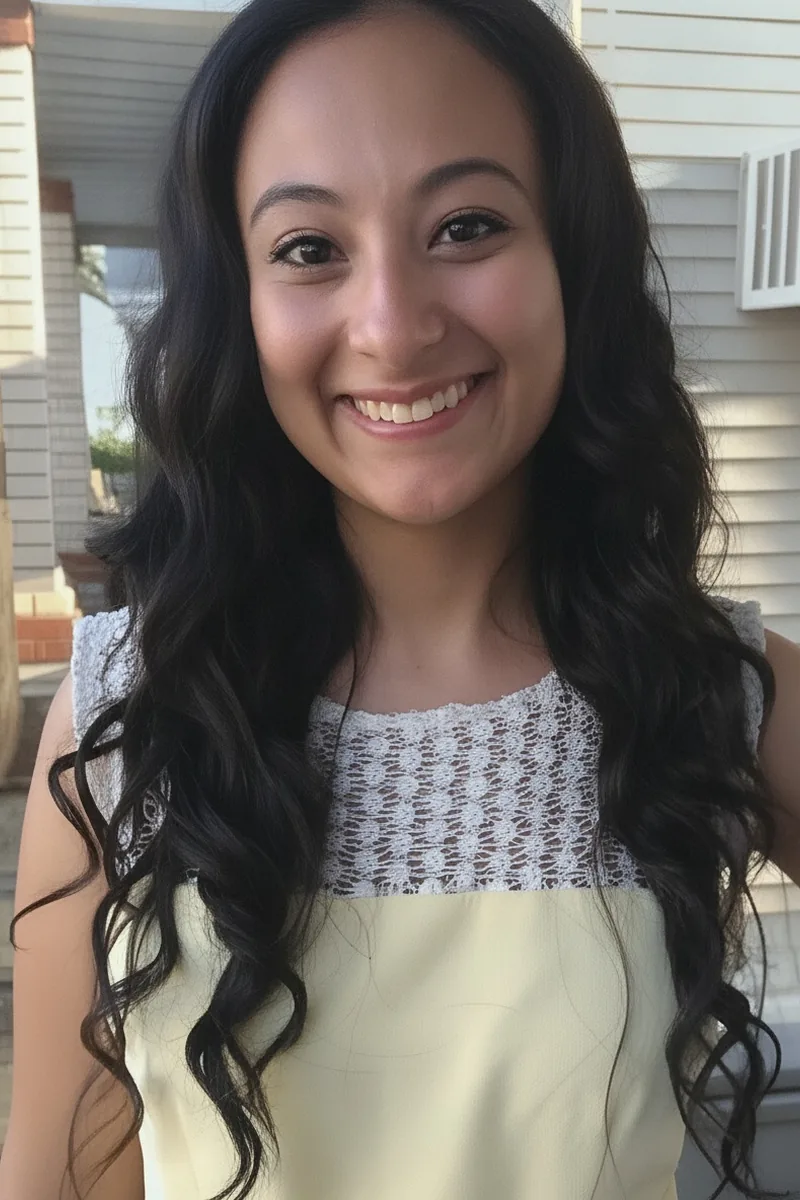
Pursuing a dual degree in biostatistics and public health at Brown, Joyce has worked through college chemistry with the quantitative rigor that comes from living in both the biology and statistics sides of STEM — so she's comfortable with the molarity calculations, reaction stoichiometry, and equilibrium expressions that overwhelm students who expected a purely conceptual course. She tackles problems by clarifying the chemical logic first, then showing how the math follows naturally from it.
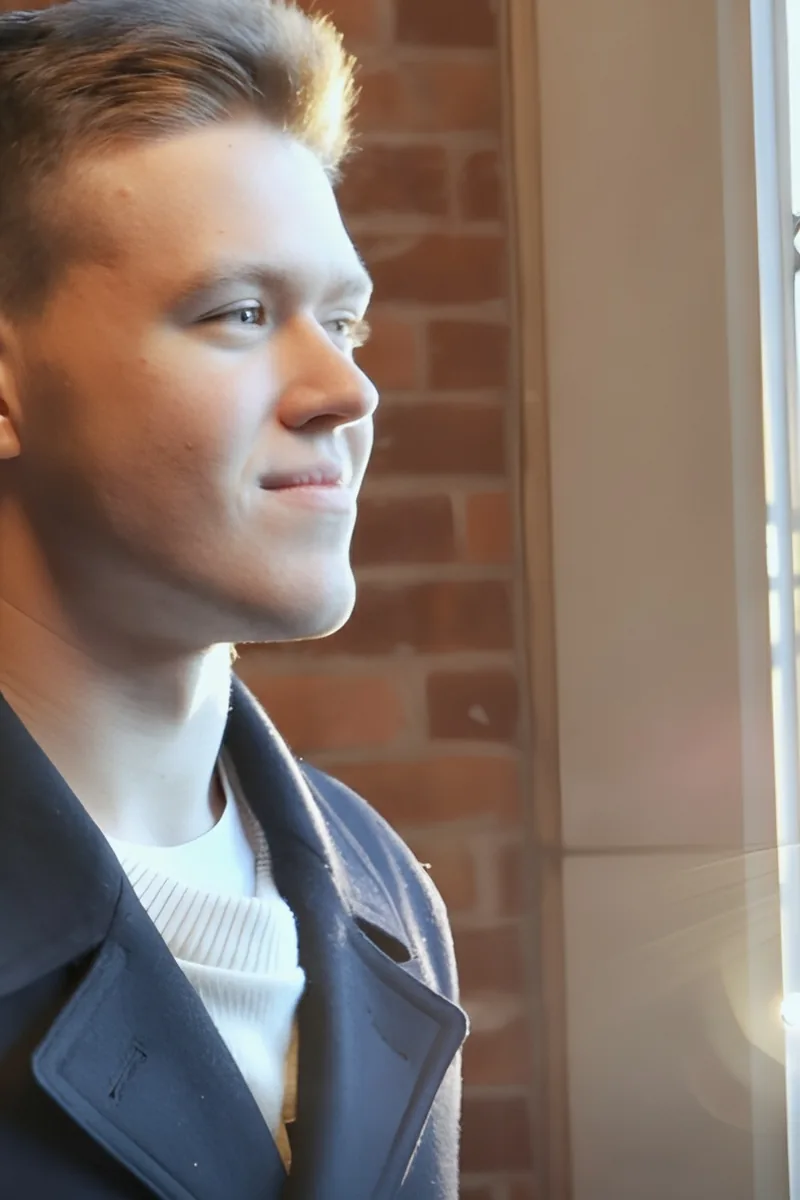
Working in a Yale research lab with tools like CRISPR-Cas9 means Matthew encounters gen chem principles — reaction kinetics, molecular interactions, buffer systems — in live experimental contexts, which sharpens how he explains them back at the introductory level. His biochemistry and molecular biology coursework built fluency with the bridge between general chemistry and its applications, so he can show students exactly why mastering something like equilibrium or thermochemistry pays off two courses down the road. Holds a 5.0 rating.
General chemistry at the college level demands comfort with both conceptual reasoning and quantitative problem-solving — balancing redox half-reactions one day, then interpreting molecular orbital diagrams the next. Kate's master's work in environmental engineering required deep fluency in chemical thermodynamics and kinetics, and she brings that applied perspective to topics like enthalpy calculations, acid-base equilibria, and electrochemistry.
Working in Duke's Bilbo lab on neuroimmune interactions means Lauren applies gen chem principles — reaction kinetics, molecular polarity, acid-base behavior — in a research setting where getting the chemistry wrong has real consequences for experimental design. That hands-on context, paired with her neuroscience and chemistry coursework, gives her a practical read on which concepts students need to truly internalize versus which ones they're just memorizing long enough to pass the exam. Rated 4.8 by students.
General chemistry at the college level demands more than balancing equations — it requires thinking in terms of energy, equilibrium, and molecular behavior. Jhonatan approaches topics like thermodynamics, acid-base chemistry, and kinetics by grounding abstract formulas in physical intuition, drawing on the quantitative rigor he developed through his biological sciences degree. His 5.0 rating speaks to how well that approach lands with students.
Though political science was her major at the University of Chicago, Asta's tutoring work across both chemistry and quantitative subjects means she's spent real time breaking down the conceptual hurdles in gen chem — balancing equations, working through mole conversions, and making sense of reaction types. Her 5.0 rating speaks to an approach that's honest about meeting the material on its own terms rather than pretending expertise she doesn't have, which students in a tough prerequisite course tend to trust more, not less.
Pre-med bio-psychology coursework at UCSB means Aaron has pushed through college chemistry the same way his students are — as a high-stakes prerequisite where every gap in stoichiometry or equilibrium shows up again in upper-division science courses. He talks through problems conversationally, pressing students to explain the reasoning back to him, which exposes shaky understanding far faster than just re-solving practice sets. Holds a 5.0 rating.
Being a Genetics Head Teaching Assistant at Brown while on the immunobiology track means Jessica has applied gen chem concepts like molecular interactions, reaction energetics, and acid-base chemistry in biological contexts where getting the fundamentals wrong isn't an option. She tackles college chemistry problems by pinpointing whether a student is stuck on the concept or the calculation — a distinction her years in math tutoring centers and science labs taught her to spot quickly. Rated 5.0 by students.
Leading weekly peer mentor sessions for General Chemistry at WashU means Sarah doesn't just know college chemistry — she's actively teaching it, walking small groups through problem sets on equilibria, stoichiometry, and solution chemistry every week. That hands-on repetition sharpens her ability to spot exactly where a concept falls apart for each student and rebuild understanding from that point. Rated 5.0 by students.
Medical school demands fluency in chemistry that goes well beyond introductory courses, and Abrahim brings that depth to college-level topics like thermodynamics, kinetics, and electrochemistry. He diagnoses conceptual gaps fast — if a student can balance an equation but can't explain why a reaction is spontaneous, that's exactly where the session will dig in.
General chemistry at the college level lives or dies on whether you actually understand what's happening at the molecular level — equilibrium shifts, thermodynamic spontaneity, orbital hybridization — or just memorize formulas. Mosab's health sciences graduate work means he uses these concepts constantly and can connect them to real biochemical applications. Rated 5.0 by students.
Cognitive Studies at Vanderbilt gave Vy an unusual angle on college chemistry — she understands how students actually learn and retain dense, concept-heavy material like electron configurations, equilibrium shifts, and thermodynamic laws, not just the content itself. She uses that awareness to structure explanations around how the brain organizes new information, which makes a real difference when a student is drowning in a fast-paced gen chem course. Holds a 5.0 rating.
Testimonials
Because the right College Chemistry tutor makes all the difference.
Average Session Rating – Based on 3.4M Learner Ratings
Nearby College Chemistry Tutors
Other Baton Rouge Tutors
Related Science Tutors in Baton Rouge
Frequently Asked Questions
College chemistry requires mastering both conceptual understanding and problem-solving skills—many students struggle with balancing equations, unit conversions, and visualizing molecular structures. Beyond calculations, the shift to thinking at the atomic and molecular level can feel abstract without proper guidance. Personalized tutoring helps bridge the gap between memorizing formulas and truly understanding the chemistry principles behind them, which is essential for success in college-level coursework.
Your first session focuses on understanding your current level, identifying specific challenges, and building a personalized plan. A tutor will likely assess your grasp of foundational concepts like stoichiometry, atomic structure, or equilibrium—depending on where you need support—and discuss your course goals and timeline. This foundation ensures every session after that targets exactly what will help you most in your college chemistry course.
Yes. Beyond classroom chemistry, tutors help students understand the scientific method, lab procedures, and how to interpret experimental results. They can explain what's happening at the molecular level during reactions, help you design experiments, and connect lab observations to theoretical concepts. This deeper understanding strengthens both your lab reports and your overall grasp of chemistry principles.
Chemistry involves visualizing things we can't see—molecular structures, electron configurations, reaction mechanisms—which is why many students find it challenging. Tutors use multiple approaches like molecular models, diagrams, animations, and real-world examples to make these abstract concepts concrete and easier to understand. Once you can visualize what's happening at the molecular level, problem-solving and exam preparation become much more manageable.
With consistent personalized instruction, students typically see improvements in both their understanding of concepts and their exam performance—often within 3-4 weeks of regular sessions. Beyond grades, many students develop stronger problem-solving skills and confidence in applying chemistry to new situations. The timeline depends on your starting point and course pace, but focused tutoring accelerates progress significantly compared to studying alone.
Look for tutors with strong chemistry backgrounds—ideally with college-level or advanced coursework, and experience teaching students at your level. Beyond credentials, the best tutors can explain complex concepts clearly, adapt their teaching style to how you learn, and connect theory to real-world applications. Varsity Tutors connects you with expert tutors who have proven success helping students master college chemistry.
This depends on your current performance, course pace, and goals. Students taking challenging chemistry courses often benefit from weekly or bi-weekly sessions, while those preparing for exams might increase frequency during key weeks. Your tutor can recommend a schedule based on your specific needs—the goal is consistent support that builds understanding without overwhelming your schedule.
Baton Rouge is home to several universities with rigorous chemistry programs, each with different course structures and expectations. Tutors familiar with local college chemistry curricula understand these specific requirements and can tailor instruction accordingly. When you connect with a tutor, they can align their support with your particular college's course content and exam formats to maximize your success.
Let’s find your perfect tutor
Answer a few quick questions. We’ll recommend the right plan and match you with a top 5% tutor.