Award-Winning AP Spanish Language & Culture Tutors
serving Baton Rouge, LA
AP Spanish Language & Culture
Tutors in Baton Rouge
Private 1-on-1 tutoring, weekly live classes for academic support, test prep & enrichment, practice tests and diagnostics, and more to elevate grades and test scores.
Based on 3.4M Learner Ratings
UniversitiesSchools & Universities
DeliveredHours Delivered
ProficiencyGrowth in Proficiency
Who needs tutoring?
No obligation. Takes ~1 minute.
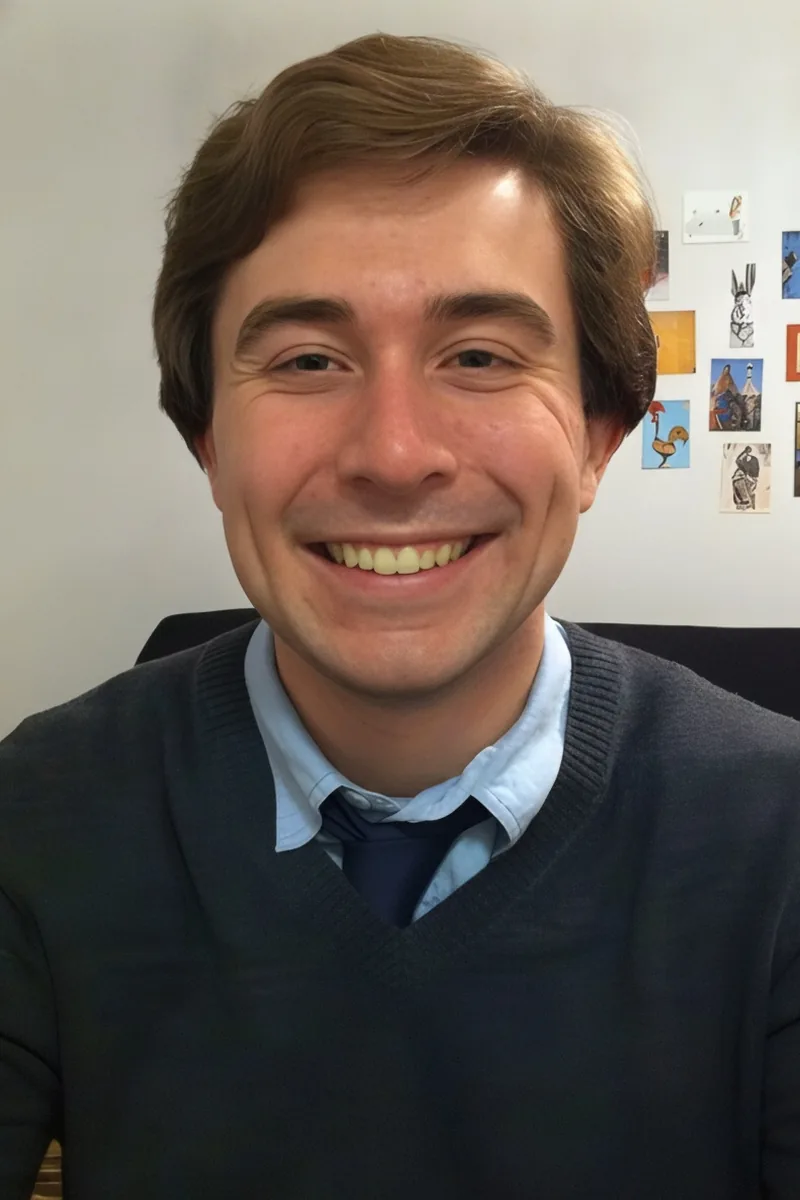
Most AP Spanish tutors come at the exam from a languages-only background — David pairs his Spanish teaching (levels 1 through 4 plus conversational) with a library science graduate degree that sharpens how he thinks about research, source interpretation, and formal written communication. That combination pays off on the exam's persuasive essay task, where students have to synthesize multiple Spanish-language sources into a coherent, register-appropriate argument under time pressure.
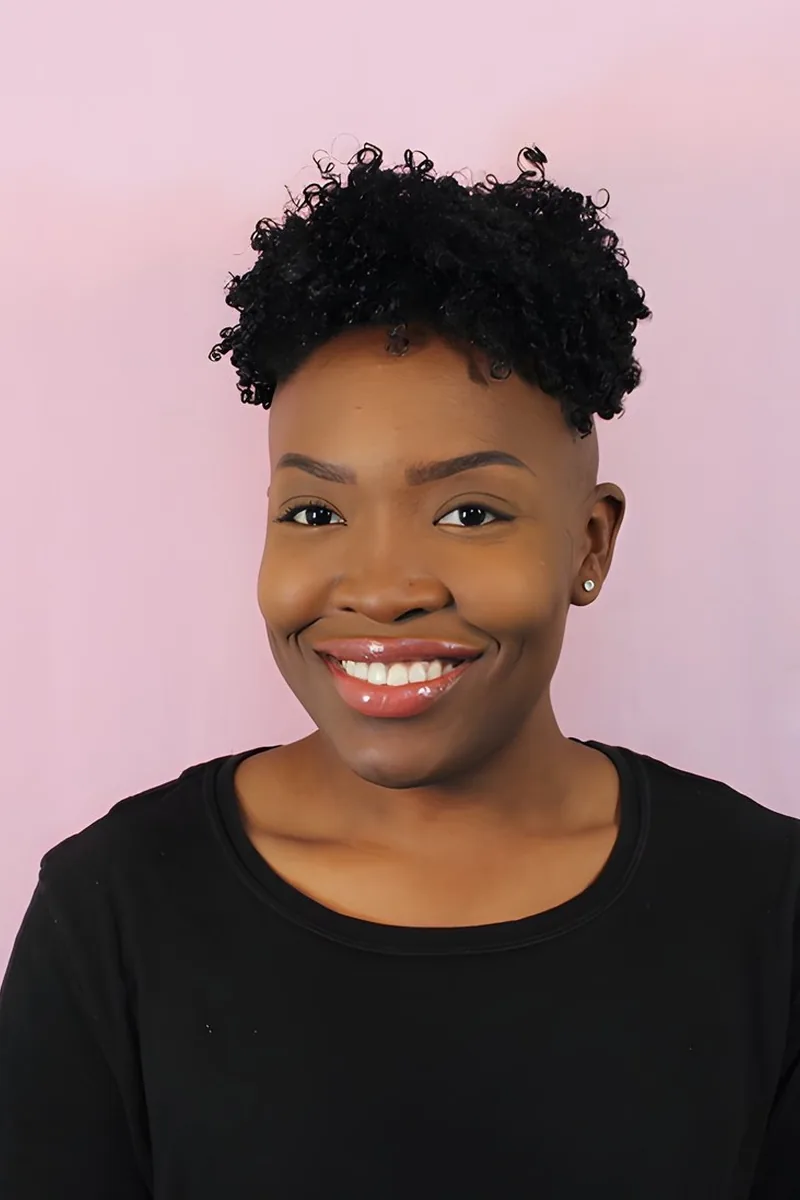
Iselee earned her bachelor's degree in Spanish from Loyola Marymount University, which means the AP exam's demand for formal written register and nuanced cultural knowledge sits squarely in her academic wheelhouse. Her current graduate work in digital communication adds a layer of rhetorical awareness — understanding how audiences process arguments — that she applies to coaching the timed persuasive essay, where students must synthesize Spanish-language sources into a coherent, register-appropriate response. Rated 4.8 by students.
Grant teaches Spanish across every level from 1 through 4 plus conversational and AP, which means he can quickly diagnose whether a student is struggling with foundational grammar — subjunctive triggers, preterite vs. imperfect — or with the higher-level task of producing formal register under timed conditions. His economics background also gives him a structured, analytical approach to the exam's persuasive essay, where organizing source material into a coherent argument matters as much as the Spanish itself. Rated 5.0 by students.
Corey trained as a total immersion instructor through the Ann Arbor Language Partnership and taught communicative Spanish in public schools for two years before moving to Nicaragua, where he used Spanish daily in professional and community settings. That real-world fluency shows up in how he prepares students for AP Spanish Language — tackling interpersonal speaking prompts, persuasive essays, and audio-source synthesis with the kind of cultural nuance the exam rewards. His background in cognitive science also informs how he teaches listening comprehension strategies that actually stick.
Growing up in Miami gave Caitlin daily exposure to Spanish in real-world contexts — the kind of authentic, unscripted language that mirrors what the AP exam throws at students in its interpretive listening and reading sections. She teaches Spanish 1 through 4 and pairs that progression with her own experience navigating Spanish across levels, so she knows exactly which grammar gaps (subjunctive triggers, formal vs. informal register) trip students up on timed free-response tasks. Rated 5.0 by students.
A cognitive sciences degree with a minor in Spanish means Adam approaches the language analytically — he treats subjunctive triggers and register shifts as pattern-recognition problems, which clicks for students who struggle with the "just memorize it" approach to grammar. His 34 ACT confirms strong reading and reasoning skills that translate directly into coaching the AP exam's interpretive reading and audio tasks, where extracting meaning from authentic Spanish sources under time pressure is half the battle.
Milan's double major in Computer Science and English might seem unrelated to Spanish, but teaching across six Spanish levels — from Spanish 1 through AP — means he knows exactly which grammar gaps trip students up on timed free-response tasks. His English background sharpens how he coaches the persuasive essay's argument structure, while his conversational Spanish teaching keeps the interpersonal speaking prep grounded in real communication rather than rehearsed scripts.
Born in Bolivia and fluent in Spanish from childhood, Geraldine brings native-level command to the AP Spanish Language & Culture exam's trickiest components: the persuasive essay, the cultural comparison, and the simulated conversation. She drills students on transitional phrases, formal register, and the specific cultural knowledge the College Board expects. Her familiarity with Latin American customs and idioms gives students an authentic reference point beyond the textbook.
Gabriel's PhD work in Comparative Human Development at the University of Chicago means he approaches the AP Spanish exam's cultural comparison task through an academic lens most tutors can't offer — he's trained to analyze how cultural practices differ across communities, which is exactly what that free-response prompt asks students to do. He teaches Spanish 2 through 4, so he knows which grammar foundations need tightening before students can write a persuasive essay in formal register under timed conditions. Rated 5.0 by students.
Native fluency gives Solange an ear for the idiomatic phrasing and natural register that score well on AP Spanish Language's interpersonal and presentational tasks. She digs into the cultural comparison essays and audio-response prompts that trip up even advanced students, coaching them to move beyond translated English and into authentic Spanish expression. Rated 5.0 by her students.
Having studied Spanish as part of his undergraduate degree and continuing to teach it from introductory levels through AP alongside conversational practice, Adam knows exactly where students plateau — and it's usually the jump from classroom grammar to the timed, register-aware writing the AP exam actually scores. His history background also sharpens the cultural comparison task, where connecting Spanish-speaking communities' practices to broader historical context turns a generic response into a compelling one.
Joshua teaches Spanish from level 1 through AP and pairs that with four levels of Latin, so he's used to thinking about how Romance languages borrow structures from their classical roots — a perspective that sharpens his explanations of tricky Spanish grammar like subjunctive triggers and conditional sequences. His 1600 SAT reflects the kind of precise reading and analytical writing skills that translate directly to the AP exam's source-synthesis and persuasive essay tasks.
Testimonials
Because the right AP Spanish Language & Culture tutor makes all the difference.
Average Session Rating – Based on 3.4M Learner Ratings
Nearby AP Spanish Language & Culture Tutors
Other Baton Rouge Tutors
Related Languages Tutors in Baton Rouge
Frequently Asked Questions
The AP Spanish Language & Culture exam tests your ability to understand and communicate in Spanish across real-world contexts. The exam includes five sections: reading comprehension, writing (essay and short-answer responses), listening comprehension, speaking (interpersonal and presentational), and a cultural component woven throughout. You'll need to demonstrate proficiency in grammar, vocabulary, and cultural knowledge, with an emphasis on practical communication skills rather than just translation or grammar rules.
AP scores range from 1 to 5, with 3 or higher typically earning college credit. Most colleges grant credit for a 4 or 5, though some accept a 3. Your target score depends on your college goals and the schools you're applying to—it's worth checking your target schools' policies. A strong study plan with personalized tutoring can help you identify your current level and create a realistic pathway to your goal score.
Many students struggle with the speaking and listening sections, especially understanding native-speed audio and responding naturally without hesitation. The writing section also challenges students who aren't used to composing longer, more formal responses in Spanish. Additionally, the cultural component requires familiarity with Spanish-speaking countries and current events, which students sometimes underestimate. Personalized tutoring helps target these specific weak areas with targeted practice and feedback.
Most students benefit from starting tutoring 3-6 months before the exam, though your timeline depends on your current proficiency level and target score. Students in Baton Rouge's 121 schools often balance AP Spanish with other coursework, making a structured study plan essential. A tutor can assess your starting point, identify priority areas, and create a customized schedule—whether you need intensive weekly sessions or bi-weekly check-ins to stay on track.
Practice tests are crucial for building familiarity with the exam format, pacing yourself through all five sections, and identifying which areas need the most work. Taking full-length practice tests under timed conditions helps you manage test anxiety and develop strategies for each section. Tutors often use practice test results to pinpoint weak areas—whether it's listening comprehension speed, essay structure, or speaking fluency—and tailor instruction accordingly.
The speaking section requires you to respond naturally and fluently to prompts, which means you need regular practice speaking aloud—not just writing or reading. Tutors can conduct mock conversations, provide real-time feedback on pronunciation and grammar, and help you develop strategies for thinking on your feet. Consistent speaking practice builds confidence and helps you avoid common mistakes like translating directly from English or pausing too long to think.
Look for a tutor with proven experience teaching AP Spanish specifically—not just general Spanish instruction. They should understand the exam format, have strategies for each section, and be able to assess your current level accurately. It's also valuable if they're familiar with cultural topics and can help you stay current with Spanish-speaking world events. Varsity Tutors connects you with expert tutors who specialize in AP test prep and can create a personalized study plan based on your goals.
Cultural knowledge is integrated throughout the exam—it's not a separate section you can ignore. You'll encounter cultural references in reading and listening passages, and you may need to discuss cultural topics in writing and speaking responses. Rather than memorizing facts, focus on understanding key aspects of Spanish-speaking countries like history, current events, traditions, and social issues. A tutor can help you build cultural literacy in a way that connects to the exam's themes and improves your overall communication skills.
Let’s find your perfect tutor
Answer a few quick questions. We’ll recommend the right plan and match you with a top 5% tutor.