Award-Winning AP Spanish Literature and Culture Tutors
serving Baton Rouge, LA
AP Spanish Literature and Culture
Tutors in Baton Rouge
Private 1-on-1 tutoring, weekly live classes for academic support, test prep & enrichment, practice tests and diagnostics, and more to elevate grades and test scores.
Based on 3.4M Learner Ratings
UniversitiesSchools & Universities
DeliveredHours Delivered
ProficiencyGrowth in Proficiency
Who needs tutoring?
No obligation. Takes ~1 minute.

Studying Spanish as a full degree — not just a minor or elective — means Alexandra has spent years reading and analyzing literary works in the original language, from García Márquez to Sor Juana. She teaches students to write the kind of thematic analysis essays the AP exam demands, connecting literary movements like el realismo mágico to their cultural and historical contexts.
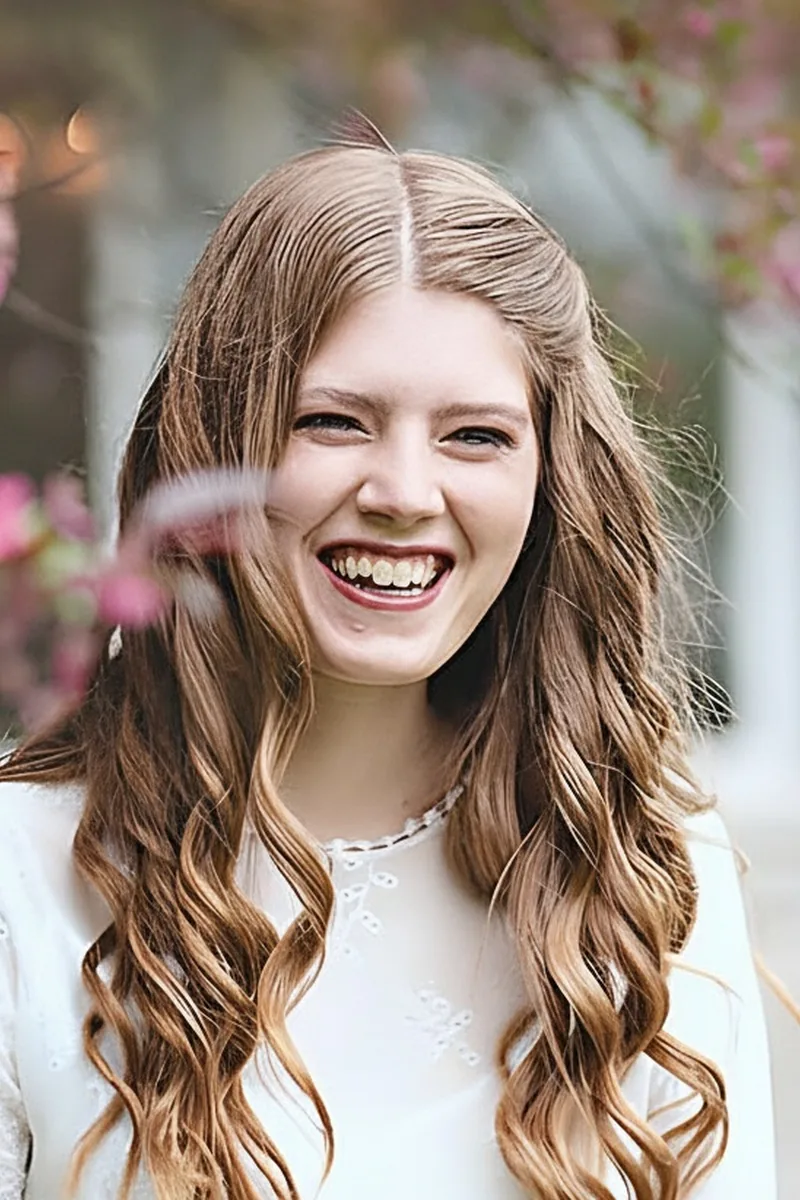
Double-majoring in English and Spanish at Butler — with a history minor and honors program work — meant Darby spent four years reading literature through both linguistic and cultural lenses simultaneously, a habit that translates directly to analyzing AP reading list texts where literary movements cross national and language boundaries. She teaches essay construction in Spanish with a creative writer's attention to how an author's formal choices (imagery, tone, narrative voice) carry argumentative weight in timed free-response writing. Rated 5.0 by students.
James's finance and marketing degrees aren't the obvious path to AP Spanish Literature — but his coursework through AP Spanish Literature and Culture plus Spanish 4 and his experience teaching across every level of the language mean he knows the reading list and can coach essay construction in Spanish. Where he adds unexpected value is in the argumentative structure side: building a persuasive, evidence-driven thesis under time pressure is something his business training reinforced from a different angle, and that discipline transfers directly to the AP free-response section.
A cellular and molecular biology major might seem like an unlikely fit for this exam, but Isaac's 35 ACT and his coursework in AP Spanish give him the analytical reading skills and structured argumentation that the free-response essays demand — thesis construction, evidence selection, and writing under time pressure. For students who already have strong Spanish fluency and need someone to sharpen the mechanics of timed literary analysis, his science-trained precision translates surprisingly well.
Renee's PhD in Spanish and Iberian Studies means she's spent years inside the literary traditions the AP exam tests — not just reading Garcilaso or Unamuno, but producing original scholarship on how these texts function within broader Iberian cultural movements. That academic depth shapes how she teaches students to construct thesis-driven essays in Spanish, moving from close reading of a passage's formal choices to the kind of cultural argumentation that earns top scores on the free-response section.
Adriana's biochemistry and history double major at Rice might seem unusual preparation for literary analysis, but dissecting historical arguments and scientific texts in two languages built exactly the kind of rigorous close-reading this exam rewards. Fluent in Spanish and holding a 5.0 tutoring rating, she walks students through the timed analytical essay process — constructing thesis-driven arguments about works on the AP reading list entirely in Spanish, with attention to both literary devices and the cultural contexts behind them.
Three years as a Peace Corps volunteer in the Dominican Republic and time teaching at a bilingual school in Costa Rica gave Courtney the kind of lived Spanish fluency that comes from daily immersion — not just classroom study. That real-world grounding in Caribbean and Latin American culture adds context when she walks students through reading list works where themes of colonialism, identity, and societal contact demand more than textbook definitions to unpack in a timed essay.
Growing up speaking Spanish at home after moving from Chile, then studying abroad in Salamanca, Carlos developed the kind of native-level fluency that catches the subtle register shifts and idiomatic layers in AP reading list works — from colonial poetry to contemporary Latin American prose. His daily work as a bilingual writer at St. Jude Children's Research Hospital keeps his written Spanish sharp and precise, which directly feeds into coaching students on constructing timed analytical essays that move beyond plot summary into genuine literary argumentation.
Few tutors can match Trace's combination of a summa cum laude specialization in Spanish from Ohio State and professional experience as a Spanish-language court interpreter. For AP Spanish Literature and Culture, he unpacks texts from Cervantes to García Márquez in their original language, teaching students to write literary analysis in Spanish with the sophistication the exam requires.
Medical school and AP Spanish Literature don't obviously connect — but Arianna's behavioral neuroscience degree with a Spanish minor means she spent years reading and writing analytically in Spanish while also studying how people process language and narrative. That combination sharpens how she teaches students to construct timed literary essays, particularly when unpacking character psychology and identity themes in works across the AP reading list. Rated 5.0 by students.
Born and raised in San Juan, Puerto Rico, Carla is a native Spanish speaker whose theater background gives her a distinctive angle on literary analysis — she teaches students to read dramatic texts like *La casa de Bernarda Alba* and poetry by Sor Juana as living performances, not just words on a page. That instinct for voice, tone, and subtext translates directly to the close-reading and essay skills the AP exam rewards. Rated 5.0 by students.
Iris's University of Chicago training in History and Philosophy of Science taught her to trace how ideas move across cultures and time periods — a skill that translates directly to the AP exam's thematic units, where students must connect a Borges story or a Sor Juana poem to broader cultural movements like "las sociedades en contacto" or "el tiempo y el espacio." Her anthropology background adds a layer most Spanish lit tutors lack: she reads texts for the cultural systems embedded in them, which strengthens the kind of contextualized argumentation the free-response essays demand.
Testimonials
Because the right AP Spanish Literature and Culture tutor makes all the difference.
Average Session Rating – Based on 3.4M Learner Ratings
Nearby AP Spanish Literature and Culture Tutors
Other Baton Rouge Tutors
Related Languages Tutors in Baton Rouge
Frequently Asked Questions
AP Spanish Literature and Culture focuses on reading, analyzing, and discussing Spanish-language literature from Spain and Latin America across six thematic units: family and community, personal and public identities, folklore and cultural perspectives, business and economics, science and technology, and contemporary society. Students engage with poetry, novels, short stories, and essays while developing critical thinking skills and cultural understanding—all essential for success on the AP exam.
The exam consists of two sections: a 80-minute multiple-choice section with reading passages and listening comprehension (50% of your score), and a 100-minute free-response section with essay writing tasks (50% of your score). The multiple-choice section tests your ability to understand literary devices, themes, and cultural context, while the free-response section requires you to analyze texts and support your interpretations with evidence—strong time management is critical for both sections.
Many students struggle with understanding complex literary vocabulary and identifying subtle literary devices in Spanish texts, especially when reading poetry or older literature. Others find the transition from conversational Spanish to analytical writing difficult, or they run out of time on the exam because they're unfamiliar with the question formats. Personalized tutoring helps you build confidence with challenging texts, develop efficient reading strategies, and practice timed essays so you're prepared on test day.
Score improvement depends on your starting point and how consistently you prepare, but most students see meaningful gains—typically 1-2 score points—when they work with a tutor to target their specific weak areas, whether that's literary analysis, essay structure, or pacing. The key is identifying exactly where you're losing points (multiple-choice comprehension, essay development, time management) and practicing those skills repeatedly before the exam.
Your first session focuses on understanding your current level, learning goals, and specific challenges. A tutor will likely review a sample text with you, assess your reading comprehension and analytical writing, and ask about the areas where you feel least confident—whether that's poetry analysis, essay organization, or managing exam timing. From there, you'll develop a personalized study plan that targets your needs before test day.
Varsity Tutors connects you with expert tutors for students in Baton Rouge who specialize in AP Spanish Literature and Culture and understand the specific demands of the exam. You can share your goals and preferred learning style, and get matched with a tutor who has experience helping students master literary analysis, essay writing, and test-taking strategies in Spanish.
Ideally, you should begin preparing 3-4 months before the exam with consistent weekly study sessions. A typical schedule includes regular tutoring sessions (1-2 per week), independent reading of assigned texts, practice essays with timed constraints, and full-length practice exams every 2-3 weeks to track progress. Spaced repetition—reviewing difficult texts and literary devices over time—helps you retain vocabulary and analytical skills more effectively than cramming.
Strong essays require a clear thesis statement, specific textual evidence, and analysis that connects quotes to your argument—not just summary. Effective strategies include outlining your response in the first 2-3 minutes, using transition phrases to guide your reader, and practicing timed writing so you can produce a complete essay in 40-50 minutes. Working with a tutor on essay structure and getting feedback on your drafts helps you develop the analytical voice and organization that AP graders reward.
Let’s find your perfect tutor
Answer a few quick questions. We’ll recommend the right plan and match you with a top 5% tutor.