Award-Winning AP European History Tutors
serving Evansville, IN
AP European History
Tutors in Evansville
Private 1-on-1 tutoring, weekly live classes for academic support, test prep & enrichment, practice tests and diagnostics, and more to elevate grades and test scores.
Based on 3.4M Learner Ratings
UniversitiesSchools & Universities
DeliveredHours Delivered
ProficiencyGrowth in Proficiency
Who needs tutoring?
No obligation. Takes ~1 minute.

From the Protestant Reformation to the Congress of Vienna to EU integration, AP European History covers an enormous arc — and the exam expects students to argue about it, not just narrate it. Ben's history degree and classroom teaching experience mean he can walk students through how to identify causation and contextualization in document sets, turning a pile of sources into a coherent, well-evidenced essay.
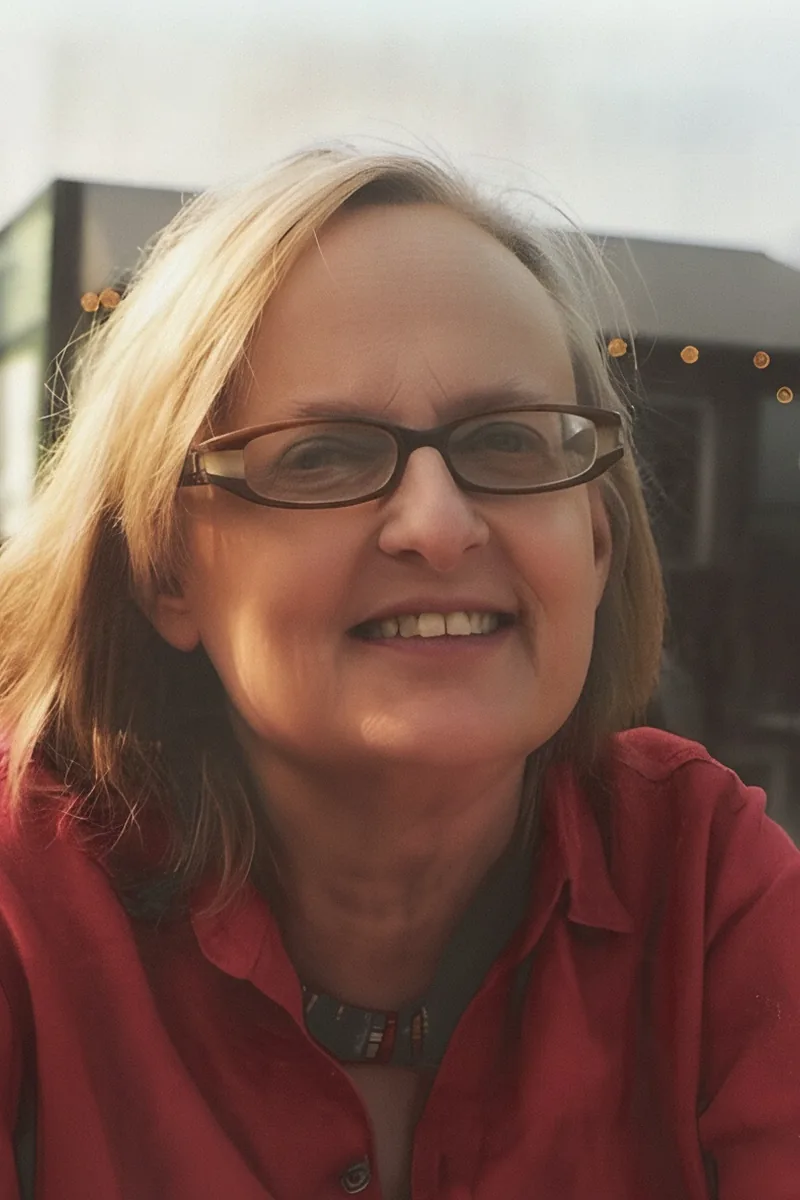
Lisa's history degree and published scholarly work mean she's done the kind of primary source analysis and argumentative writing that AP Euro's DBQ and LEQ sections actually test — not just studied it, but practiced it professionally across multiple publications. She zeroes in on teaching students how to build a thesis around periodization and continuity-and-change questions, where vague answers about "what happened" get replaced with precise claims about why it mattered. Rated 4.9 by students.
Taylor's drama training at NYU's Tisch School of the Arts might seem like an odd fit for AP Euro, but theater history is deeply entangled with European cultural and political shifts — the rise of national theaters under absolutism, censorship battles during the Enlightenment, and avant-garde movements responding to industrialization and war. That cultural lens gives her a way into the material that's different from a straight political narrative, which can be especially useful for students who struggle to connect social and intellectual developments in their essays.
From the Congress of Vienna to European integration, AP European History requires students to trace how political, economic, and intellectual forces reshaped an entire continent. Mat minored in History at NYU and has traveled extensively through Europe, which gives him a firsthand sense of the cultural contexts behind events like the Reformation or the rise of nationalism. He teaches students to write DBQs that build arguments rather than just summarize documents.
The AP European History exam asks students to do something genuinely hard: synthesize centuries of political, intellectual, and cultural change into a coherent argument in under 40 minutes. Lucy tackles this by teaching students to identify historiographic patterns — the Reformation as both a religious and economic event, for instance — and translate that thinking into tightly structured essays. Her 5.0 rating speaks to how well that approach clicks.
From the Renaissance through the Cold War, AP European History demands that students trace political, intellectual, and economic developments across centuries while writing tightly argued essays under pressure. Rayhan's Duke history training gave him deep familiarity with European historiography, and his classroom teaching experience means he knows how to make the Reformation or the Congress of Vienna click for students preparing for the AP exam.
From the Protestant Reformation to the Congress of Vienna to decolonization, AP European History covers centuries of political, intellectual, and social change at a pace that overwhelms most students. Blake's history degree gives him the content depth to connect these threads, and he zeroes in on the skill AP graders actually reward: crafting a thesis that takes a defensible position and supports it with precise historical evidence.
Gabrielle's biology training at Binghamton might seem unrelated to AP Euro, but scientific thinking — tracing how one development triggers the next — maps surprisingly well onto questions about, say, how the Scientific Revolution undermined Church authority or how Malthusian ideas shaped nineteenth-century social policy. She leans into those science-history intersections while drilling the cause-and-effect essay structure the exam actually rewards. Rated 4.9 by students.
The best part of tutoring is promoting students' long-term success through mastery of reading, writing, math, study skills, organization, and critical thinking. In particular, I enjoy helping students build test-taking strategies and core skills for the ACT, SAT, and other admissions tests. I also support pre-K and K-12 students learning math and ELA. Before joining Varsity, I tutored in a Reading and Writing Lab for university students with learning disabilities where I earned a College Reading and Learning Association (CRLA) certification. Since joining Varsity, I have completed continuing education through the Lastinger Center for Learning. I graduated from the University of Arizona in 2021 with a BA in Cultural Anthropology. In addition to tutoring, I have worked as an instructional aide for an art program, an applied anthropology researcher, and a nonprofit program coordinator. Out of all these experiences, I enjoy tutoring the most. I look forward to working with you!
From the Renaissance through the Cold War, AP European History demands that students trace political, intellectual, and economic threads across centuries. Nathan digs into the causation and continuity-and-change skills the exam prioritizes, teaching students to build arguments that link events like the Reformation to Enlightenment thought rather than treating each unit as isolated content. His Rice history training means he reads primary sources alongside students, not just summaries.
AP European History's essay prompts demand that students weave together political, intellectual, and social developments across centuries — the kind of synthesis that requires genuine understanding, not just a timeline. Varun's CLEP preparation in both Western Civilization I and II gave him a structured framework spanning the Renaissance through the Cold War. He teaches students to identify turning points like the Treaty of Westphalia or the Congress of Vienna and explain why they reshaped the European order.
JF's core training is in math and computer science at Stanford, not history — but his perfect 1600 SAT reflects the kind of precise analytical reading and argumentative writing that AP Euro's document-based and long-essay questions actually test. He approaches European history the way a problem-solver would, breaking complex periods like the Reformation or the rise of nationalism into clear cause-and-effect structures students can use to build exam-ready arguments. Rated 5.0 by students.
From the Renaissance through the Cold War, AP European History requires students to connect political, economic, and cultural developments into coherent long-essay and DBQ arguments. Claire unpacks how to contextualize documents quickly and build a thesis that actually takes a defensible position — not just summarizes events. Her political science background gives her a natural fluency with the political and ideological movements that dominate the exam.
Testimonials
Because the right AP European History tutor makes all the difference.
Average Session Rating – Based on 3.4M Learner Ratings
Practice AP European History
Free practice tests, flashcards, and AI tutoring for AP European History
Nearby AP European History Tutors
Other Evansville Tutors
Related Social Studies Tutors in Evansville
Frequently Asked Questions
Varsity Tutors matches Evansville students with expert AP European History tutors for 1-on-1 instruction. We pair each student with a tutor based on their specific needs, learning style, and goals.
Whether you need homework help, exam prep, or want to get ahead, our AP European History tutors are ready to help.
Common challenges include gaps from earlier material, difficulty with specific concepts, and trouble applying learning to new problems. These issues can snowball quickly in AP European History.
A tutor identifies where you're stuck, fills in gaps, and provides targeted practice. The 1-on-1 format means you get help exactly where you need it.
Tutors work with your student's actual coursework—homework assignments, class notes, and upcoming tests. This keeps tutoring directly relevant to what's happening in the classroom.
When you share information about your student's school and curriculum, we can match you with a tutor who has relevant experience.
All tutors complete background checks, credential verification, and teaching evaluation. Many of our AP European History tutors hold advanced degrees or have years of teaching experience.
You can review tutor profiles to find someone with the right background for your student's level and needs.
Many students see improved grades within a few weeks, along with better understanding of AP European History concepts and more confidence tackling challenging material.
Tutors track progress and adjust their approach to ensure continued improvement.
Most students benefit from 1-2 sessions per week. More frequent sessions help if your student is significantly behind or has an important exam coming up.
Your tutor can recommend a schedule based on your student's specific situation and goals.
Tutoring is purchased in packages of hours, with rates varying by tutor experience. Varsity Tutors offers several options to fit different budgets and needs.
You can discuss pricing during your consultation to find what works best.
Your tutor will assess where your student is, discuss goals, and start working on priority areas. Most students bring current homework or upcoming test material to focus on.
By the end, you'll have a clear sense of how the tutor can help and a plan for moving forward.
Let’s find your perfect tutor
Answer a few quick questions. We’ll recommend the right plan and match you with a top 5% tutor.