Award-Winning AP French Language and Culture
Tutors
AP French Language and Culture
Tutors
Private 1-on-1 tutoring, weekly live classes for academic support, test prep & enrichment, practice tests and diagnostics, and more to elevate grades and test scores.
Based on 3.4M Learner Ratings
UniversitiesSchools & Universities
DeliveredHours Delivered
ProficiencyGrowth in Proficiency
Who needs tutoring?
No obligation. Takes ~1 minute.
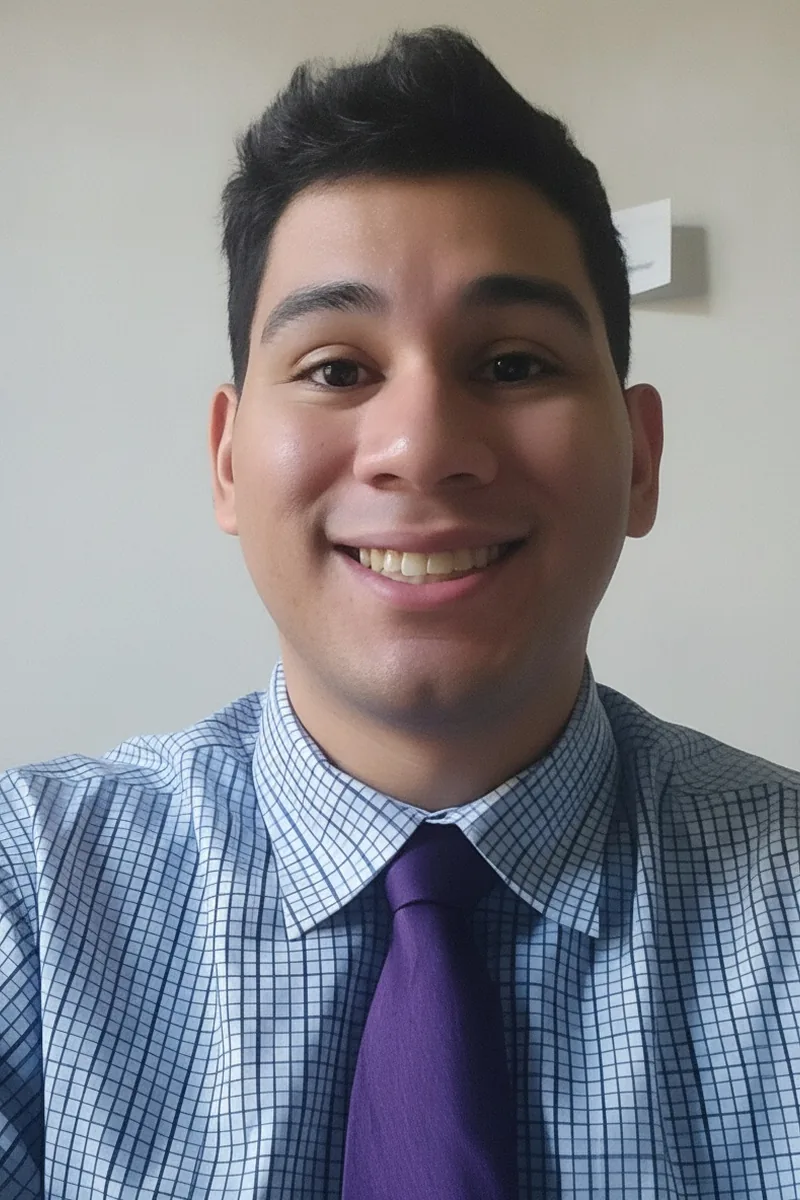
Daniel's deepest tutoring experience is in French, and he pairs that language fluency with sharp essay-editing instincts — a combination that pays off on the AP exam's timed persuasive essay and formal email reply, where register control and argument structure matter as much as grammar. His 1500 SAT score speaks to the kind of disciplined reading and analytical writing that transfers directly to tackling the exam's source-synthesis tasks. Rated 5.0 by students.
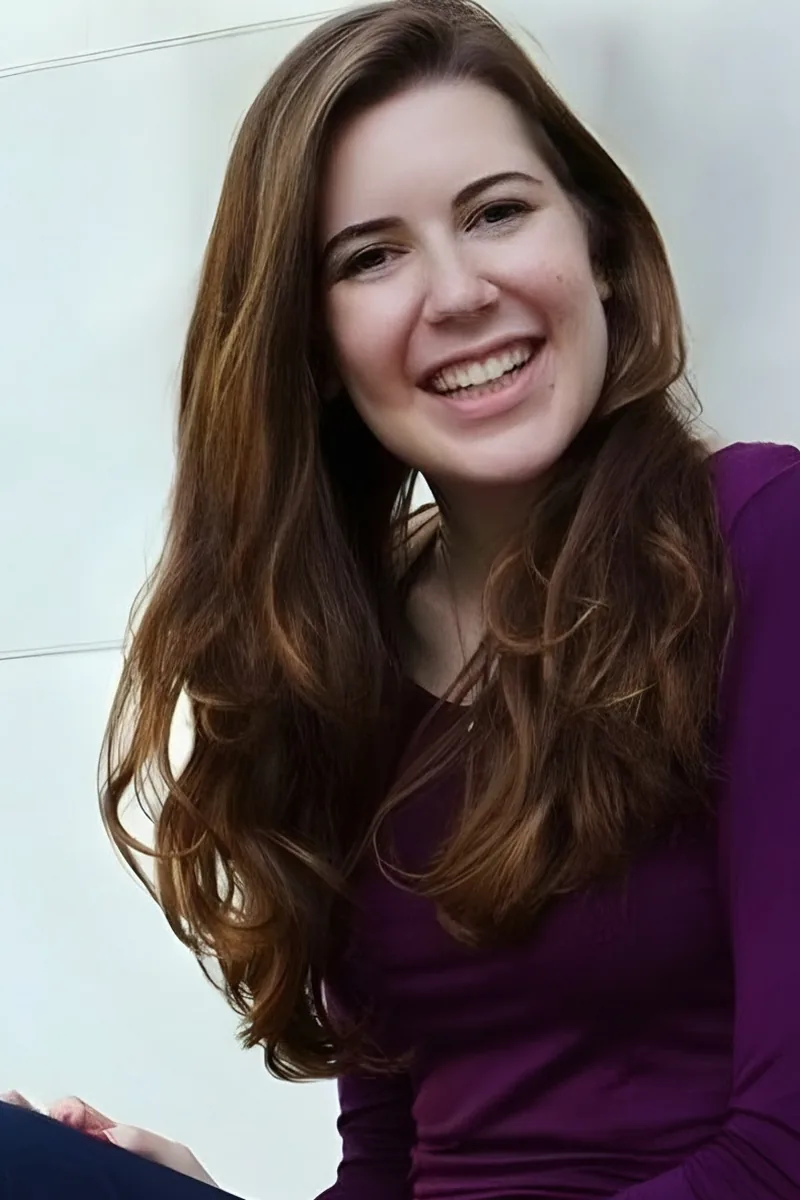
A double major in French and Molecular Biology at Yale, Emily didn't just take the language as an elective — she built genuine academic fluency across registers, from scientific writing to literary analysis. That depth shows up when coaching the AP exam's formal email reply and persuasive essay, where precise subjunctive usage and register control separate a 4 from a 5. She holds a 5.0 rating and a perfect 36 ACT.
Sherry's linguistics degree from the University of Chicago trained her to dissect how languages work at a structural level — phonology, syntax, morphology — which she applies directly to French grammar patterns like subjunctive triggers, pronoun placement, and the register shifts the AP exam's formal email task demands. She also teaches conversational French alongside her reading and writing subjects, so she can coach both the written synthesis tasks and the spoken cultural comparison with equal precision. Rated 5.0 by students.
Between a liberal arts degree and teaching AP English Literature and Composition, Kirstie developed the close-reading and analytical writing instincts that transfer directly to the AP French exam's source-synthesis essay and formal email tasks — structuring an argument under time pressure works the same way in any language. Her background in French language and culture rounds that out with the grammatical and cultural fluency students need for the interpersonal and presentational speaking sections. Rated 5.0 by students.
The AP French Language and Culture exam tests students across six themes — from global challenges to personal identity — and expects them to compare Francophone cultural practices with their own. Nicholas earned his master's in French Linguistics and Pedagogy, so he tackles both the linguistic precision and the cultural literacy the exam demands. He's especially strong at coaching the interpersonal speaking and email-reply tasks that trip students up most.
Martha's research on culture and self-related psychological processes across different societies gives her a lens into Francophone cultural themes that most language tutors don't have — which matters on an exam where the cultural comparison presentation and source-synthesis essay reward genuine cultural insight, not just grammatical accuracy. She teaches French through advanced levels and brings a 5.0 rating from her tutoring across subjects.
The AP French Language and Culture exam tests whether students can interpret authentic French media and respond with nuance — skills that are hard to fake without real immersion. Ben spent a year teaching in French schools and minored in French at Dartmouth, so he brings firsthand cultural fluency to the persuasive essays, audio comparisons, and conversation simulations the exam demands.
Theatre training gave Johann something most French tutors lack — a performer's ear for intonation, liaisons, and the kind of natural spoken delivery that the AP exam's interpersonal and presentational speaking tasks reward. He teaches French through advanced levels and applies his strong writing and editing background to coaching the timed persuasive essay and formal email, where register control and argument clarity carry serious weight. Rated 5.0 by students.
Few AP French tutors can say they use the language professionally — Sarah does, regularly engaging with Francophone scholarship and communities as part of her Harvard ethnomusicology research. For the AP Language and Culture exam, she zeroes in on the presentational writing and interpersonal speaking tasks, teaching students to build arguments in French with the cultural nuance the rubric demands.
Between his SAT Subject Test experience in French and French with Listening, Andrew understands the grammatical structures and thematic vocabulary that AP French Language and Culture tests across its reading, listening, and speaking components. He zeroes in on the persuasive essay and conversation tasks, teaching students how to organize arguments quickly in French using connectors and formal register.
Most AP French students underestimate the formal email task — getting the register right means nailing subjunctive constructions and polite formulations that feel natural, not stilted. Manolya teaches French through advanced levels and also tutors college essays and essay editing, so she brings both linguistic precision and structural writing instincts to the timed composition sections. Her 5.0 rating and 1550 SAT speak to the discipline she applies across subjects.
Between her French major at Brown, multiple semesters as a university French TA, and a study-abroad immersion in Senegal, Claire has lived this language from nearly every angle. She tackles the AP French Language and Culture exam's trickiest components — the persuasive essay that synthesizes three sources and the cultural comparison presentation — by building students' confidence in thinking directly in French rather than translating from English.
Teaching French through advanced levels while simultaneously pursuing East Asian language mastery at the University of Chicago gave Jacob a rare perspective on how language acquisition actually works — he understands the structural leaps students need to make between intermediate fluency and the polished, register-aware communication the AP exam demands. His college essay and essay editing experience sharpens his coaching on the timed persuasive essay and formal email reply, where argument structure and tone matter as much as conjugation. Rated 5.0 by students.
The AP French exam's audio sources and persuasive essay catch students off guard if they've only practiced reading and grammar drills. Daniel's French studies through the advanced level at Penn gave him the listening comprehension and argumentative writing skills the exam actually tests. He walks through each task type — from the email reply to the cultural comparison — with strategies tailored to how the College Board scores them.
Chemical engineering at Pitt required Olivia to read technical literature in French alongside her core coursework, and she's taught the language through advanced levels — so she brings both academic rigor and real fluency to the AP exam's demanding written tasks like the source-synthesis essay and formal email reply. Her 34 ACT and engineering training mean she approaches French grammar systematically, breaking down patterns like subjunctive triggers and register shifts the way she'd break down a process flow. Rated 4.9 by students.
Cultural comparison is where most AP French Language and Culture students lose points, often because they describe rather than analyze. Ariel coaches students to identify specific cultural practices — from French educational norms to regional traditions — and frame them as arguments supported by evidence from audio and print sources. Her structured approach to the free-response section turns vague observations into high-scoring essays.
I'm a student at Brown University with an eclectic set of interests. I am trilingual, analytical, and creative and look forward to tutoring you! :)
Two years living in France gave Joshua the kind of fluency that AP French Language and Culture demands — not just textbook grammar, but the ability to construct persuasive arguments, interpret authentic audio sources, and write formal essays in register-appropriate French. He tackles the presentational speaking and writing tasks by drilling the discourse markers and idiomatic structures that earn top scores on the exam.
Human rights research at Columbia meant Jorge spent years engaging with Francophone legal texts, NGO reports, and policy documents — the kind of dense, argument-driven source material that mirrors what students face on the AP exam's synthesis essay and audio interpretation tasks. His anthropology training at Harvard adds a cultural depth that sharpens the cultural comparison presentation, where generic observations about "French culture" won't cut it and specific knowledge of Francophone societies earns top marks.
Having spent several years living abroad as a native French speaker, Aidan brings an immersion-bred fluency to AP French prep that's hard to replicate in a classroom — particularly for the interpersonal speaking tasks and audio-source synthesis where natural listening instincts matter most. His Penn education in International Studies deepened his grasp of Francophone geopolitics and cultural currents, giving students concrete material for the cultural comparison presentation. Rated 5.0 by students.
Scoring well on the AP French Language and Culture exam means toggling fluently between listening, reading, and writing under timed pressure — skills Jenna honed earning her French degree at the University of Kentucky. She zeroes in on the persuasive essay and cultural comparison sections, teaching students to structure arguments quickly in French while weaving in specific cultural references. Her own 36 ACT composite reflects the kind of test-taking discipline she brings to AP prep.
Living and teaching in Paris gave Anniessa the kind of immersive Francophone fluency that shows up immediately in the AP exam's spoken tasks — her interpersonal and presentational speaking coaching draws on real cultural context, not rehearsed scripts. Her Master's in Second Languages and Cultures means she understands how students actually acquire register control and the grammatical precision needed for the formal email and persuasive essay sections. Rated 5.0 by students.
Holding a master's in French Language and Literature, Paul brings the kind of advanced fluency the AP French exam demands — particularly for the presentational writing and interpersonal speaking tasks that trip up even strong students. He drills the cultural comparison prompts and audio-source synthesis exercises that make the difference between a 4 and a 5. Rated 5.0 by students.
Minoring in French and Francophone Studies at Carnegie Mellon, Jacob engages with the language daily at an academic level — reading literary and cultural texts, writing analytical essays in French, and discussing Francophone identity across regions. For AP French Language and Culture specifically, he unpacks the presentational speaking and writing tasks that make up the exam's trickiest sections, coaching students on how to build a persuasive argument entirely in French.
Seven years of teaching French at the university level means Dorthea knows exactly which grammar structures and listening comprehension traps show up on the AP exam — and how to drill them efficiently. She approaches the cultural comparison essay by training students to draw on francophone sources they've actually engaged with, not generic talking points. Her own research in contemporary French literature keeps her immersed in the kind of authentic material the exam rewards.
As a Spanish major and CLEP French tutor, Michael understands how Romance languages share structural DNA — the subjunctive mood, object pronoun placement, and gendered agreement patterns that trip up AP French students work on the same underlying logic he mastered in Spanish. He leans on that cross-language fluency along with his strong writing and reading background to coach students through the exam's timed written responses and source-synthesis tasks.
The AP French Language and Culture exam tests whether a student can actually think in French — comparing cultural perspectives, synthesizing audio sources, and writing under time pressure. Samantha's Duke degree in French Language means she can run mock presentational and interpersonal speaking tasks that mirror the real exam format. She zeroes in on the idiomatic expressions and register shifts that separate a 4 from a 5.
Trace didn't just study French — he lived it, earning a master of laws degree entirely in French at the Université Paris 1 Panthéon-Sorbonne. That immersion-level fluency means he can coach AP French students through the trickiest parts of the exam: crafting persuasive essays, navigating rapid audio sources, and speaking with the idiomatic precision that earns top scores.
Kate's Master's in French Studies and European History means she's spent years immersed in exactly the kind of Francophone primary sources and historical argumentation that the AP exam's source-synthesis essay draws on — reading complex French texts analytically, not just translating them. Her International Studies background adds genuine depth to the cultural comparison presentation, where examiners reward students who can connect Francophone practices to broader global patterns with specificity and nuance.
Studying economics at Vanderbilt while teaching French through advanced levels means Jacob regularly switches between quantitative and linguistic reasoning — a mental flexibility that pays off when coaching the AP exam's rapid-fire task shifts between audio synthesis, formal writing, and spontaneous speaking. His college essay and editing background sharpens the timed persuasive essay and email reply, where structured argumentation and register control carry as much weight as verb conjugations. Rated 5.0 by students.
While French isn't Alex's primary language, his experience as a native bilingual in Spanish and English gives him a structural understanding of how Romance languages work — verb conjugation patterns, gendered nouns, subjunctive triggers, and the logic behind pronoun placement. He applies that cross-linguistic awareness to French grammar and composition, making connections that monolingual tutors often miss.
The AP French Language and Culture exam tests whether students can actually think in French — synthesizing audio clips, reading passages, and cultural knowledge into coherent spoken and written responses under time pressure. Crystal's year living and teaching in France, combined with her role as a Dartmouth French drill instructor, means she brings native-level fluency and real cultural context to every practice interpersonal and presentational task.
French is Muriel's mother tongue, and she didn't learn English until age 16 — which means she understands the AP French exam's listening and speaking components from the inside out. She teaches students how to navigate the synthesis essay and conversation tasks by building the kind of spontaneous fluency that scripted practice alone can't produce. Her background in literary analysis also sharpens the critical reading skills the exam's print and audio source comparisons require.
Connor teaches French through all four levels plus conversational French, and that full-spectrum experience means he can pinpoint exactly where an AP student's grammar or register awareness breaks down — whether it's shaky passé composé agreement in a timed essay or stilted phrasing in the interpersonal speaking task. His journalism training also sharpens his coaching on the presentational writing section, where organizing sources into a tight, persuasive argument matters as much as the French itself. Rated 5.0 by students.
Nearly a year of daily life in Paris gave Christianna the kind of fluency that AP French Language and Culture demands — not just grammar accuracy, but the ability to navigate registers, cultural references, and persuasive writing in French. She breaks down the exam's presentational speaking and interpersonal writing tasks into repeatable structures students can practice. Her architectural background also makes her a sharp coach for the cultural comparison essay, where specificity wins points.
The AP French Language and Culture exam tests far more than vocabulary — it demands that students synthesize audio clips, articles, and charts into coherent spoken and written arguments. Margaret's Sorbonne training and Middlebury MA mean she can coach authentic pronunciation, tighten grammatical precision in timed writing, and unpack the Francophone cultural themes the exam loves to feature.
The presentational writing and speaking components of AP French Language and Culture trip up even strong French students because they require formal register and cultural references, not just correct grammar. Avni's French minor and her love of writing converge here — she teaches students how to structure a persuasive essay in French using connectors like « en revanche » and « d'ailleurs » that earn top rubric scores. She also drills the listening comprehension strategies that make the audio sources manageable.
Scoring well on the AP French exam means doing more than conjugating verbs correctly — the interpersonal and presentational speaking tasks require students to think and respond in French under time pressure. Katie brings real conversational fluency to her sessions, drilling the kind of spontaneous exchanges the exam tests while also building the formal register needed for the persuasive essay. She treats grammar as a tool for communication rather than an end in itself.
Having studied French through advanced levels alongside her behavioral sciences degree at Duke, Anastasia brings a structured, analytical approach to the AP exam's trickiest tasks — particularly the presentational speaking section, where organizing a cultural comparison on the fly demands the same clear thinking her research training built. Her essay editing and college writing experience also translates well to coaching the timed persuasive essay and formal email, where register shifts and argument flow matter as much as conjugation. Rated 5.0 by students.
Currently pursuing a Master's in French at UMKC and certified to teach French K-12 in Missouri, Ann knows exactly what the AP French Language and Culture exam demands — from interpersonal writing and presentational speaking to interpreting authentic audio sources. She teaches students to navigate the cultural comparison essay by connecting Francophone traditions to their own experiences in a structured, persuasive way.
Testimonials
Because the right AP French Language and Culture tutor makes all the difference.
Average Session Rating – Based on 3.4M Learner Ratings
Practice AP French Language and Culture
Free practice tests, flashcards, and AI tutoring for AP French Language and Culture
Top 20 Languages Subjects


Top 20 Subjects
Frequently Asked Questions
The AP French exam has five sections: Multiple Choice (Reading and Listening), Free Response (Writing and Speaking), and the Conversation component. Most students struggle with the Free Response Writing section, which requires formal essay writing with specific argumentative structures, and the Conversation section, where students must respond spontaneously to unprompted questions without preparation time. The Listening section also challenges many students because of varying accents, rapid speech, and the need to extract key details quickly. A tutor can help you develop targeted strategies for each section and practice under timed conditions to build confidence.
Speaking anxiety is common because students fear making mistakes in real-time without a script. The key is consistent practice with immediate feedback—a tutor can simulate the actual exam format, including the timed Conversation section where you respond to recorded prompts, and help you recognize that minor grammatical errors don't derail comprehension. Regular speaking practice builds automaticity, so your brain focuses on ideas rather than conjugation. Many students find that practicing with a tutor who provides constructive feedback and models native-like pronunciation reduces anxiety significantly before test day.
The biggest mistake is mixing formal and informal register—the AP exam expects sophisticated, academic French with proper subjunctive mood, complex sentence structures, and appropriate vocabulary, but many students write as if texting a friend. Students also struggle with the Email Response task, which requires balancing politeness with directness, and the Persuasive Essay, which demands clear thesis statements and well-developed arguments in French. A tutor can teach you to recognize register expectations for each task, model high-scoring responses, and give you feedback on your drafts so you internalize the formal structures needed for a strong score.
Listening difficulty often stems from trying to translate word-for-word instead of grasping meaning from context and key vocabulary. The AP exam uses authentic materials with varied accents and speeds, so you need exposure to real French media and practice identifying main ideas quickly. A tutor can teach you active listening strategies—like predicting what comes next based on topic, focusing on cognates and familiar words, and ignoring minor words you don't know—and provide targeted practice with actual AP listening prompts. Regular exposure combined with strategic note-taking during the exam helps you capture enough information to answer questions correctly without understanding every single word.
Cultural understanding is woven throughout the exam—reading passages, listening materials, and essay prompts reference Francophone history, current events, and social issues, so cultural context helps you interpret meaning and write persuasively. The exam emphasizes themes like identity, family, communities, technology, and social change across French-speaking regions, not just France. A tutor can help you build cultural literacy by discussing authentic materials like news articles, podcasts, and films, and explaining how cultural references appear in exam questions. This knowledge also strengthens your writing because you can reference real examples and perspectives that elevate your arguments.
The subjunctive is notoriously difficult because it doesn't exist in English and requires understanding not just conjugation but also the emotional or uncertain context that triggers its use—doubt, desire, necessity, emotion. Students memorize trigger phrases but then freeze when they encounter subjunctive in context or need to use it in their own writing. A tutor can break subjunctive into categories (emotion, doubt, desire, impersonal expressions) and give you repeated practice with high-frequency triggers in realistic sentences, then gradually move you toward using it naturally in conversation and writing. Spaced repetition and real-world examples—not just grammar drills—help the subjunctive finally click.
Time management is critical because the Free Response Writing section gives you 55 minutes for an Email Response (15 min), Persuasive Essay (55 min), and Conversation (20 min), and many students lose points by rushing or spending too long on one task. A tutor can help you create a realistic time budget, practice writing under timed conditions with actual AP prompts, and develop strategies like outlining quickly before writing and knowing when to move on rather than perfecting every sentence. Practicing with a timer repeatedly builds the pacing muscle memory so you don't panic on test day and can allocate time strategically based on your strengths and weaknesses.
The official AP French exam materials—past free-response prompts and the College Board's course description—are essential, but you also need authentic French media like RFI Savoirs (news for learners), TV5Monde, and podcasts to build listening skills and cultural knowledge. A tutor can guide you toward high-quality resources tailored to your weak areas, help you use practice tests strategically (full tests early to identify patterns, targeted sections later to refine skills), and review your work so you understand why you missed questions. Combining official AP materials with authentic content and consistent tutor feedback creates a comprehensive prep plan that builds both language proficiency and test-taking confidence.
Let’s find your perfect tutor
Answer a few quick questions. We’ll recommend the right plan and match you with a top 5% tutor.