Award-Winning Conversational German
Tutors
Conversational German
Tutors
Private 1-on-1 tutoring, weekly live classes for academic support, test prep & enrichment, practice tests and diagnostics, and more to elevate grades and test scores.
Based on 3.4M Learner Ratings
UniversitiesSchools & Universities
DeliveredHours Delivered
ProficiencyGrowth in Proficiency
Who needs tutoring?
No obligation. Takes ~1 minute.
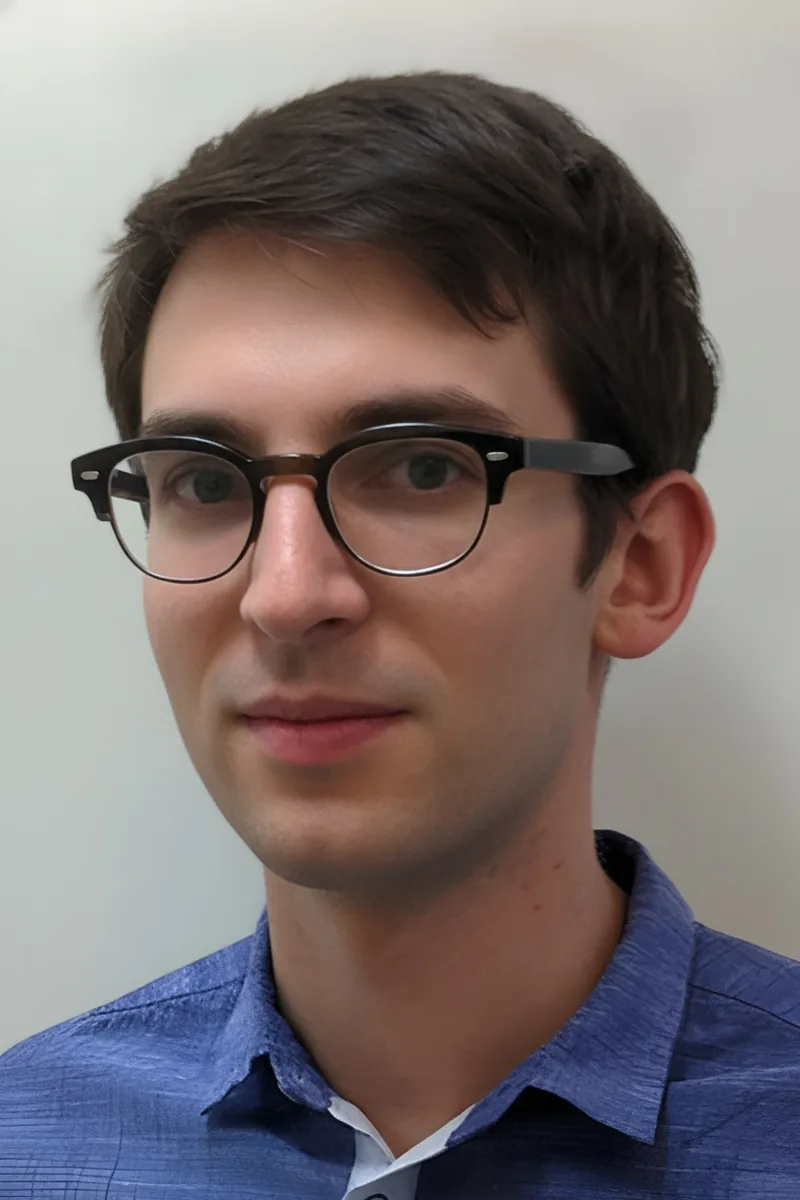
Speaking German fluently is different from knowing German grammar on paper, and Jacob understands both sides. His M.A. from UC Berkeley and his love of travel give him real-world conversational range, and he builds students' spoken confidence through situational practice — ordering at a restaurant, navigating a train station, debating a topic — so the language feels usable, not academic.
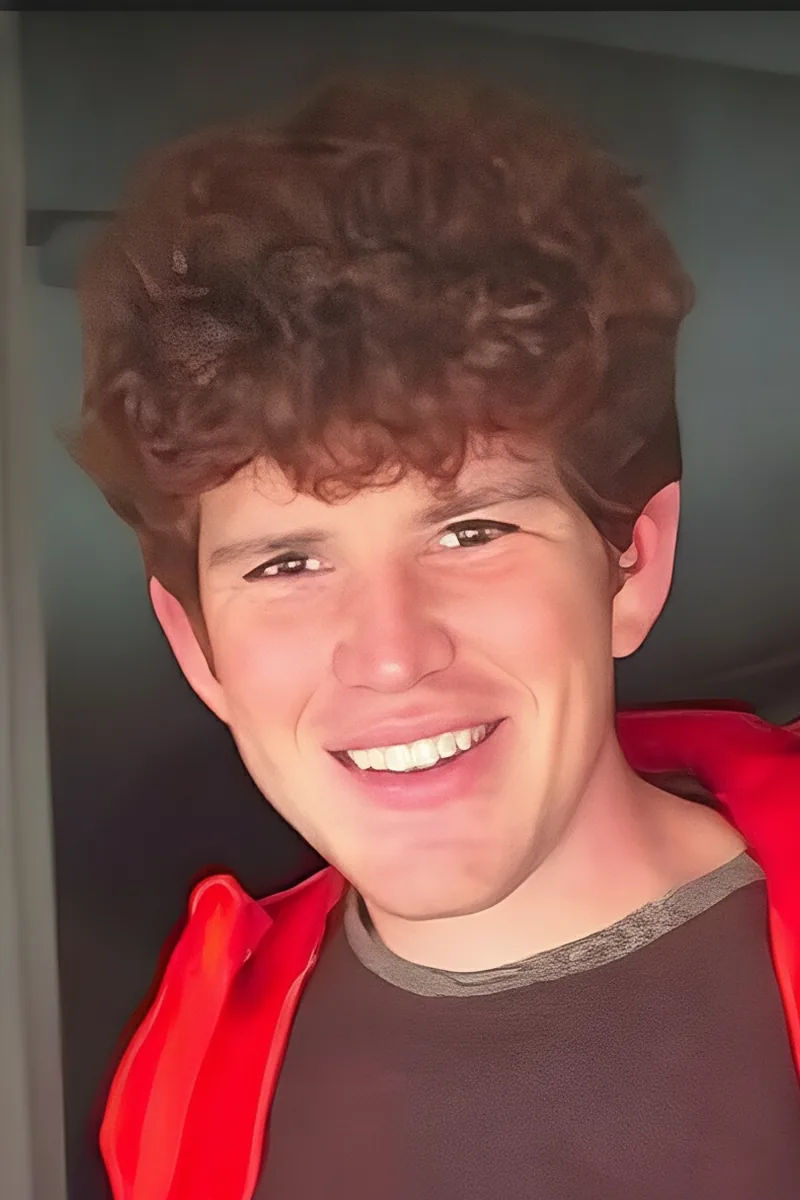
Living in Germany for a year on a government-funded scholarship, Clive had no choice but to think and speak in German every day — ordering food, debating politics, cracking jokes. That immersion shapes how he teaches conversation: building comfort with natural phrasing, filler words, and the informal register that textbooks rarely cover.
While German isn't Eric's primary academic focus, his experience learning and communicating across disciplines gives him a structured approach to conversational practice. He emphasizes building everyday vocabulary and sentence patterns so students gain the confidence to hold real conversations rather than just translate exercises.
Getting comfortable speaking German requires more than memorizing phrases — it means internalizing word order, case endings, and verb placement until they feel natural in real time. William's linguistics training at Yale gives him insight into how language production actually works in the brain, and he uses that to design conversational practice that targets the specific patterns holding a student back.
Speaking German fluently means getting comfortable with imperfect sentences — something most classroom settings don't allow enough room for. Alice creates low-pressure conversations where students practice everyday scenarios like ordering food, giving directions, or describing their weekend, building the kind of reflexive vocabulary that textbooks alone can't provide.
Speaking German fluently means thinking in German, not mentally translating from English mid-sentence. Eliza, who studied the language extensively at Penn, structures conversational practice around real scenarios — ordering food, asking for directions, debating opinions — so that vocabulary and grammar come alive in context rather than sitting idle on a flashcard.
Living and studying in Berlin gave Willow the kind of spoken fluency that a textbook alone can't provide — she knows how Germans actually order coffee, navigate small talk, and express opinions in casual settings. She teaches conversational strategies like filler words, informal register, and the rhythms of everyday dialogue that make a speaker sound natural rather than rehearsed. Her UCLA honors in German Studies back up that fluency with solid grammatical knowledge when questions come up.
Spending time at a Max Planck Institute in Germany forced Sabrina to use German in real professional and everyday settings — ordering food, navigating bureaucracy, discussing research. She brings that practical fluency to conversational lessons, building vocabulary and confidence around situations students will actually encounter.
Building conversational fluency in German requires more than memorizing phrases — it means thinking in the language, responding naturally, and gaining confidence with everyday topics. Katherine developed her spoken German during years of study at Boston College and brings that practical comfort to dialogue practice, pronunciation, and real-world scenarios like ordering food or navigating directions.
Speaking German fluently is a different challenge than passing a grammar test — it requires thinking in the language rather than mentally translating from English. Nivedina builds conversational confidence by practicing real dialogue scenarios, from ordering food to debating opinions, while correcting pronunciation and word order in real time. She keeps sessions relaxed enough that students stop being afraid to make mistakes out loud.
Speaking German fluently requires getting comfortable with mistakes, and Amber creates low-pressure conversations that build confidence one exchange at a time. As a German major at Northwestern, she spent years in immersive speaking environments and knows how to nudge students past the awkward phase where they translate every sentence from English in their head. Sessions typically center on real scenarios — ordering food, asking directions, discussing hobbies — so vocabulary sticks naturally.
Speaking German fluently requires internalizing patterns — when to use dative versus accusative, how separable verbs behave in real conversation, why word order shifts in subordinate clauses. Zachary doesn't just explain these rules; he drills them through actual dialogue so students start producing correct German instinctively. His years living inside the language at the doctoral level at Harvard mean his conversational German is as natural as his academic German.
Actually speaking German — not just passing a grammar quiz — requires comfort with word order that feels backwards, separable verbs that split apart mid-sentence, and a case system that changes articles on the fly. Nicole takes a linguist's approach to conversational practice, building fluency by making those structural patterns automatic rather than something a student has to consciously decode every time. She teaches across all levels of German and keeps her own multilingual skills active through regular use.
Speaking German fluently means internalizing patterns — knowing instinctively that it's 'mit dem Hund' and not stopping to diagram the dative case mid-sentence. Jay, who minored in German at Penn State, builds conversational confidence by pairing real-world dialogue practice with the grammar scaffolding students need to move beyond rehearsed phrases into spontaneous, natural speech.
Speaking German fluently means internalizing patterns that textbooks tend to overcomplicate — when to use "doch" versus "ja," how word order shifts in casual speech, why certain phrases sound natural and others sound like a translated English sentence. Niko's fluency and linguistic training let him pinpoint the specific habits that make a learner sound more like a native speaker. He keeps conversations practical, building vocabulary and idioms around topics the student actually wants to talk about.
Regular participation in a German-language social program at UGA means Hailey practices the kind of spontaneous, real-world conversation that textbooks can't replicate. She brings that into sessions by building dialogue around everyday scenarios — ordering food, debating opinions, telling stories — so students gain confidence speaking before they worry about perfecting every case ending.
Learning to speak German fluently means getting comfortable with case endings, separable verbs, and gendered nouns in real time — not just on a worksheet. Dorthea's background in multiple European languages and cultural studies gives her a practical ear for how conversational German actually sounds, and she builds sessions around everyday scenarios like ordering food, debating opinions, and navigating small talk.
Speaking German fluently and holding a degree in German Studies, Jhanelle treats conversational practice as more than vocabulary drills — she builds sessions around real-world scenarios like ordering at a Bäckerei, navigating public transit, or debating current events. Students pick up natural phrasing, colloquial expressions, and the kind of confident pronunciation that textbook exercises alone can't teach. Rated 5.0 by students.
German isn't just a language Nicholas studied — it's one he speaks. He tackles conversational fluency by building comfort with everyday sentence structures, verb placement, and the case system quirks that trip up English speakers, so students can hold real conversations instead of just translating in their heads.
Getting comfortable speaking German means moving past the fear of making mistakes with word order or case endings in real time. Natalie eases that pressure by building conversations around topics students actually care about — films, travel, food — while gently correcting grammar as it comes up. It's a practical, low-stakes approach that builds fluency naturally.
Getting comfortable speaking German out loud requires more than grammar drills — it means learning filler words, practicing natural responses, and building the confidence to stumble through a sentence without freezing. Morgan structures conversational sessions around everyday scenarios like ordering food, giving directions, or describing plans, then layers in corrections so students improve without losing momentum.
Actually living inside a language's literature changes how you teach conversation — Megan's doctoral immersion in German texts at Princeton gives her an ear for idiom, register, and the subtle differences between textbook German and how people actually speak. She builds conversational fluency around real scenarios: ordering in a restaurant, navigating a train station, or debating a topic in a university seminar. Students practice producing German from the first session, not just recognizing it.
Dan's graduate work in Comparative Literature required deep engagement with German-language texts, and that immersion translates directly into conversational fluency — from everyday small talk and ordering at a café to discussing current events and navigating idiomatic expressions. He builds sessions around real dialogue rather than rote drills, so students get comfortable thinking and responding in German naturally.
Speaking German fluently requires getting comfortable with the language's rhythm — the verb-final constructions, the gendered articles that native speakers barely think about. Evan pairs his academic German Studies background with a conversational approach, building sessions around real scenarios like ordering food, debating opinions, or narrating daily routines so that grammar becomes instinct rather than translation.
Speaking German out loud is a completely different skill from conjugating verbs on a worksheet, and Rachel treats it that way. She builds conversational confidence through real dialogue — everyday scenarios like ordering food, asking directions, or debating opinions — so students internalize vocabulary and sentence patterns naturally. Her multi-language background means she understands the mental shift it takes to stop translating in your head and start thinking in German.
Textbook German and spoken German are almost different languages — real conversations demand filler words, informal register, and the confidence to keep talking through mistakes. John builds that fluency through structured dialogue practice, coaching students on natural phrasing, pronunciation, and how to navigate everyday scenarios like ordering food or making small talk.
Conversational fluency in German stalls when learners overthink every der/die/das or freeze before a Nebensatz. Jamie's sessions are built around immersive, story-driven content that keeps students engaged and producing language without the anxiety of constant error correction. Over time, word order and case endings start coming automatically — the way they do for native speakers who never memorized a declension chart.
Getting comfortable speaking German means moving past the fear of choosing the wrong article or mangling a dative preposition. Joshua builds conversational confidence by running through real scenarios — ordering food, asking directions, debating opinions — and correcting grammar naturally within the flow of dialogue rather than in isolation.
Speaking German fluently is a different skill than acing a grammar worksheet — it requires thinking in the language, not translating in your head first. Susie builds conversational practice around real scenarios like ordering food, debating opinions, or describing daily routines, gradually increasing complexity as confidence grows. Her goal is to get students comfortable enough that Konjunktiv II and word order feel automatic, not rehearsed.
Getting past the "translate in your head first" habit is the hardest part of becoming conversational in German, and Kristina's approach builds fluency through real dialogue — ordering at a restaurant, navigating directions, debating opinions. She teaches students to think in common phrase clusters so responses come naturally instead of word-by-word.
Actually speaking German means moving past textbook dialogues into real fluency — handling word order on the fly, choosing the right register, and thinking in the language instead of translating from English. Ardis, who teaches multiple levels of German, emphasizes the practical vocabulary and sentence patterns that keep conversations flowing naturally in everyday situations.
Getting past the awkward silence in a German conversation usually comes down to having a few reliable sentence structures ready to go — and the confidence to use them imperfectly. Stephen builds that confidence by running through real scenarios like ordering at a Bäckerei or debating weekend plans, layering in vocabulary and idioms as students get comfortable.
I am a current senior at Davidson College, working towards my B.A. in German Studies and Arab Studies. I have spent many hours tutoring the German and Arabic language to college students. I have spent time abroad in Germany, studying German as a second language with AATG (American Association of Teachers of German). My years of being a camp counselor and babysitter have translated into my teaching methods and style. I encourage young learners to approach problems in multiple ways by retesting previously learned material and encouraging independent thinking. I am a huge believer in discovering answers instead of being told them. I look forward to working with you!
Conversational fluency in German means getting comfortable with the shortcuts native speakers actually use — contractions like "hab'" for "habe," modal particles like "doch" and "mal," and the informal register that textbooks rarely teach well. Thomas majored in German at the university level and structures conversation practice around real scenarios, from ordering at a Biergarten to navigating a phone call with a landlord.
Getting comfortable speaking German out loud is a different skill than conjugating verbs on a worksheet, and Cornelia treats it that way. She builds conversational fluency through scenario-based practice — ordering at a Konditorei, debating opinions, describing everyday routines — so students develop the confidence to think in German instead of translating from English in their heads.
Building conversational confidence in German means getting comfortable with word order that feels backwards, case endings that change mid-sentence, and separable verbs that split apart unexpectedly. Kelsey's advanced German coursework gives her the fluency to run natural dialogue practice while explaining the grammar behind what students are actually saying.
Speaking German fluently requires getting comfortable with mistakes — stumbling through word order, blanking on der/die/das, and slowly building the confidence to think in the language instead of translating in your head. Anuj uses his psychology background to create low-pressure conversation practice where students build real speaking habits. His CLEP German experience gives him the grammatical foundation to correct errors on the fly without derailing the flow of conversation.
Living in Berlin for six months through a full-immersion program, Daniel learned conversational German the way it actually clicks — by needing it daily for everything from ordering coffee to debating politics. He brings that real-world fluency to sessions, emphasizing natural sentence construction, everyday vocabulary, and the confidence to speak without mentally translating from English first.
Speaking German fluently is different from conjugating verbs on a worksheet, and Jonas treats conversational practice accordingly. Sessions emphasize real exchanges — responding to questions naturally, narrating daily routines, expressing opinions — so that grammar becomes automatic instead of something a student has to consciously assemble mid-sentence. His literary background also means he can introduce authentic German media and texts that make conversation practice more interesting than scripted dialogues.
Studying German at the university level gave Noah fluency that extends into everyday conversation, idiomatic expressions, and cultural context that textbooks often skip. He structures conversational practice around real scenarios — ordering at a restaurant, navigating a train station, debating a topic — so students build confidence speaking rather than just translating in their heads.
Testimonials
Because the right Conversational German tutor makes all the difference.
Average Session Rating – Based on 3.4M Learner Ratings
Top 20 Languages Subjects


Top 20 Subjects
Frequently Asked Questions
In a traditional classroom, students often get limited speaking time. With personalized 1-on-1 instruction, you practice conversation in every session—responding to questions, discussing topics, and receiving real-time feedback on pronunciation and natural phrasing. A tutor can adjust the pace and complexity to match your level, whether you're working on basic greetings or complex discussions about culture and current events. This consistent, active speaking practice is essential for developing the confidence and muscle memory needed for real-world German conversations.
The most effective approach combines both. Understanding grammar rules like verb conjugation and case systems gives you the foundation to construct sentences correctly, but native speakers often use contracted forms, colloquialisms, and patterns that don't follow textbook rules. A tutor helps you learn the grammar structure while also teaching you how Germans actually speak—when to use informal "du" versus formal "Sie," common expressions that natives use, and how to sound natural rather than robotic. This balance ensures you can both understand the language's logic and communicate authentically.
German learners commonly struggle with verb conjugation (especially in different tenses and cases), maintaining vocabulary retention over time, and distinguishing between similar sounds like "ö" and "ü." Many also find the four-case system (nominative, accusative, dative, genitive) confusing when it affects articles and adjectives. Additionally, learners often get stuck translating word-for-word instead of thinking in German, which slows down conversation. A tutor can target these specific pain points with strategies like spaced repetition for vocabulary, drilling conjugation patterns in context, and building your confidence to think and respond in German without mentally translating first.
Yes. German has specific pronunciation rules that differ from English—like the guttural "ch" sound, the distinction between long and short vowels, and stress patterns that affect meaning. A tutor can model correct pronunciation in real time, listen to your speech, and give immediate corrections so you can adjust your mouth position and breathing. They can also explain which sounds are most important for clarity (like the "r" sound) versus which variations are less critical. Regular practice with feedback accelerates improvement far more than listening to recordings alone, since you get personalized guidance on your specific accent patterns.
Cultural context is crucial for authentic conversation. German-speaking cultures have specific communication styles—directness is valued, formality matters in professional settings, and understanding regional differences (between Germany, Austria, and Switzerland) helps you navigate conversations appropriately. A tutor can teach you not just the words but the context: when to use formal greetings, how to navigate small talk in German culture, and idioms that don't translate literally but are essential to sounding natural. This cultural fluency prevents awkward misunderstandings and helps you communicate with genuine confidence, not just grammatical correctness.
Beginners focus on foundational building blocks: essential vocabulary, basic verb conjugation, and simple conversational patterns like introductions and everyday questions. A tutor scaffolds these fundamentals with lots of repetition and encouragement. Advanced learners work on nuanced expression—debating complex topics, understanding regional dialects, using subjunctive mood correctly, and developing the speed and spontaneity of natural conversation. They also tackle idiomatic expressions and cultural references that native speakers use. Regardless of level, a tutor personalizes the pace and content, so you're always challenged but not overwhelmed.
Listening comprehension improves through exposure to varied speech patterns—different accents, speeds, and contexts. A tutor can speak at your level while gradually introducing faster, more natural speech patterns. They can also explain what you're hearing (like contractions, dropped syllables, or regional pronunciation) so you understand why native speech sounds different from textbook German. Beyond tutoring sessions, your tutor might recommend podcasts, films, or news sources matched to your level, and you can bring questions about what you don't understand. This combination of guided listening practice with a tutor plus independent exposure builds the ear training needed for real-world comprehension.
Passive vocabulary (words you recognize) is easier than active vocabulary (words you use in speech), so conversation-focused learning requires deliberate practice. A tutor helps you learn vocabulary in context rather than isolated lists—discussing a topic, using new words repeatedly in sentences, and connecting words to situations where you'd actually use them. Spaced repetition (reviewing words at increasing intervals) is proven effective, and a tutor can structure this into your learning. They also help you organize vocabulary by themes relevant to your interests—travel, work, hobbies—so you're learning words you'll actually need and want to use in conversation.
Let’s find your perfect tutor
Answer a few quick questions. We’ll recommend the right plan and match you with a top 5% tutor.