Award-Winning Tutors
serving Fairfield, CA
Tutors in
Fairfield, CA
Private 1-on-1 tutoring, weekly live classes for academic support, test prep & enrichment, practice tests and diagnostics, and more to elevate grades and test scores.
Based on 3.4M Learner Ratings
UniversitiesSchools & Universities
DeliveredHours Delivered
ProficiencyGrowth in Proficiency
Who needs tutoring?
No obligation. Takes ~1 minute.
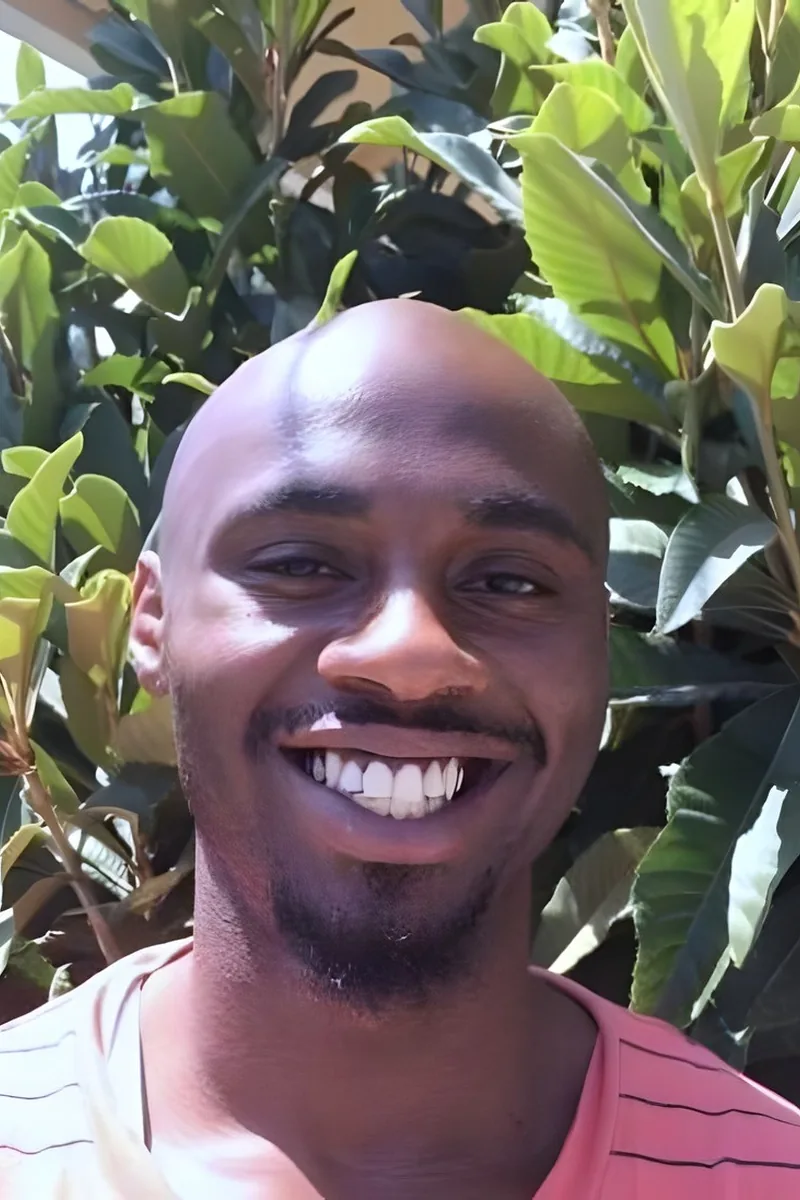
I'm a recent graduate of the California Institute of Technology in Economics and Computer Science. I was also accepted at Harvard, Princeton, MIT, and Stanford. I have a broad range of interests spanning science, math, engineering, social science, the humanities, the arts, and athletics (I also played on the Caltech basketball team). My background allows me to tutor general college prep, especially the SAT, ACT and the GRE. I love to teach analytical thinking, ranging from advanced Math and Physics to strategies for understanding literature and developing arguments.
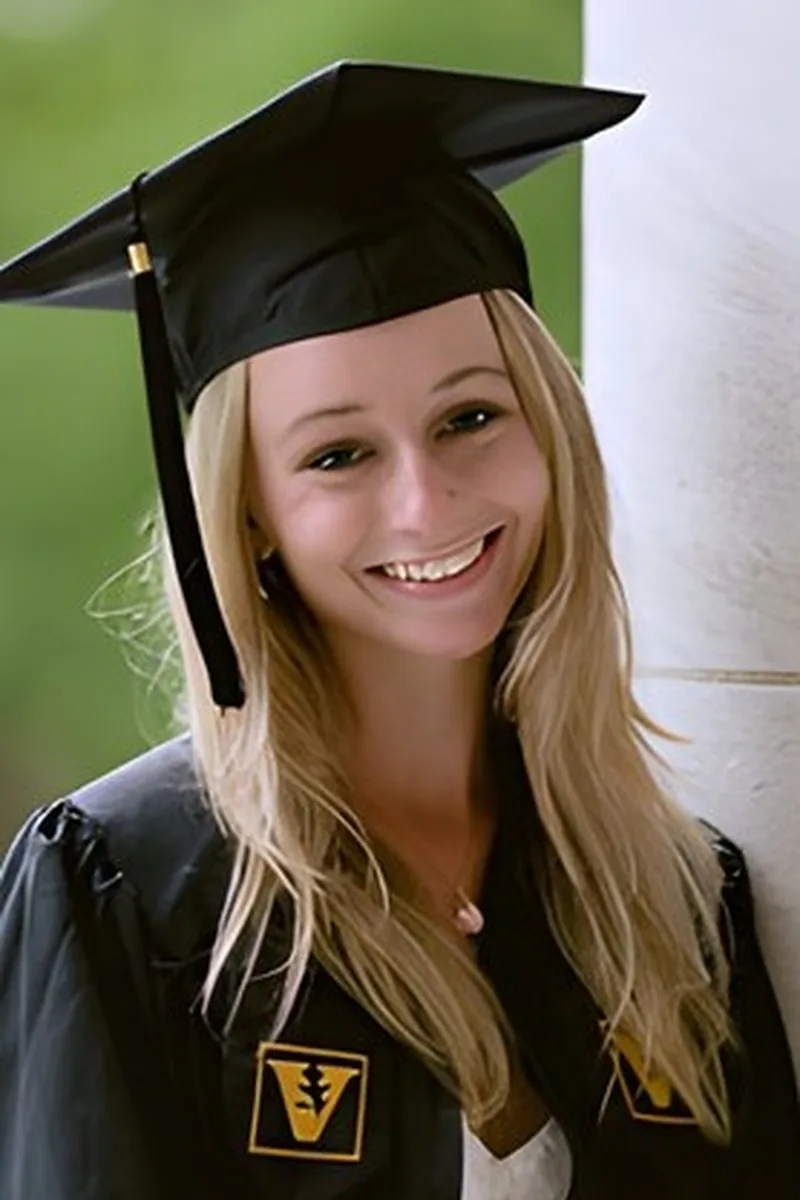
I am a sophomore at Vanderbilt University and have been tutoring since I was a freshman in high school. I love working with elementary and middle school students, but also have the knowledge and skills to tutor high school students in AP classes and standardized tests. I scored a 35 on my ACT (36 math, 35 english, 35 science, 33 reading), a 770 on the Math II SAT subject test and a 780 on the Chemistry SAT subject test. In high school, I took AP Calculus BC, AP Chemistry, AP Physics C, AP Microeconomics, AP Macroeconomics, and Multivariable Calculus, and scored a 5 on every AP exam. In addition to specific subject matter, I am highly knowledgable on the college process and know how to strategize to get into your dream school!
I am a recent graduate of Harvard University, where I received my Bachelor of Arts in English Literature with an emphasis on screenwriting. Although I love literature and writing, I am most passionate about tutoring math. I have five years of experience as a math tutor, during which time I helped students ages 3-17 with math ranging from basic arithmetic to pre-calculus. My favorite math topic is algebra, particularly because of its usefulness in solving real-world word problems. In addition to mathematics, I find joy in teaching/elucidating Shakespeare to high-school students. As a classically trained actor, I find it fun to tackle Shakespeare’s dense texts from a performance and character-driven perspective. In my spare time, I enjoy vegan baking and roller-blading.
I am hoping to start law school next fall. Before I lose another three years of my life to academia, I hope to spend the time I have now to help students get the grades and marks they need to reach the schools of their dreams. I've been on the "treadmill" and I know how brutal the educational arena can be. Thus, I find great satisfaction in being able to help people who were in similar situations as myself. I have extensive experience in tutoring from two previous positions in which I taught in both a classroom setting and a one-on-one setting. Regarding the subjects I have taught- I am familiar with math all the way up to Algebra 2 (including SAT Math), I have helped many students prepare for the SAT and ACT, I am very familiar with the LSAT, and I can assist students with Literature and Writing as well. In my experience with tutoring, I have found that students can often learn best when the instruction is tailored to their needs. Each student has unique strengths and weaknesses, and I enjoy the challenge of figuring out how to play on those strengths and weaknesses in order to bring out the best performance from the student. Although law is still my passion, I've found that I truly enjoy teaching; the friendships I've developed and the lessons I've learned are invaluable, and within this next year, I hope to help as many students as possible. Outside of teaching, I like watching a good UFC fight now and then, and I am shamelessly addicted to the NBA and all its glory. I have an insatiable appetite for good music, films, art, and of course, food, and I love experiencing and learning about different cultures, religions, and views. Lastly, I think the cheeseburger is the greatest invention man has ever made, and I am forever in pursuit of the best burger in L.A.
I am starting graduate school this fall. My experiences as a student and scientist help me explain concepts and work through problems in a clear and engaging manner. I love teaching, and strive to make each personalized lesson enjoyable and productive. In addition to math and science, I can teach the skills and strategies students need to reach their goals on the ACT, GRE, or AP tests. I also enjoy working with elementary age students to increase reading and math proficiencies.
I am currently a Junior at UCSB working towards a degree in Bio-psychology, following the Pre-Medical route! I have tutored both formally during high school and informally during my college years. I am comfortable teaching all ages and those who are eager to learn. I love tutoring in a more conversational matter and talking through problems rather than lecture and repeat. Each student has a different way they like to learn, so I adapt those ways and use it to the student's advantage. I love having the student be able to teach me the information we covered at the end of each session - if you can teach it, you have learned it! I am currently tutoring Middle school math, Algebra, Pre-Calculus, Biology, Chemistry, ACT Science, and writing college essays/editing papers. Although I love teaching the logistics of the sciences, especially in ACT format, I find passion in helping students perfect their writing skills and develop strong, academic papers. Outside of school, I love playing sports such as volleyball, track, basketball, and baseball as well as going on hiking trips and adventures. I am a huge traveler, love reading new books, and love meeting new people. Besides helping students learn, I want the student to have fun, enjoy the tutoring session, and actually find a love for the subject they are studying. I used to hate reading and now it is one of my favorite things to do! Let's learn!
I'm Katrina--a recent transplant to LA and also a recent grad of Yale University! Reading and writing have been integral to my life over the past few years as a Film and Media Studies and Sociology double major. I believe that crafting text can be a fun hobby and a very useful skill. Yet, it can often be challenging. I know what it is like to need help with schoolwork, and I know what it is like to provide that help for others. I believe that with patience and effort, we can solve any problem!
I am a junior studying Writing for Screen and Television at the University of Southern California's School of Cinematic Arts. For the past two spring semesters I worked as a CollegeSpring Mentor, tutoring Green Dot Charter high school juniors for the SAT and teaching them predatory skills for college. In addition to my experience tutoring for the SAT, as a screenwriting major I most enjoy teaching my favorite subject, English. I love showing students the power language endows upon them to communicate their ideas and beliefs with others. I believe every student deserves the chance to succeed and to try to capitalize on their strengths while encouraging them to improve in areas they may traditionally find challenging. Endowing a student with confidence in themselves through patience and support is the best way not only to improve academic performance, but also transform them into lifelong learners. I try to share not only my passion for knowledge with students, but also my love of sports (football, baseball, and softball), action films, and global affairs. Seeing students not only improve academically but also show improved confidence and happiness is the most rewarding part of my job.
I am one of many Varsity Tutors. I attended Jesuit High School in Carmichael, CA where I graduated with a 4.3 GPA taking multiple AP and honors courses (AP Bio, Chem, Physics B, Gov, Macroeconomics, Microeconomics, English Lit, and English Lang). I also participated in several tutoring organizations throughout high school.
I am a UCLA Bioengineer. I am a well qualified tutor and have had many years of experience in both paid and unpaid roles from 6th grade to 12 grade to present. I have always excelled in academics, math, writing, and english and have scored well on all standardized tests and state tests. I have scored 800/800 in SAT 1 math, SAT 2 math. I have scored 760/800 in SAT writing. I received scores of 5/5 in AP Calculus AB and BC and have taken numerous other APs, passing the APs in Physics, Biology, Literature, Language and Composition, Environmental Science, Economics, US history, and Chemistry. I was the President of my high school's only tutoring club and only math club, Infinity Math Club, where I dedicated my time tutoring struggling students in all math levels. I was a tutor in my high school's RAMS program for all academic subjects. I love working with students and love to see them succeed in subjects that they once struggled in.
I am interested in becoming involved in educational policy at the national level later on in my life. Teaching is a joy that has always rivaled the happiness I receive from reading a great poem or communicating in another language. English and French literature are the two great passions of my life, and it is when I'm teaching that I feel most like I am doing meaningful and rewarding work. When I'm not reading poetry or practicing my French, I like boogie-boarding (a recently acquired skill), hiking, baking (often French desserts), and knitting.
I am currently working toward a MD at Loma Linda University. My tutoring experience includes mentoring Christian college students during a 2 year post-graduate program, helping primary school kids with homework in an after-school program, and tutoring my high school sister in various subjects. I enjoy tutoring subjects like English, Writing, Critical Reading, Math, and Science. My favorite subject to tutor is writing because I enjoy helping my students come up with ideas and synthesize them in an essay. In my tutoring sessions, I like to encourage my students to find their own solutions to problems, because I believe that the best learning results from self-discovery. My role as a tutor is that of a guide, one that leads the student on the right path to find the answer. I hope to not only impart understanding of the subject material, but also an appreciation for the subject to all my students. Outside of academics, my hobbies include going to church gatherings, running, and singing.
I am a graduate from the Northwestern University School of Law and am in my fifth year of practicing law in California. I am originally from the Los Angeles area and attended UCLA for my undergraduate degree in political science. Since graduating law school, I worked at both a major law firm and a small law firm until I was appointed as an attorney for a federal judge (a.k.a. “law clerk” position). I primarily tutor clients for LSAT preparation. I scored in the 99th percentile when I took the LSAT exam, and have since refined my strategies that are crucial to a successful LSAT score. My ultimate goal is that my students will score even higher than I scored, and I look forward to observing the progress and success of each of my clients. In my free time, I like to spend time outdoors playing tennis, jogging, hiking, and meeting with friends. I also love to travel and appreciate the uniqueness that each city--much like each person--has to offer. I feel my easy going nature and curiosity for life will rub off on my clients, and possibly even help them enjoy the sometimes daunting experience of taking the LSAT.
I am committed to providing my students with the best learning experience achievable. I strive to cater to their needs and challenge them to achieve their academic goals.
I am most passionate about English, History, Math, and the SAT. I am fascinated by the SAT. I love teaching struggling test takers how to view the SAT as an approachable, accessible set of riddles and games instead of as an intellectual brick wall. I firmly believe that the majority of people can find great joy in academics once they discover the individual approach that works for them. I see it as my job to help them find that path. In my free time, I enjoy hiking, rock climbing, running, travel, and reading. I am also a section editor for the Los Angeles Review of Books and the literary manager for two theater companies based in New York and Los Angeles.
I am a graduate from the University of California, Los Angeles (UCLA). I received my Bachelor of Science in Psychobiology with a minor in Geography and Environmental Studies. Throughout college I developed the ability to effectively communicate to a variety of demographics while simultaneously garnering skills in time management, course preparatory techniques, and teaching. Since graduating, I have been working with teens as a Health Educator at multiple high schools throughout Los Angeles. While I am capable of tutoring on a variety of subjects, my interest in practicing medicine bolsters my passion for tutoring in the sciences. I truly believe that creating a strong foundation during high school will ensure a smooth and successful transition into college. In my spare time, I enjoy finding alternative methods for enriching my health such as exercise, running, cycling, swimming, and researching new healthy recipes.
I'm now a first year fellow studying Policy Analysis at the Pardee RAND Graduate School.
I'm on your wavelength. In college I was a classroom volunteer tutor for the Preuss Charter School in San Diego, and I've been working for nearly two years now as a professional tutor, and have thorough experience with a range of subjects and standardized test formats. I also write pop culture articles on the side, and aspire to be a college professor of literature; consequently, I most enjoy teaching English and composition, and pride myself on being able to break down essay-writing to its most fundamental, obvious-as-peanuts basics. When I am not saving children from the abyss of school-related anxiety, I indulge in film photography, kung fu movies, and guitar.
I am currently attending UCLA School of Dentistry. I have spent a big chunk of my life tutoring. I had 600 hours of volunteer experience tutoring 5th graders in language. I also was the Tutoring Head of the Science National Honor Society in high school and spent every week tutoring high school level biology and chemistry. I spent one summer working at Kumon tutoring children in basic math and reading. In college, I spent two years tutoring adults to pass their GED. I was also an Undergraduate Teaching Assistant (UTA) for a development and physiology biology class, as well as a Peer Tutor for other intro level biology classes. If you chose me as your tutor, I look forward to working with you and helping you be the best student you can be!
I'm Jerome and I hope I can help in your academic journey. As someone who's received tutoring before, I hope I can help students, not only learn the subject matter, but the study and thinking skills to succeed academically. By learning the skills, you can gain the confidence to pursue other endeavors. Don't give up. Ask for help. We'll succeed together.
I'm a future medical school student (matriculating fall 2017) and Stanford undergraduate alum with a passion for learning and teaching about the human brain, behavior and body. I'm excited to work with others who are looking to do the same!
I'm a nerd (fantasy and science fiction) from way back, as well as a space nut. I'm a little quirky, and I make bad puns sometimes - but nobody's perfect!
I am a graduate of Duke University with a degree in Health Policy and Education Policy. While at Duke University I was a student athlete, participated in the leadership of several clubs and service groups; as well as, working as a Math and Reading tutor. After graduation I spent a year pursing a business venture allotted to me through the Elevator Pitch Competition, my senior year of college, which I won in my category - Non-Profits. After that year, I joined the Teach for America Fellowship, where I fell in love with teaching. The Teach for America Fellowship is 2 years; however, after my first year due to the recognition and growth in my classroom I was invited to start a school. I spent 2 years at that school prior to getting married and moving to California, a few months ago, with my amazing, aerospace loving, husband.
I am a graduate of the University of California, Los Angeles. I received my Bachelor of Arts in International Development Studies with a focus on the Middle East and North Africa. I also completed a minor in Public Health during my undergraduate career. Upon my graduation from UCLA in June 2013, I received both Latin Honors (cum laude) and a nomination to the Phi Beta Kappa (P.B.K.) National Society. I have recently been accepted to medical school and plan to attend in August 2014. I have experience teaching in middle school and high school settings abroad in both the Philippines and Honduras. I have also tutored family and friends in the sciences throughout my college career. I am intelligent, articulate, patient, and motivating, which I believe allows me to be a successful tutor. I have extensive experience working with children and am determined to make sure my students not only excel in their classes, but also learn the material well and develop an aptitude for academia. I believe education is the gateway to success and feel committed to help prepare my students for their future. In my spare time, I enjoy reading, traveling, running, and hiking with my dog.
I am not working, I am usually swing dancing! I also spend my time reading, crocheting, and taking selfies with my cat.
I am a graduate of Loyola Marymount University. I received my Bachelor of Science in Biology and played four years of Division 1 soccer. I will be attending medical school in Fall 2019 at Creighton University. With 7 years of tutoring under my belt, 4 of which included working as a peer tutor for LMU Athletics, I have developed a strong passion for assisting others inside and out of the classroom to reach successful academic goals. I believe having a strong foundation in education is important for future success in our careers and relationships. As a STEM major, I have focused on tutoring in math and sciences as I enjoy working through problems with my students in an engaging manner and finding which methods work for them. Along with tutoring, I am a licensed EMT and perform clinical oncology research for UCLA. In my spare time, I enjoy running, working out, reading, and playing soccer.
I am graduate of Cornell University with a B.S. in Hotel Administration. Currently, I am a Masters student at the University of Southern California at the Rossier School of Education. Since graduating from Cornell, I have worked as a tutor and teacher's assistant with a focus in English, Spanish, French, and Algebra 1. I have worked with students of all ages and backgrounds from elementary education to adults improving business writing or learning Spanish from scratch. I have a passion for language and enjoy sharing that passion with others. My favorite subject to tutor is Spanish because I know that learning a new language can be daunting, and I like helping students overcome that feeling. I hold my students to high standards and ensure that I work to give them the support and guidance they need to achieve those standards. I am patient and will employ a variety of strategies to ensure my students relate to and understand the material we are working on. When I am not tutoring, I love dancing, hiking with my dog, and exercising my creativity.
I am able to tutor in a wide range of subjects and am passionate about helping students succeeding. I've never been that student who 'got things' right away, but I learned how to work hard and ask for help when I needed it. I hope to pass this on to my students.
I am a 2018 graduate of University of California Santa Barbara, with a B.S. degree in Biological Sciences through the Honors Program. I consider education to be tremendously important not just during development, but also throughout life. I believe it's critical to establish the right attitude toward learning; a feat that once accomplished can improve a student's long-term output in school. Education is an integral part of my career choice: I aspire to become a physician, a career intertwined with knowledge and education. However, teaching and learning are present in every career, and every part of life for that matter.
I am a 4th year Mechanical Engineering Major at UC Irvine. I have taken every core math, physics, and engineering course within mechanical engineering. In the past I have tutored pre algebra, algebra, and calculus. Throughout my university experience, I excelled in math in particular.
I'm a New York transplant to LA, and a freelance composer and musician by nature. I am an artist and a teacher-- these are my two passions! I'm also a translator, linguistics nerd, avid reader, and fabulous teacher. I went to NYU and studied Linguistics, and am continuing my studies for an Applied Linguistics Masters here in California.
I am focused on improving fundamental study skills through a practical, hands-on approach. This includes imbedding real-world applications into every lesson to inspire students and spark their latent curiosity. I received a Bachelor of Arts degree from Harvard in 2018 and currently live in Los Angeles, CA.
I am willing to invest the amount of time needed to polishing developing writers and students so that they come away with more than just a corrected essay or some more grammar knowledge; I am seeking to help them hear their own voice in their writing and bring that with them to the next step in their careers.
I am a recent graduate of the University of Virginia living in Los Angeles. While at UVA, I earned a 3.95 GPA and graduated my major program with Highest Distinction. I have eight years of tutoring experience (including starting my own tutoring program) and have worked with students of all ages. I'm looking forward to helping people with their studies in any way I can.
I am a student at the University of Southern California, pursuing my Master's Degree in Geographical Information Science and Technology (GIST). I received a my Bachelor's Degree in Earth Sciences from USC in May of 2015. Education has always been an important part of my life and I love learning new things and helping others learn. I am passionate about the subjects that I tutor and I enjoy passing my enthusiasm for learning on to my students. In my spare time, I enjoy reading, hiking, camping, being outdoors, traveling, and doing yoga. My future goals include completing my graduate degree by August 2016 and becoming a GIS Analyst working in the environmental field.
I am most interested in tutoring math (middle school, high school, SAT/ACT, GRE, AP Statistics) for many reasons. My affinity for math dates back to my childhood - I've always been intrigued by it. Because of this interest, I participated in various math competitions and excelled in classes and on standardized tests. I wanted to share my passion with others and so started tutoring peers as early as middle school. Although I graduated from Rice with a BA in Psychology, my time with math did not end there. I took Differential Equations and various statistics courses as electives (for fun)!
I am a student at UCLA entering my junior year. I am majoring in English, and I hope to pursue a career in law after schooling. I have experience in journalism and editing, so I am here to help students who need guidance with the structure and grammar of their writing. I can tutor anything from elementary school English to lower division college courses, and am willing to help in every way that I can!
I am currently a doctoral student at the University of Southern California, and I completed earlier degrees at the Juilliard School in New York and at La Sierra University in Riverside, CA. At La Sierra as an undergrad, I received dual degrees with honors in violin and mathematics, both of which have led me to teaching opportunities. In tutoring either field, I enjoy the constant adaptation of finding an approach suited to each student that will help them achieve their goals. Both mathematics and music are often considered to be innate talents, but being able to assist students of any background in gaining proficiency is an exciting opportunity for me and a fulfilling one when it happens. Beyond mathematics, I also welcome tutoring opportunities in Chemistry and especially Physics, with it's mathematical foundation.
I am a UCLA graduate with a Bachelor of Arts in Linguistic and Biological Anthropology. During college, I tutored undergraduates one-on-one in writing and the academic research process. In addition, I worked with small groups of international students on their speaking, reading, and writing skills as they transitioned into American college level work. In particular, I enjoy tutoring English literature and composition. Although, there are no subjects that I dislike tutoring. Because my experience tutoring college students has given me insight into some of the difficulties of transitioning into more rigorous college level work, my goal is to help middle school and high school students develop the skills they need to be prepared for the next step in their education. In addition to tutoring the details of the particular subject, I feel it is important to help students learn how to think critically and gain confidence in their academic abilities. It is a pleasure for me to contribute to that process of learning. In addition to education, I am passionate about photography and theater, as well as nutrition and fitness.
Testimonials
Because the right Fairfield tutor makes all the difference.
Average Session Rating – Based on 3.4M Learner Ratings
Browse Tutors in Top California Cities
Popular Tutoring Subjects
Frequently Asked Questions
Yes, Varsity Tutors connects students from across Fairfield's 46 schools and 3 school districts with personalized tutoring. Whether your student attends a school in Fairfield Unified, Vallejo Unified, or Suisun City Unified, we match them with tutors who understand their specific curriculum and academic needs.
With an average student-teacher ratio of 22.2:1 in Fairfield schools, many students benefit from additional one-on-one support to fill gaps and build confidence. Personalized tutoring provides the individualized attention that classroom instruction alone may not offer, helping students master challenging concepts at their own pace and catch up or get ahead.
Varsity Tutors connects students with tutors who are familiar with California's academic standards and how they're taught across Fairfield's districts. Whether your student needs help with California standards in math, English language arts, science, or social studies, personalized instruction is tailored to ensure they're meeting grade-level expectations and preparing for state assessments.
Students in Fairfield seek tutoring across a wide range of subjects, with math and English language arts being particularly common needs. We also support students with science, social studies, test preparation (SAT, ACT, AP exams), and foreign languages—connecting them with tutors who specialize in the specific areas where they need the most help.
During the first session, the tutor will assess your student's current level, understand their specific challenges, and learn about their learning style. They'll discuss goals—whether that's improving grades, preparing for a test, or building confidence in a particular subject—and create a personalized plan to help your student succeed in their Fairfield school.
Tutoring rates vary based on the subject, tutor expertise, and your student's grade level. We work with families to find options that fit different budgets. Contact Varsity Tutors to discuss your student's needs and get pricing information tailored to your situation.
Yes, personalized tutoring is flexible and can be scheduled around your student's classes, extracurriculars, and other commitments. Whether your student needs sessions during the week, on weekends, or during school breaks, we work with families to find a schedule that works best for their needs.
Many students see improvement within a few weeks of consistent tutoring, though the timeline depends on the subject, how often they're meeting with their tutor, and their starting point. With personalized instruction and regular practice, most students experience increased confidence and better understanding of material, which often translates to improved grades and test performance.
Let’s find your perfect tutor
Answer a few quick questions. We’ll recommend the right plan and match you with a top 5% tutor.