Award-Winning Writing
Tutors
Writing
Tutors
Private 1-on-1 tutoring, weekly live classes for academic support, test prep & enrichment, practice tests and diagnostics, and more to elevate grades and test scores.
Based on 3.4M Learner Ratings
UniversitiesSchools & Universities
DeliveredHours Delivered
ProficiencyGrowth in Proficiency
Who needs tutoring?
No obligation. Takes ~1 minute.
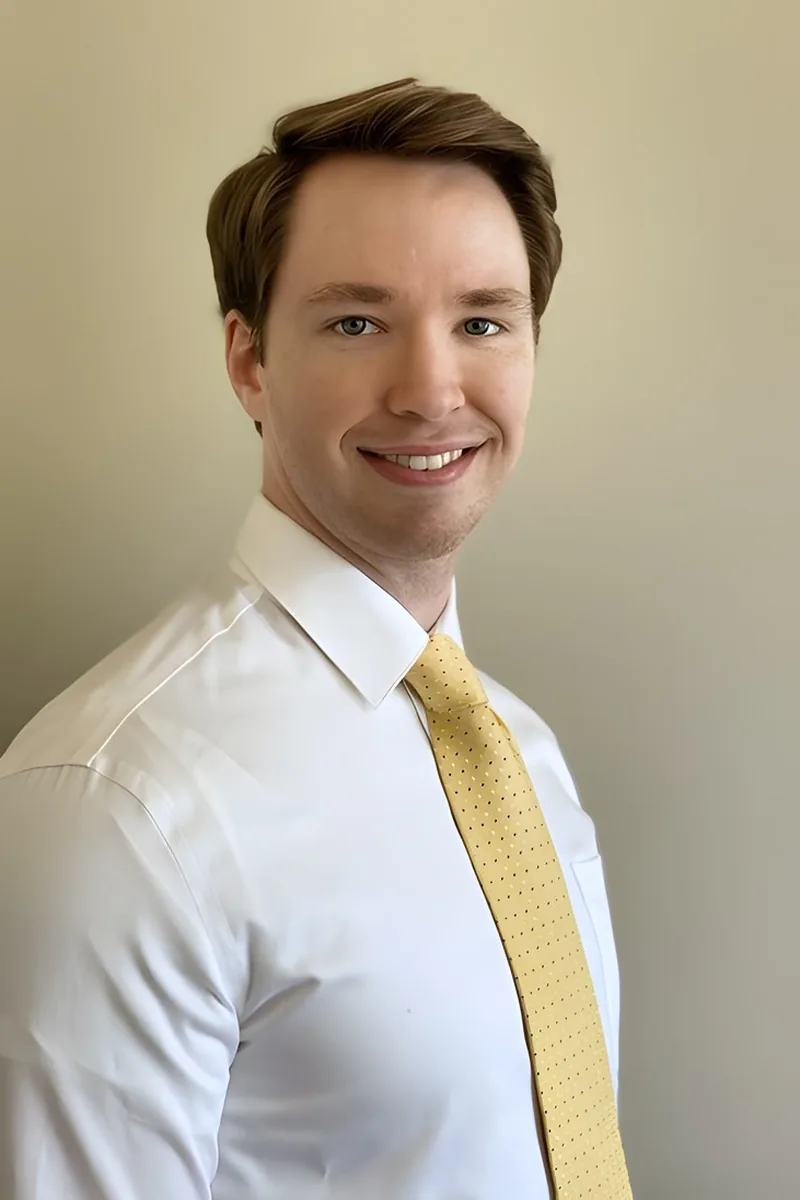
Strong writing starts with a clear argument, not a perfect first sentence. Connor teaches students to outline their central claim and supporting evidence before drafting, then revise in layers — structure first, then paragraph cohesion, then word choice. His graduate work in biomedical sciences demanded precise, concise prose, and he brings that same discipline to academic essays, research papers, and creative assignments alike.

Strong writing is really rewriting — and Meghan learned that through two journalism degrees at Northwestern and daily practice at a New York magazine. She teaches students to draft with a clear argument, revise for structure and evidence, and edit for voice, moving a piece from rough idea to polished final draft without losing what made it theirs.
Every writing problem is really a thinking problem — a muddled thesis usually means the idea isn't clear yet. Solange walks students through the full arc from brainstorming to polished draft, teaching them to outline arguments, vary sentence structure, and revise with purpose. Her sociology training at Harvard made her especially sharp at building evidence-based written arguments.
At the University of Chicago, every assignment was essentially a writing assignment — seminar papers, policy analyses, research proposals — which gave Asta deep practice in adapting voice and structure to different audiences. She teaches students how to outline before they draft, build paragraphs around single claims, and revise with purpose rather than just fixing commas.
Years as a writing consultant taught Renee that the hardest part of writing isn't grammar — it's figuring out what you're actually trying to argue. She walks students through the full arc from messy brainstorm to polished draft, with particular attention to building paragraphs that each do real work toward a central claim.
Zosia treats writing as a thinking tool: if the logic is muddled, the sentences will be too, no matter how polished the grammar. She walks students through outlining arguments, tightening paragraph structure, and revising for precision — skills she sharpened writing research papers across the sciences and humanities at Yale.
Good writing isn't about following a formula; it's about making deliberate choices with structure, evidence, and voice. Patrick's graduate work at Harvard in both literature and creative writing gives him a dual perspective — he can teach a student to tighten an argumentative essay's logic in one session and sharpen a personal narrative's sensory detail in the next.
Tom's PhD work produced hundreds of pages of academic writing, from seminar papers to a full dissertation, so he knows firsthand how to move from a messy first draft to a polished argument. He teaches students to outline before they write, build paragraphs around single claims, and revise with an eye toward clarity rather than word count. His 4.9 rating speaks to how well that process clicks with students.
The gap between having an idea and expressing it clearly on the page is where most students get stuck. Reid tackles that gap by teaching concrete techniques — thesis construction, paragraph transitions, evidence integration — rather than vague advice like "be more specific." His sociology and education background means he's equally comfortable coaching a persuasive essay or a research paper.
Brian treats writing as an engineering problem: identify the core argument, design the structure to support it, then refine sentence by sentence. His dual background in economics and computer science at Caltech means he's written everything from research papers to technical documentation, giving him a versatile toolkit for teaching persuasive, analytical, and expository writing.
Joyce Carol Oates selected Sash as one of two advisees at Princeton, where he wrote his first novel under her mentorship — an experience that drilled home how revision, not inspiration, is what turns rough drafts into finished work. His ongoing career as a playwright and theater director keeps him immersed in the craft of shaping language for specific audiences and purposes. He teaches students to treat each draft as raw material, breaking it down structurally before refining voice, argument, and clarity.
The hardest part of writing isn't grammar — it's figuring out what you're actually trying to say and then organizing evidence around that claim. Brittney tackles this by teaching students to outline arguments before drafting, develop thesis statements that do real analytical work, and revise with purpose. Her Princeton training in Comparative Literature means she's comfortable coaching writing across disciplines, from personal narratives to research papers.
From research abstracts in a biomedical engineering lab to personal narratives for scholarship applications, Ingrid has written across genres that demand very different voices — and she teaches students to adapt their tone, structure, and evidence to whatever the assignment requires. She's especially strong at showing writers how to move from a messy first draft to a polished final version through targeted revision rather than starting over.
Trained in comparative literature at Columbia, Jacob treats writing as a craft with movable parts — thesis construction, evidence integration, paragraph architecture, and revision strategy each get dedicated attention. He's particularly sharp at teaching students how to move from a rough idea to a polished argument without losing their own voice in the process.
Strong writing starts with having something specific to say — and Mimi's inquiry-based approach means she spends real time on the thinking stage before a student ever drafts. From thesis development to paragraph architecture to revision strategy, she walks through each phase of the writing process so students internalize it for the next assignment, not just the current one.
Christopher treats writing as engineering on the page: every paragraph needs a clear purpose, every transition should carry the reader forward, and the whole piece has to hold together under scrutiny. Whether a student is working on a personal narrative or a research paper, he digs into thesis development, organization, and voice to make the writing sharper from the inside out.
Getting words on the page is one problem; organizing them into a clear, purposeful piece is another. Liz breaks the writing process into concrete stages — claim development, outlining with topic sentences, drafting body paragraphs around evidence — so students stop staring at a blank screen and start building arguments. Her experience teaching and directing tutors at a Boston charter school means she's refined these methods across hundreds of student writers at different skill levels.
Turning a vague idea into a structured, compelling piece of writing is a skill most students never get explicitly taught — they're just told to "write a five-paragraph essay" and figure it out. Sabira breaks the process into concrete steps: narrowing a topic, building an outline with real claims, drafting body paragraphs around evidence, and revising for clarity. Her 5.0 rating speaks to how well that structured approach works.
Most writing instruction tells students what good writing looks like without explaining how to actually produce it. Elena breaks the process into concrete, repeatable steps — building an argument from a single claim, structuring paragraphs around evidence, and revising for voice and clarity. Named Scotland's International Young Thinker of the Year for her ability to communicate complex ideas accessibly, she brings that same skill to teaching students how to get their thinking onto the page.
Henry's senior thesis at Harvard on John Dewey's philosophy of education required building a sustained, evidence-based argument across dozens of pages — a process that sharpened his instinct for what makes writing persuasive versus merely correct. He teaches students to outline with a clear claim in mind, develop paragraphs around specific evidence, and revise with an ear for voice and rhythm.
Sherry's dual background in linguistics and psychology — both from the University of Chicago — gives her an unusual lens on writing: she understands how sentences work structurally and how readers process them cognitively. She teaches students to sharpen thesis statements, tighten paragraph transitions, and revise with purpose, whether they're drafting a personal essay or an academic research paper. Rated 5.0 by students.
Strong writing starts with a clear claim and a deliberate structure, not with a blank page and good intentions. Keith's coursework at Williams spanned analytical essays in political science, close-reading papers in English, and research-driven arguments in history — so he adapts his coaching to whatever genre a student is tackling. He's especially effective at teaching thesis construction and the art of using evidence without letting quotes do all the talking.
Whether the assignment is a persuasive essay, a research paper, or a reflective narrative, Emily teaches students to build an argument from the ground up: claim, evidence, analysis, structure. Her Yale training spanned lab reports in cellular biology and literary essays in French, so she's comfortable coaching writing across genres and disciplines. Rated 5.0 by students.
Most writing problems aren't really about grammar; they're about a writer not yet knowing what they're trying to say. Lauren starts by untangling the idea — asking students to articulate their argument out loud before committing it to paper — then teaches them to organize paragraphs around claims and evidence. It's an approach rooted in her own graduate-level research writing.
Strong writing is really clear thinking on paper — and Jeff's philosophy training at Princeton was essentially a four-year boot camp in constructing airtight arguments. He teaches students to build paragraphs around single claims, use evidence precisely, and cut the filler that weakens persuasive and analytical writing. His publishing industry experience adds a practical edge: he knows what polished, readable prose actually looks like outside the classroom.
Jennifer teaches writing as a process of thinking — outlining an argument before drafting, interrogating each paragraph's purpose during revision, and tightening language in the final pass. Currently completing her MAT in Secondary English at NYU, she brings classroom-tested strategies for everything from thesis construction to integrating evidence without letting quotes do all the work.
Getting ideas out of your head and onto the page in a coherent, compelling way is a learnable craft, not an innate talent. Maya treats writing as a process — brainstorming, outlining, drafting, revising — and teaches specific techniques for each stage, from building a thesis that actually argues something to cutting filler that weakens a paragraph. She's a working writer herself, which keeps her feedback practical and current.
Most writing instruction tells students what good writing looks like without showing them how to get there. Valerie reverses that — she starts with a student's messy first draft and teaches concrete moves: how to build an argument with evidence, vary sentence rhythm, and revise with purpose. Her twenty pre-college writing prizes came from exactly that process of drafting and reworking.
Clear writing is really clear thinking made visible, and Emily's entire career — philosophy at Northwestern, then law — has been built on that principle. She teaches students to outline an argument before drafting, choose precise language over impressive-sounding filler, and revise by asking what each paragraph actually proves.
Strong writing starts with having something specific to say and a clear reason for saying it — the mechanics follow from there. Jessica earned her writing certification through Penn's selective Critical Writing program as a freshman, then spent years tutoring peers on everything from argumentative essays to research papers. She teaches students to outline with a claim in mind, draft without self-editing, and revise with ruthless attention to whether each sentence actually advances the argument.
Strong writing starts with knowing what you actually want to say — then organizing it so a reader follows effortlessly. Anna approaches drafting as a process of building a clear argument or narrative arc, teaching techniques like reverse outlining and paragraph-level thesis statements that give students concrete tools. Her background spans scientific writing, academic essays, and personal narratives, so she adapts her feedback to whatever genre a student is tackling.
A philosophy major at Princeton spends most of her time writing: constructing arguments, anticipating counterpoints, and making every sentence earn its place. Julie applies that training to teach students how to build clear thesis statements, organize evidence logically, and develop a voice that carries authority without sounding stiff.
Strong writing isn't about following a formula — it's about making deliberate choices with structure, evidence, and language. Frances brings professional writing experience and a magna cum laude Duke education to her teaching, and she treats every assignment as a chance to practice real rhetorical thinking. Whether the task is a persuasive essay or a research paper, she digs into how to build an argument that actually convinces a reader.
Years of editing medical school applications and serving on admissions committees at both Rice and Baylor College of Medicine taught Sugi exactly what distinguishes forgettable writing from prose that commands attention. She applies that eye to student drafts at every level — sharpening claims, cutting vague language, and reworking sentence-level rhythm until each paragraph earns the next. Rated 5.0 by students.
Most students know what they want to say but struggle to organize it on the page — the thesis drifts, the paragraphs blur together, the conclusion just restates the introduction. Jane teaches a concrete outlining method that locks in structure before drafting begins, so students spend less time rewriting and more time developing their ideas. Her background as a Princeton English major and AP Scholar with Honors means she's lived this process across dozens of writing-intensive courses.
Engineering coursework at Duke demands relentless clarity in writing — every claim backed up, every paragraph earning its place. Eric applies that same discipline when teaching essay structure, thesis development, and revision strategy, whether the assignment is a personal narrative or a research paper.
Getting ideas onto the page is often the hardest part, and Erika treats outlining and drafting as real skills worth practicing — not just steps to rush through before "the real writing" starts. Her policy school training required writing concise, evidence-driven arguments under tight deadlines, a discipline she now brings to students working on everything from five-paragraph essays to research papers. She's rated 5.0 across her students.
Every writing assignment is really an exercise in thinking clearly, and Vivian approaches it that way — she starts by untangling what a student actually wants to say before tackling how to say it. From constructing a thesis and organizing supporting paragraphs to refining tone and word choice, she builds each session around the specific piece a student is working on. Her background spans persuasive essays, creative writing, and research papers.
Getting ideas onto the page is only half the challenge; organizing them into an argument that actually builds is where most writers stall. Talia teaches outlining techniques and paragraph architecture — topic sentences that do real work, evidence integration, transitions that aren't just "furthermore" — drawn from her own extensive writing across political science and history coursework.
Strong writing starts with a clear claim and evidence that actually supports it — skills Richard hones daily as a Government concentrator at Harvard. He breaks down the writing process into manageable steps, from outlining an argument to refining sentence-level style, so students learn to produce polished drafts independently rather than relying on vague inspiration.
Testimonials
Because the right Writing tutor makes all the difference.
Average Session Rating – Based on 3.4M Learner Ratings
Top 20 English Subjects


Top 20 Subjects
Frequently Asked Questions
A writing tutor provides personalized feedback on the elements that matter most—thesis development, argument structure, evidence integration, and revision strategies. Rather than just correcting grammar, tutors help you understand why certain choices strengthen your writing and guide you through the process of developing your own voice and style. With one-on-one instruction, you get targeted feedback on your specific weaknesses, whether that's organization, clarity, or supporting your claims effectively.
Grammar is the foundation—correct punctuation, sentence structure, and word choice ensure your ideas are clear and professional. Style, on the other hand, is about how you express those ideas: your tone, sentence variety, word selection, and overall voice. A strong writer masters both. Tutoring addresses both elements, starting with grammar fundamentals if needed, then helping you develop a distinctive, compelling writing style that engages readers and communicates your unique perspective.
Writer's block usually stems from one of a few issues: unclear thinking about your topic, perfectionism, or not knowing how to start. Tutors help by breaking the writing process into manageable steps—brainstorming ideas, creating outlines, drafting without judgment, and then revising. They also teach strategies like freewriting, asking guiding questions to clarify your thinking, and building momentum by focusing on one section at a time rather than the whole essay at once.
Absolutely. Many students find citation formats confusing, but they're learnable with clear guidance. Tutors can explain how MLA and APA differ, show you how to format in-text citations and works cited pages correctly, and teach you the reasoning behind these formats. More importantly, they help you understand why proper attribution matters—not just as a rule to follow, but as a way to acknowledge sources and build credibility in your writing.
Literary analysis requires you to move beyond summarizing a text to interpreting what it means and why the author made specific choices. Tutors guide you in developing strong analytical claims, finding textual evidence that actually supports those claims, and explaining the significance of that evidence. They teach you how to read closely for literary devices, themes, and character development, then help you organize those observations into a coherent, persuasive essay that demonstrates genuine understanding.
The best writing tutors combine subject expertise with strong teaching skills. Look for someone who understands essay structure, argumentation, and grammar thoroughly, but also listens carefully to your specific challenges and adjusts their approach accordingly. They should ask questions that help you think deeper about your own writing, provide clear feedback with specific examples, and encourage you to take ownership of your revision process rather than simply fixing errors for you.
Improvement depends on how frequently you work with a tutor and how actively you apply feedback. Many students notice better organization and clearer thesis statements within 2-3 sessions. Developing a more sophisticated writing style and consistently strong essays typically takes longer—usually several weeks of regular practice and feedback. The key is consistent practice between sessions, applying what you've learned to new assignments, and building confidence in your ability to revise your own work effectively.
Let’s find your perfect tutor
Answer a few quick questions. We’ll recommend the right plan and match you with a top 5% tutor.