Award-Winning Biochemistry Tutors
serving Provo, UT
Biochemistry
Tutors in Provo
Private 1-on-1 tutoring, weekly live classes for academic support, test prep & enrichment, practice tests and diagnostics, and more to elevate grades and test scores.
Based on 3.4M Learner Ratings
UniversitiesSchools & Universities
DeliveredHours Delivered
ProficiencyGrowth in Proficiency
Who needs tutoring?
No obligation. Takes ~1 minute.
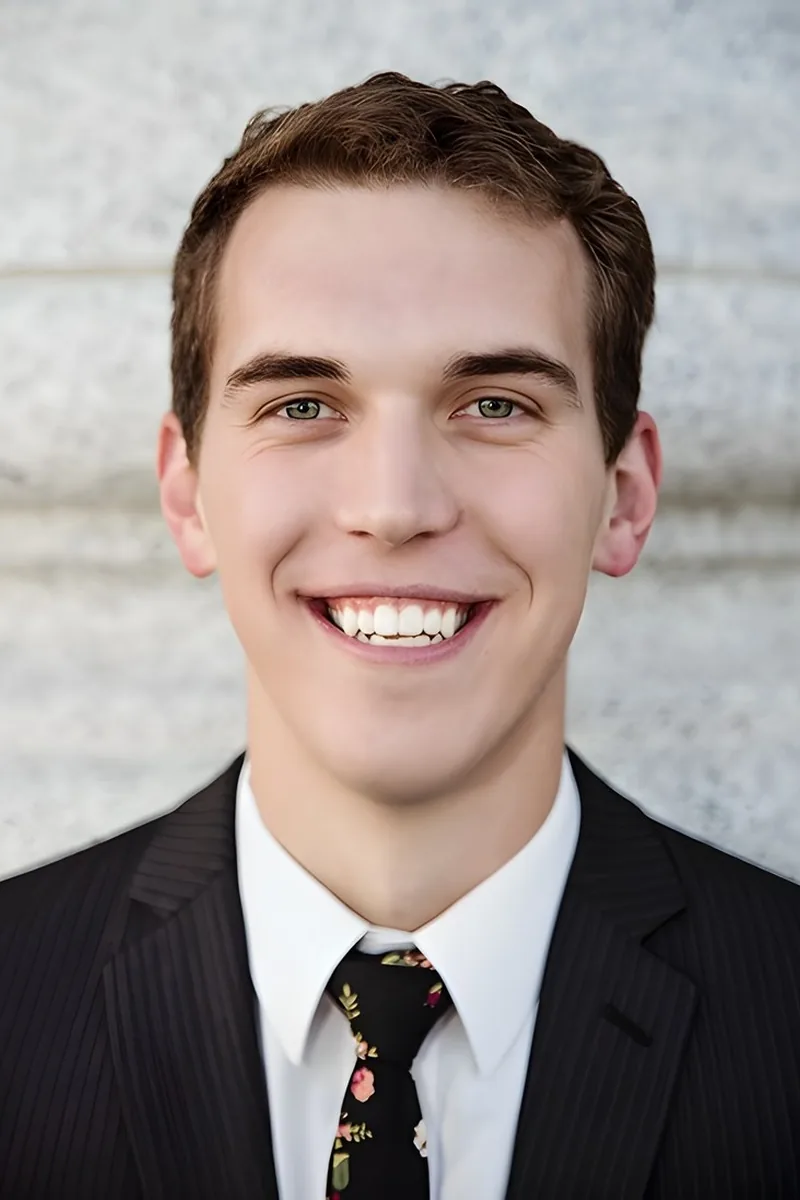
Preparing for medical school means Brett lives and breathes biochemistry — from amino acid structures and enzyme kinetics to metabolic pathways like glycolysis, the citric acid cycle, and oxidative phosphorylation. He unpacks these interconnected systems by tracing the logic of each reaction rather than asking students to memorize isolated steps. His 5.0 rating speaks to how well that approach lands.
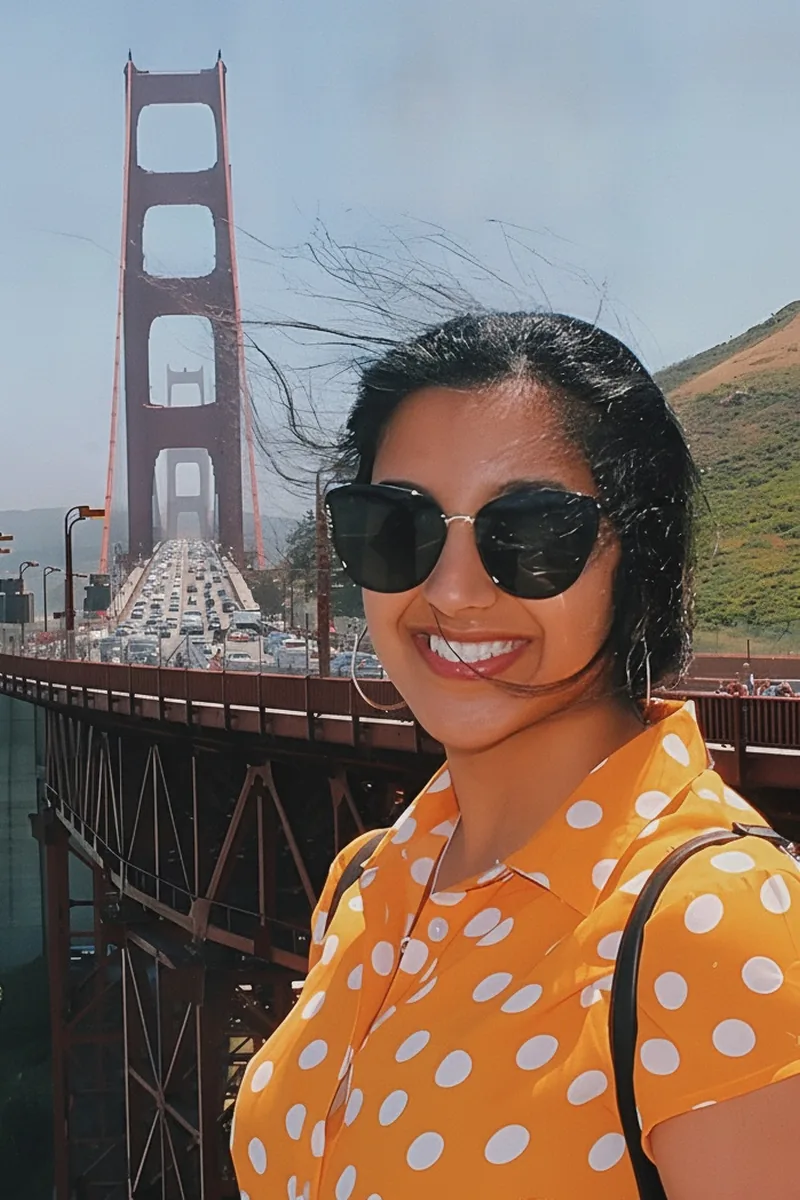
Neuroscience majors don't just memorize biochemistry — they depend on it, and Janki's coursework at Kentucky meant tracing every concept from neurotransmitter metabolism to oxidative phosphorylation back to the underlying chemical logic. She teaches topics like enzyme regulation and pathway energetics by building each mechanism piece by piece, so students can predict what happens next in a pathway instead of relying on rote recall. Rated 4.8 by students.
Four years of medical school gave Amanda a particular edge with the biochemistry that underpins clinical reasoning — she's internalized how disruptions in lipid metabolism or glycogen storage pathways manifest as actual disease states. Her biology degree and public health training add breadth, letting her teach topics like nucleotide biosynthesis or enzyme regulation by zooming out to the physiological stakes behind each reaction. Rated 4.7 by students.
Enzyme kinetics, metabolic pathways, protein structure — biochemistry sits at the intersection of biology and chemistry, and it punishes students who try to memorize without understanding the underlying logic. Oliver earned his B.A. in Biochemistry at CU Boulder with a chemistry minor, giving him the dual lens needed to explain why Michaelis-Menten curves behave the way they do or how amino acid properties dictate protein folding.
Having served as an undergraduate teaching assistant for introductory biochemistry at Cornell, Josef knows exactly which concepts — cofactor roles, enzyme regulation, the interplay between metabolic pathways — trip students up for the first time. He teaches by showing how biochemistry synthesizes organic chemistry, cell biology, and thermodynamics into a single coherent story, so each pathway feels like a logical extension rather than a separate thing to memorize. Rated 5.0 by students.
Dental students live in biochemistry — enzyme kinetics, metabolic pathways, amino acid structures — and Josh is right in the middle of that curriculum at Penn. He unpacks topics like glycolysis and protein folding by tying each reaction to a biological consequence, which turns a wall of chemical structures into a story that's far easier to retain.
Enzyme kinetics, metabolic pathways, protein structure — biochemistry demands that students hold chemistry and biology in their heads simultaneously, which is exactly what medical school trains you to do daily. Jamie is currently at Sidney Kimmel Medical College and brings firsthand fluency with topics like Michaelis-Menten kinetics, amino acid chemistry, and the regulation of glycolysis and the citric acid cycle. He breaks down dense pathway diagrams into step-by-step logic that actually makes sense.
Enzyme kinetics, metabolic pathways, and protein structure sit right at the intersection of Aimee's two degrees — chemical engineering and biosystems engineering. She unpacks topics like Michaelis-Menten kinetics and amino acid chemistry by tying them to the biomedical research context she works in at Georgia Tech, making dense material feel purposeful.
Enzyme kinetics, metabolic pathways, protein structure — biochemistry demands that students hold molecular-level detail and big-picture biological function in their heads simultaneously. Yasheen earned dual degrees in biology and cellular/molecular biology from Yale and now works in a cancer biology lab, so she lives in this material daily. She's particularly sharp on topics like amino acid chemistry, Michaelis-Menten kinetics, and the regulation of glycolysis and the citric acid cycle.
Medical school required Thomas to internalize biochemistry at a level most undergrads never reach — enzyme kinetics, metabolic regulation, amino acid chemistry, and the signaling cascades that tie them together. He breaks down dense pathways like glycolysis and the citric acid cycle into logical sequences so students can reason through problems instead of relying on rote memorization. Rated 5.0 by students.
Enzyme kinetics, metabolic pathways, protein structure — biochemistry asks students to think about molecules as dynamic systems, not static diagrams. Tina's engineering background at Cornell and her pre-med preparation mean she can unpack topics like Michaelis-Menten kinetics or amino acid chemistry with both quantitative rigor and biological context.
Cassandra's biology degree gives her the cellular and molecular grounding to teach biochemistry from the chemistry up — she walks through topics like enzyme regulation and metabolic intermediates by connecting each reaction to the organic chemistry driving it. Seven years of tutoring math and science across middle school through college means she's seen where students lose the thread, especially when pathways like gluconeogenesis start layering on exceptions and reversals. Rated 4.9 by students.
Enzyme kinetics, metabolic pathways, protein structure — biochemistry sits at the intersection of two subjects David studied formally, with a bachelor's in chemistry and graduate-level exposure to biomolecular engineering. He digs into mechanisms like glycolysis and the citric acid cycle by connecting each step's chemistry to its biological purpose, so students retain the logic instead of just the diagram. That approach has earned him a 4.9 student rating.
Testimonials
Because the right Biochemistry tutor makes all the difference.
Average Session Rating – Based on 3.4M Learner Ratings
Practice Biochemistry
Free practice tests, flashcards, and AI tutoring for Biochemistry
Nearby Biochemistry Tutors
Other Provo Tutors
Related Science Tutors in Provo
Frequently Asked Questions
Biochemistry combines organic chemistry, biology, and physics, making it challenging to see how abstract molecular concepts connect to living systems. Many students struggle with visualizing molecular structures, balancing complex equations, and understanding metabolic pathways without seeing the real-world relevance. Personalized tutoring helps bridge these gaps by breaking down mechanisms step-by-step and showing how concepts like enzyme kinetics or protein folding actually matter in medicine and research.
Yes. Beyond lecture material, tutors can help you understand experimental design, data analysis, and the scientific reasoning behind your lab protocols. Whether you're learning to use spectroscopy, working with chromatography, or interpreting enzyme assays, personalized instruction helps you connect lab observations to the biochemical principles you're studying. This strengthens both your technical skills and your ability to think like a scientist.
No—biochemistry is fundamentally about understanding mechanisms and relationships, not rote memorization. While you do need to know key structures and pathways, the real skill is understanding *why* reactions occur, how enzymes catalyze reactions, and how metabolic pathways are regulated. Expert tutors focus on building conceptual understanding so you can reason through problems and apply knowledge to new situations, rather than just recalling facts.
Yes. Varsity Tutors connects Provo students with expert tutors who have strong backgrounds in biochemistry and can explain complex topics clearly. Whether you're in high school AP Biology, taking college biochemistry, or preparing for the MCAT, you can get matched with a tutor who understands both the subject and your specific goals.
Your first session is focused on understanding your current level, identifying specific challenges, and building a learning plan. Your tutor will likely ask about topics that confuse you most—whether that's protein structure, enzyme kinetics, or metabolic regulation—and work through a problem together to see where gaps exist. This helps establish a personalized approach that targets your needs rather than generic review.
Many students struggle with the math side of biochemistry—converting between molar concentrations, working with pH and pKa, or calculating reaction rates. Tutors break down these calculations step-by-step, helping you understand not just the formula but the reasoning behind each step. With practice and feedback, you build confidence handling the quantitative aspects so they support your understanding rather than derail it.
Abstract concepts like protein folding, enzyme-substrate interactions, or electron transport chains are easier to grasp with visual explanation and real-world examples. Tutors use diagrams, molecular models, and analogies to help you see how these processes actually work at the molecular level. This visual understanding makes it much easier to remember concepts and apply them to new problems.
Absolutely. Whether you're preparing for a college biochemistry midterm, AP exam, or the MCAT biochemistry section, personalized tutoring focuses on the specific content and question types you'll encounter. Tutors help you master both the conceptual foundations and test-taking strategies, so you approach exams with confidence and deeper understanding.
Let’s find your perfect tutor
Answer a few quick questions. We’ll recommend the right plan and match you with a top 5% tutor.