Award-Winning Microbiology Tutors
serving Provo, UT
Microbiology
Tutors in Provo
Private 1-on-1 tutoring, weekly live classes for academic support, test prep & enrichment, practice tests and diagnostics, and more to elevate grades and test scores.
Based on 3.4M Learner Ratings
UniversitiesSchools & Universities
DeliveredHours Delivered
ProficiencyGrowth in Proficiency
Who needs tutoring?
No obligation. Takes ~1 minute.
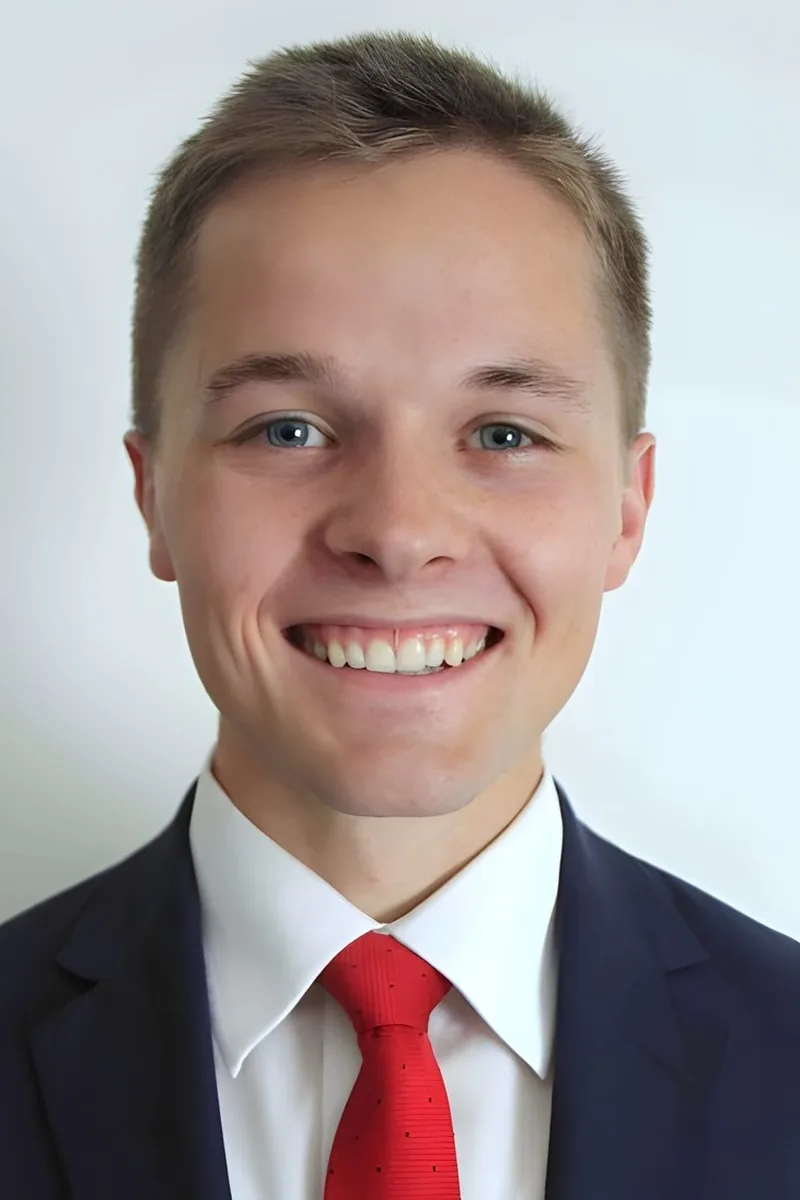
Genetics and microbiology overlap more than most students realize — bacterial gene regulation, plasmid transfer, and viral replication cycles were all core material in Spencer's undergraduate training. He unpacks microbial structure and pathogenesis by tying each organism's behavior back to its molecular machinery, which makes exam material far easier to retain.
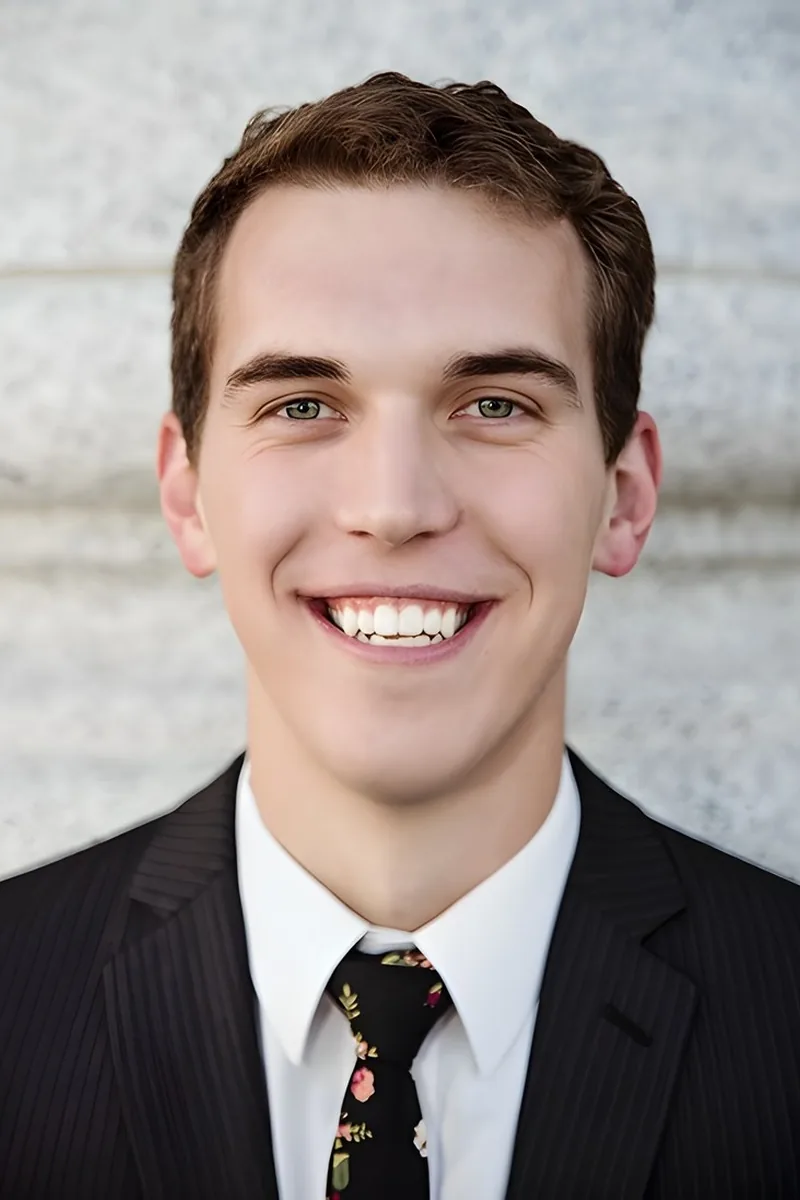
Pre-med coursework in biology, biochemistry, and organic chemistry means Brett can trace microbial processes — like how bacteria build and maintain cell walls or how pathogens exploit host biochemistry — down to the molecular reactions driving them. He also teaches MCAT prep across both biological and biochemical foundations, so he's used to connecting microbiology topics like immune evasion and metabolic pathways to the kind of integrated, systems-level thinking those exams demand. Rated 5.0 by students.
This is Brian's home turf. As a PhD microbiologist and associate professor of the subject at Collin County Community College, he unpacks everything from bacterial gene expression and metabolic pathways to virology and immunological responses with the specificity that upper-level coursework demands. Students get someone who reads the primary literature daily and can translate it into clear, testable understanding.
Emily studied molecular, cellular, and developmental biology at Yale and then earned her MPH in epidemiology, giving her a dual lens on microbiology — she knows the bench science of bacterial genetics and viral replication cycles, and she understands how those organisms behave in populations. She digs into topics like gram staining, metabolic pathways, and host-pathogen interactions with the detail a college-level course demands.
Between his biochemistry degree from Rice and his medical school training, Sanjay has spent years immersed in the microbial world — bacterial cell structure, pathogenic mechanisms, antimicrobial resistance, and the metabolic pathways that distinguish different organisms. He connects microbiology concepts to clinical scenarios, which makes memorizing genera, gram stain results, and virulence factors far more intuitive.
Jean's medical training at Harvard Medical School gave her deep familiarity with the microbiology that matters most: bacterial pathogenesis, viral replication cycles, immune evasion strategies, and antimicrobial resistance. She breaks down complex host-pathogen interactions by tying them to clinical scenarios, which makes the material stick far better than rote memorization of genus and species lists.
Garrett's biology degree paired with his coursework in physiology and anatomy means he understands microorganisms in the context of the systems they infect — not as isolated names on a flashcard. He walks through topics like microbial cell structure, pathogen life cycles, and immune evasion strategies by anchoring each organism to the tissue-level damage it actually causes, which turns a massive taxonomy into something students can reason through.
Medical school demands a granular understanding of pathogens — bacterial cell wall differences, viral replication cycles, antibiotic resistance mechanisms. Daniel earned his M.D. and brings that clinical lens to microbiology, connecting each organism's structure and behavior to the disease processes students are expected to know for exams.
Ryan's master's work in cellular and molecular biology at Stanford, combined with hands-on synthetic biology research at NASA Ames, gave him deep fluency in microbial genetics, metabolic pathways, and laboratory techniques like PCR and gene cloning. He unpacks topics like bacterial pathogenesis and antimicrobial resistance by connecting them to the molecular mechanisms driving each process. Rated 5.0 by students.
Haley's day job in a public health laboratory gives her hands-on experience with the bacterial cultures, staining techniques, and antimicrobial susceptibility testing that microbiology courses cover in theory. She brings real bench context to topics like gram-negative vs. gram-positive classification, metabolic pathways, and pathogenesis — turning textbook organisms into something tangible. Rated 5.0 by students.
Medical school at Jefferson means Jamie is learning microbiology the way clinicians actually use it — identifying pathogens, understanding infection mechanisms, and connecting antimicrobial treatments to the specific vulnerabilities of each organism. That clinical lens, built on top of pre-med coursework in biology, biochemistry, and physiology, lets her trace a concept like bacterial virulence from the molecular machinery driving it all the way to the patient outcome it produces.
Neuroscience training at the undergraduate level means Jhonatan spent significant time with the microbial world — understanding how pathogens cross the blood-brain barrier, how CNS infections progress, and how the gut microbiome communicates with neural tissue. He teaches microbial physiology and host interactions by anchoring them to these neuroimmune connections, giving students a narrative thread through what can otherwise feel like an overwhelming catalog of organisms. Rated 5.0 by students.
Neuroscience at Brown doesn't let you skip the micro — Owen's coursework in biology and chemistry built a working understanding of how microorganisms operate at the cellular level, from membrane transport to metabolic regulation. He brings that mechanistic thinking to topics like bacterial growth curves and immune evasion, breaking down each process into the molecular steps that actually explain it.
Medical school at Penn's Perelman School of Medicine gave Daniel hands-on exposure to microbiology that goes well beyond a standard textbook — from bacterial virulence factors to antibiotic resistance mechanisms to the clinical presentations they produce. He connects microbial physiology to real infectious disease scenarios, which makes distinguishing gram-positive from gram-negative organisms or understanding viral replication cycles far more intuitive.
Testimonials
Because the right Microbiology tutor makes all the difference.
Average Session Rating – Based on 3.4M Learner Ratings
Nearby Microbiology Tutors
Other Provo Tutors
Related Science Tutors in Provo
Frequently Asked Questions
Microbiology requires visualizing microscopic organisms and processes you can't see with the naked eye—making it harder to build intuition than subjects with visible phenomena. Students often struggle with connecting abstract concepts like bacterial reproduction, metabolic pathways, and immune responses to real-world applications. Additionally, the combination of memorization (taxonomy, structures, disease mechanisms) with conceptual understanding (why certain antibiotics work, how infections spread) can feel overwhelming without guidance that bridges both skill sets.
Tutors help you develop strong scientific reasoning skills that make lab work more meaningful—understanding not just what to do, but why each step matters. They can clarify experimental design, help you interpret results, and connect lab observations to the theory you're learning in class. This approach transforms labs from following procedures into genuine scientific inquiry, deepening your understanding of microbial behavior and building skills you'll use in advanced courses or research settings.
Your first session is about understanding your current level, learning goals, and specific challenges—whether that's grasping cell biology fundamentals, mastering pathogenic mechanisms, or preparing for exams. A tutor will assess which concepts feel solid and where you need support, then create a personalized plan tailored to your course pace and learning style. This foundation ensures every future session builds directly on what you need most.
Rather than rote memorization, effective tutoring builds understanding first—so facts stick because they make sense. For example, instead of just memorizing antibiotic classes, you'll learn how they target bacterial structures and why resistance develops. This deeper learning approach actually reduces the memorization burden because concepts become interconnected and memorable. Tutors also teach study strategies like spaced repetition and active recall that help information stick long-term.
Varsity Tutors connects you with tutors experienced in teaching Microbiology across Utah curricula and standardized course sequences. Whether you're in high school AP Biology with a microbiology unit, a college introductory Microbiology course, or an advanced microbiology class, tutors understand the specific content and learning objectives you're working toward. They can align support with your exact course requirements and pacing.
Tutors use multiple strategies to make microscopic processes tangible—drawing diagrams of bacterial structures, walking through step-by-step animations of processes like photosynthesis or conjugation, and using analogies that connect unfamiliar concepts to things you know. They can also recommend visual resources and help you develop your own mental models of how microorganisms function. This visualization work is especially powerful because it transforms abstract ideas into concrete understanding you can apply to exams and real-world scenarios.
Tutors help you move beyond cramming by building deep understanding throughout the course—the best exam preparation. As exams approach, they focus on identifying weak areas, practicing with exam-style questions, and developing test-taking strategies specific to Microbiology (like interpreting microscopy images or analyzing experimental data). Regular practice with feedback helps you gain confidence and catch misconceptions before test day.
Varsity Tutors connects you with tutors who have strong backgrounds in Microbiology—whether through advanced coursework, degrees in related sciences, or professional experience in microbiology-related fields. All tutors are vetted for subject expertise and teaching ability, ensuring they can explain complex concepts clearly and adapt to your learning needs. You'll work with someone who knows the subject deeply and can teach it effectively.
Let’s find your perfect tutor
Answer a few quick questions. We’ll recommend the right plan and match you with a top 5% tutor.