Award-Winning Elementary School Reading Tutors
serving Provo, UT
Elementary School Reading
Tutors in Provo
Private 1-on-1 tutoring, weekly live classes for academic support, test prep & enrichment, practice tests and diagnostics, and more to elevate grades and test scores.
Based on 3.4M Learner Ratings
UniversitiesSchools & Universities
DeliveredHours Delivered
ProficiencyGrowth in Proficiency
Who needs tutoring?
No obligation. Takes ~1 minute.
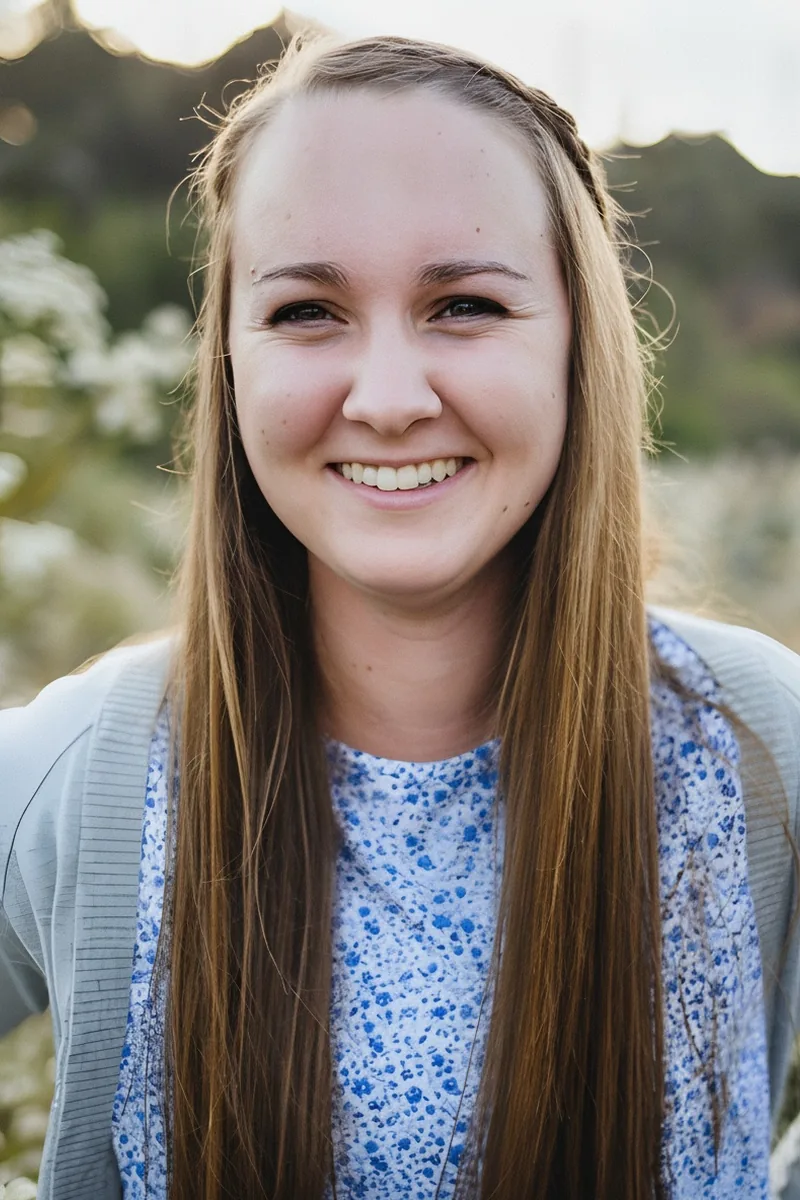
Getting young readers to move from decoding words to actually understanding a story — making predictions, identifying main ideas, connecting details — is the core challenge of elementary reading. Heather's Elementary Education training at BYU, paired with her TESOL minor, gives her specific strategies for building comprehension skills in all learners, including those navigating English as a new language.

Early reading is all about decoding, fluency, and starting to understand what a passage actually means beyond the surface words. Joseph's English Education background at BYU includes training in literacy development, and his experience ranges from professional tutoring to informal mentoring with younger readers. He makes phonics patterns and comprehension questions feel like discoveries rather than drills.
Phonics, sight words, and fluency drills are important — but Kristin also emphasizes comprehension from the very beginning, asking young readers to predict, retell, and connect stories to their own experiences. This approach builds readers who understand what they're reading, not just kids who can sound out words. She's rated 5.0 by families she's worked with.
Building real reading confidence at the elementary level means more than just decoding words — it means learning to make predictions, ask questions about characters, and connect stories to personal experience. Vivian teaches these comprehension strategies explicitly, giving young readers tools they can use every time they pick up a book.
Learning to read confidently — decoding new words, making predictions, and retelling a story in sequence — takes patience and the right kind of encouragement. Anna breaks reading into manageable steps, connecting phonics patterns to real stories so young readers build momentum instead of frustration. Rated 5.0 by students and families.
Early reading is all about building momentum: phonics, sight words, and fluency need to click before comprehension can take off. Esther's 5.0 rating speaks to her warmth and patience, two qualities that make a real difference when a young reader is sounding out unfamiliar words or tackling their first chapter book.
Sabira pairs her genuine enthusiasm for books with patient, structured phonics and fluency practice to build confident young readers. She zeroes in on the specific skill each child needs next — whether that's decoding multisyllable words, building vocabulary through context clues, or retelling a story in sequence — so sessions always feel productive. She holds a 5.0 client rating.
Early reading clicks when a child can connect what's on the page to what they already know. Daniel builds that bridge by teaching phonics patterns alongside comprehension strategies like predicting and retelling, keeping sessions interactive enough that younger readers stay engaged rather than frustrated.
Building fluency at the elementary level is about more than sounding out words — it's connecting phonics to comprehension so kids actually understand what they're reading. Corrina brings patience and structure to each session, working on skills like predicting, summarizing, and making inferences through stories that keep young readers engaged.
Amanda's psychology background gives her real insight into how young readers develop skills like phonics, fluency, and comprehension at different stages. She tailors reading sessions to each child's level, whether that means sounding out new vocabulary or discussing what a character's choices reveal about the story. Her patience and enthusiasm for books make early reading feel like an adventure rather than a chore.
Early reading is as much about building confidence as it is about decoding words on a page. Adam connects phonics, sight words, and reading fluency to comprehension from the start, so students understand what they're reading — not just sounding it out. His cognitive science background gives him a unique understanding of how young brains learn to process language.
Early reading is where kids learn that letters represent sounds, sounds build words, and words carry meaning — and each of those steps can become a sticking point. Andrew uses his science background to approach phonics and comprehension systematically, breaking decoding strategies into small, repeatable steps that build a young reader's confidence with each session.
Years of volunteering in elementary classrooms taught Gloria that reading clicks when kids connect stories to their own curiosity — whether that means predicting what happens next, sounding out tricky vowel combinations, or retelling a chapter in their own words. Her neuroscience background also gives her insight into how young brains process phonics and comprehension differently at each developmental stage. Rated 5.0 by students and families.
Rachel spent years as a classroom teacher and a volunteer educator at national parks, where she learned to make stories come alive for young audiences. She applies that same energy to elementary reading, building skills like phonics, sight-word recognition, and basic comprehension by connecting texts to things kids already care about in the world around them.
Early reading confidence comes from connecting sounds to meaning, not just sounding out words in isolation. Emma's education coursework at Cornell introduced her to developmental reading theory, and her experience creating age-appropriate curricula for young learners means she knows how to match a book's difficulty to where a child actually is. Her 5.0 rating speaks to how well she keeps younger students engaged and moving forward.
Testimonials
Because the right Elementary School Reading tutor makes all the difference.
Average Session Rating – Based on 3.4M Learner Ratings
Nearby Elementary School Reading Tutors
Other Provo Tutors
Related English Tutors in Provo
Frequently Asked Questions
Elementary reading builds on phonics, fluency, and comprehension—the core skills that support all future learning. Students need to recognize letter sounds, blend words smoothly, understand what they read, and develop vocabulary. Personalized 1-on-1 instruction helps identify exactly where a student is struggling, whether that's decoding words, reading speed, or understanding complex texts, so tutors can target those specific gaps.
Many students can decode words but struggle to understand the meaning, remember details, or make connections between ideas. Others rush through text without processing it, or get distracted by unfamiliar vocabulary. Tutors work with students to build active reading strategies—like asking questions while reading, visualizing scenes, and summarizing—that transform reading from a passive activity into an engaged learning experience.
Fluency—reading smoothly and at an appropriate pace—frees up mental energy for comprehension instead of struggling with individual words. When students read haltingly, they lose track of the story or ideas. Tutors use repeated reading practice, guided reading at the student's level, and confidence-building techniques to help students read with greater ease and expression, which directly improves understanding and enjoyment.
Tutors assess reading through informal observations—listening to a student read aloud, asking comprehension questions, and reviewing writing—rather than relying on test scores alone. This personalized evaluation reveals not just what level a student is at, but *why* they might be struggling. With Provo's average student-teacher ratio of 19.6:1 in classrooms, one-on-one assessment helps identify gaps that might be missed in group settings.
Strong vocabulary is essential for reading comprehension and academic success across all subjects. Tutors introduce new words in context through reading, use strategies like word families and root words to help students learn patterns, and create opportunities for repeated exposure and practice. This approach builds both recognition (understanding words while reading) and production (using words in speaking and writing).
Reading reluctance often stems from frustration, boredom, or not finding books that match a student's interests. Tutors connect students with engaging texts at their level, celebrate progress, and help build confidence through success. When students experience reading as achievable and interesting—rather than a chore—motivation naturally follows, creating a foundation for lifelong learning.
The first session focuses on getting to know your student—their reading strengths, challenges, interests, and goals. Tutors may listen to them read, ask about favorite books, and understand what support they need. This foundation allows tutors to create a personalized plan that builds on what's working and addresses specific areas for growth.
Reading together, asking questions about stories, visiting the library, and creating a print-rich home environment all reinforce tutoring work. Tutors often suggest specific strategies parents can use during family reading time and recommend books matched to their child's interests and level. Consistent practice and encouragement at home accelerate progress and help students see reading as a valued part of daily life.
Let’s find your perfect tutor
Answer a few quick questions. We’ll recommend the right plan and match you with a top 5% tutor.