Award-Winning Biochemistry Tutors
serving Salt Lake City, UT
Biochemistry
Tutors in Salt Lake City
Private 1-on-1 tutoring, weekly live classes for academic support, test prep & enrichment, practice tests and diagnostics, and more to elevate grades and test scores.
Based on 3.4M Learner Ratings
UniversitiesSchools & Universities
DeliveredHours Delivered
ProficiencyGrowth in Proficiency
Who needs tutoring?
No obligation. Takes ~1 minute.
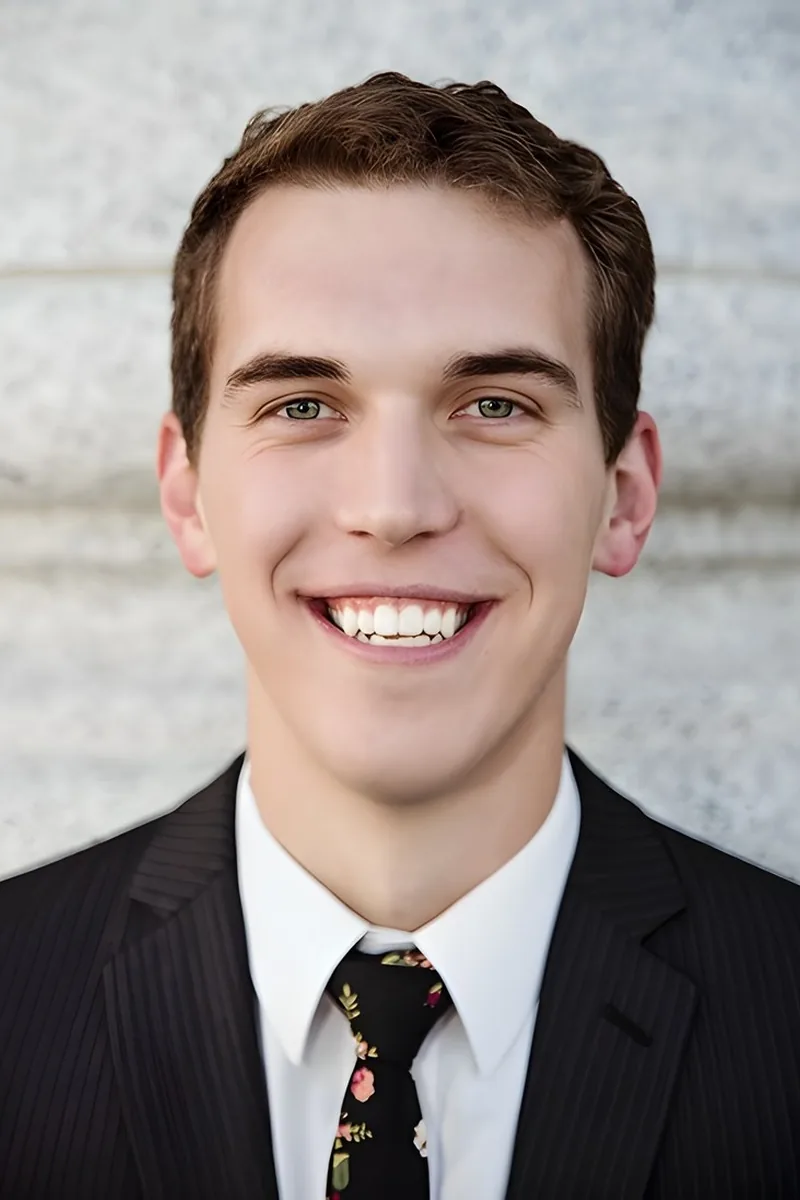
Preparing for medical school means Brett lives and breathes biochemistry — from amino acid structures and enzyme kinetics to metabolic pathways like glycolysis, the citric acid cycle, and oxidative phosphorylation. He unpacks these interconnected systems by tracing the logic of each reaction rather than asking students to memorize isolated steps. His 5.0 rating speaks to how well that approach lands.
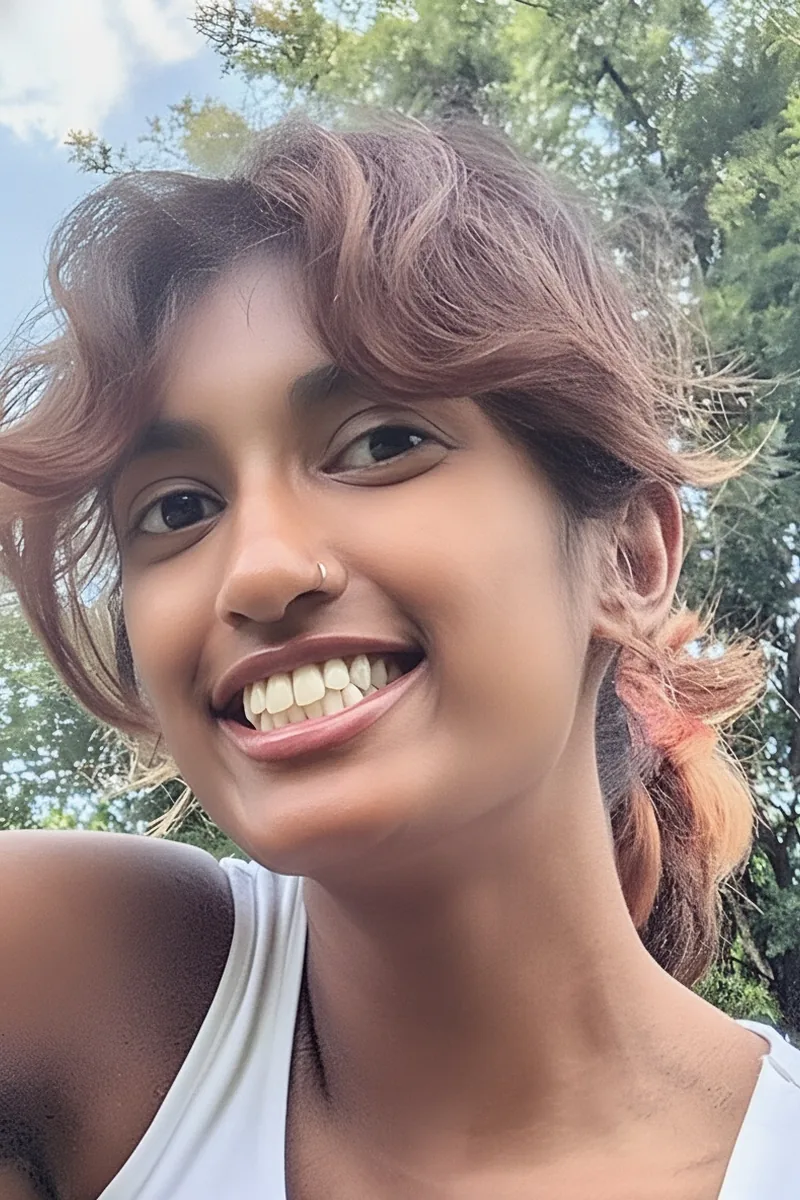
I am a 3rd year bio major at GT with minors in biochemistry and computer science. My tutoring subjects are math, bio, and chem. I have tutored for a few years, and I have also TAed! My favorite subjects are general chemistry and molecular biology (: My personal belief is that anyone can enjoy a subject once they truly understand it.
Preparing for medical school at UT Houston while finishing a chemistry degree at Rice means Asad has been living in biochemistry from both sides — the rigorous organic and physical chemistry foundations and the biological systems they plug into. He's especially sharp on the MCAT-relevant intersections, like how enzyme mechanisms tie back to organic reaction logic or how metabolic pathway regulation connects to thermodynamic principles. Rated 4.7 by students.
Thomas holds both a biochemistry and molecular biology degree and a master's in biology, which means he's worked through the full gauntlet — from amino acid properties and enzyme mechanisms to the regulatory networks controlling gene expression. That dual-layer training lets him teach something like oxidative phosphorylation by building it up from the organic chemistry of electron carriers before zooming out to the cellular energy budget. Rated 4.8 by students.
Enzyme kinetics, metabolic pathways, protein structure — biochemistry sits at the intersection of biology and chemistry, and it punishes students who try to memorize without understanding the underlying logic. Oliver earned his B.A. in Biochemistry at CU Boulder with a chemistry minor, giving him the dual lens needed to explain why Michaelis-Menten curves behave the way they do or how amino acid properties dictate protein folding.
Pre-med coursework at Northwestern means Manideep is actively working through the toughest parts of biochemistry right now — amino acid structures, membrane transport mechanisms, and the regulatory logic behind major metabolic pathways. That proximity to the material gives him a sharp sense of where students get stuck, especially when translating organic chemistry principles into biological contexts. Rated 5.0 by students.
Enzyme kinetics, metabolic pathways, protein structure — biochemistry demands that students hold molecular-level details and big-picture biological function in their heads simultaneously. Gabe studied neuroscience and behavior as an undergraduate, which meant living in biochemistry coursework and understanding how molecular interactions drive everything from cellular respiration to neurotransmitter signaling. He breaks down dense pathway diagrams into cause-and-effect chains that are far easier to retain.
Enzyme kinetics, metabolic pathways, and amino acid chemistry all converge in biochemistry, and keeping them straight requires more than flashcards. Kaitlyn tackles these topics daily in medical school, so she teaches Michaelis-Menten plots, glycolysis intermediates, and protein structure with the kind of fluency that comes from constant use rather than distant memory.
Enzyme kinetics, metabolic pathways, and protein structure all demand a student who can think across chemistry and biology simultaneously — which is exactly what Aleeza's biology degree and MCAT preparation trained her to do. She unpacks topics like Michaelis-Menten kinetics and amino acid chemistry by tying molecular details to the bigger biological picture. Students studying for upper-level biochemistry exams or the MCAT get someone who recently mastered this material herself.
Enzyme kinetics, metabolic pathways, and protein structure all demand a kind of thinking that sits right at the intersection of biology and chemistry — exactly where Jhonatan's neuroscience training lives. He unpacks topics like Michaelis-Menten kinetics and amino acid chemistry by connecting molecular details to the larger biological question of why a cell needs this reaction in the first place. Rated 5.0 by students.
Enzyme kinetics, metabolic pathways, protein structure — biochemistry asks students to think across chemistry and biology simultaneously, which is exactly what Saniya's neuroscience and chemistry training prepared her for. She unpacks complex topics like Michaelis-Menten kinetics or amino acid properties by linking molecular behavior to biological function, making dense material more intuitive. Her continued coursework in physiology and histology keeps these connections sharp.
Studying cognitive science on a pre-med track at Rice means Natalie lives in the overlap between biology and chemistry every semester — enzyme kinetics, metabolic pathways, and protein structure are part of her daily coursework. She unpacks biochemistry by anchoring molecular details to the bigger biological question they answer, which makes dense material like the citric acid cycle far more digestible.
Mitchell's neuroscience degree means he learned biochemistry through the brain's lens — tracing how neurotransmitter precursors feed into synthesis pathways, how ATP production keeps neurons firing, and how lipid biochemistry shapes every membrane in the nervous system. That background lets him teach topics like oxidative phosphorylation and amino acid metabolism by connecting each reaction to the cellular machinery that depends on it.
Testimonials
Because the right Biochemistry tutor makes all the difference.
Average Session Rating – Based on 3.4M Learner Ratings
Practice Biochemistry
Free practice tests, flashcards, and AI tutoring for Biochemistry
Nearby Biochemistry Tutors
Other Salt Lake City Tutors
Related Science Tutors in Salt Lake City
Frequently Asked Questions
Biochemistry combines chemistry and biology, which means students often struggle with balancing complex equations, understanding metabolic pathways, and visualizing molecular structures in 3D space. Many students also find it difficult to connect theoretical concepts—like enzyme kinetics or protein folding—to real-world applications in cells and organisms. Personalized tutoring helps bridge these gaps by breaking down abstract concepts into digestible pieces and showing how they apply to actual biological processes.
Yes. Tutors can help you understand the scientific method, experimental design, data analysis, and how to interpret results from biochemistry labs. Whether you're learning chromatography, spectroscopy, or protein purification techniques, personalized instruction helps you connect lab work to the underlying biochemical principles. This deeper understanding makes it easier to complete lab reports and grasp why experiments are designed the way they are.
Not at all. While biochemistry does involve learning structures and pathways, the real skill is understanding how and why they work. Students who memorize without understanding often struggle when facing new problems or applications. Expert tutors focus on building conceptual understanding—explaining how glycolysis connects to energy production, or why enzyme specificity matters—so you can apply knowledge to unfamiliar situations rather than just recalling facts.
Your first session is about understanding where you are and what you need. Tutors will assess your current knowledge, identify specific concepts that are unclear, and learn about your learning style and goals. Whether you're preparing for an exam, struggling with a particular unit, or trying to build a stronger foundation, this initial conversation helps tutors create a personalized plan tailored to your needs.
One of the biggest challenges in biochemistry is visualizing molecules, protein structures, and cellular processes that you can't see with the naked eye. Tutors use multiple strategies—drawing mechanisms step-by-step, using molecular models, working through animations, and connecting structures to their functions—to make abstract concepts concrete. This multi-sensory approach helps concepts stick and makes it easier to predict how molecules will behave in different situations.
Unit conversions and calculations are often tricky because biochemistry involves multiple measurement systems (molarity, pH, enzyme kinetics, energy units) and requires understanding what you're calculating, not just plugging numbers into formulas. Tutors help you develop a systematic approach to problem-solving, understand the meaning behind each unit, and practice enough to build confidence. This foundation makes exams and real-world applications much more manageable.
Look for tutors with strong backgrounds in both chemistry and biology, ideally with experience teaching or tutoring biochemistry specifically. They should understand current biochemistry curricula and be able to explain complex concepts in clear, relatable ways. Varsity Tutors connects you with expert tutors who have proven expertise in biochemistry and a track record of helping students succeed—whether you're in a high school AP course, college biochemistry, or pre-med preparation.
With over 51,000 students across Salt Lake City's 16 school districts, biochemistry courses vary widely in pacing and focus. Personalized tutoring ensures you get instruction matched to your specific course, teacher's expectations, and learning pace—rather than generic group instruction. Whether you attend a large high school, a smaller charter school, or are taking college biochemistry, connecting with an expert tutor gives you the customized support needed to master this challenging subject.
Let’s find your perfect tutor
Answer a few quick questions. We’ll recommend the right plan and match you with a top 5% tutor.