Award-Winning AP Biology Tutors
serving Provo, UT
AP Biology
Tutors in Provo
Private 1-on-1 tutoring, weekly live classes for academic support, test prep & enrichment, practice tests and diagnostics, and more to elevate grades and test scores.
Based on 3.4M Learner Ratings
UniversitiesSchools & Universities
DeliveredHours Delivered
ProficiencyGrowth in Proficiency
Who needs tutoring?
No obligation. Takes ~1 minute.
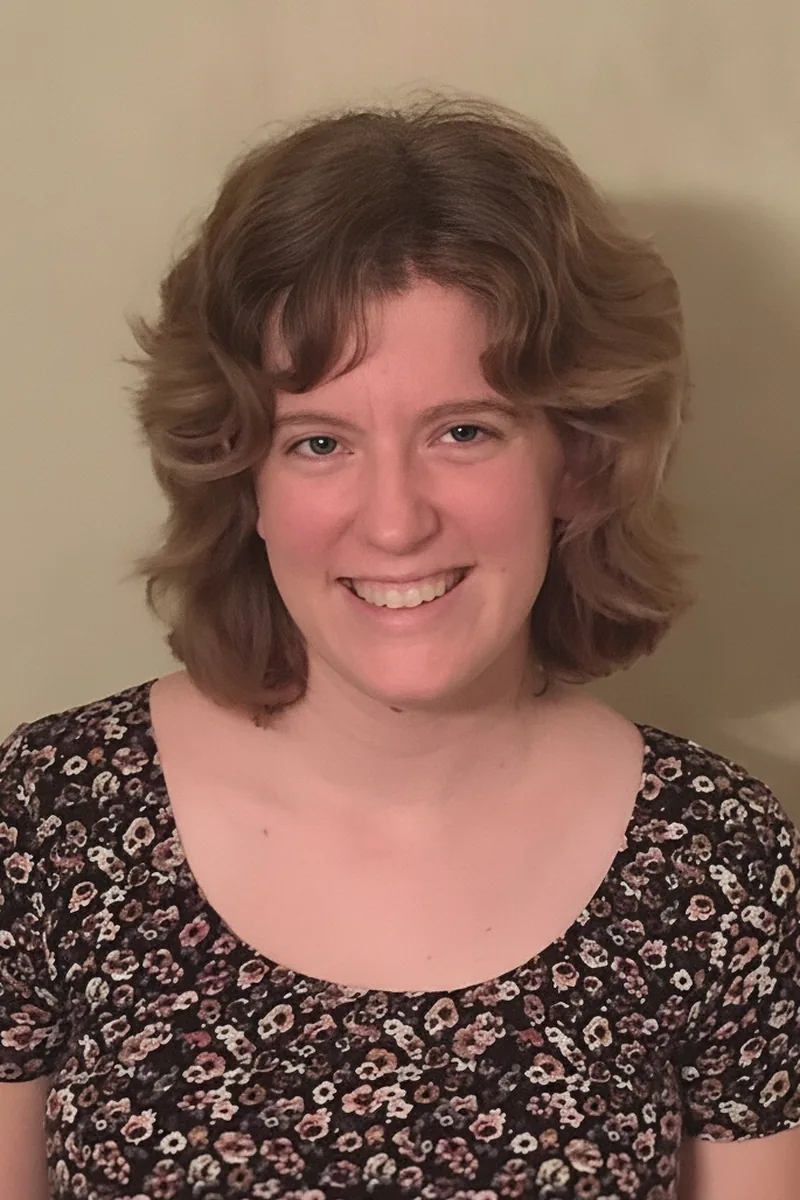
A PhD in biomedical engineering built on a biochemistry foundation means Kristina has spent years at the intersection of molecular biology and quantitative analysis — exactly the combination AP Bio demands when students need to interpret gel electrophoresis results or explain enzyme kinetics with real data. She's also stepping into a lecturing role for General Biology at Paul Quinn College, so she's actively organizing the same cellular processes and genetics content the exam covers into teachable, exam-ready frameworks. Rated 5.0 by students.
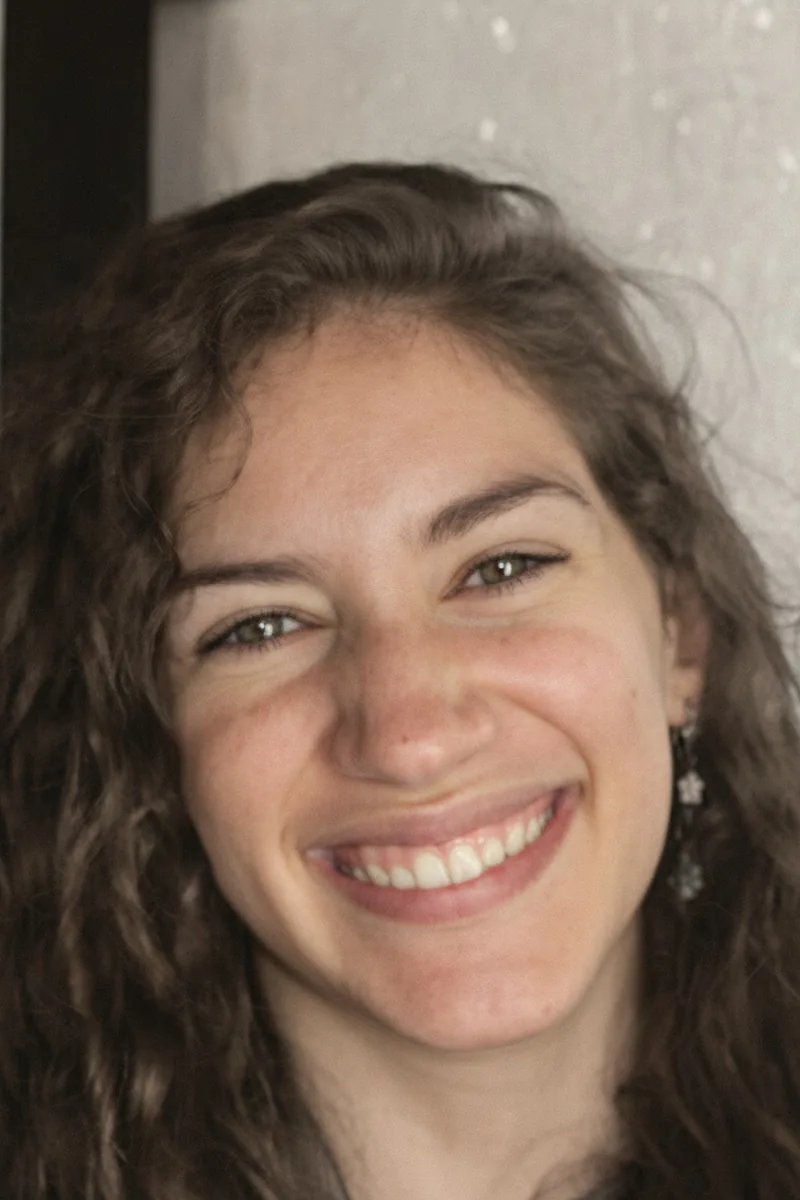
Ruthie studied the biological basis of behavior in college, which means she didn't just memorize AP Bio content like cell signaling and genetics — she had to apply it to understand how nervous systems produce behavior, how neurotransmitters cross synapses, and how gene expression shapes organisms at every level. That interdisciplinary angle is especially useful for the exam's ecology and evolution units, where students need to connect molecular mechanisms to organism-level outcomes. Rated 5.0 by students.
Srini is studying molecular biophysics at Brown, which means AP Bio topics like cell signaling cascades, gene expression, and membrane transport aren't just exam material — they're his daily coursework. He unpacks the why behind each biological process, connecting molecular details to the big-picture themes the AP exam rewards. Rated 4.8 by students.
Three years running a cell biology lab section at Notre Dame gave Connor a front-row seat to exactly where students stumble on AP Bio material — signal transduction pathways, gene regulation, experimental design questions. His master's work in biomedical sciences deepened that knowledge, and he teaches the course with an eye toward the free-response questions that separate 4s from 5s.
Between his neuroscience research at the Jungers Center and molecular biology work at the Oregon Stem Cell Center, Daniel has lived the content that shows up on the AP Biology exam — from cellular signaling pathways to gene expression and evolution. He teaches the free-response section by connecting big biological ideas to the experimental design skills the College Board actually tests for.
Few tutors bring a neuroscience specialization to AP Biology, which means Jhonatan can unpack signal transduction, membrane potentials, and nervous system physiology with a depth most students never get in the classroom. He also tackles the broader curriculum — from cellular respiration energetics to Hardy-Weinberg equilibrium — by tying each unit back to the four Big Ideas the exam is built around.
AP Bio covers an enormous range — from cellular respiration and gene expression to ecology and evolution — and the exam rewards students who can apply concepts to unfamiliar experimental scenarios. Lauren's dual background in neuroscience and chemistry at Duke means she connects molecular-level detail to big-picture biological systems, which is exactly the kind of thinking the free-response questions demand.
Owen is a neuroscience major at Brown, which means AP Biology's toughest units — cell signaling, gene expression, and cellular energetics — overlap directly with material he's studied at the college level. He teaches students to think like the exam demands: interpreting experimental data, constructing explanations using evidence, and connecting molecular-scale processes to organism-level outcomes.
Environmental science coursework gave Ethan an ecology-first perspective on biology — population dynamics, energy flow through ecosystems, and the interplay between organisms and their environments — which lines up directly with AP Bio's ecology and evolution units that many science-focused tutors breeze past. He also teaches AP Statistics, so he's unusually comfortable with the data interpretation and experimental design questions that trip students up on the exam. Rated 5.0 by students.
Graduate research in Chemical and Physical Biology at Vanderbilt meant Dennis spent years at the intersection of chemistry and living systems — dissecting metabolic pathways, protein interactions, and cellular energetics at a level that makes AP Bio's toughest biochemistry content second nature. His biochemistry undergraduate degree adds even more depth to the molecular biology and genetics units, where he can unpack processes like enzyme kinetics or gene regulation by grounding them in the actual chemistry students rarely get to see in a high school course. Rated 5.0 by students.
Dennis's physics research — simulating turbulent plasmas at Princeton and building optical filters at Norfolk State — might seem distant from AP Bio, but it trained him to think in systems and trace energy through complex processes, which is exactly what cellular energetics and ecosystem dynamics demand. His 36 ACT and strong science foundation mean he can teach students to reason through photosynthesis and respiration as energy transfer problems, not just memorization lists, which pays off on the exam's data-analysis and free-response questions.
AP Biology's free-response questions demand more than memorized facts — they want students to design experiments, interpret data, and argue from evidence about topics like gene regulation or ecosystem dynamics. Andrew's ongoing work in biochemical laboratories means he teaches these skills from firsthand experience, walking students through cellular respiration or signal transduction the way a researcher actually thinks about them.
AP Bio covers an enormous range — from molecular genetics to ecosystem dynamics — and the exam tests whether students can apply concepts to unfamiliar experimental scenarios. JF's mathematical and computational science training at Stanford sharpens the data-analysis and graph-interpretation skills that the redesigned AP Bio exam leans on heavily. That analytical lens turns intimidating free-response questions into structured problem-solving exercises.
Testimonials
Because the right AP Biology tutor makes all the difference.
Average Session Rating – Based on 3.4M Learner Ratings
Practice AP Biology
Free practice tests, flashcards, and AI tutoring for AP Biology
Nearby AP Biology Tutors
Other Provo Tutors
Related Science Tutors in Provo
Frequently Asked Questions
AP Biology covers eight major units: chemistry of life, cell structure and function, cellular transport, cell communication and division, heredity, gene expression and regulation, natural selection, and ecology. The course emphasizes both content knowledge and scientific practices like experimental design, data analysis, and evidence-based reasoning. A tutor can help you master these interconnected topics and develop the analytical skills the AP exam requires.
Score improvement depends on your starting point and how consistently you apply feedback. Many students who work with a tutor see gains of 1-2 points on the 5-point AP scale, though results vary. The most significant improvements typically come from targeted practice on weak units, learning effective test-taking strategies, and building confidence in free-response questions. A tutor can identify your specific gaps and create a focused study plan.
Students often struggle with the volume of content, complex processes like photosynthesis and cellular respiration, and the shift from memorization to conceptual understanding. The free-response section also challenges many students because it requires explaining concepts in depth and applying knowledge to new scenarios. A tutor can break down difficult topics into manageable pieces and teach you how to approach FRQ prompts strategically.
FRQs reward clear explanations, specific terminology, and evidence-based reasoning. Practice writing full responses under timed conditions, then review model answers to see how top-scoring responses are structured. Common mistakes include vague language, missing key details, and not connecting concepts. A tutor can provide targeted feedback on your FRQ practice, teach you how to organize complex answers quickly, and help you develop a consistent approach to each question type.
Most students benefit from consistent study throughout the school year, with increased focus in the 4-6 weeks before the exam. This typically means 30-45 minutes of focused study several times per week during the course, ramping up to daily practice closer to test day. Adding regular practice tests helps you track progress and identify weak areas. A tutor can help you create a realistic study schedule and adjust it based on your pace and performance.
Test anxiety often stems from feeling unprepared or uncertain about question formats. Taking multiple practice tests under timed conditions builds familiarity and confidence, reducing anxiety significantly. Developing a pre-exam routine, reviewing key concepts the night before, and arriving early to settle in also help. A tutor can work with you on test-taking strategies, help you practice pacing, and build your confidence by showing you how much you actually know.
Varsity Tutors connects you with expert tutors for AP Biology in Provo who understand the curriculum and exam format. You can specify your goals—whether you're aiming for a 3, 4, or 5, or focusing on specific units—and get matched with a tutor who fits your needs. The first session is a great opportunity to discuss your current level, identify weak areas, and create a personalized study plan.
Practice tests reveal which units you've mastered and where you need more work, allowing you to study strategically rather than reviewing everything equally. They also help you practice pacing—the exam requires you to answer 60 multiple-choice questions in 90 minutes and write three FRQs in 90 minutes, which takes adjustment. Taking full-length practice tests under timed conditions builds stamina and confidence. A tutor can review your practice test results with you and target instruction on your weakest areas.
Let’s find your perfect tutor
Answer a few quick questions. We’ll recommend the right plan and match you with a top 5% tutor.