Award-Winning AP Environmental Science Tutors
serving Provo, UT
AP Environmental Science
Tutors in Provo
Private 1-on-1 tutoring, weekly live classes for academic support, test prep & enrichment, practice tests and diagnostics, and more to elevate grades and test scores.
Based on 3.4M Learner Ratings
UniversitiesSchools & Universities
DeliveredHours Delivered
ProficiencyGrowth in Proficiency
Who needs tutoring?
No obligation. Takes ~1 minute.

Between his Biology Honors program at UIUC and his time hiking and studying ecosystems firsthand, Ian tackles AP Environmental Science with both academic rigor and genuine enthusiasm for the material. He breaks down FRQ-heavy topics like biogeochemical cycles, biodiversity loss, and environmental legislation so students can construct the kind of evidence-based arguments the exam rewards.
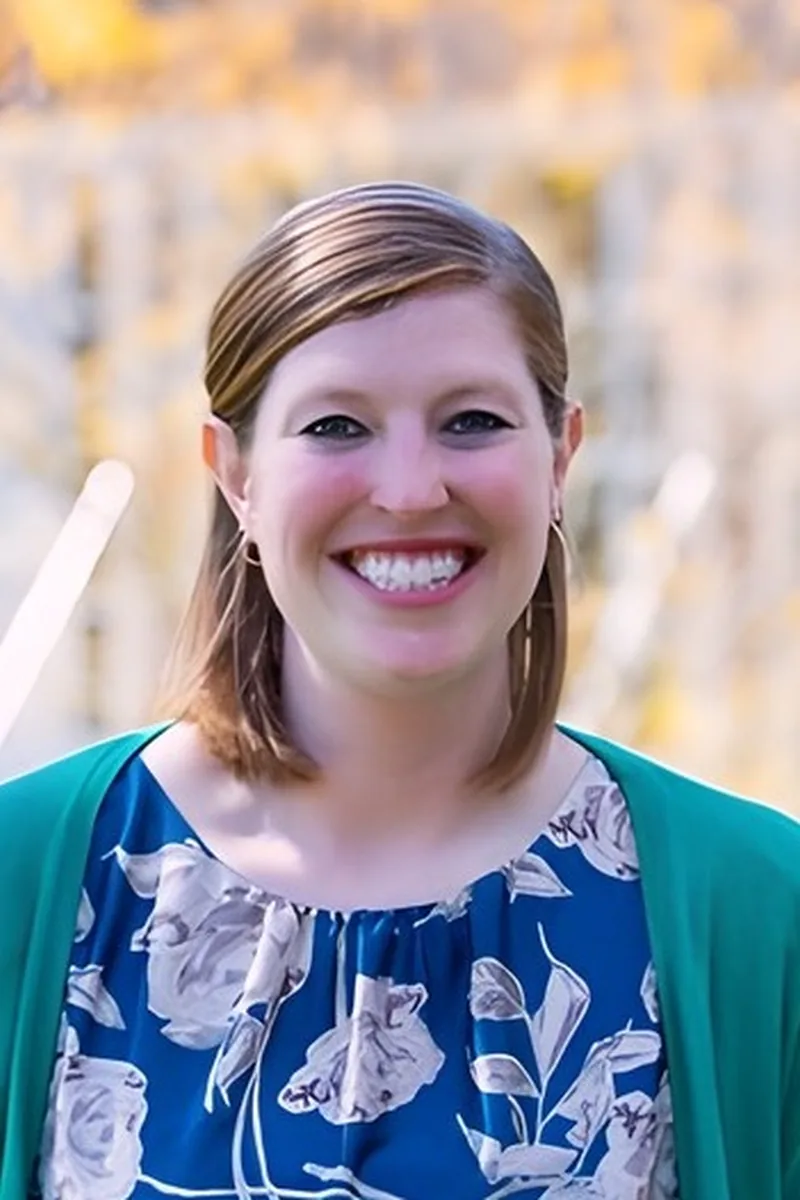
Katie holds a master's in science education and a bachelor's in natural resources and conservation — meaning she didn't just study APES topics like land use, biodiversity, and resource management as exam content; they were her actual field of study. She teaches students to think in cause-and-effect chains across units, connecting deforestation to soil erosion to water quality decline, which is exactly the kind of multi-step reasoning the free-response rubrics reward. Rated 5.0 by students.
Chellam earned her Environmental Science degree from UC Berkeley with a biological science concentration, which means AP Environmental Science isn't a subject she studied once — it was her entire academic focus. She breaks down everything from biogeochemical cycles to environmental policy analysis with the depth of someone who's done the fieldwork and the lab work behind the textbook diagrams.
Scott earned his Master's in Ecology studying exactly the systems the AP Environmental Science exam tests — biogeochemical cycles, biodiversity loss, population dynamics, and resource management. He breaks down free-response questions by teaching students to connect data interpretation with the underlying ecological principles, which is where most points are won or lost on exam day.
Brett earned three bachelor's degrees and a master's in biology, which means topics like biogeochemical cycles, ecosystem energy flow, and population ecology aren't just APES vocabulary for him — they're concepts he studied repeatedly across multiple degree programs. He brings that layered understanding to the lab-design and data-analysis questions where students need to explain mechanisms, not just label diagrams. Rated 5.0 by students.
I am a 3rd year bio major at GT with minors in biochemistry and computer science. My tutoring subjects are math, bio, and chem. I have tutored for a few years, and I have also TAed! My favorite subjects are general chemistry and molecular biology (: My personal belief is that anyone can enjoy a subject once they truly understand it.
Most APES students can memorize vocabulary lists but freeze when a free-response question asks them to explain how a neurotoxin moves through a food web or why bioaccumulation affects top predators disproportionately — Jhonatan's neuroscience specialization means he actually understands those biological mechanisms at the molecular level. He teaches students to trace environmental disruptions through living systems rather than treating each unit as isolated content, which is the connective thinking the exam scores highest. Rated 5.0 by students.
A Harvard-trained researcher who wrote his senior thesis on John Dewey's philosophy of education, Henry connects AP Environmental Science topics like biogeochemical cycles and ecosystem dynamics to the real-world policy debates that make them matter. He teaches students to interpret data sets and construct free-response answers that earn full credit by linking evidence to scientific claims.
Medical training reshapes how you think about environmental health — Amanda's MD/MPH work means she understands toxicology pathways, epidemiological data, and the public health consequences of pollution at a clinical level, which gives her a distinctive angle on APES units covering air and water quality, disease vectors, and human impact. She teaches students to read dose-response data and environmental risk assessments the way a physician would, building the analytical reasoning the free-response section rewards.
Pharmacy students spend semesters on toxicology, chemical fate in biological systems, and dose-response relationships — concepts Amy applies directly to APES units on pollution, bioaccumulation, and human health impacts. Her biology minor at Northeastern reinforces the ecological side, from nutrient cycling to population dynamics, and a 1550 SAT signals the quantitative precision needed for the exam's calculation-heavy free-response questions. Rated 4.9 by students.
Eileen's neuroscience coursework at Vanderbilt — tracing how disruptions propagate through biological systems — gives her a useful lens for APES topics like bioaccumulation, feedback loops in climate systems, and how environmental toxins affect organisms at multiple scales. She scored a 36 on the ACT and brings that same precision to the data-interpretation and calculation questions that catch students off guard on exam day.
Political science might seem distant from APES, but Emily's government background is a real asset for the policy-heavy free-response questions — evaluating legislation like the Clean Air Act, weighing economic trade-offs of resource management, and constructing evidence-based arguments about environmental regulation. She pairs that with a 34 ACT and the visual-thinking skills of a trained photographer, which means she's unusually effective at teaching students to extract information from the data tables, diagrams, and graphs the exam relies on. Rated 5.0 by students.
Testimonials
Because the right AP Environmental Science tutor makes all the difference.
Average Session Rating – Based on 3.4M Learner Ratings
Practice AP Environmental Science
Free practice tests, flashcards, and AI tutoring for AP Environmental Science
Nearby AP Environmental Science Tutors
Other Provo Tutors
Related Science Tutors in Provo
Frequently Asked Questions
An effective AP Environmental Science tutor should have strong knowledge of ecology, Earth systems, and environmental policy—the core pillars of the AP exam. Look for tutors with experience teaching AP-level content, familiarity with the current exam format (multiple-choice and free-response questions), and ideally a track record helping students improve their scores. Varsity Tutors connects you with expert tutors who understand both the subject matter and the specific demands of the AP Environmental Science assessment.
Score improvement depends on your starting point and how consistently you engage with tutoring. Students who work with a tutor to identify weak topics—whether that's biogeochemical cycles, population dynamics, or environmental policy—typically see meaningful gains. Many students improve by 1-2 score points (on the 1-5 scale) over a semester or two, especially when tutoring is paired with consistent practice on released exams and targeted review of challenging concepts.
Students often struggle with quantitative problem-solving—calculating population growth rates, energy flow through ecosystems, or water chemistry calculations—because these require both conceptual understanding and computational accuracy. The free-response section also challenges many students because it requires synthesizing multiple concepts and communicating environmental solutions clearly. A tutor can break down these complex topics into manageable pieces and help you practice the specific problem types you'll see on test day.
Most students benefit from starting test prep 2-3 months before the exam in May, though beginning earlier gives you more time to master difficult concepts. If you're taking the course for the first time, consistent tutoring throughout the year—even just 1-2 sessions per month—helps reinforce material as you learn it and prevents cramming. For students preparing for a retake or intensive review, 4-6 weeks of focused tutoring can help you target your weakest areas and boost your confidence.
Your first session is about establishing where you stand and what you need. A tutor will likely assess your current understanding of key topics, review your class notes or recent exams, and identify which concepts—whether it's energy flow, human population impacts, or environmental policy—need the most attention. From there, you'll develop a personalized study plan that targets your specific weak areas and aligns with your timeline before the AP exam.
Free-response questions on the AP Environmental Science exam require you to apply concepts to real-world scenarios and communicate your reasoning clearly. A tutor can help you practice structuring answers (identifying the question's focus, explaining relevant concepts, and connecting them to the scenario), managing your time across the three FRQ sections, and avoiding common mistakes like vague explanations or incomplete reasoning. Regular practice with released exam questions under timed conditions is key to building confidence.
Provo's schools and the surrounding Utah Valley offer strong science programs, and many teachers provide review sessions and practice materials. Your school library likely has AP prep books and access to online databases. Pairing these school resources with personalized tutoring gives you the best of both worlds—classroom instruction plus one-on-one help targeting your specific struggles. Varsity Tutors connects you with tutors who can work alongside your school's curriculum and help you excel.
Practice tests are essential for AP Environmental Science because they help you get comfortable with the exam format, identify weak topics, and build test-taking endurance. You should take full-length practice tests under timed conditions starting 4-6 weeks before the exam, then review every question you missed to understand why. A tutor can help you analyze your practice test results, pinpoint patterns in your mistakes, and create targeted review sessions for the topics that consistently trip you up.
Let’s find your perfect tutor
Answer a few quick questions. We’ll recommend the right plan and match you with a top 5% tutor.