Award-Winning AP Studio Art: 2-D Design
Tutors
Award-Winning
AP Studio Art: 2-D Design
Tutors
Private 1-on-1 tutoring, weekly live classes for academic support, test prep & enrichment, practice tests and diagnostics, and more to elevate grades and test scores.
Based on 3.4M Learner Ratings
UniversitiesSchools & Universities
DeliveredHours Delivered
ProficiencyGrowth in Proficiency
Who needs tutoring?
No obligation. Takes ~1 minute.
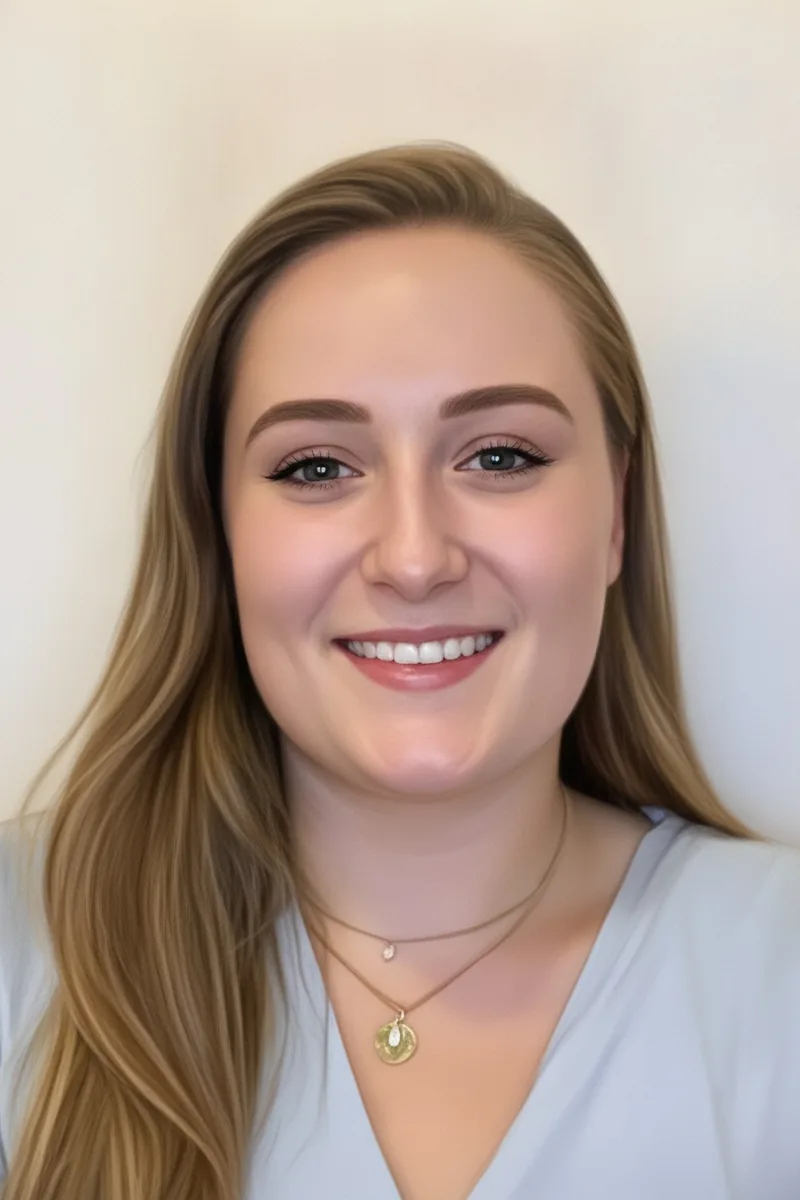
The AP 2-D Design portfolio asks students to demonstrate mastery of composition, surface, and space while sustaining a coherent line of inquiry across multiple pieces. Mimi earned her B.A. in Art History at Dartmouth and later completed a Master's in Education at Harvard, where she specialized in integrated arts learning. She uses that dual lens to teach students how to analyze their own design choices critically — strengthening both the visual work and the reflective writing that accompanies it.
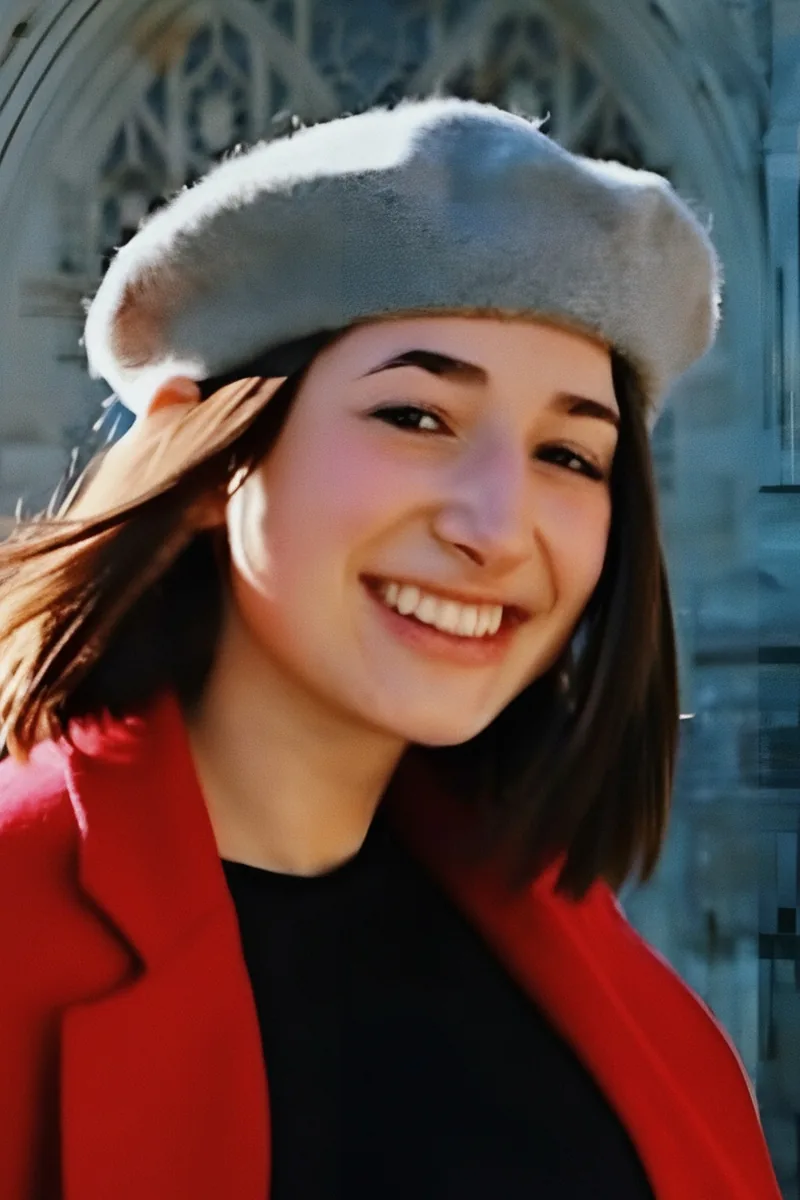
As Arts Editor for the Yale Scientific Magazine and a working graphic designer for the CDC, Ellie lives at the intersection of visual communication and conceptual thinking that AP 2-D Design demands. She walks students through building a sustained investigation with a coherent inquiry, tackling everything from composition principles to writing the artist statement that ties a portfolio together.
The 2-D Design portfolio lives or dies on how well a student demonstrates intentional use of design principles — rhythm, balance, unity — across their sustained investigation. Rachel zeroes in on the connection between visual choices and the written rationale, making sure each piece in the portfolio communicates a clear evolution of ideas. She's especially sharp at helping students revise artist statements that feel vague into ones that are specific and compelling.
Building a 2-D Design portfolio means thinking deliberately about how color, balance, repetition, and negative space communicate ideas across a sustained investigation. Li's photography and art practice gives her a trained eye for compositional choices, and she breaks down the AP scoring criteria so students understand exactly what examiners look for in breadth, concentration, and quality sections.
Scoring well on the AP 2-D Design exam means more than producing strong individual pieces; the sustained investigation must demonstrate a clear line of inquiry across an entire portfolio. Martha's strength is on the conceptual and communicative side — she teaches students to articulate how their use of color, composition, or media choices connects to a larger artistic question. That written rationale often makes the difference between a 4 and a 5.
Ariela studies Theater & Performance Studies with a strong personal practice in visual art and photography, giving her a working vocabulary in composition, color theory, and visual storytelling. For AP Studio Art: 2-D Design, she digs into the portfolio development process — particularly the Sustained Investigation, where students need to articulate how their pieces connect through a coherent artistic inquiry. She knows how to talk about design choices in language that translates to the written artist statement AP readers expect.
Hasan earned his B.A. in Visual Arts from Brown, where he studied composition, color theory, and conceptual development across multiple media — exactly the vocabulary the AP 2-D Design portfolio demands. He teaches students to articulate their design choices in the written materials that accompany the sustained investigation, turning intuitive decisions into the kind of deliberate inquiry that scores well.
Building a 2-D Design portfolio means thinking about composition, color theory, and visual hierarchy across every single piece — and then tying it all together with a concentration that tells a story. Nova's Visual Art studies at Brown give her a trained eye for critiquing layout, balance, and use of media, and she coaches students on writing the investigation statements that AP readers actually want to see.
The AP 2-D Design exam isn't just about making strong individual pieces — it's about curating a portfolio where color theory, composition, and conceptual depth build on each other across the sustained investigation. Elise's BFA training in Studio Arts means she can critique work the way a college-level review panel would, catching weaknesses in visual unity or thematic development before submission day.
A strong AP 2-D Design portfolio hinges on demonstrating purposeful use of elements like color theory, balance, and visual hierarchy across a sustained investigation. Danielle brings both a practicing artist's eye and years of arts-based teaching to the revision process, pushing students to articulate why each piece belongs in their portfolio. She treats the breadth and concentration sections as a storytelling exercise — which plays directly to her English literature training.
Building a strong AP 2-D Design portfolio means more than producing polished pieces; it requires a sustained investigation where each work builds on the last through deliberate choices in composition, color, and visual hierarchy. Allison brings an architect's trained eye for layout, proportion, and negative space to that process. Her drawing practice and design education at Columbia make her especially effective at pushing students past surface-level aesthetics toward intentional design decisions.
A strong AP 2-D Design portfolio hinges on demonstrating mastery of principles like balance, rhythm, and visual hierarchy within a sustained investigation. Hali's Visual and Performing Arts background gives her a trained eye for critiquing compositions and pushing color, typography, or photographic work toward more intentional design decisions. She also walks students through writing the artist statement that ties the portfolio together.
AP 2-D Design scoring hinges on how well a student's portfolio demonstrates intentional experimentation with elements like balance, contrast, and rhythm across a sustained investigation. Vianna's illustration background and eye for visual storytelling make her especially effective at coaching students through the conceptual side — articulating why design choices work and revising pieces that aren't yet communicating their intended idea.
Sophia's background isn't in studio art, but her Photoshop and digital design experience gives her practical fluency with composition, layering, and visual hierarchy — core elements AP 2-D Design readers evaluate in every portfolio piece. Where she adds the most value is on the written side: her psychology training and strong SAT writing skills (1470 composite) sharpen the artist statement work, helping students articulate the "why" behind their design choices with the kind of specificity that elevates a sustained investigation.
Building a competitive AP 2-D Design portfolio means making deliberate choices about color relationships, visual weight, and compositional unity across an entire sustained investigation. Lee earned his studio art degree at the University of Maryland, so he understands both the creative process and the portfolio-review criteria — he teaches students to connect their design principles vocabulary to the actual work on the page.
Emily's MFA in Photography from SCAD means she's spent years making deliberate decisions about framing, light, and surface — the same compositional thinking that drives a strong AP 2-D Design portfolio. She zeroes in on helping students shape their sustained investigation around a genuine visual question, then coaches them to document their process in artist statements that read as precisely as the work looks. Rated 5.0 by students.
The AP 2-D Design portfolio lives or dies on how well a student's sustained investigation holds together across pieces. Aiden's 3D art training at Reed gave him a strong eye for composition, color relationships, and conceptual consistency — skills that translate directly to coaching students through the breadth and concentration sections. He also unpacks the written evidence requirements so the portfolio reads as a unified visual argument.
Julia's Bachelor's in Studio Art means she's been through the same portfolio-building process AP 2-D Design students face — developing a body of work that demonstrates intentional experimentation with media, surface, and composition. Her English degree sharpens the other half of the exam: crafting the written investigation statements where students must articulate how each piece connects to a driving visual question. That combination of studio practice and precise writing is exactly what the AP portfolio submission demands.
Building an AP 2-D Design portfolio means thinking like a designer: every piece needs to show intentional decisions about color relationships, visual hierarchy, and compositional structure. Emily's MFA training and years of college-level teaching give her a sharp eye for how individual works read as a sequence, and she digs into the sustained investigation section to make sure each student's conceptual thread is clear and compelling to reviewers.
Pia's background isn't in studio art, but her Americorps teaching experience and strong writing skills make her a useful sounding board for the reflective side of the AP 2-D Design portfolio — particularly the artist statements and written investigation where clear, precise language can elevate a submission. She approaches the writing component the way she'd approach a college essay: sharpening the argument, cutting vague language, and making sure every sentence connects back to a central idea.
The difference between a 3 and a 5 on AP Studio Art: 2-D Design often comes down to how deliberately a student's sustained investigation evolves across pieces. Laura tackles both the visual and verbal components — color theory, compositional choices, and use of media alongside the written evidence that explains the artistic inquiry. Her cross-disciplinary thinking connects design principles to ideas students already understand from other subjects.
I am a sophomore college student at Texas A&M! I have always had a passion for knowledge, and I'm super excited to ignite that passion in my students! Learning study skills and habits that will set students up for success is my main goal.
Building a sustained investigation for AP 2-D Design means developing a coherent body of work while demonstrating mastery of composition, color theory, and material choices — and then articulating it all in writing. Parker is pursuing a B.A. in studio art alongside a CS degree, which means the portfolio development process is something being lived right now, not remembered from years ago. That dual perspective also sharpens the conceptual framing that scores well on the written components.
Kay's background isn't in visual art, but her Columbia education and current MAT training give her sharp editorial instincts for the piece of AP 2-D Design that trips up many students: the written investigation and artist statements. She treats those reflective components like argumentative essays — tightening vague language, clarifying the throughline of a sustained investigation, and making sure every sentence justifies a specific design decision. Rated 4.9 by students.
Mary's strength here isn't in the studio — it's in the writing that can make or break an AP 2-D Design score. Her Slavic Languages degree trained her in close textual analysis, and her experience scoring standardized tests for the Data Recognition Corporation means she understands exactly how rubric-driven evaluators read student work. She applies that lens to the written investigation and artist statements, sharpening vague reflections into precise, evidence-based explanations of design choices.
Lauren is currently writing her dissertation on ecomuseums and designated outdoor spaces — research that requires the same kind of sustained visual investigation AP 2-D Design students must demonstrate in their portfolios, connecting spatial design choices to a driving conceptual question. Her photography and painting practice gives her a working eye for composition and surface, while her writing background makes her especially sharp on the reflective statements where students need to explain why they made specific design decisions.
Building an AP 2-D Design portfolio means making deliberate choices about composition, color relationships, and visual hierarchy across a sustained body of work. Hannah holds a degree in art alongside her science background, so she can speak fluently about design principles while also coaching students on the written artist statement that readers use to evaluate artistic intent. Rated 5.0 by students.
A strong 2-D Design portfolio needs more than technical skill; it needs a visual argument that AP readers can follow across an entire sustained investigation. Nina brings experience in both digital and traditional media and digs into the design principles — balance, emphasis, rhythm, unity — that tie individual pieces into a coherent body of work. She also coaches students on writing the artist statements that contextualize each decision.
Delia earned her BFA in Photography from CU Denver, which means she doesn't just understand 2-D design principles like composition, contrast, and use of space — she's built an entire portfolio around them. She walks AP Studio Art students through developing a sustained investigation, selecting a cohesive concentration theme, and articulating artistic intent in written responses that score well with reviewers.
Composition, color theory, and visual hierarchy aren't just vocabulary terms for the AP exam — they're decisions a student needs to make dozens of times across a portfolio. Juan approaches 2-D Design by treating each piece as part of a larger conversation, pushing students to experiment with media and techniques while keeping their Sustained Investigation focused. His background as a painter means feedback comes from someone who actually makes work, not just critiques it.
The AP Studio Art: 2-D Design portfolio asks students to demonstrate mastery of design principles like balance, rhythm, and unity across a sustained body of work — and then explain it all in writing. Andrea tackles the written portfolio components, coaching students to articulate how their use of color, space, and composition serves a cohesive concept. Her English literature training translates directly into the kind of precise, reflective language the AP readers reward.
Building a cohesive AP 2-D Design portfolio requires more than strong individual pieces — the College Board wants to see a clear line of inquiry across the sustained investigation section. Caitlin approaches the portfolio like a visual argument, coaching students on how each piece should advance their central idea through deliberate choices in color theory, layout, and media. She's rated 5.0 by students.
The AP 2-D Design portfolio lives or dies on the sustained investigation, where students need to show genuine artistic inquiry across a body of work. Aria's background as a creative thinker and practicing artist means she can coach students through developing a cohesive visual concept, refining compositional choices, and writing the artist statements that tie everything together.
Currently, I am a Research Technician at New Mexico State University in Las Cruces, NM. I have tutored as an undergraduate student, and I have been the lead TA for General Chemistry courses at UC Berkeley. Chemistry is one of my passions, and I would love to share my experience!
Testimonials
Because the right AP Studio Art: 2-D Design tutor makes all the difference.
Average Session Rating – Based on 3.4M Learner Ratings


Top 20 Subjects
Frequently Asked Questions
Most students struggle with maintaining conceptual consistency across their 12 pieces while also demonstrating technical mastery and innovation. The portfolio requires a cohesive investigation of a personal artistic concern, but many students either play it too safe with familiar techniques or jump between unrelated ideas. A tutor can help you identify a strong unifying theme early, develop it intentionally across pieces, and ensure each work shows progression in both concept and execution—which is exactly what AP readers evaluate.
You'll need roughly 12-15 weeks to complete quality work, which means starting early and treating it like a studio practice rather than cramming. A strong approach is dedicating 8-10 hours per week to studio work, with regular check-ins to assess whether pieces are meeting the AP criteria for evidence of inquiry, making art decisions, and presenting work. Tutors experienced with AP Studio Art can help you create a realistic timeline, identify which pieces need revision, and ensure you're not just making quantity but building a cohesive, compelling body of work.
Inquiry means showing your artistic thinking process—not just the finished pieces. AP readers want to see how you explored ideas, made intentional choices, and refined your work based on investigation. This includes documenting your process through sketches, studies, written reflections, and iterations that show you're asking questions like: How can I express this concept differently? What materials work best? How do composition choices affect meaning? Tutors can guide you in selecting and presenting evidence of this thinking so it's clear and compelling in your portfolio documentation.
The AP rubric weights both equally—you need strong technical execution AND meaningful conceptual investigation. The trap many students fall into is prioritizing one over the other: either creating technically polished work without depth, or having interesting ideas but weak execution. The strongest portfolios show pieces where concept and technique work together; for example, your choice of medium, color palette, or composition directly supports your artistic investigation. A tutor can help you evaluate each piece to ensure it's strong in both dimensions and guide you on which pieces might need refinement.
Rather than trying every medium, select 2-4 that genuinely excite you and align with your artistic investigation. Whether you work primarily with drawing, painting, printmaking, digital art, collage, or mixed media, what matters is that you demonstrate mastery and intentionality with your chosen materials. Many students benefit from exploring one primary medium deeply while using others strategically to support specific ideas. A tutor can help you identify which mediums best serve your concept, develop technical proficiency in them, and ensure your portfolio shows both consistency and thoughtful variation.
AP readers evaluate your work through digital images, so presentation quality matters significantly. Each piece needs clear, well-lit photography that accurately represents color and detail; poor documentation can undermine even strong work. Beyond images, your artist statement and process documentation should be concise, specific, and directly connected to each piece—explaining your choices rather than over-generalizing. Tutors can review your documentation, suggest photography improvements, and help you write statements that clearly articulate your inquiry and decision-making for each work.
Most successful portfolios include at least 2-3 pieces that were significantly revised or remade based on feedback and self-assessment. The goal isn't perfection on the first attempt—it's demonstrating that you can evaluate your work critically and improve it. Some pieces might need a complete restart if they don't align with your investigation or lack technical strength; others might just need refinement. Building revision time into your schedule (roughly 20% of your total studio hours) helps ensure your final 12 pieces represent your best thinking and execution.
The best tutors for this exam have active studio practice themselves and understand both the technical and conceptual demands of 2-D art. They should be able to give specific feedback on composition, color theory, material choices, and artistic concept—not just general encouragement. Look for someone who can help you develop a coherent artistic voice, troubleshoot technical challenges in your chosen medium, and articulate your ideas clearly in your artist statement. Varsity Tutors connects you with tutors who have deep expertise in AP Studio Art and can guide your portfolio development from concept through final presentation.
Let’s find your perfect tutor
Answer a few quick questions. We’ll recommend the right plan and match you with a top 5% tutor.