Award-Winning Spanish Tutors
serving Reno, NV
Spanish
Tutors in Reno
Private 1-on-1 tutoring, weekly live classes for academic support, test prep & enrichment, practice tests and diagnostics, and more to elevate grades and test scores.
Based on 3.4M Learner Ratings
UniversitiesSchools & Universities
DeliveredHours Delivered
ProficiencyGrowth in Proficiency
Who needs tutoring?
No obligation. Takes ~1 minute.
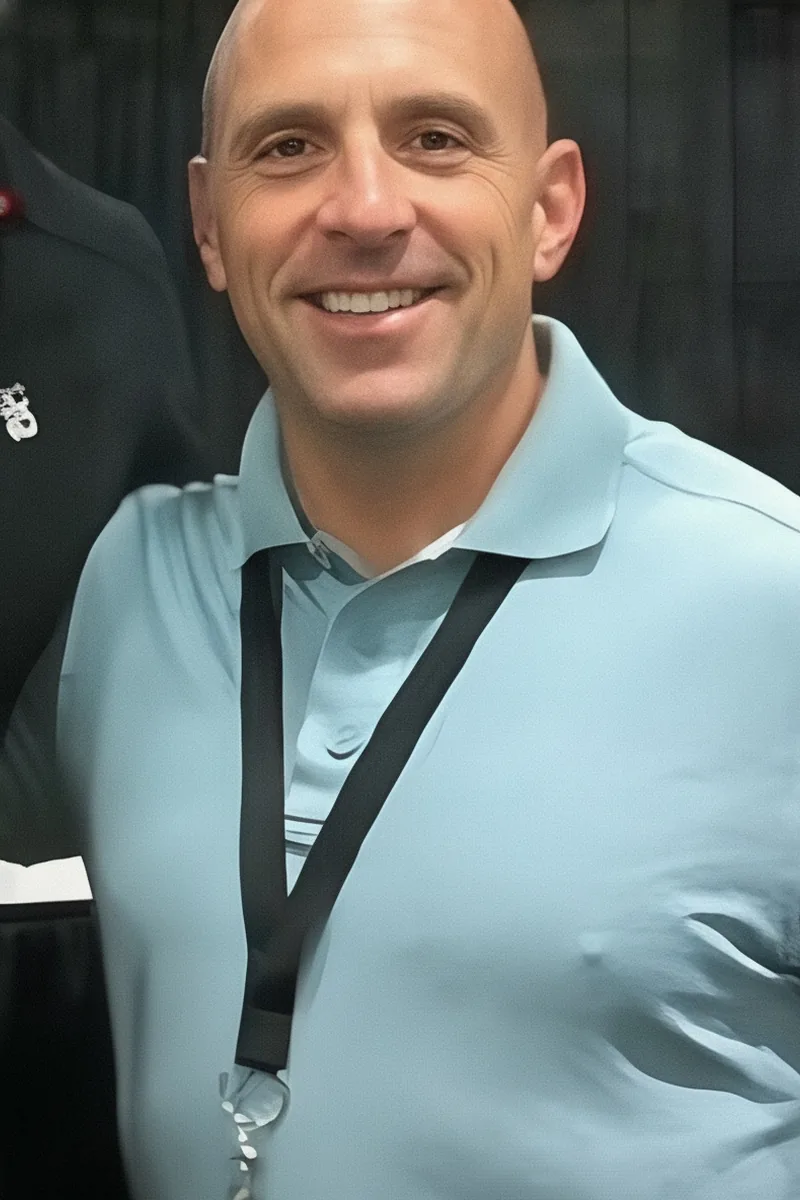
Tony earned his bachelor's degree in Spanish and continued using the language throughout his Latin American Studies master's program, so his command of the language spans academic writing, literary analysis, and everyday conversation. He tackles tricky grammar concepts like the subjunctive mood and ser-versus-estar distinctions by grounding them in real usage patterns rather than rote conjugation charts. Rated 5.0 by students.

I am passionate about helping students because I've been a student my whole life! Even though I'm a professor now, I love to learn. And now that I have experience, I love to help others along the learning journey. I have degrees in English and education from Rice University, UT Austin, Texas State, and Texas A&M. I also studied abroad in England at the University of East Anglia and have traveled to many countries. I tutor English and Spanish (my family is from Mexico City). My favorite thing to tutor is writing, and I have taught writing from the Kindergarten-graduate school (Ph.D.) level (what I currently do). I am here to share tools and tips to help you succeed in your learning journey.
Chemistry trained Shawn to memorize complex nomenclature systems and spot structural patterns — skills that transfer surprisingly well to learning Spanish vocabulary roots and conjugation frameworks. He approaches the language analytically, breaking down verb endings and grammatical rules into repeatable patterns the same way he'd teach students to balance equations. Rated 4.9 by students.
Gabriela is a native Spanish speaker who has taught math entirely in Spanish across multiple grade levels, giving her a practical command of academic vocabulary, verb conjugation in context, and sentence structure. Her Master's in Math Education means she understands how to break down complex grammar rules the same way she'd scaffold a tough equation — step by step, building on what a student already knows.
Martina learned Spanish as a second language herself before teaching it professionally in British schools, so she understands exactly where English speakers stumble — subjunctive triggers, ser versus estar, preterite versus imperfect. She builds lessons around active use of the language, pushing students to produce sentences and think in Spanish from the very first session. Rated 4.8 by students.
Sam treats Spanish grammar the way he approaches any structured system: by identifying the underlying patterns — verb conjugation families, pronoun placement rules, subjunctive triggers — so students can generate correct sentences instead of relying on memorized phrases. His analytical mindset, sharpened through pre-law study, translates surprisingly well to untangling tricky constructions like the difference between por and para.
Elizabeth teaches Spanish across multiple levels, from foundational verb conjugations in the present tense through subjunctive mood and complex sentence structures. Her engineering background gives her a systematic way of breaking down grammar rules into logical patterns that stick, making the jump from translating word-by-word to thinking in Spanish feel manageable.
Andrea's Spanish instruction covers everything from conjugation patterns in the preterite and imperfect tenses to building the vocabulary needed for reading comprehension and composition. Having studied Spanish through advanced levels herself, she explains grammar rules by showing how they function in real sentences rather than drilling isolated verb charts. Students rated her 4.9 out of 5.0.
Teaching Spanish across four proficiency levels — from introductory grammar through advanced conversation — gives Orestes a clear picture of where each student's comprehension actually sits. He digs into verb conjugation patterns, pronoun placement, and sentence construction with enough repetition and context that students internalize the rules instead of just translating word by word from English.
Two awards from the National Spanish Exam and a passing score on the AP Spanish Language and Culture exam back up Samuel's command of the language. He tackles everything from verb conjugation patterns to reading comprehension, connecting grammar rules to how Spanish is actually spoken so the structures make intuitive sense. Rated 5.0 by students.
Learning Spanish means internalizing verb conjugations, gendered nouns, and sentence structures that don't map neatly onto English — and that's just the grammar side. Alma teaches across all four levels of Spanish coursework, so she understands the progression from present-tense basics to subjunctive mood and beyond. She adapts each session to whether a student needs drilling on preterite vs. imperfect or practice constructing longer spoken responses.
I'm 18 years old and I am a sophomore at Fordham University. I promise I won't disappoint!
Simon teaches Spanish across four levels, from foundational conjugation patterns in the present tense to navigating subjunctive mood and complex reading passages at the advanced level. His approach treats grammar as a logical system — once a student sees why irregular preterite verbs follow certain patterns, retention improves dramatically.
Teaching high school students in Vietnam gave Alyssa firsthand experience communicating across language barriers and building comfort with imperfect fluency. She applies that same patience to Spanish, tackling verb conjugation patterns, pronoun usage, and sentence construction in ways that build real conversational and written confidence at the Spanish 2 level and beyond.
Teaching across Spanish 1 through Spanish 3, Sarah knows exactly where each level's stumbling blocks are — from mastering ser versus estar early on to navigating subjunctive mood in more advanced coursework. Her Vanderbilt coursework and conversational practice give her a feel for how the language actually sounds, not just how it looks on a conjugation chart.
Teaching Spanish through all four levels — from introductory grammar through advanced conversation — gives Charles a clear picture of where students typically get stuck, whether it's ser versus estar, subjunctive mood triggers, or building spoken fluency. He keeps lessons practical, connecting conjugation drills and vocabulary to real conversational scenarios so the language feels usable, not abstract.
Aditi teaches Spanish with an emphasis on building grammar systematically — verb conjugations, pronoun usage, sentence structure — so students can construct their own sentences instead of relying on memorized phrases. She covers beginner through intermediate levels and connects vocabulary to real-world contexts that make retention easier.
James teaches Spanish at multiple levels, from foundational vocabulary and verb conjugations through more advanced work with subjunctive mood and reading comprehension. His background in multiple languages — including Latin and French — gives him a knack for explaining how Spanish grammar patterns connect to broader Romance language structures, which makes tricky concepts like ser vs. estar or preterite vs. imperfect click faster.
Cassandra teaches Spanish at the introductory and intermediate levels, covering verb conjugation, pronoun usage, and sentence construction. Her background in comparative literature and Latin gives her a structural understanding of how Romance languages work, which makes explaining concepts like the subjunctive or ser-versus-estar distinctions more intuitive for students.
Seven years of formal Spanish study plus a year living in Spain gave Matthew the kind of fluency that covers both grammar rules and the intuitive feel for how the language actually works. He tackles everything from subjunctive mood and preterite-vs-imperfect distinctions to building conversational confidence. Students get someone who learned Spanish as a second language and remembers exactly where the sticking points are.
Emily pairs structured grammar instruction — verb conjugations, pronoun usage, subjunctive triggers — with reading and listening practice that reinforces vocabulary in context. Her analytical mindset from the sciences translates well to language learning, where pattern recognition in tense structures and sentence construction can accelerate progress quickly.
Isaiah teaches Spanish with an emphasis on building real comprehension, not just conjugation drills. Whether a student is wrestling with the subjunctive mood or struggling to keep preterite and imperfect straight, he connects grammar rules to how Spanish is actually spoken and written. He covers Spanish 1 through 3 and scored high enough on the SAT Subject Test in Spanish with Listening to tutor it.
Four years living in Viña del Mar, Chile, gave Anna the kind of Spanish fluency you can't get from a textbook — she taught at a Chilean university, navigated daily life in Spanish, and absorbed the idiomatic rhythms of real conversation. She brings that immersion experience into lessons on verb conjugation, subjunctive mood, and reading comprehension, connecting grammar rules to how Spanish is actually spoken.
Vivian's background is in music performance and standardized test prep, not Spanish — but her Juilliard training means she's wired to hear and reproduce precise patterns, a skill that transfers directly to mastering pronunciation, accent marks, and the rhythmic flow of spoken Spanish. She applies the same disciplined, repetition-based practice she uses in the practice room to lock in conjugation patterns and vocabulary retention.
Testimonials
Because the right Spanish tutor makes all the difference.
Average Session Rating – Based on 3.4M Learner Ratings
Other Reno Tutors
Related Languages Tutors in Reno
Frequently Asked Questions
Your first session is an opportunity to connect with a tutor and discuss your Spanish goals—whether you're working toward fluency, preparing for an AP exam, or building conversational confidence. The tutor will assess your current level across reading, writing, speaking, and listening to create a personalized learning plan tailored to your needs and timeline.
In a classroom setting, students often get limited speaking time. With personalized 1-on-1 instruction, you have consistent opportunities to practice conversation, receive real-time feedback on pronunciation and accent, and build confidence speaking without the pressure of a large group. Tutors can focus on your specific pronunciation challenges and help you develop natural, fluent speech patterns.
Verb conjugation is one of the most challenging aspects of Spanish grammar, but it's essential for fluent communication. Tutors break down conjugation patterns systematically, help you understand the logic behind different tenses, and use targeted practice and retrieval exercises to build long-term retention. Rather than memorizing rules in isolation, you'll learn how conjugations work in real conversations and writing.
Effective vocabulary learning combines multiple strategies: spaced repetition (reviewing words at increasing intervals), using words in context through conversation and writing, and connecting new vocabulary to cultural contexts and real-world situations. Tutors help you develop personalized systems for retention and ensure you're learning vocabulary that's relevant to your goals, whether that's everyday conversation or academic Spanish.
Yes. Varsity Tutors connects students in Reno with tutors who understand the Spanish curricula taught across the area's 102 schools and can support you whether you're in Spanish I, II, III, AP Spanish Language, or AP Spanish Literature. Tutors can help with homework, exam preparation, and deepening your understanding of grammar, literature, and cultural topics covered in your course.
Learning Spanish isn't just about grammar and vocabulary—understanding the cultures where Spanish is spoken makes the language come alive and improves retention. Tutors incorporate cultural context, authentic materials, and discussions about Spanish-speaking communities to help you develop deeper language skills and appreciation. This immersion-style approach makes learning more engaging and helps you communicate more naturally.
Fluency depends on your starting level, goals, and practice frequency. Research suggests reaching professional proficiency typically requires around 600 hours of focused study and practice. With consistent 1-on-1 tutoring combined with your own practice, you can accelerate progress significantly. Your tutor can set realistic milestones based on your specific goals and help you stay on track.
Varsity Tutors connects you with tutors who have expertise in Spanish language instruction and understand your specific needs—whether you're a beginner, preparing for an exam, or working toward conversational fluency. You can discuss your goals and learning style upfront to ensure a great match. The personalized approach means your tutor can adapt their teaching to how you learn best.
Let’s find your perfect tutor
Answer a few quick questions. We’ll recommend the right plan and match you with a top 5% tutor.