Award-Winning Elementary School Reading Tutors
serving Reno, NV
Elementary School Reading
Tutors in Reno
Private 1-on-1 tutoring, weekly live classes for academic support, test prep & enrichment, practice tests and diagnostics, and more to elevate grades and test scores.
Based on 3.4M Learner Ratings
UniversitiesSchools & Universities
DeliveredHours Delivered
ProficiencyGrowth in Proficiency
Who needs tutoring?
No obligation. Takes ~1 minute.

Before a child can love books, they need to feel confident decoding what's in front of them — sounding out tricky words, recognizing sight vocabulary, and retelling what just happened in a story. Serena makes reading practice interactive by asking prediction questions and connecting stories to things kids already care about. She's tutored students across age levels and knows how to keep younger learners engaged.
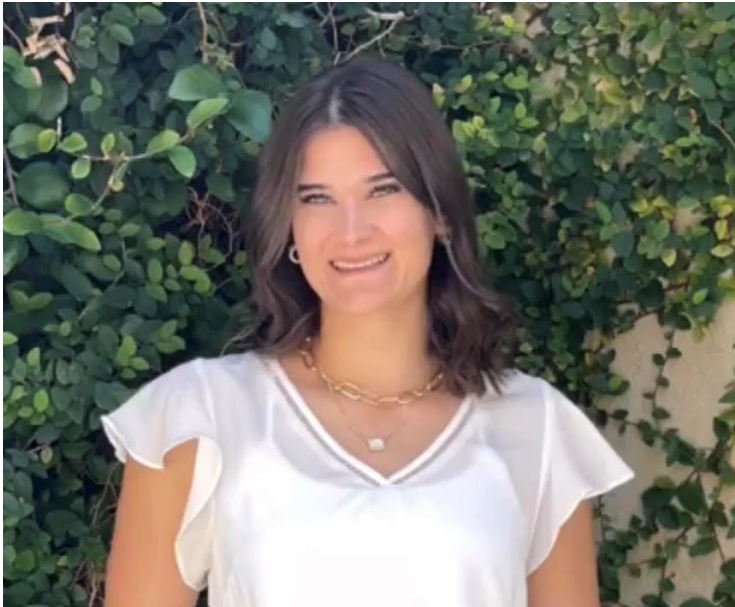
Early readers need someone who can make decoding feel like a game rather than a chore — sounding out new words, recognizing sight words, and starting to understand what a sentence means as a whole. Molly pairs phonics drills with comprehension check-ins so students aren't just reading aloud but actually processing what they read. Her Cornell education minor included coursework on how children develop literacy skills, which shapes every session she runs.
Phonics, sight words, and fluency drills each serve a different purpose in early reading, and knowing which one a child needs right now is half the battle. Sanda's English background combined with her current ESOL graduate studies gives her a deep understanding of how language acquisition works, whether a student is reading their first chapter book or catching up to grade level.
Early reading is where a child goes from sounding out 'c-a-t' to actually understanding a full story on the page, and that leap takes practice with sight words, fluency, and comprehension questions. Silvana keeps young readers engaged by connecting stories to things they care about, building the habit of reading for meaning — not just for finishing.
Early readers need someone who can match the right strategy to the right moment — whether that's sounding out unfamiliar words, using picture clues, or retelling a story to check comprehension. Nova's background working with younger students at camps and in classroom settings gives her a natural sense of pacing and encouragement that keeps kids engaged through each reading level.
Early reading confidence comes from connecting sounds to meaning, not just sounding out words in isolation. Emma's education coursework at Cornell introduced her to developmental reading theory, and her experience creating age-appropriate curricula for young learners means she knows how to match a book's difficulty to where a child actually is. Her 5.0 rating speaks to how well she keeps younger students engaged and moving forward.
Phonics patterns, sight words, and reading fluency each require a different kind of practice, and Ingrid tailors her approach depending on where a young reader is gaining confidence. Her patience and structured teaching style — honed through leading hands-on workshops for undergraduates at Northwestern — translate well to working with elementary-age learners building early literacy skills.
Early reading instruction is about building the habits that make everything else in school possible: decoding unfamiliar words, tracking a character's actions across pages, and retelling what happened in sequence. Margaret's experience volunteering in after-school programs with elementary students means she understands how to keep younger readers engaged and moving forward. She adapts her approach to each child's reading level and interests.
Early reading is all about building momentum: phonics, sight words, and fluency need to click before comprehension can take off. Esther's 5.0 rating speaks to her warmth and patience, two qualities that make a real difference when a young reader is sounding out unfamiliar words or tackling their first chapter book.
Early reading skills like phonics, fluency, and basic comprehension set the trajectory for everything that comes after in school. Sugi's cognitive science degree from Rice included extensive study of how the brain acquires language, giving her practical insight into why some students struggle with decoding or retention — and what specific techniques actually move them forward.
Early reading is about more than sounding out words — it's learning to visualize a story, predict what comes next, and connect what's on the page to what a child already knows. Mahalia's background in social work and youth programming gives her a sharp sense of how to build the kind of trust that makes a reluctant reader willing to try. She tailors her approach to each student's reading level, whether they're working on fluency or tackling their first chapter books.
Learning to read at the elementary level involves juggling phonics, sight words, fluency, and comprehension all at once — and each child's mix of strengths looks different. Yan identifies which piece needs the most attention and builds targeted practice around it, whether that's decoding multisyllabic words or retelling a story's key events in order. Her four years teaching in elementary classrooms gave her a deep toolkit for making reading click.
Learning to read is really learning to think — connecting sounds to letters, letters to words, and words to meaning. Todd breaks down phonics, fluency, and comprehension into small, confidence-building steps that keep young readers engaged. His background in social work gives him a sharp sense of how to match his approach to each child's pace and personality.
Phonics, sight words, and fluency are the building blocks, but Michelle also emphasizes comprehension from the very beginning — asking young readers to predict, retell, and connect stories to their own experiences. Her dual background in journalism and Africana Studies means she draws on a wide range of culturally diverse texts to keep kids engaged and curious.
Early reading clicks when phonics, vocabulary, and comprehension work together instead of feeling like separate worksheets. Charles connects decoding skills to meaning-making from the start, so students aren't just sounding out words — they're understanding stories. He keeps sessions engaging enough that kids forget they're practicing.
Building real reading confidence at the elementary level means more than just decoding words — it means learning to make predictions, ask questions about characters, and connect stories to personal experience. Vivian teaches these comprehension strategies explicitly, giving young readers tools they can use every time they pick up a book.
Testimonials
Because the right Elementary School Reading tutor makes all the difference.
Average Session Rating – Based on 3.4M Learner Ratings
Other Reno Tutors
Related English Tutors in Reno
Frequently Asked Questions
Many elementary readers in Reno struggle with phonics foundations, comprehension of grade-level texts, and building reading fluency. Some students also find it difficult to move from decoding words to understanding meaning, while others may fall behind if they miss key skills in earlier grades. Personalized 1-on-1 instruction helps identify exactly where a student is struggling and fills those specific gaps.
Tutors work with students to develop active reading strategies like previewing text, asking questions while reading, and summarizing key ideas. They also help students connect new information to what they already know and practice identifying main ideas versus supporting details. With personalized feedback and targeted practice, students build confidence and deeper understanding of what they read.
Reading fluency is the ability to read smoothly and at an appropriate pace, while comprehension is understanding what you've read. Both are essential—a student might read quickly but miss the meaning, or read slowly and struggle to retain information. Varsity Tutors connects you with tutors who address both skills, using guided practice and engaging texts to build fluency without sacrificing understanding.
Your first session is an assessment and get-to-know-you conversation. The tutor will evaluate your child's current reading level, discuss specific challenges, and learn about their interests and learning style. Together, you'll establish goals and create a personalized plan. This foundation ensures every future session is targeted and effective.
Effective reading instruction combines phonics (understanding letter-sound relationships) with comprehension strategies and exposure to quality literature. Tutors assess which foundational skills your child needs most and tailor their approach accordingly. Whether your child needs help with letter sounds, sight words, or blending strategies, personalized instruction ensures they progress at their own pace.
Early elementary (K-2) focuses on phonics, sight words, and fluency with simple texts. Upper elementary (3-5) emphasizes comprehension of longer texts, identifying main ideas, making inferences, and beginning literary analysis. If your child is behind these benchmarks, tutoring can help them catch up and build confidence. Tutors are familiar with Reno school district standards and can target the specific skills your child needs.
Many struggling readers avoid reading because it feels frustrating or boring. Tutors help by choosing texts matched to a student's interests and reading level, breaking reading into manageable chunks, and celebrating progress. When students experience success and feel heard, their confidence and motivation naturally grow. Personalized instruction makes reading feel achievable rather than overwhelming.
Most students benefit from 1-2 sessions per week, though frequency depends on your child's needs and goals. Many students show noticeable improvement in fluency and confidence within 4-6 weeks of consistent tutoring. Significant progress in comprehension and grade-level performance typically develops over a longer timeline. Your tutor will track progress and adjust the plan as needed.
Let’s find your perfect tutor
Answer a few quick questions. We’ll recommend the right plan and match you with a top 5% tutor.