Award-Winning Executive Functioning Tutors
serving Reno, NV
Executive Functioning
Tutors in Reno
Private 1-on-1 tutoring, weekly live classes for academic support, test prep & enrichment, practice tests and diagnostics, and more to elevate grades and test scores.
Based on 3.4M Learner Ratings
UniversitiesSchools & Universities
DeliveredHours Delivered
ProficiencyGrowth in Proficiency
Who needs tutoring?
No obligation. Takes ~1 minute.
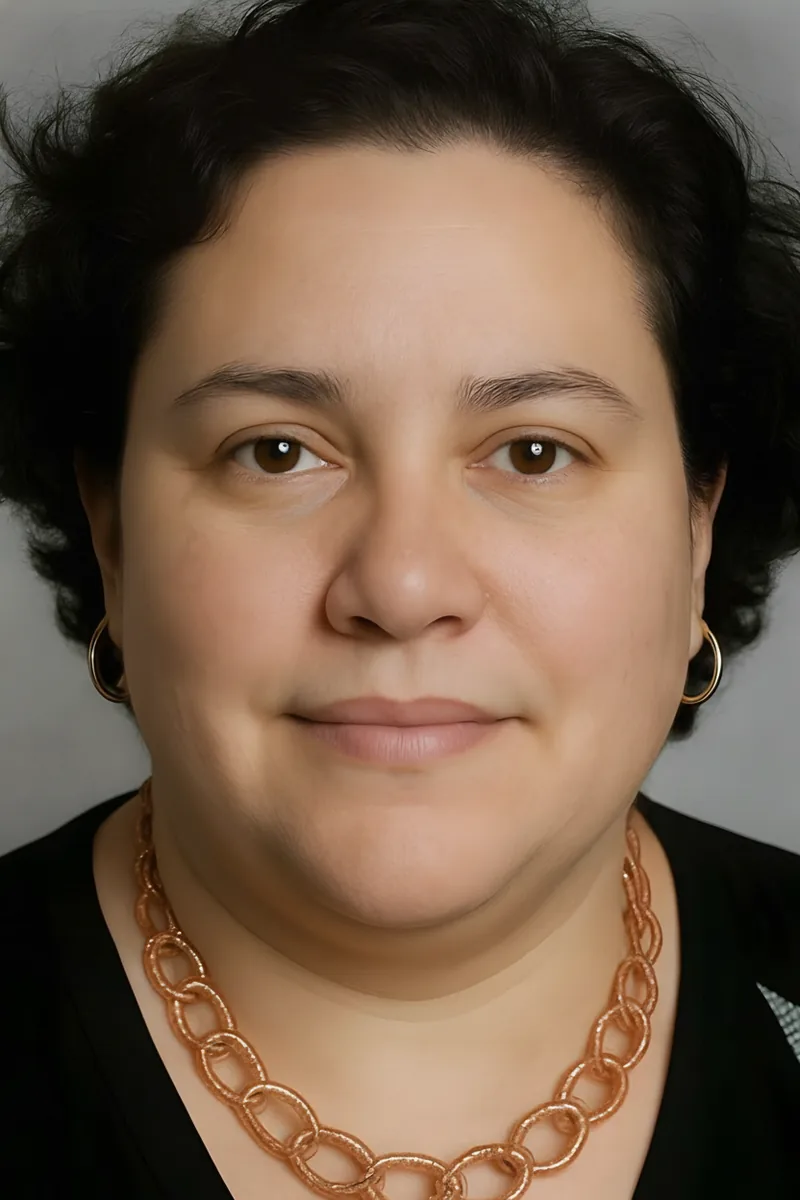
All students can learn, however, not all students learn the same way. The key to learning and the most important part of any teachers job is helping students understand how they learn best. That is what I do well.

A PhD in philosophy trains you to hold complex arguments in your head, sequence multi-part proofs, and manage long-term research without external scaffolding — Christine now unpacks those same cognitive skills for students who struggle with planning, task initiation, and self-monitoring. Her breadth across math, writing, and business subjects means she can embed executive functioning strategies directly into whatever assignment a student is actually stuck on, whether it's a geometry problem set or a college essay draft.
Managing art projects from concept to finished piece — juggling sketches, revisions, material prep, and critique deadlines — forced Laura to develop the exact planning and sequencing skills that executive functioning coaching targets. She teaches students to build visual workflows and concrete routines for breaking down assignments, initiating tasks, and tracking deadlines across subjects, drawing on the same project-management instincts that drive her studio practice. Rated 4.9 by clients.
Hello! My name is Sam Bicking. I am an alumni and student at The University of Pennsylvania studying Pre-health sciences before entering medical school. I have been tutoring for several years with students with disabilities (and amazing students without disabilities).
Planning, prioritizing, managing time, shifting between tasks — these are the invisible skills that school demands but rarely teaches outright. Elise breaks executive functioning into concrete, practicable habits: using checklists to start assignments, setting timers to maintain focus, and building routines for organizing materials. Her special education training means she understands the neurological side of these challenges, not just the behavioral one.
Planning a multi-step essay, breaking a semester-long project into weekly milestones, keeping track of deadlines across six classes — these are executive functioning challenges Gabby addresses directly. Her five-plus years as a tutor and writing coach have centered on building concrete systems for organization, time management, and task prioritization that students can actually maintain on their own.
Tutoring across 46 subjects — from elementary math to organic chemistry to college essays — means Adel constantly sees which organizational habits transfer across disciplines and which ones students are missing. His biochemistry training at Georgia Tech required coordinating lab work, problem sets, and writing simultaneously, so he teaches students concrete strategies for prioritizing tasks, estimating how long assignments actually take, and building weekly workflows that prevent last-minute scrambles. Rated 5.0 by clients.
Planning, prioritizing, starting tasks, managing time — executive functioning skills don't come naturally to every student, and they're rarely taught explicitly in school. Hannah's Special Education program at Purdue trained her in scaffolding these skills through structured routines, visual organizers, and self-regulation strategies. She builds systems that students internalize gradually rather than depend on forever.
Claire teaches concrete systems — color-coded planners, task-chunking methods, priority matrices — rather than vague advice about "staying organized." Her background across a wide range of academic subjects means she can tailor these executive functioning strategies to whatever coursework a student is actually struggling to manage, from essay deadlines to exam prep schedules.
Planning, prioritizing, managing time, and shifting between tasks — these executive functioning skills underpin academic success but rarely get taught explicitly. Derek tackles them as teachable skills, building concrete systems like task checklists, color-coded planners, and structured routines that students internalize over time. His doctorate focused on how curriculum design shapes learning behavior, which gives him a research-grounded toolkit for strengthening these cognitive habits.
Kenneth's cognitive neuroscience degree means he understands the brain science behind why some students struggle to initiate tasks, regulate attention, or hold a plan in working memory — and that understanding shapes how he teaches these skills rather than just assigning them. He connects executive functioning strategies like sequencing and self-monitoring directly to the academic work students bring in, whether that's structuring a college essay or mapping out a study plan for chemistry.
I've helped several hundred students in a wide variety of subjects, from executive functioning to computer science to standardized testing. I also help students with general support in math and English. Most of my students are around 9-17, but I work well with students who are older and a little younger as well. I also work very well with students who have specific obstacles or requirements, such as neurodiversity support or schedules that change a lot. Most of my background is in computer science, from my college major to my experience hands-on over the past 10 years. Regardless of the subject, I believe every student's needs are unique and every student is able to achieve great things with the right preparation and support. My number one goal is to provide that whenever I can, both to the student and to their parents. I communicate with parents outside of sessions a lot to establish their expectations, better understand students, and recommend ways they can directly support their children in their journey as well.
Testimonials
Because the right Executive Functioning tutor makes all the difference.
Average Session Rating – Based on 3.4M Learner Ratings
Other Reno Tutors
Frequently Asked Questions
Executive functioning refers to the mental processes that help us plan, organize, manage time, stay focused, and complete tasks—essentially the skills that turn intentions into action. For students in Reno, strong executive functioning is foundational to academic success across all subjects, from managing homework assignments to studying for tests. When students struggle with these skills, it often shows up as difficulty organizing materials, procrastination, trouble breaking large projects into steps, or losing track of deadlines—challenges that can mask underlying ability in core subjects.
Students typically struggle with time management (underestimating how long tasks take), organization (losing assignments or materials), task initiation (difficulty starting work without external pressure), and working memory (forgetting multi-step instructions). Many also face challenges with emotional regulation when frustrated, planning complex projects, or shifting between tasks. These difficulties are especially noticeable during transitions like moving to middle school or high school, when organizational demands increase significantly.
In a classroom setting with an 18.9:1 student-teacher ratio, teachers focus primarily on content delivery rather than individual executive functioning strategies. Personalized 1-on-1 instruction allows tutors to assess exactly where a student's breakdown occurs—whether it's planning, organizing, time management, or task execution—and teach targeted strategies tailored to that student's learning style and specific challenges. Tutors can also model these skills in real-time, provide immediate feedback, and adjust strategies based on what's actually working for that individual student.
Students typically see improvements in assignment completion rates, homework submission timeliness, test preparation consistency, and overall grade stability within 4-8 weeks of consistent work. Many also report reduced stress around deadlines, better ability to break projects into manageable steps, and increased confidence in their ability to handle academic demands. The key is that these aren't just behavioral changes—they're foundational skills that transfer across all subjects and into daily life.
During the first session, a tutor will typically assess the student's current systems (or lack thereof) for managing assignments, time, and materials. They'll ask questions about what's working and what isn't, observe how the student approaches a task, and identify specific breakdown points. From there, they'll work with the student to develop an initial strategy or system tailored to the student's needs and preferences, then build on that foundation in subsequent sessions.
While executive functioning skills matter at every level, students often benefit most from targeted support during transition years—like entering middle school (when independent organization becomes critical) or high school (when workload and complexity increase dramatically). That said, younger students can benefit from foundational skill-building, and even college-bound high school students often need support managing multiple classes, extracurriculars, and long-term projects. The best time to start is whenever a student begins struggling with organization, time management, or task completion.
Varsity Tutors connects you with tutors who specialize in executive functioning and understand the specific needs of students in Reno. You can describe your student's challenges during the matching process, and you'll be paired with a tutor whose expertise and teaching style align with your needs. Most tutors are flexible with scheduling and can work around your family's calendar.
Absolutely—in fact, many students benefit from combining executive functioning support with tutoring in specific subjects like math or writing. A tutor focused on executive functioning can help a student organize their approach to studying for a math test, while a subject tutor helps with the content itself. These skills reinforce each other, and students often find that better organization and planning actually accelerates progress in their core subjects.
Let’s find your perfect tutor
Answer a few quick questions. We’ll recommend the right plan and match you with a top 5% tutor.