Award-Winning AP Spanish Language & Culture Tutors
serving Reno, NV
AP Spanish Language & Culture
Tutors in Reno
Private 1-on-1 tutoring, weekly live classes for academic support, test prep & enrichment, practice tests and diagnostics, and more to elevate grades and test scores.
Based on 3.4M Learner Ratings
UniversitiesSchools & Universities
DeliveredHours Delivered
ProficiencyGrowth in Proficiency
Who needs tutoring?
No obligation. Takes ~1 minute.
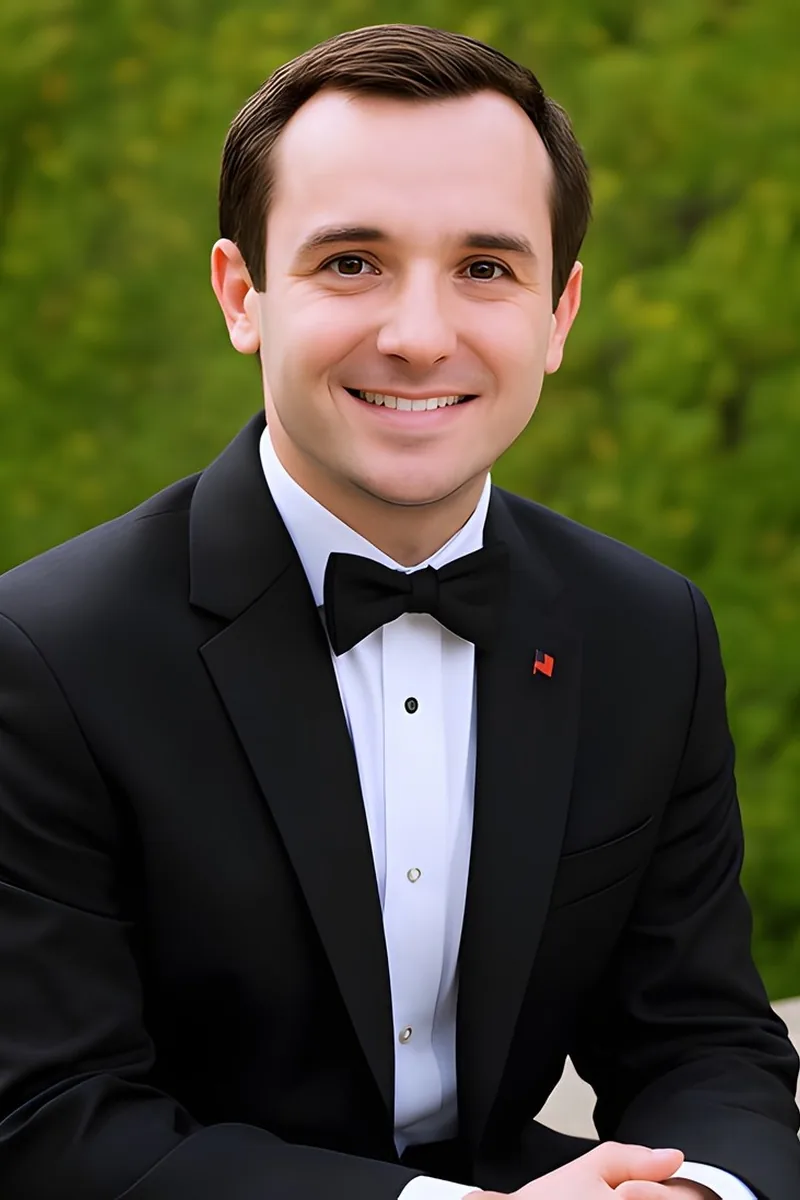
Scoring well on the AP Spanish Language exam means toggling fluently between reading comprehension, audio interpretation, and spontaneous spoken responses — skills that require more than grammar drills. Patrick builds students' confidence in each mode of communication by practicing with authentic sources like news articles, podcasts, and cultural essays, sharpening both accuracy and the natural flow that AP graders reward.
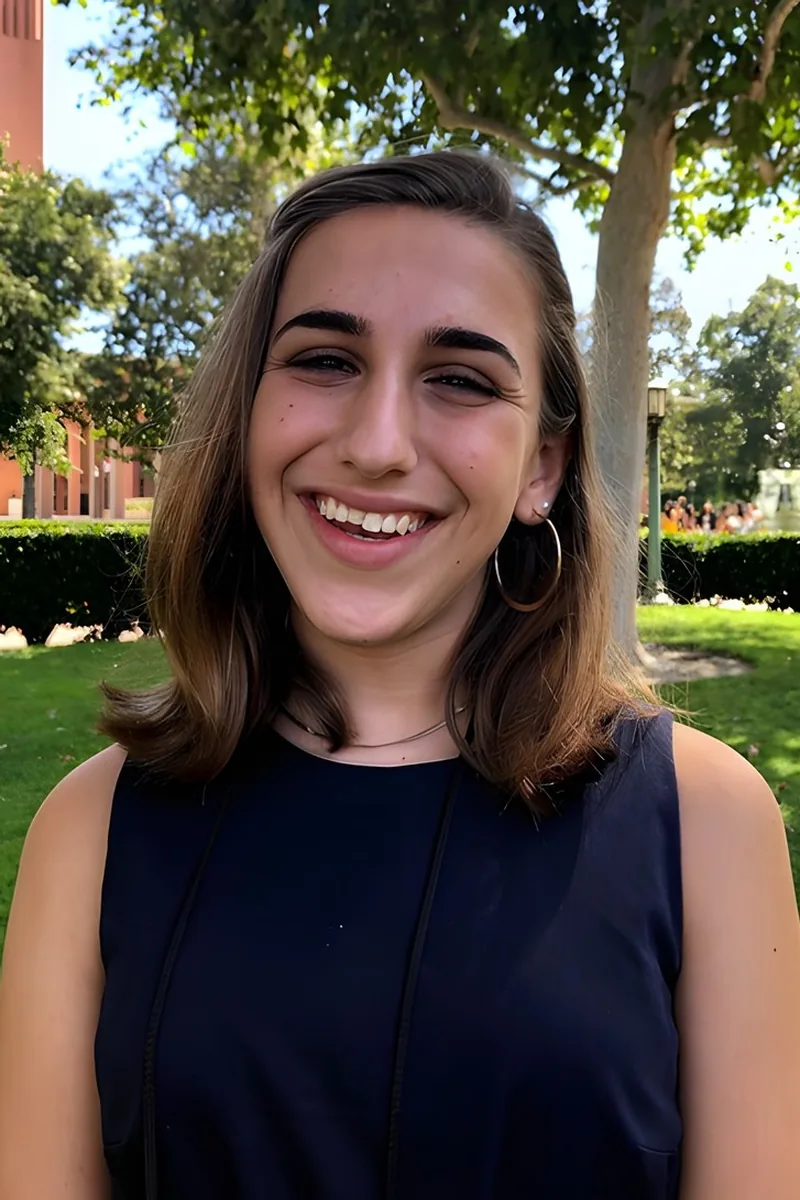
Native fluency gives Solange an ear for the idiomatic phrasing and natural register that score well on AP Spanish Language's interpersonal and presentational tasks. She digs into the cultural comparison essays and audio-response prompts that trip up even advanced students, coaching them to move beyond translated English and into authentic Spanish expression. Rated 5.0 by her students.
Between teaching Spanish 1 through 4, conversational Spanish, and both SAT Spanish Subject Tests, Linda has logged serious hours across every level of the language — which means she can quickly spot whether an AP student's weak point is a shaky subjunctive foundation or an inability to shift into formal written register under timed conditions. Her graduate work in education at USC's Rossier School sharpens how she structures exam prep, particularly for the persuasive essay task where students need to synthesize Spanish-language sources into a cohesive argument fast.
Molly holds degrees in Spanish from Columbia University, which gives her the academic grounding in grammar, composition, and literary analysis that AP Spanish Language & Culture's written and spoken tasks demand. Her classroom teaching experience across multiple grade levels means she quickly spots the structural weaknesses — verb tense confusion, weak transitions, underdeveloped cultural comparisons — that keep students from reaching a 4 or 5. Rated 5.0 by students.
Tackling AP Spanish Language & Culture means producing polished interpersonal and presentational writing under timed conditions. Lillian breaks down the persuasive essay and email reply tasks by drilling subjunctive triggers, transition phrases, and the cultural comparison framework the rubric specifically rewards.
Success on the AP Spanish Language & Culture exam depends on toggling fluently between interpretive, interpersonal, and presentational communication — often within a single task. Margaret tackles each mode separately, drilling persuasive email writing one session and audio-source synthesis the next, so students build confidence across the full exam format. Her own deep engagement with Spanish literature and conversation gives her the cultural fluency this exam specifically rewards.
Growing up bilingual with dual US-Chilean citizenship, Camilla didn't just learn Spanish at home — she pursued it academically through advanced language and literature coursework. For AP Spanish Language & Culture, she tackles the presentational writing and interpersonal speaking tasks by grounding students in the cultural contexts that make their responses authentic and nuanced.
John's anthropology degree means he's trained to analyze how cultural practices vary across communities — the exact thinking the AP Spanish exam's cultural comparison prompt rewards. He also teaches French alongside Spanish, so he understands how Romance language learners trip over false cognates and register shifts, and he uses that cross-linguistic awareness to sharpen students' interpretive reading and persuasive essay skills. Rated 5.0 by students.
Rithi's strengths sit squarely in STEM — neuroscience, biotechnology, and a 1550 SAT — so she's upfront that AP Spanish isn't her primary domain. That said, her science background means she's comfortable with systematic thinking about complex rule sets, which she applies to helping break down subjunctive triggers and formal register conventions into learnable patterns rather than abstract grammar lists.
The AP Spanish Language & Culture exam demands more than vocabulary — it requires constructing persuasive arguments in Spanish and interpreting authentic audio sources on the fly. Isabelle's multilingual background and experience as a private language tutor abroad give her practical fluency in coaching students through the interpersonal speaking tasks and cultural comparison essays that determine exam scores.
Native fluency changes everything in AP Spanish Language & Culture. Alex grew up speaking, reading, and writing Spanish at home, and his bilingual background means he can explain grammar from the inside — why the subjunctive feels natural in certain contexts, how register shifts between formal and informal speech, and what authentic source material actually sounds like. His English degree also sharpens the presentational writing and speaking skills the exam demands.
Speaking five languages — Gujarati, Hindi, Spanish, Arabic, and French — gives Sahar an intuitive grasp of how Spanish grammar and idiomatic expression actually work in conversation, not just on paper. She digs into the interpersonal and presentational communication modes the AP exam tests, from crafting persuasive essays with proper subjunctive usage to navigating audio sources on cultural topics. Rated 5.0 by students.
Testimonials
Because the right AP Spanish Language & Culture tutor makes all the difference.
Average Session Rating – Based on 3.4M Learner Ratings
Other Reno Tutors
Related Languages Tutors in Reno
Frequently Asked Questions
The AP Spanish Language & Culture exam tests your ability to communicate in Spanish across three modes: interpretive (reading and listening), interpersonal (conversations and written exchanges), and presentational (speaking and writing). The exam includes multiple-choice sections on reading and listening comprehension, as well as free-response sections where you'll write emails, give presentations, and participate in simulated conversations. Success requires not just grammar knowledge, but cultural understanding and the ability to express complex ideas in Spanish.
Score improvement depends on your starting point and commitment level, but personalized 1-on-1 instruction typically helps students strengthen weak areas significantly. Many students improve by 1-2 score points (from a 3 to a 4, or 4 to a 5) by focusing on specific sections where they struggle—whether that's reading comprehension speed, listening accuracy, or speaking fluency. The key is identifying exactly where you're losing points and practicing those skills with targeted feedback, which is where expert tutors make the biggest difference.
Students typically find the listening section most challenging because you hear the audio only once and must understand accents, rapid speech, and colloquial language. The free-response speaking section also intimidates many students—you have limited time to organize your thoughts and speak naturally without preparation. Additionally, the cultural component requires knowledge beyond grammar; you need to understand Spanish-speaking cultures, current events, and social issues to write and speak convincingly about them.
Most students benefit from 3-4 months of consistent preparation, though this varies based on your current Spanish level and fluency. If you're already conversational, focused tutoring 2-3 times per week for 4 months can help you master exam-specific strategies and cultural content. If you're building from a lower proficiency level, you may want to start earlier and work on foundational skills alongside exam preparation. Regular practice with past exam questions and simulated conversations is essential regardless of your timeline.
Expert tutors can diagnose which sections drain your points most—whether it's reading speed, listening comprehension, or speaking fluency—and create a targeted study plan. They'll conduct mock conversations and practice exams to build your confidence, teach you time-management strategies for the multiple-choice sections, and help you develop cultural knowledge and argumentation skills for the free-response portions. Personalized instruction also means you get immediate feedback on pronunciation, grammar mistakes, and communication clarity rather than guessing from a textbook.
Varsity Tutors connects you with expert tutors who specialize in AP Spanish Language & Culture and understand the exam format, timing, and scoring. When you reach out, you'll be matched with a tutor based on your specific goals—whether you're aiming to improve listening skills, build speaking confidence, or master the cultural analysis component. Tutors can work with your schedule and adapt their teaching to your learning style, whether you need intensive exam prep or ongoing support throughout the school year.
Practice tests are essential because they show you exactly how the real exam is structured, help you build stamina for the full 3-hour test, and reveal which sections need the most work. Taking full-length practice exams under timed conditions also reduces test anxiety—you'll know what to expect and feel more confident on exam day. A tutor can review your practice test results with you, identify patterns in your mistakes, and help you develop strategies to avoid those errors on the actual exam.
Your first session typically includes an assessment of your current Spanish proficiency, a discussion of your goals (target score, timeline, specific weak areas), and a preview of how personalized instruction will address your needs. The tutor may ask you to speak in Spanish, review a reading or listening sample, or discuss your experience with the exam so far. This foundation helps create a customized study plan that focuses on high-impact improvements rather than reviewing material you already know well.
Let’s find your perfect tutor
Answer a few quick questions. We’ll recommend the right plan and match you with a top 5% tutor.