Award-Winning College Chemistry Tutors
serving Reno, NV
College Chemistry
Tutors in Reno
Private 1-on-1 tutoring, weekly live classes for academic support, test prep & enrichment, practice tests and diagnostics, and more to elevate grades and test scores.
Based on 3.4M Learner Ratings
UniversitiesSchools & Universities
DeliveredHours Delivered
ProficiencyGrowth in Proficiency
Who needs tutoring?
No obligation. Takes ~1 minute.
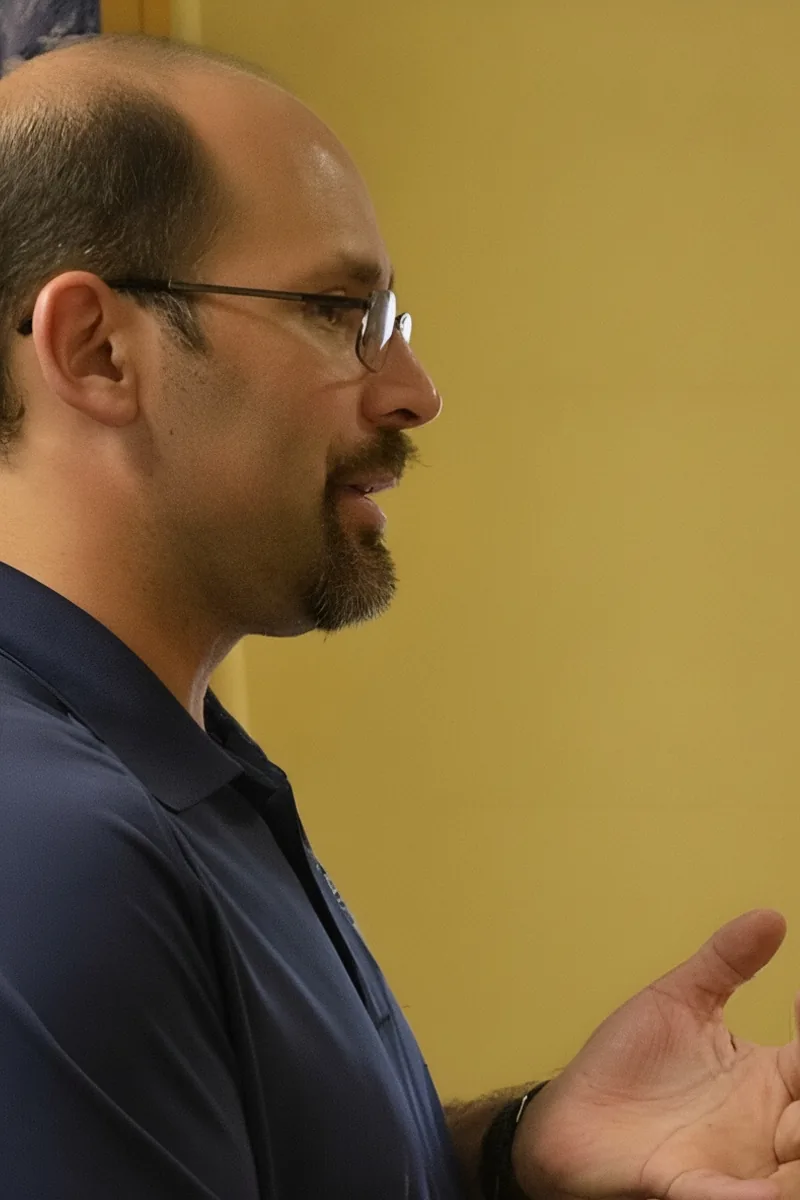
Holding a master's in chemistry, Shawn has taught the subject at every level from honors high school through college — and that range means he knows exactly where gen chem students hit walls, whether it's electron configuration, solution stoichiometry, or the leap from qualitative concepts to quantitative problem-solving. He breaks down multi-step problems by making students articulate what's happening chemically before setting up the math, which builds the kind of understanding that holds up on cumulative exams. Rated 4.9 by students.
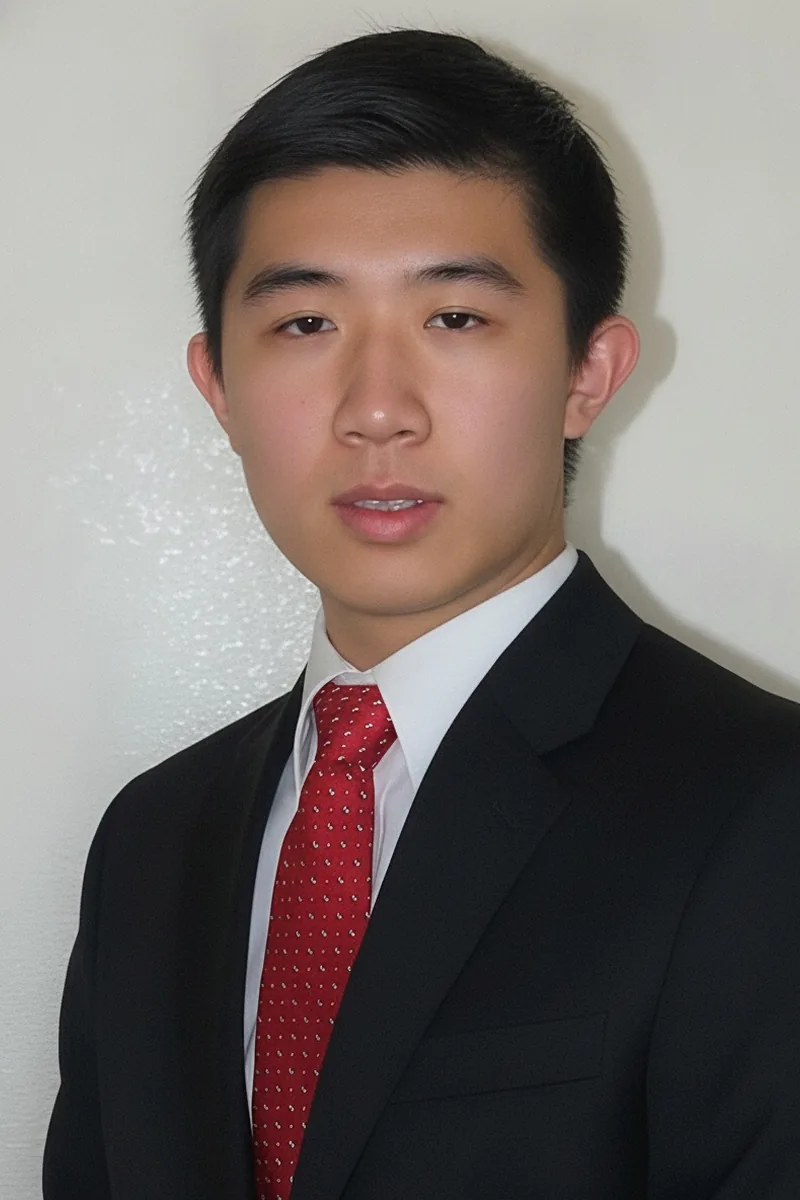
Thermodynamics, equilibrium constants, electrochemistry — college chemistry throws a lot of abstract math at students who signed up for a science class. Michael's biology concentration in cell and molecular biology means he uses chemistry daily and can connect concepts like Gibbs free energy or reaction kinetics to real biochemical systems. That context makes the math feel purposeful instead of arbitrary.
Andrea's Physiological Sciences degree from UCLA required the full gen chem and organic chem sequence, so she's worked through the quantitative side of college chemistry — stoichiometry, equilibrium expressions, acid-base calculations — as groundwork for understanding how those principles drive biological systems. That science-major perspective means she connects topics like solution chemistry or reaction energetics to what they actually explain in the body, which tends to make the material stick. Rated 4.9 by students.
Thermodynamics, reaction kinetics, and equilibrium calculations demand both conceptual reasoning and mathematical precision. Aaron's engineering education required him to master these topics at a rigorous level, and he unpacks dense material by walking through derivations step by step rather than expecting students to memorize final formulas.
Going from a Penn undergrad to medical school means Jessica sat through college chemistry twice — once as a prerequisite and again when biochemistry and pharmacology demanded she actually internalize concepts like reaction energetics, acid-base equilibria, and molecular interactions at a deeper level. That second pass gave her a clear sense of which gen chem topics students need to truly own versus merely survive, and she teaches accordingly. Rated 4.8 by students.
Working in a Yale research lab with tools like CRISPR-Cas9 means Matthew encounters gen chem principles — reaction kinetics, molecular interactions, buffer systems — in live experimental contexts, which sharpens how he explains them back at the introductory level. His biochemistry and molecular biology coursework built fluency with the bridge between general chemistry and its applications, so he can show students exactly why mastering something like equilibrium or thermochemistry pays off two courses down the road. Holds a 5.0 rating.
Eric holds a master's degree in inorganic chemistry, which means he can teach college chemistry topics like thermodynamics, electrochemistry, and coordination compounds from genuine research experience rather than rote textbook knowledge. He breaks down complex equilibrium and kinetics problems into logical steps that make the math feel manageable. Rated 5.0 by students.
When college chemistry students feel overwhelmed, it's usually because topics like gas laws, equilibrium, and stoichiometry are piling up faster than they can organize the connections between them — and untangling that clutter is where Rachel excels. Her science background across biology, anatomy, and physiology means she's applied gen chem principles in multiple contexts, so she can show how a concept like acid-base behavior or molecular polarity actually functions beyond the textbook chapter it first appears in.
Neuroscience at Vanderbilt means Blake has been neck-deep in college chemistry — gen chem concepts like molecular bonding, reaction energetics, and acid-base systems are the scaffolding for everything from neuropharmacology to membrane biophysics. His approach leans on building intuition for why a reaction behaves the way it does, drawing on his interest in how people actually learn and retain complex material. Rated 5.0 by students.
Most college chemistry students don't expect a math major to be the one who makes electron configurations or equilibrium expressions click — but Tessa's mathematics training at Yale means she can cleanly separate the quantitative mechanics of a problem from the chemical reasoning, which is exactly where most gen chem confusion hides. She also scored a 36 ACT and holds a 4.9 rating, though what matters more is her knack for showing students the logical structure underneath topics that otherwise feel like pure memorization.
Pursuing a Doctorate of Physical Therapy means James encounters chemistry in a context most gen chem tutors don't — understanding how buffer systems maintain blood pH, how electrolyte concentrations drive cellular processes, and how thermodynamic principles govern metabolic reactions. His economics background also gave him strong quantitative reasoning, so he's comfortable walking through the math-heavy side of topics like stoichiometry and gas laws without losing sight of what the numbers actually represent. Rated 4.9 by students.
Biochemistry and cell biology coursework at the undergraduate level, followed by Duke medical school, means Tammy has run the full gauntlet of college chemistry — from gen chem fundamentals like electron configurations and VSEPR theory through the organic and biochemical applications that make those foundations matter. She teaches the early material with an eye toward what's coming next, so students aren't just surviving gen chem but actually building fluency they'll use in later courses. Rated 5.0 by students.
Medical school demands fluency in chemistry that goes well beyond introductory courses, and Abrahim brings that depth to college-level topics like thermodynamics, kinetics, and electrochemistry. He diagnoses conceptual gaps fast — if a student can balance an equation but can't explain why a reaction is spontaneous, that's exactly where the session will dig in.
Working in a research lab at UTHealth, Emily applies gen chem principles like reaction kinetics, buffer systems, and molecular interactions at the bench every day — which means she can show students what these concepts look like beyond the textbook problem set. Her biochemistry and cell biology degree built the content depth, and active research keeps it sharp, especially for topics like solution chemistry and thermodynamics where real-world context makes the logic easier to hold onto.
Studying chemical and biological engineering means Suzie has been stress-tested on gen chem material — thermodynamics, reaction kinetics, stoichiometry — in courses that demanded she actually use it to solve mass and energy balances, not just reproduce it on an exam. She's now pursuing an MD/PhD at Michigan Medical School, so she teaches college chemistry with a clear picture of how each concept threads into biochemistry, physiology, and beyond. Rated 5.0 by students.
Having served as an undergraduate teaching assistant at Cornell for introductory biochemistry, Josef has spent real time diagnosing where students get stuck on foundational chemistry — electron configurations bleeding into bonding theory, or mole concepts falling apart during stoichiometric conversions. He teaches college chemistry with a life sciences backbone, connecting topics like solution chemistry and reaction energetics to the biological applications his students will actually encounter next semester. Rated 5.0 by students.
Testimonials
Because the right College Chemistry tutor makes all the difference.
Average Session Rating – Based on 3.4M Learner Ratings
Other Reno Tutors
Related Science Tutors in Reno
Frequently Asked Questions
College Chemistry requires mastering both conceptual understanding and problem-solving skills—many students struggle with balancing chemical equations, unit conversions, and visualizing molecular structures at the atomic level. Additionally, the pace accelerates significantly from high school chemistry, with labs, quantitative problem sets, and cumulative exams that demand strong foundational knowledge. Personalized tutoring helps you build conceptual clarity so formulas and calculations make sense, rather than relying on memorization alone.
Your first session focuses on understanding your current level, learning goals, and specific pain points—whether that's stoichiometry, thermodynamics, or lab report writing. The tutor will assess which concepts need reinforcement and create a personalized plan tailored to your course requirements and exam timeline. This foundation ensures every session builds directly toward your success in the course.
Yes—tutors can help you understand the theory behind experiments, interpret data, write lab reports, and develop stronger scientific reasoning skills. While they won't perform labs for you, they'll help you grasp why reactions occur, how to analyze results, and how to connect experimental observations to chemical principles. This deeper understanding makes lab work less intimidating and improves both your grades and scientific thinking.
Expert tutors focus on building your mental models of how atoms, molecules, and reactions actually work—so you can solve novel problems on exams rather than just recalling facts. They use visualization techniques, real-world examples, and guided problem-solving to help you see *why* reactions happen and *how* concepts connect. This approach transforms chemistry from a list of rules into a coherent system you can reason through.
For midterms and finals, starting 2-3 weeks ahead gives you time to identify weak areas, practice problem-solving, and build confidence. However, consistent weekly tutoring throughout the semester—rather than cramming—leads to stronger retention and better exam performance. Your tutor can help you create a realistic study schedule and focus on high-impact topics based on your course syllabus.
Look for tutors with strong chemistry backgrounds—ideally a degree in chemistry, biochemistry, or related field, plus experience teaching college-level students. They should be able to explain abstract concepts clearly, help with both lecture content and lab skills, and adapt their teaching to your learning style. Varsity Tutors connects you with vetted tutors who have proven expertise in college chemistry and a track record of helping students improve their grades.
Reno's schools and community colleges offer chemistry labs, study groups, and office hours with instructors—all valuable supplements to personalized tutoring. Your tutor can help you make the most of these resources by clarifying concepts before office hours, reviewing lecture notes, and preparing you to ask better questions. The combination of peer support, instructor access, and personalized 1-on-1 instruction creates a comprehensive learning environment.
Varsity Tutors connects you with tutors who work around your schedule—whether you need sessions during the week, weekends, or intensive prep before exams. You can adjust frequency and timing based on your course demands and workload. This flexibility means you can get support exactly when you need it most, whether that's weekly reinforcement or focused help during high-stress periods.
Let’s find your perfect tutor
Answer a few quick questions. We’ll recommend the right plan and match you with a top 5% tutor.