Award-Winning High School Chemistry Tutors
serving Reno, NV
High School Chemistry
Tutors in Reno
Private 1-on-1 tutoring, weekly live classes for academic support, test prep & enrichment, practice tests and diagnostics, and more to elevate grades and test scores.
Based on 3.4M Learner Ratings
UniversitiesSchools & Universities
DeliveredHours Delivered
ProficiencyGrowth in Proficiency
Who needs tutoring?
No obligation. Takes ~1 minute.
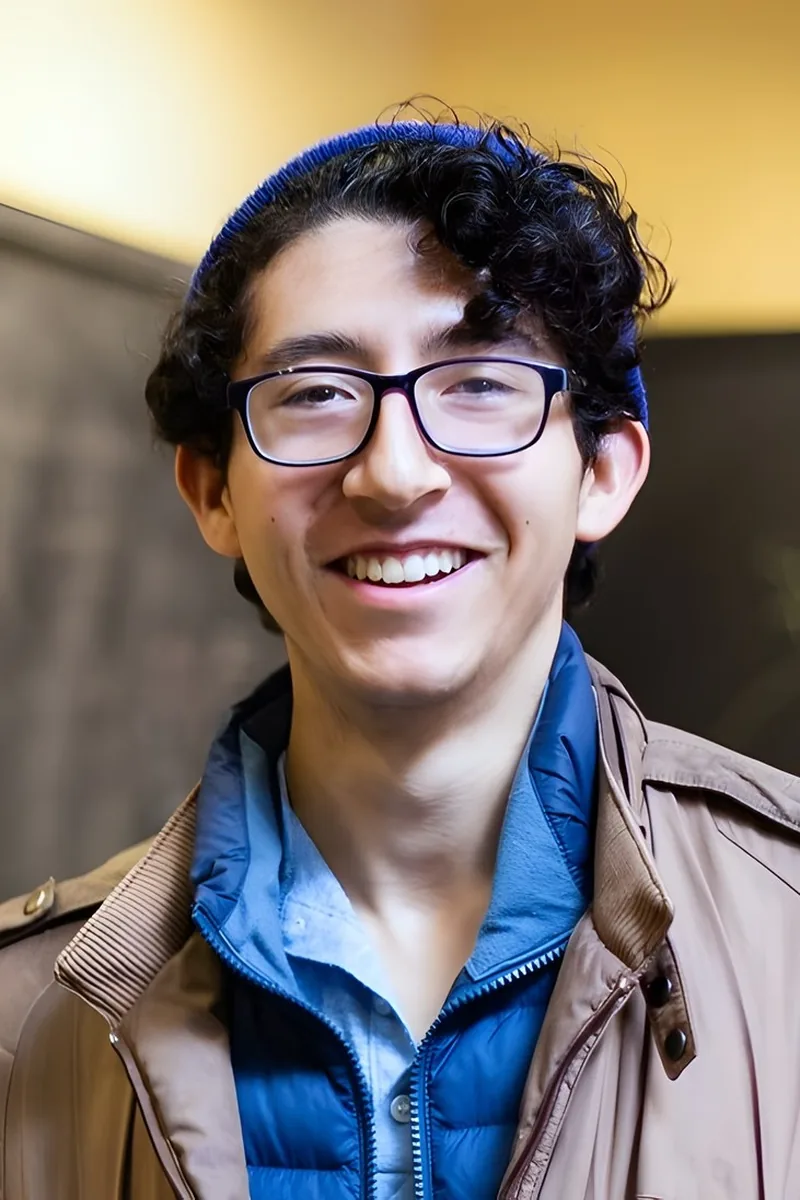
Balancing equations, mole conversions, and electron configurations all follow patterns that become obvious once someone lays them out clearly. Tim's experience teaching chemistry at a STEM camp means he's practiced at breaking these topics down for students encountering them for the first time. His quantitative training at MIT keeps him sharp on the math-heavy units — gas laws, enthalpy, and solution chemistry — where many high schoolers hit a wall.
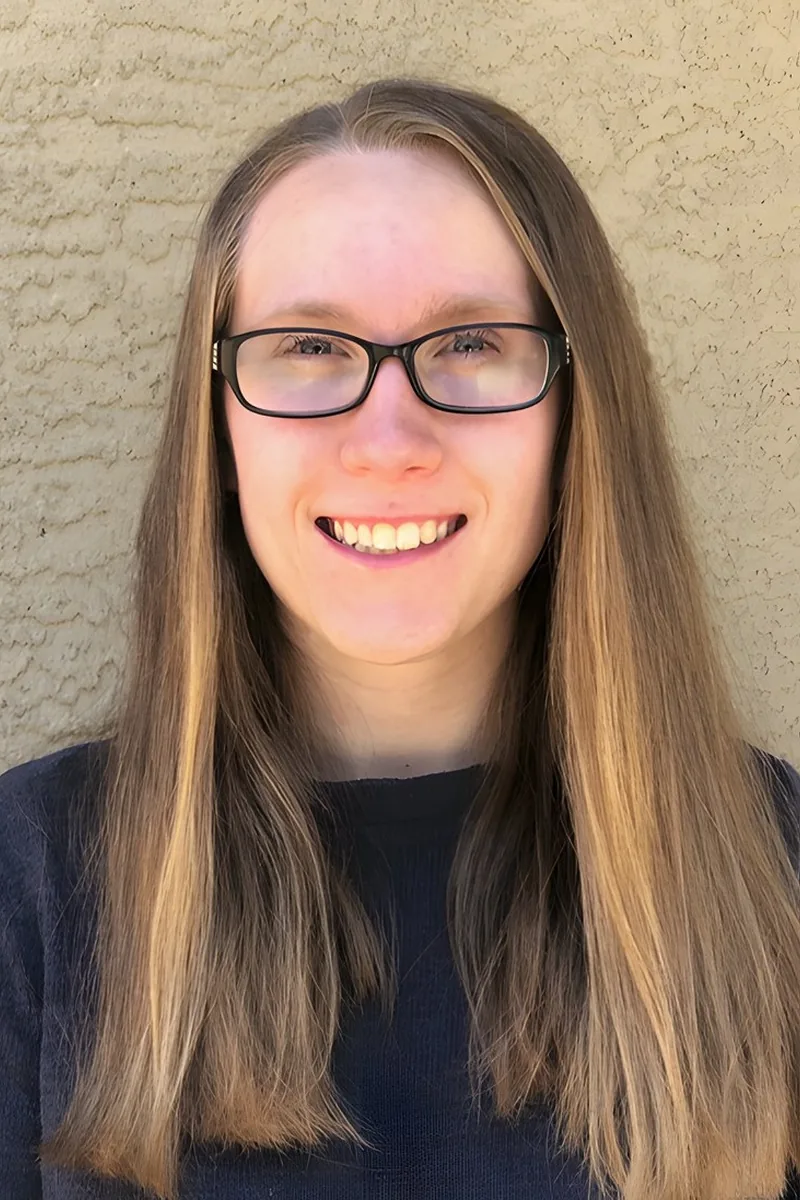
Stoichiometry, equilibrium, and electron configurations trip up most high school chemistry students because they require thinking in ratios and invisible particles rather than tangible objects. Cassandra's biology degree means she learned chemistry from the molecular level up, and she breaks down mole conversions and reaction balancing into repeatable, logical steps. Rated 4.9 by students.
Balancing equations, predicting products, working through mole conversions — high school chemistry is where students either build real chemical intuition or fall into a cycle of memorizing and forgetting. Shawn earned his Master's in Chemistry and uses that depth to explain the *why* behind each concept, from electron configurations driving periodic trends to intermolecular forces determining boiling points. He's rated 4.9 and prioritizes steady skill-building over last-minute test prep.
When dimensional analysis and sig figs feel like busywork and molarity problems seem impossible, high school chemistry can become overwhelming fast. Michael zeroes in on the quantitative side — teaching students to set up conversion factors, balance equations systematically, and interpret what an equilibrium constant actually tells them about a reaction. His experience tutoring students with different learning needs through a nonprofit also means he's patient and adaptable when a concept isn't clicking the first time around.
I'm a 2016 graduate of Pepperdine University with my Bachelor of Arts in Chemistry. Currently I'm preparing to apply to optometry school; I hope to be accepted for the 2018-19 academic year. During my time in college, I was involved as a teaching assistant for General Chemistry I and II laboratory, as a tutor for General Chemistry I, as a member of the Regents Scholar Student Board, and as a "small group" leader through multiple organizations. I am a member of the sorority Pi Beta Phi and held the positions of Historian, Senior Transition Leader, and member of the Leadership and Nominating Committee during my undergraduate years. As far as tutoring goes, I offer my services to students of all ages and in numerous subjects. I particularly enjoy tutoring the STEM subjects. I also thoroughly enjoy working with female STEM students, which allows me to serve as a role model and to offer additional encouragement for my female students to not lose interest in STEM subjects. A large part of my tutoring style focuses on logical thinking for how to tackle new and difficult problems using previous knoledge and educated hypotheses; I have found that my students find both success and a boost in confidence using my methodology. Aside from my academic interests, I love cooking and baking, my cat, photography, and National Parks.
Stoichiometry and gas laws tend to click faster when a student can see how the math connects to something tangible — and Andrea's physiology degree from UCLA means she spent years tracing chemical reactions through living systems, from cellular respiration to metabolic pathways. That background gives her a knack for grounding mole calculations and reaction balancing in concrete biological examples rather than leaving them as abstract number-crunching. Rated 4.9 by students.
Biotechnology training in high school followed by a biology major at UNLV means Samuel has been doing real chemistry — balancing redox reactions, calculating molarity, working through stoichiometry — as part of his science coursework for years, not just reviewing it from a textbook. He digs into the quantitative side of chemistry by connecting the math back to what's actually happening at the molecular level, which makes topics like gas laws and solution chemistry click rather than feel like arbitrary formulas. Holds a 5.0 rating.
Balancing equations and stoichiometry are usually where chemistry starts feeling like a foreign language — Aaron tackles those topics by tying them back to the math skills students already have. His engineering training included significant chemistry coursework, so he can explain concepts like mole ratios, limiting reagents, and periodic trends with concrete, quantitative examples.
Nathaniel's doctorate in Biomedical Engineering from Cornell means he didn't just take chemistry — he built on it for years, using concepts like reaction kinetics, thermodynamics, and molecular interactions as everyday tools in his research. That depth shows when he teaches topics like stoichiometry or chemical equilibrium, because he can trace the logic back to what's actually happening at the molecular level rather than treating each chapter as its own isolated set of rules.
Fourth-year medical students don't usually think about stoichiometry or gas laws anymore, but Michael's path through Albert Einstein College of Medicine — plus his biology degree earned summa cum laude — means he's built on those high school chemistry foundations repeatedly in biochemistry, pharmacology, and physiology. He also spent time tutoring Regents-level chemistry and teaching MCAT prep for Kaplan, so he knows exactly where the gaps tend to form around topics like nomenclature, mole calculations, and balancing equations, and how to close them quickly.
When electron configurations and periodic trends start piling up alongside acid-base equilibria and redox reactions, high school chemistry can feel like two different courses crammed into one. Caroline tackles both sides — the conceptual and the computational — using her engineering mindset to show students how dimensional analysis and logical problem setup make even the trickiest stoichiometry problems approachable.
Working at UPenn's Tutoring Center, Brittany spent semesters teaching General Chemistry I and II to both undergraduate and graduate students — so she's diagnosed the exact points where topics like stoichiometry, gas laws, and chemical equilibrium tend to fall apart for learners at different levels. That hands-on repetition with real students means she can spot whether a high schooler's confusion stems from the math, the conceptual model, or just shaky notation, and adjust accordingly.
Chemical engineering at Vanderbilt means Greg doesn't just know stoichiometry and equilibrium — he uses them daily in reactor design and thermodynamics coursework. That applied perspective lets him show students why balancing equations or calculating molarity actually matters beyond the textbook. Rated 5.0 by students.
Stoichiometry, equilibrium, and electron configurations each demand a slightly different kind of thinking, and Emily switches between them fluidly thanks to her science-heavy coursework at Cornell. Her biology concentration means she often connects chemistry concepts to real biochemical contexts — why buffer systems matter, how thermodynamics drives reactions — which tends to make the material click faster for students who need more than rote formulas.
Balancing equations, stoichiometry, and periodic trends all demand a kind of precise, quantitative reasoning that Allan developed through his biological sciences coursework, where chemistry and biology constantly overlap. He walks students through each problem type step by step, emphasizing the logic behind mole ratios and reaction predictions so the math never feels arbitrary.
Three science bachelor's degrees plus a medical doctorate means Sydny has taken chemistry at every level — from introductory courses through the biochemistry and pharmacology that med school demands daily. She unpacks topics like stoichiometry and gas laws by connecting them to the biological and medical contexts where those calculations actually do something, which tends to make the abstract feel worth learning.
Balancing redox reactions, predicting products, and navigating the mole concept are the places where most high school chemistry students get stuck. Noel's college-prep teaching background means he's seen these sticking points up close and tackles them by walking through the reasoning step by step rather than handing students a shortcut to memorize.
Balancing equations and predicting reaction products can feel like learning a foreign language, but Eric breaks inorganic chemistry concepts down into logical steps that build on each other. His science training across biology and ecology gives him a knack for connecting chemical principles — like bonding and stoichiometry — to real-world processes students can actually picture.
Pre-dental coursework at Vanderbilt took Sarah through the full general chemistry sequence, so topics like stoichiometry, equilibrium, and gas laws are tools she still uses regularly in her science track — not material she's recalling from years ago. She zeroes in on dimensional analysis and mole relationships as the backbone of most high school chemistry problems, teaching students to map out the logic of a calculation before touching a calculator. Rated 5.0 by students.
Stoichiometry and gas laws tend to feel like arbitrary math until someone connects them back to what's actually happening at the molecular level — and Nishad's pre-med training means he's spent years building that connection across chemistry, biology, and anatomy courses. He teaches students to trace the logic from balanced equations through to mole ratios and limiting reagents, so the calculations follow naturally from understanding rather than formula memorization.
Balancing redox reactions, predicting molecular geometry, and navigating stoichiometry all require a different kind of thinking than most students have used before. Lauren minors in chemistry at Duke and uses that depth to explain *why* electron configurations drive periodic trends or *why* a reaction favors products — not just how to get the right answer on a worksheet. She's rated 4.8 across her subjects.
Testimonials
Because the right High School Chemistry tutor makes all the difference.
Average Session Rating – Based on 3.4M Learner Ratings
Other Reno Tutors
Related Science Tutors in Reno
Frequently Asked Questions
High school chemistry requires balancing abstract thinking with practical application—students often struggle with visualizing molecular structures, balancing chemical equations, and understanding why reactions happen at the atomic level rather than just memorizing formulas. Unit conversions, stoichiometry, and connecting lab observations to theoretical concepts are frequent pain points. Personalized tutoring helps students build conceptual understanding rather than relying on memorization, which is essential for success on exams and in advanced science courses.
During an initial session, a tutor will assess your current understanding of chemistry concepts, identify specific areas where you're struggling (whether it's bonding, equilibrium, or lab skills), and learn about your learning style and goals. This helps create a personalized plan that targets your needs, whether you're preparing for an exam, completing challenging problem sets, or building foundational understanding. The tutor will also explain their teaching approach and answer any questions you have about how personalized instruction works.
Tutors can help you understand the purpose behind each lab procedure, predict outcomes based on chemical principles, and connect experimental results back to theoretical concepts—skills that transform labs from rote activities into meaningful learning. They can also help you prepare lab reports, troubleshoot unexpected results, and develop stronger scientific reasoning skills. This bridges the gap between classroom theory and hands-on practice, making you a more confident and capable lab student.
Balancing equations requires understanding both the rules of stoichiometry and developing a systematic approach—many students try to guess-and-check rather than using logical strategies. Personalized tutoring breaks down the process into manageable steps, teaches efficient techniques, and builds your confidence through targeted practice. Once you understand the underlying logic, balancing equations becomes a skill rather than a frustration, freeing you to focus on more complex chemistry concepts.
Tutors use multiple strategies to make abstract concepts concrete—drawing Lewis structures, using molecular models, creating visual analogies, and connecting concepts to real-world examples like how salt dissolves or why certain reactions release heat. Building strong mental models of how atoms and molecules interact helps you predict chemical behavior and understand why reactions occur. With personalized instruction, you'll develop visualization skills that make chemistry feel less abstract and more intuitive.
Unit conversions and stoichiometry become manageable when you understand the underlying logic—that you're using conversion factors to move between different ways of expressing the same quantity. Tutors teach systematic approaches like dimensional analysis, provide plenty of guided practice with immediate feedback, and help you recognize patterns across different problem types. Building fluency with these skills early prevents them from becoming bottlenecks in more advanced topics like gas laws and equilibrium.
Varsity Tutors connects you with expert tutors who are familiar with Nevada's chemistry standards and the specific curricula used in Reno's schools. When you describe your needs, you'll be matched with a tutor who has experience teaching high school chemistry and understands the challenges students face in your area. You can discuss your school's specific requirements and pacing to ensure the tutoring aligns perfectly with what you're learning in class.
Tutors develop targeted study plans based on your strengths and weaknesses, teach test-taking strategies specific to chemistry (like managing time on calculation problems), and provide practice with exam-style questions and detailed feedback. They help you build both content knowledge and the scientific reasoning skills that standardized tests measure. With personalized instruction focused on your specific gaps, you'll approach exams with confidence and a clear understanding of the material.
Let’s find your perfect tutor
Answer a few quick questions. We’ll recommend the right plan and match you with a top 5% tutor.