Award-Winning AP Spanish Literature and Culture Tutors
serving Reno, NV
AP Spanish Literature and Culture
Tutors in Reno
Private 1-on-1 tutoring, weekly live classes for academic support, test prep & enrichment, practice tests and diagnostics, and more to elevate grades and test scores.
Based on 3.4M Learner Ratings
UniversitiesSchools & Universities
DeliveredHours Delivered
ProficiencyGrowth in Proficiency
Who needs tutoring?
No obligation. Takes ~1 minute.
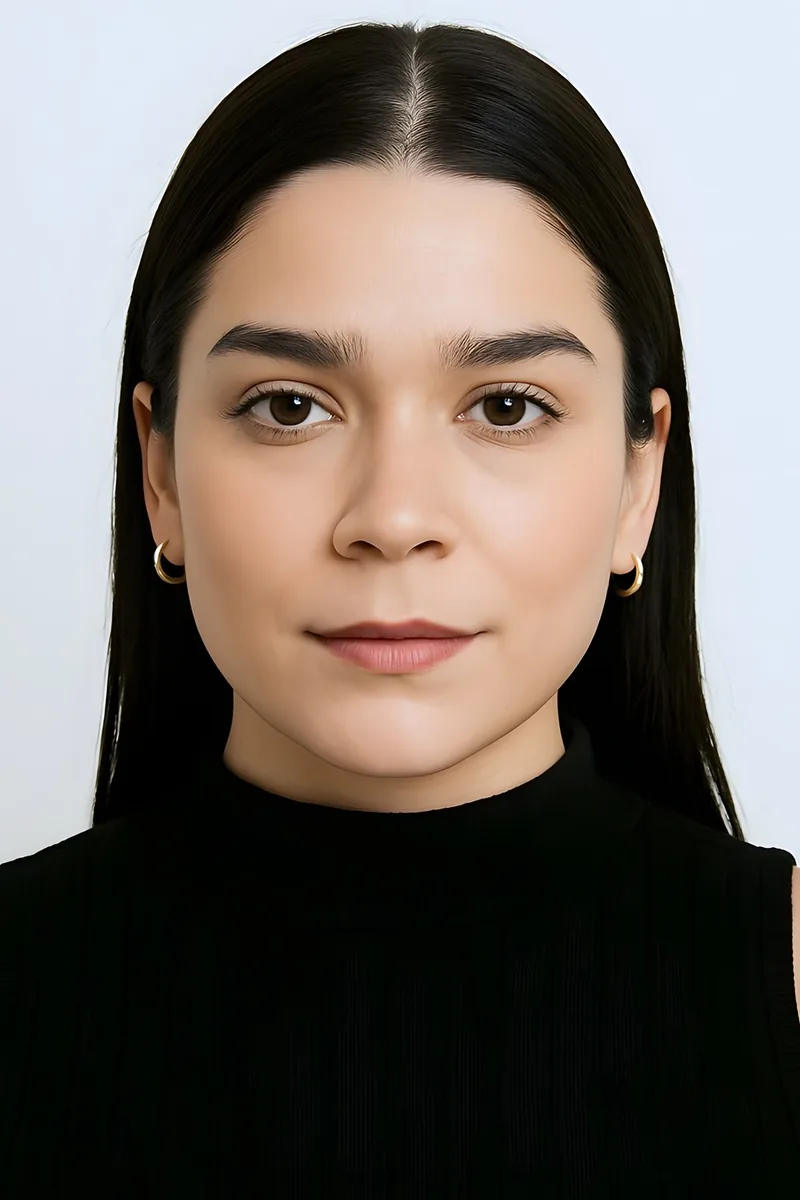
Spanning Spanish 1 through AP-level coursework and the SAT Subject Test in Spanish with Listening, Alma has built her tutoring practice around the language from every angle — grammar, conversation, reading, and writing. For this exam specifically, her creative writing and essay editing experience shapes how she coaches timed literary analysis essays, teaching students to move from a raw reading of a passage to a focused, thesis-driven argument written entirely in Spanish.
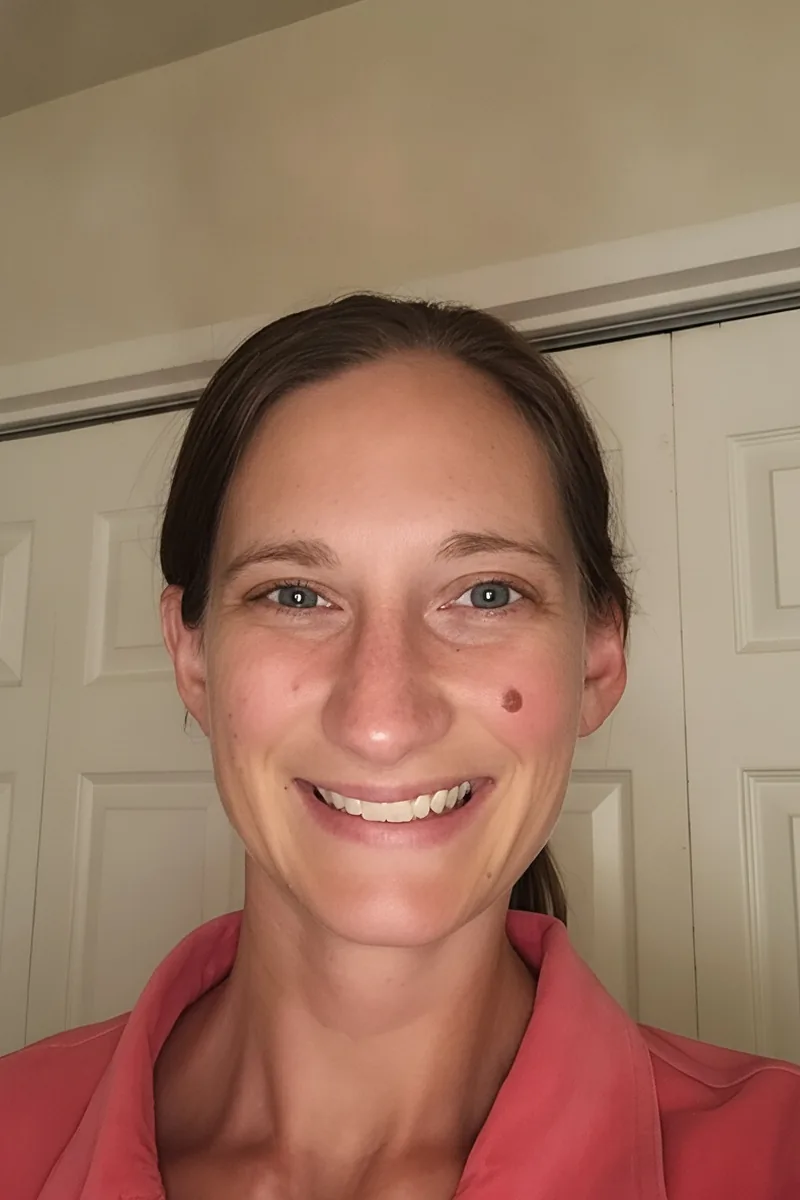
Three years as a Peace Corps volunteer in the Dominican Republic and time teaching at a bilingual school in Costa Rica gave Courtney the kind of lived Spanish fluency that comes from daily immersion — not just classroom study. That real-world grounding in Caribbean and Latin American culture adds context when she walks students through reading list works where themes of colonialism, identity, and societal contact demand more than textbook definitions to unpack in a timed essay.
Reading García Márquez or Sor Juana Inés de la Cruz in the original Spanish demands more than translation — it requires understanding the cultural and historical contexts that shaped each work. Caio pairs deep Spanish fluency with his Rice sociology and history training, so he can unpack literary movements like el Boom or colonial-era poetry in terms of the social forces behind them. Rated 5.0 by students.
As a native Spanish speaker pursuing a PhD at Rice, Mariane conducts literary analysis in the language she grew up thinking in — an advantage when students need to parse the subtle connotations in a Neruda ode or the layered irony of a Borges narrative. Her scientific training in biochemistry might seem unrelated, but it sharpened a habit of precise, evidence-based argumentation that transfers directly to constructing thesis-driven AP essays under timed conditions. Rated 4.9 by students.
Honest assessment: AP Spanish Literature and Culture isn't Morgan's wheelhouse — her strengths are English literature, writing, and standardized test prep (she scored a 34 ACT and holds a 5.0 rating). That said, her English degree at Washington University in St. Louis means she lives inside literary analysis daily, and for students who already have strong Spanish fluency but struggle with essay structure — building a thesis, integrating textual evidence, constructing an argument under time pressure — those skills transfer directly to the AP free-response format.
Growing up as a native Spanish speaker and writer while simultaneously studying English literature and theater at Bowdoin gave Alex an unusual double fluency — literary analysis skills honed in two languages at once, which is precisely what this exam's timed essays in Spanish demand. His graduate work in biology might seem unrelated, but the evolutionary and bioanthropological lens he brings to questions of cultural identity and human experience adds unexpected depth when unpacking themes in reading list works from Quiroga to Allende. Rated 4.8 by students.
Ysatris's psychology degree gives her a particular angle on the AP reading list — she's trained to analyze human behavior, which translates naturally into unpacking character motivation and identity themes in works by authors like Burgos or García Márquez. She also teaches AP Spanish Language & Culture and conversational Spanish, so essay construction and literary discussion happen in Spanish from the start. Her Magna Cum Laude honors from UIUC speak to the academic rigor she brings to timed analytical writing.
Having double-majored in Spanish at Washington University, Megan brings deep literary fluency to AP Spanish Literature and Culture — from close reading of García Márquez's magical realism to analyzing the cultural context behind Sor Juana's poetry. She walks students through the essay and presentational speaking rubrics so they know exactly what earns top scores on exam day.
Growing up as a native speaker of Spanish and Galician — two languages with deeply intertwined literary traditions — Andrea brings an intuitive ear for the register shifts, regional idioms, and poetic rhythms that surface in AP reading list texts from both Peninsular and Latin American canons. Her International Relations studies at Princeton, paired with a certificate in Spanish, trained her to read literature through the political and social forces behind it, which strengthens the kind of culturally grounded essay arguments the free-response section rewards. Rated 5.0 by students.
Adriana's biochemistry and history double major at Rice might seem unusual preparation for literary analysis, but dissecting historical arguments and scientific texts in two languages built exactly the kind of rigorous close-reading this exam rewards. Fluent in Spanish and holding a 5.0 tutoring rating, she walks students through the timed analytical essay process — constructing thesis-driven arguments about works on the AP reading list entirely in Spanish, with attention to both literary devices and the cultural contexts behind them.
A double major in Spanish and Government means Sarah studied the language at an advanced level while also learning to build the kind of thesis-driven, evidence-based arguments that the AP exam's free-response essays demand. She's taught across every level of Spanish from introductory through AP Literature and Culture, so she knows exactly where students stumble — whether it's parsing Sor Juana's baroque syntax or structuring a timed essay on "el tiempo y el espacio" without slipping into summary. Rated 5.0 by students.
Honestly, AP Spanish Literature and Culture isn't Courtney's deepest specialty — her Spanish minor and SAT Spanish Subject Test tutoring give her solid language skills, but this exam's literary canon demands a level of cultural and analytical depth that goes beyond language proficiency alone. For students who need help with the foundational Spanish reading and writing fluency that supports literary analysis, or who want structured practice organizing timed essays, her 34 ACT and 5.0 rating reflect serious analytical chops she can apply to argument construction and textual evidence work.
Reading García Márquez or Sor Juana Inés de la Cruz in the original Spanish demands more than vocabulary — it requires understanding literary movements, rhetorical devices, and the cultural contexts that shaped each work. Corey studied Latin American & Caribbean Studies alongside cognitive science at the University of Michigan, giving him both the literary background and the analytical framework to unpack AP Spanish Literature's required reading list. He connects themes across periods so students can write stronger comparative essays on exam day.
Testimonials
Because the right AP Spanish Literature and Culture tutor makes all the difference.
Average Session Rating – Based on 3.4M Learner Ratings
Nearby AP Spanish Literature and Culture Tutors
Other Reno Tutors
Related Languages Tutors in Reno
Frequently Asked Questions
The AP Spanish Literature and Culture exam tests your ability to read, analyze, and discuss Spanish-language literature from Spain and Latin America. The exam includes multiple-choice questions on short passages and poems, free-response essays analyzing literary texts, and a spoken component where you discuss and defend interpretations of literary works. You'll encounter various genres including novels, short stories, poetry, and drama from different time periods and regions.
The exam is divided into two sections: the multiple-choice and free-response section (2 hours 45 minutes) and the speaking section (about 20 minutes). In the first section, you'll answer 15 multiple-choice questions on short passages and then write two free-response essays analyzing literary texts you've studied. The speaking portion includes three tasks where you discuss themes, make connections between texts, and defend your interpretations. Pacing is critical—practicing with timed sections helps you manage your time effectively across all components.
Many students struggle with understanding complex literary vocabulary and cultural context, especially when analyzing unfamiliar texts under time pressure. The free-response essays require you to write analytical arguments in Spanish while supporting them with specific textual evidence—a skill that takes focused practice to develop. Additionally, the speaking section can trigger anxiety for students who aren't accustomed to defending their ideas in Spanish on the spot. Personalized 1-on-1 instruction helps address these specific challenges through targeted practice with authentic texts and regular feedback on your analysis and expression.
Score improvement depends on your starting point and how consistently you engage with tutoring. Students who work with tutors typically see the most gains by focusing on their weakest areas—whether that's close reading of poetry, essay structure, or speaking confidence. Many students improve by 1-2 score points (on the 1-5 scale) after 8-12 weeks of regular sessions combined with independent practice. The key is identifying your specific gaps early and building targeted skills through practice with real AP texts and timed practice exams.
The AP Spanish Literature and Culture course requires you to study a specific list of approved literary works—typically 6 texts representing different genres, time periods, and Spanish-speaking regions. These might include novels like García Márquez's Cien años de soledad, plays, poetry collections, and short story anthologies. Your teacher will assign the specific works for your course, but you should be prepared to analyze any of them deeply, discuss themes and literary techniques, and make connections between texts. Tutors can help you develop analysis strategies that work across different genres and authors.
The speaking section requires you to discuss literature spontaneously in Spanish, which means you need to practice articulating your thoughts clearly and defending your interpretations under pressure. Regular conversation practice focused on literary analysis—discussing themes, character motivations, and textual evidence—builds both fluency and confidence. Working with a tutor who can conduct mock speaking tasks, provide immediate feedback on your pronunciation and expression, and help you develop strategies for organizing your thoughts quickly makes a significant difference. Practicing with actual AP prompts and recording yourself helps you identify areas to refine before test day.
Your first session typically focuses on understanding your current level, identifying your strengths and weaknesses across reading, writing, and speaking components, and discussing your goals for the exam. You might work through a sample multiple-choice passage together, discuss how you approach literary analysis, or have a brief conversation in Spanish about a text you're studying. This helps your tutor develop a personalized plan targeting the areas where you need the most support—whether that's essay structure, vocabulary, or test-taking strategy. You'll leave with clear next steps and a sense of what regular sessions will look like.
Varsity Tutors connects you with tutors for students in Reno who specialize in AP Spanish Literature and Culture and understand the specific demands of the exam. When you reach out, you'll be matched with a tutor who has expertise in Spanish literature, experience preparing students for the AP exam, and a teaching style that fits your learning needs. You can discuss your timeline, specific goals, and preferred session frequency to find the right fit. Most tutors offer flexible scheduling and can work around your school and extracurricular commitments.
Let’s find your perfect tutor
Answer a few quick questions. We’ll recommend the right plan and match you with a top 5% tutor.