Award-Winning Science Tutors
serving New Orleans, LA
Science
Tutors in New Orleans
Private 1-on-1 tutoring, weekly live classes for academic support, test prep & enrichment, practice tests and diagnostics, and more to elevate grades and test scores.
Based on 3.4M Learner Ratings
UniversitiesSchools & Universities
DeliveredHours Delivered
ProficiencyGrowth in Proficiency
Who needs tutoring?
No obligation. Takes ~1 minute.
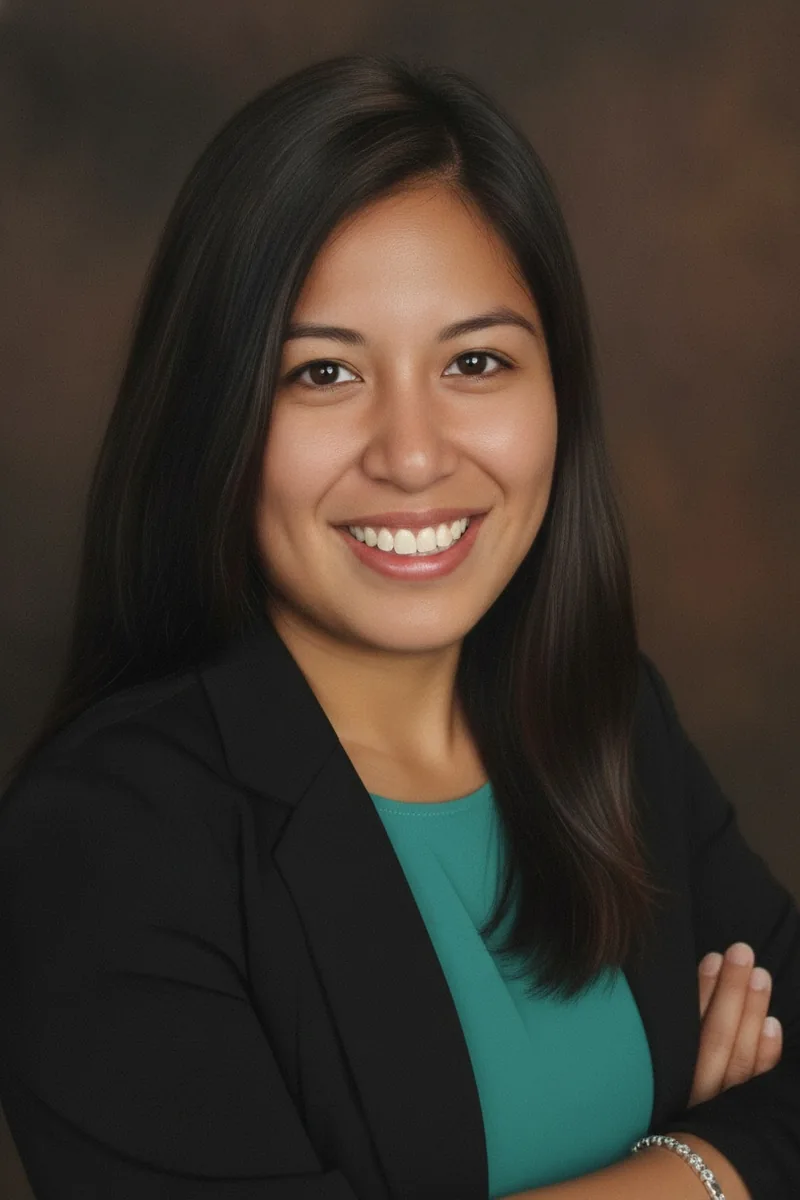
A biology degree and medical training give Robin an unusual depth when it comes to science — she can explain the water cycle to a younger learner and then pivot to cell structure or ecosystems with equal clarity. She teaches students to ask "why" and "how" questions about the natural world, turning observation into real scientific thinking.
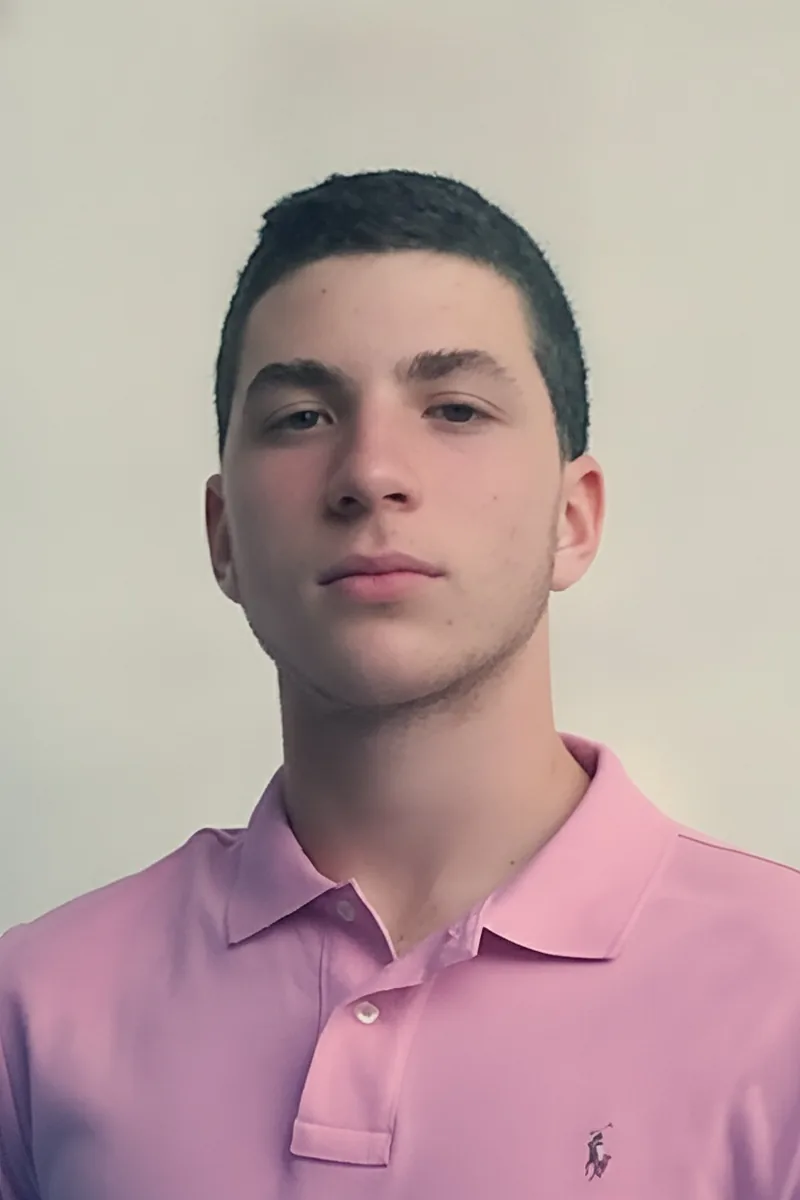
Finance coursework drills the same skills that trip students up in science — reading data tables, interpreting graphs, and figuring out which variable actually caused the change. Daniel applies that quantitative training to teach scientific reasoning as a step-by-step process: observe, hypothesize, test, then explain what the evidence actually tells you. His 31 ACT confirms he can handle the cross-disciplinary demands of science material that blends reading comprehension with numerical analysis.
I am an educator of the sciences. I have taught Life Science, Biology, Physical and Earth Sciences for fourteen years in grades 7-12. I trained with the Keystone Science School of Denver, Colorado, the LSU Coastal Roots Program and have earned over six hundred hours in science literacy training in many areas. Science has a very strong mathematical component and that is why I also specialize in Math tutoring.
A master's in environmental engineering means Kate didn't just study biology, chemistry, and physics — she used all three together to solve real problems like modeling water contamination or analyzing energy systems. That cross-disciplinary perspective makes her especially effective at showing students how scientific concepts connect rather than treating each unit as isolated material. Rated 4.9 by students.
A philosophy grad student at UNM with a 34 ACT, Justin treats science the way he treats an argument in formal logic — isolating each claim, checking whether the evidence actually supports it, and identifying where the reasoning breaks down. That approach is especially useful when students need to evaluate hypotheses, interpret graphs, or explain why an experiment's results do or don't match a prediction. His 5.0 rating suggests the method lands.
Reid treats science as a way of thinking rather than a collection of facts to memorize. He walks students through how to read data tables, design controlled experiments, and connect observations to underlying principles — the same analytical habits that show up across biology, chemistry, and earth science courses.
Biology was Joseph's undergraduate focus at UCLA, and his public health master's at Yale keeps him immersed in how scientific concepts apply to real problems like disease transmission and environmental health. He unpacks topics like the scientific method, cell structure, and ecosystems by connecting them to questions students encounter outside the classroom.
Applied math and computer science at Johns Hopkins means Sabira spends her days quantifying patterns and testing models — the same core loop students encounter in science when they're asked to measure, predict, and explain. She's particularly strong on the computational side of science: reading data tables, graphing relationships, and working through the math embedded in physics or chemistry problems. Holds a 5.0 rating.
Two biology degrees and admission to medical school mean Perry has lived the full arc of science education, from introductory labs to upper-level biochemistry and physiology. He connects abstract concepts like cellular respiration or chemical equilibrium to concrete examples that make the logic stick. Students working with him get someone who genuinely thinks in scientific terms, not just someone reciting definitions.
Daniel's sociology degree means he spent years learning to design surveys, analyze demographic data, and apply the scientific method to real human behavior — skills that translate naturally when teaching students how to form hypotheses, control variables, and interpret results in a general science context. He's especially comfortable helping students who freeze up at graphs and data tables, since reading quantitative evidence was a daily requirement in his coursework. Holds a 5.0 rating.
Emily's undergraduate degree in Molecular, Cellular, and Developmental Biology and her MPH in Epidemiology give her deep fluency in both life sciences and the quantitative reasoning that underpins them. She unpacks topics like cell division, genetics, and experimental design by tying abstract concepts to real-world examples from public health research. Rated 5.0 by students.
Engineering at Yale means Charles lives at the intersection of physics, chemistry, and applied math every day — analyzing forces in a truss, modeling heat transfer, or interpreting experimental data. He brings that hands-on perspective to general science tutoring, connecting abstract formulas to physical situations students can actually picture. Whether the topic is kinematics, energy conservation, or interpreting lab results, he makes the reasoning behind each step visible.
Electrical engineering at Stanford required Jai to live inside physics and applied science — circuit analysis, electromagnetic theory, thermodynamics, and the math that ties them together. He approaches science tutoring by anchoring each concept to a physical intuition or real-world example before introducing the equations. Students studying for AP Physics, chemistry, or general science courses get someone who genuinely thinks in scientific terms daily.
Speech-language pathology graduate training at Columbia is surprisingly science-heavy — anatomy, neuroscience, research design — and Sherry brings that clinical lens to teaching students how biological systems work and how experiments should be structured. Her UChicago psychology and linguistics background also means she's comfortable with everything from statistical reasoning to breaking apart dense scientific terminology using morphological roots. Rated 5.0 by students.
Scoring in the 99th percentile on the MCAT required Josef to master science across disciplines — biology, chemistry, physics, and biochemistry — and he brings that integrated perspective to every session. Rather than treating each science topic as isolated, he connects ideas like energy transfer in physics to metabolic pathways in biology, showing students how the same principles reappear across fields.
Testimonials
Because the right Science tutor makes all the difference.
Average Session Rating – Based on 3.4M Learner Ratings
Practice Science
Free practice tests, flashcards, and AI tutoring for Science
Nearby Science Tutors
Other New Orleans Tutors
Related Science Tutors in New Orleans
Frequently Asked Questions
Many students struggle with connecting abstract scientific concepts to real-world applications, especially in biology and chemistry where visualization is critical. With an average student-teacher ratio of 24.8:1 in New Orleans schools, students often don't get the individualized attention needed to work through misconceptions or fill knowledge gaps from previous grades. Personalized tutoring helps students build foundational understanding at their own pace before moving to more complex topics.
In a classroom setting, teachers must move at a pace that works for the majority of students, which can leave some behind or unchallenged. Personalized 1-on-1 instruction allows tutors to diagnose exactly where a student's understanding breaks down—whether it's lab technique, problem-solving strategy, or conceptual gaps—and adapt lessons accordingly. This targeted approach means students spend less time on concepts they've mastered and more time on areas that need reinforcement, leading to faster progress and deeper comprehension.
Yes, tutors who work with Varsity Tutors are familiar with Louisiana's K-12 Science Standards and can tailor instruction to match what students are learning in their classrooms. Whether your student is working on life science, physical science, or earth and space science, tutors can reinforce curriculum-aligned concepts while also filling any foundational gaps. This ensures tutoring complements classroom learning rather than working in isolation.
Absolutely. Many students find the practical and analytical sides of science challenging—from setting up equipment correctly to interpreting data and drawing conclusions. Tutors can walk through lab procedures, help students understand the 'why' behind each step, and develop critical thinking skills needed for experimental design. This hands-on support is especially valuable for students preparing for AP or honors science courses where lab proficiency directly impacts grades.
Standardized science tests require both content knowledge and test-taking strategy—knowing the material isn't always enough if students struggle with time management or question interpretation. Tutors can help students review key concepts, practice with released test items, and develop strategies for tackling different question types. Personalized prep focuses on the specific areas where each student needs the most work rather than generic test prep.
The first session is about building a foundation for success. Tutors will assess your student's current understanding, identify specific challenges, and learn about learning style preferences and goals. This diagnostic approach means the tutor can create a customized plan for the next sessions rather than using a one-size-fits-all approach. You'll leave with a clear sense of where your student stands and what to expect moving forward.
Varsity Tutors connects students with tutors across all grade levels—from elementary science through high school AP and honors courses like AP Biology, AP Chemistry, and AP Environmental Science. Whether your student is building foundational skills in middle school or tackling college-prep coursework, there are tutors with expertise in their specific needs. Tutors can also support students working toward science certifications or preparing for college placement exams.
Getting started is simple—tell Varsity Tutors about your student's grade level, science subject, and specific goals or challenges. We'll match your student with a tutor who has expertise in that area and availability that works for your schedule. You can then connect directly with your tutor to discuss approach, answer any questions, and schedule your first session at a time that's convenient for you.
Let’s find your perfect tutor
Answer a few quick questions. We’ll recommend the right plan and match you with a top 5% tutor.